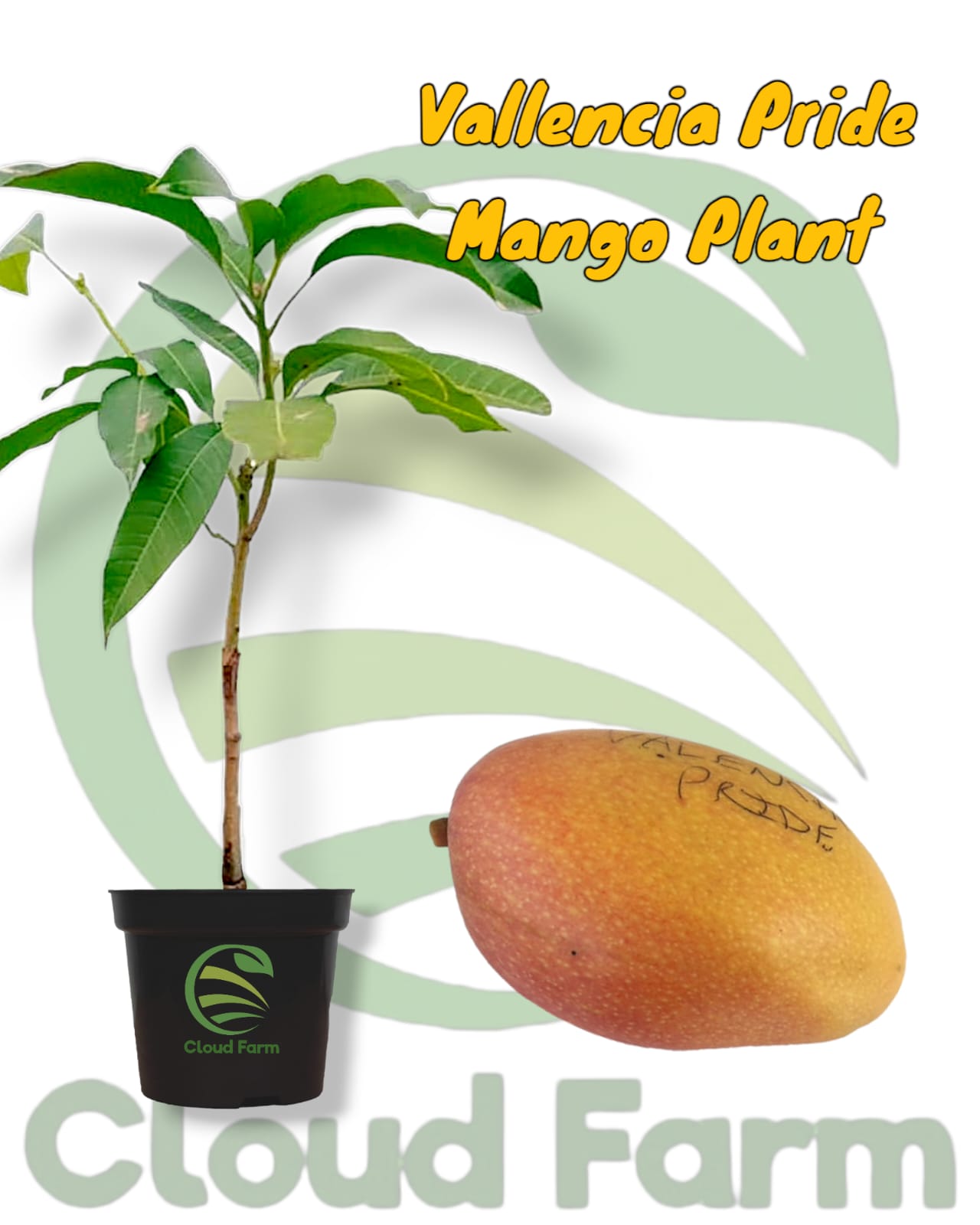
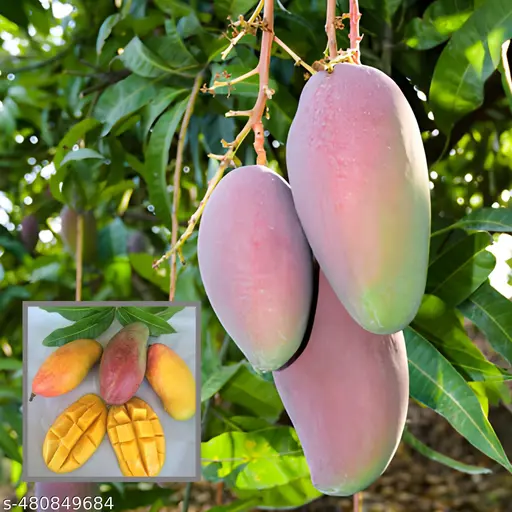
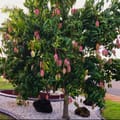
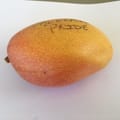
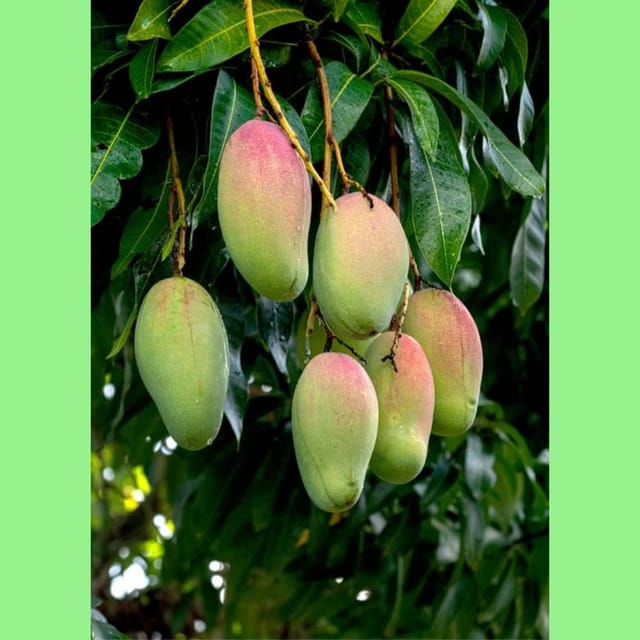
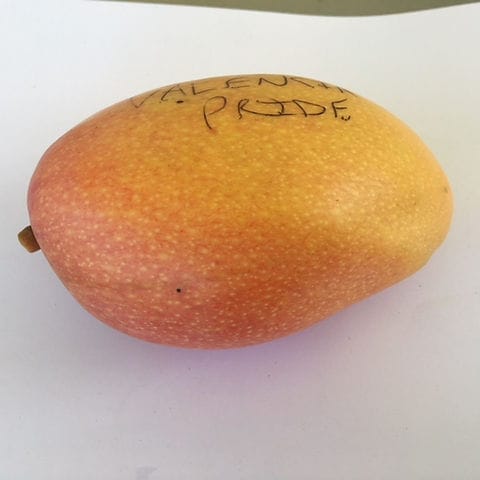
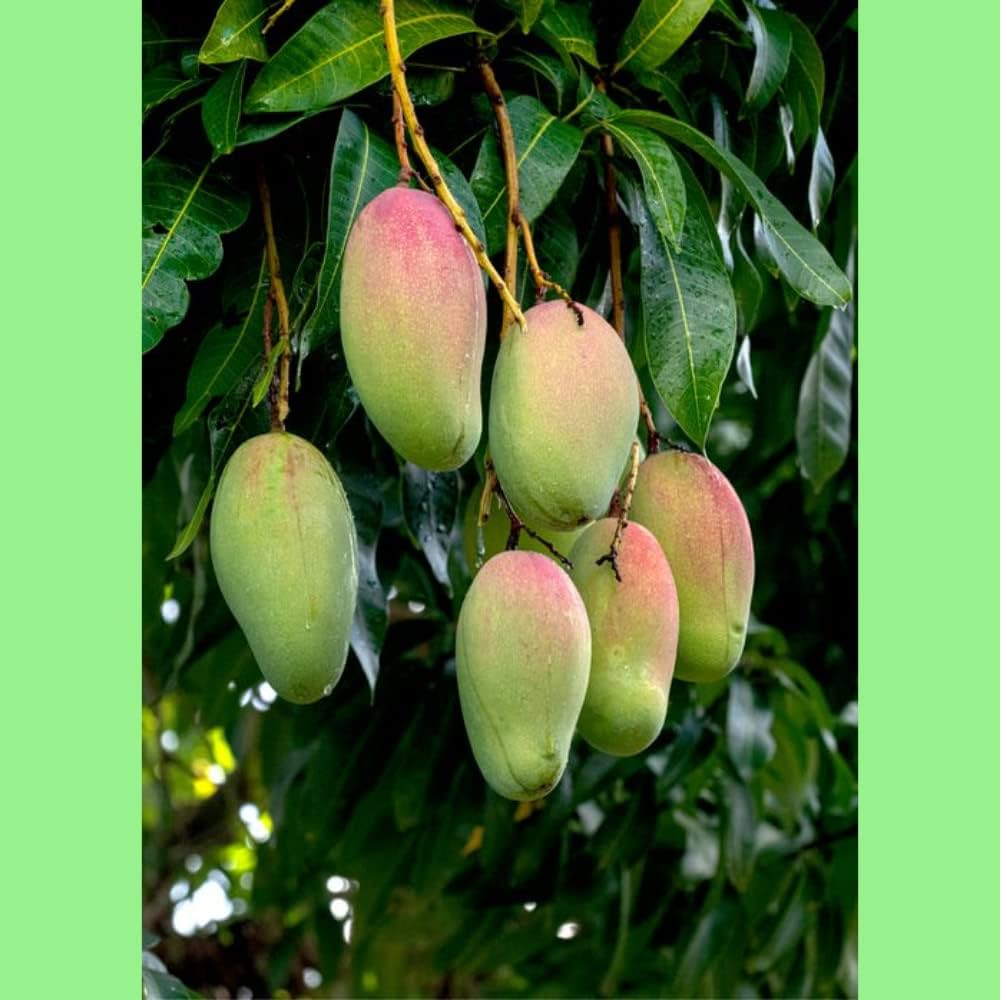
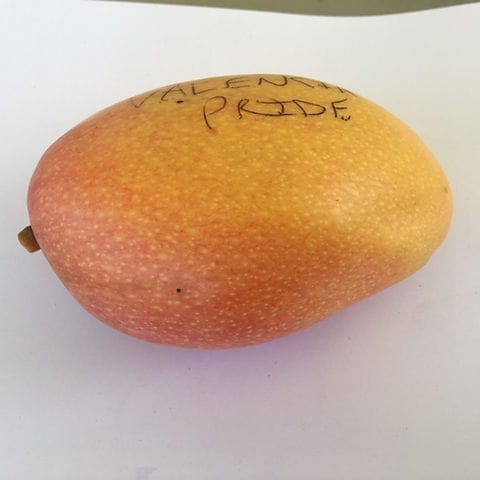
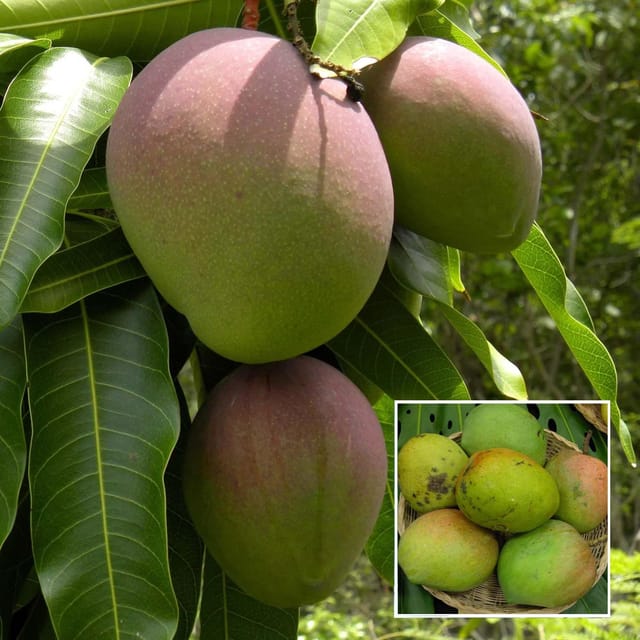
1Exceptional Size: The fruits are large, averaging 16 to 32 ounces (roughly 1–2 lbs).
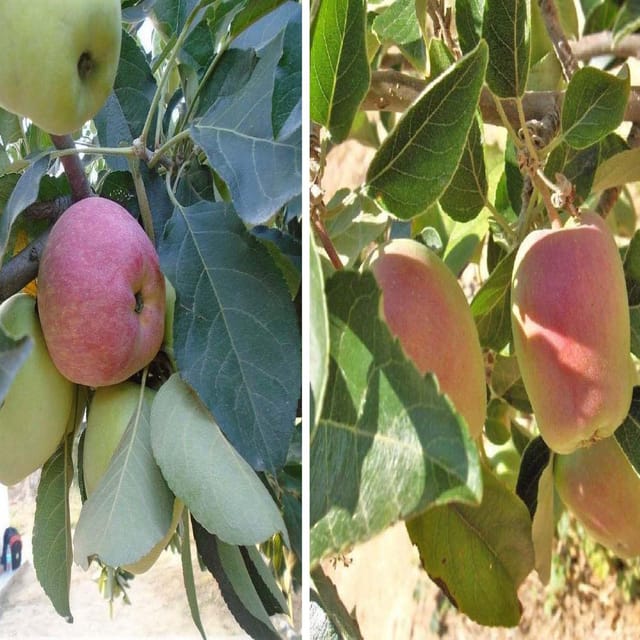
2Sigmoid Shape: It has a unique "S" or elongated shape with a rounded base and a slight "beak" at the tip, making it easily distinguishable from the common rounder varieties.
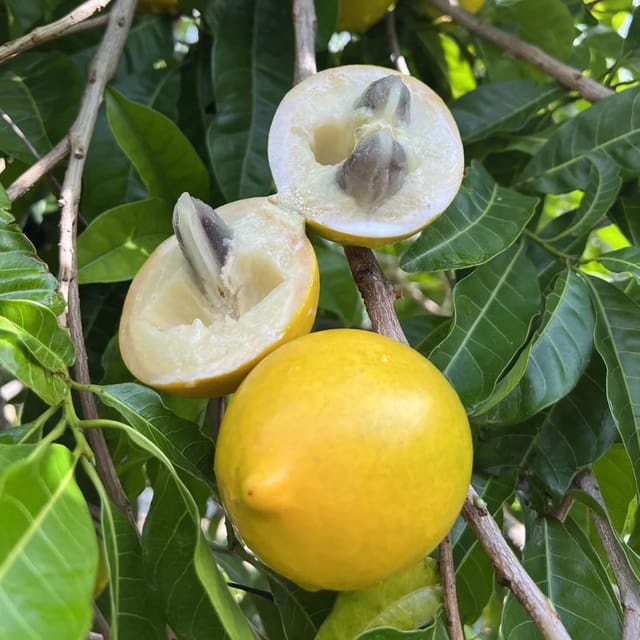
3Flesh-to-Seed Ratio: The seed is remarkably thin and flat, meaning you get a high volume of edible orange flesh relative to the fruit's size.
4Melt-in-Mouth" Texture: The flesh is completely fiber-free (no "stringy" bits between teeth), with a firm but buttery consistency often compared to a ripe peach or custard.
5Disease Resistance: It shows high resistance to Anthracnose, a common fungal disease that causes black spots on mangoes in humid environments.
6Cold Hardiness: Mature trees are relatively hardy for mangoes, surviving brief temperature drops to 25°F–28°F with minimal damage (though young trees still need protection).
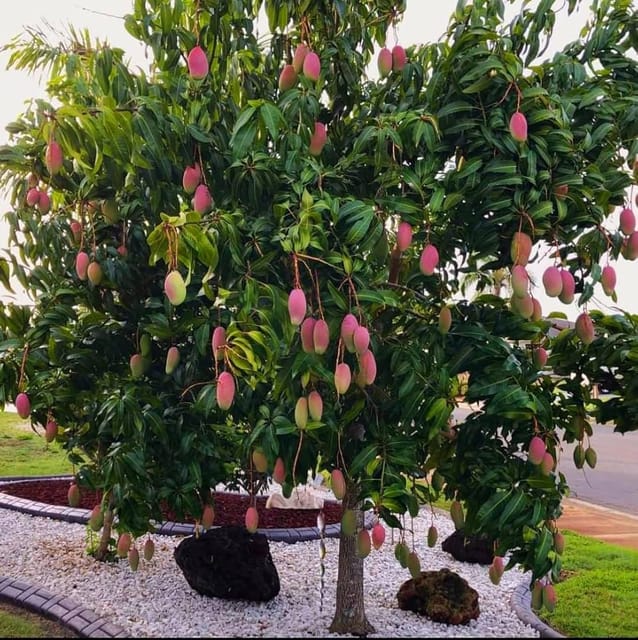
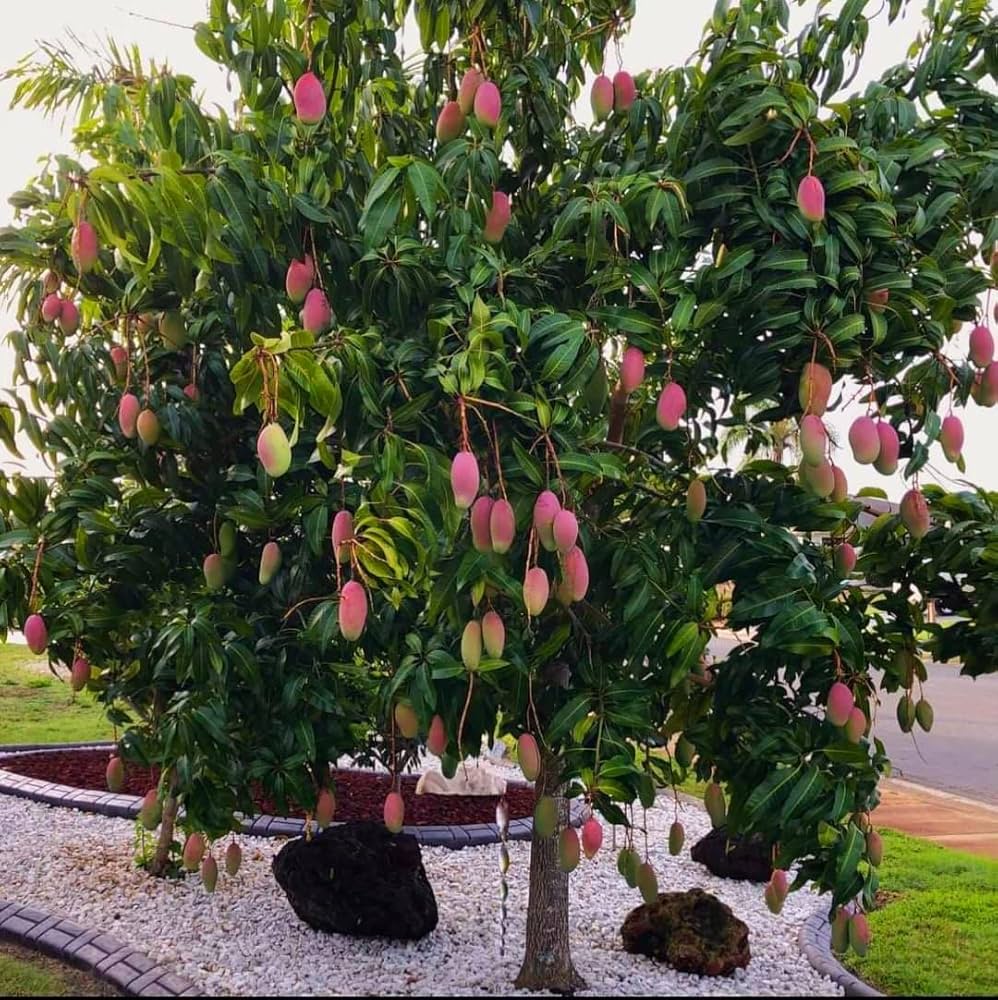
7Consistent Yield: It is known as a "heavy producer." While some mangoes fruit heavily only every other year, the Valencia Pride is a reliable annual bearer.