
![Kaner (Indian oleander) Pink Flower Plant, Nerium indicum Plant [RAJ GARDEN PLANTS]](https://www.paudhewale.com/s/660a356584d1ac2391ae69de/6a0b096a0beb2152c0e08494/kaner-640x640.jpg "Kaner (Indian oleander) Pink Flower Plant, Nerium indicum Plant [RAJ GARDEN PLANTS]")
₹1,001₹302
![Real Shami Plant , Sangari wali Khejri [RAJ GARDEN PLANTS]](https://www.paudhewale.com/s/660a356584d1ac2391ae69de/6a0b05db3eced8c254d9833b/project_20240512_2207356-01-640x640.png "Real Shami Plant , Sangari wali Khejri [RAJ GARDEN PLANTS]")
₹506₹354
![Jasmine Officinale Live Plant, Pahadi Chameli Flower Plant [RAJ GARDEN PLANTS]](https://www.paudhewale.com/s/660a356584d1ac2391ae69de/6a0b091c564f25b03cb86f02/21_original-640x640.jpg "Jasmine Officinale Live Plant, Pahadi Chameli Flower Plant [RAJ GARDEN PLANTS]")
₹1,001₹258
![Sandalwood White Live Plant, Safed Chandan Live Plant, Santalum album [RAJ GARDEN PLANTS]](https://www.paudhewale.com/s/660a356584d1ac2391ae69de/6a0b0832564f25b03cb86545/sandalwoodpercent20copy.jpg)
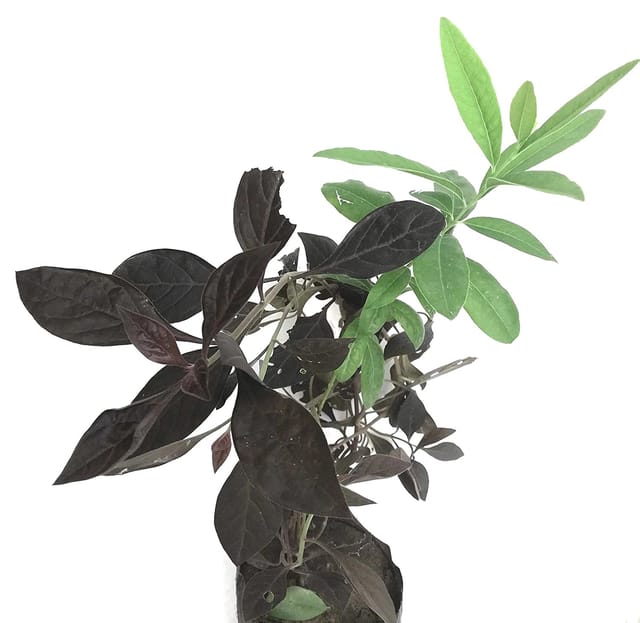
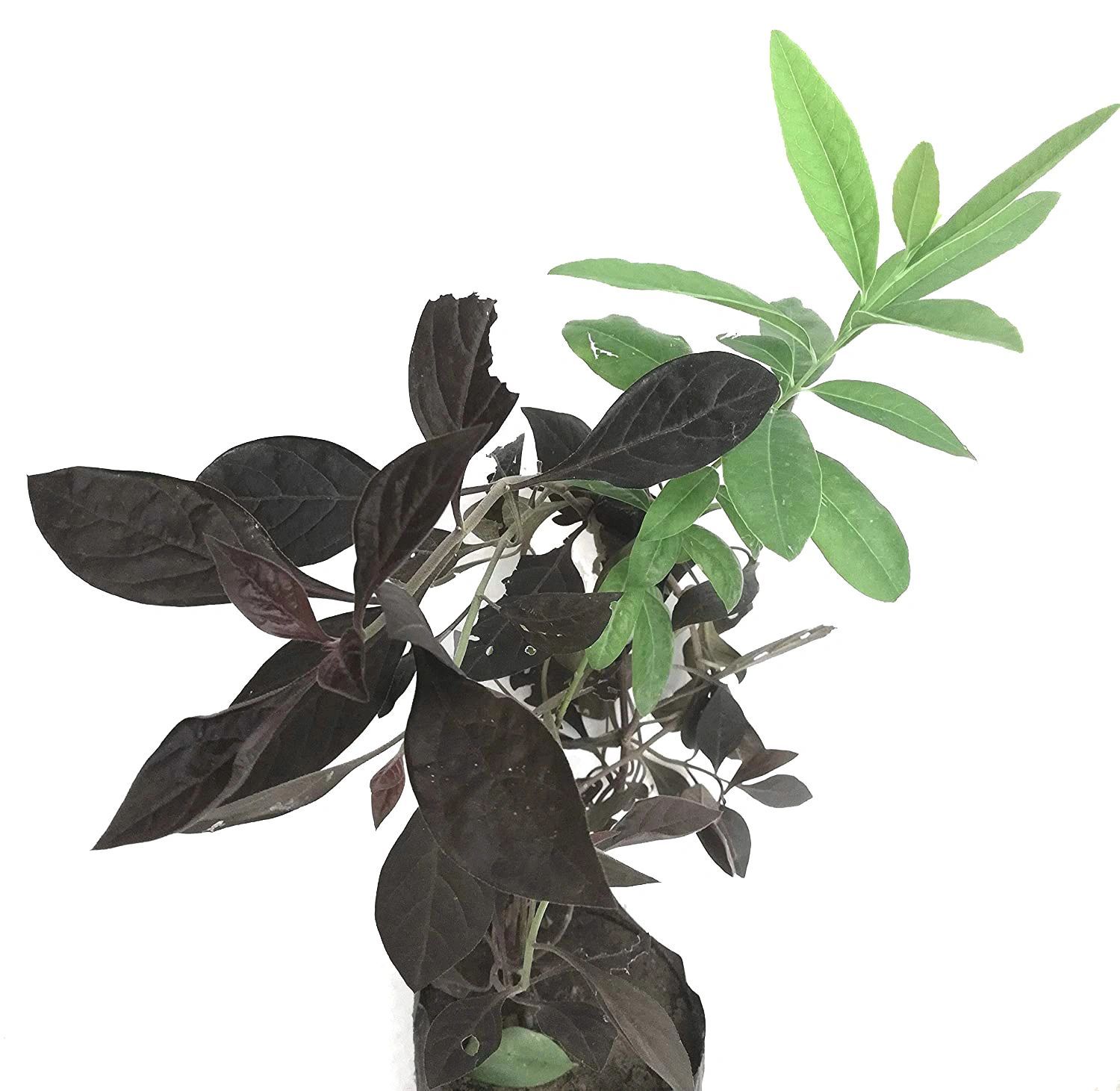
Introducing the ROOKHRAJ PAUDHSHALA Sandalwood White Live Plant, also known as Safed Chandan Live Plant or Santalum album. This majestic plant features vibrant purple and green leaves, adding a pop of color to any garden or indoor space. Known for its aromatic white sandalwood, this plant is perfect for those looking to add a touch of luxury to their greenery collection. Just imagine the soothing scent of sandalwood wafting through your home – it's like a spa day, but without the hefty price tag. Bring a piece of paradise into your life with this stunning live plant from ROOKHRAJ PAUDHSHALA! The White Sandalwood plant, scientifically known as Santalum album, is a small tropical tree highly valued for its aromatic heartwood. Native to the Indian subcontinent, White Sandalwood is renowned for its fragrant and valuable wood, which is used in perfumery, incense, and traditional medicine. The heartwood of the White Sandalwood tree produces a distinctive sweet and woody fragrance that lingers for a long time. White Sandalwood has a parasitic relationship with host trees, where its roots attach to the roots of other plants to draw nutrients and water. The tree has small, leathery leaves and produces inconspicuous flowers that develop into small, spherical fruits. White Sandalwood's heartwood undergoes a maturation process, becoming darker and more aromatic as the tree ages. The heartwood is harvested and processed to create essential oils, powders, and other products with various applications. White Sandalwood has cultural and religious significance in various traditions and is often used in rituals, ceremonies, and spiritual practices. Growing White Sandalwood requires specific host trees for its parasitic growth, which impacts its cultivation and makes it more challenging to grow compared to other plants. The slow growth rate of White Sandalwood necessitates patience and long-term commitment for successful cultivation. Conservation efforts are in place to protect White Sandalwood due to overharvesting and habitat loss, contributing to its endangered status in the wild. Proper care includes providing appropriate host trees, maintaining a suitable environment, and adhering to ethical and sustainable practices. Cultivating White Sandalwood is a unique and specialized endeavor that requires careful consideration, knowledge, and dedication, given its valuable and culturally significant properties. Growing and Care Tips for White Sandalwood Live Plant: Host Tree Selection: White Sandalwood is a parasitic plant that requires a suitable host tree to thrive. Choose a compatible host tree, such as a deciduous hardwood, for the White Sandalwood to establish a parasitic connection. Climate and Location: White Sandalwood prefers a tropical to subtropical climate with warm temperatures and moderate humidity. Plant it in a well-draining location with partial shade, as it thrives under dappled sunlight. Soil Preparation: Prepare the planting site by ensuring the soil is well-draining and slightly acidic. Incorporate organic matter into the soil to improve its structure and nutrient content. Planting: Plant White Sandalwood seeds in well-prepared soil near the base of a compatible host tree. The seeds need to come into contact with the host tree's roots for successful parasitic growth. Watering: Provide consistent and moderate watering, especially during the establishment phase. Avoid waterlogged conditions, as well-draining soil is crucial for White Sandalwood. Mulching: Apply a layer of organic mulch around the base of the plant to retain moisture and suppress weed growth. Be mindful not to cover the area where the plant connects with the host tree's roots. Pruning: Minimal pruning is required for White Sandalwood. Remove any dead or diseased branches to promote healthy growth. Fertilization: White Sandalwood generally does not require heavy fertilization. If necessary, provide a balanced fertilizer during the growing season to support growth. Protection from Extreme Conditions: Protect young White Sandalwood plants from strong winds and frost until they establish a strong connection with the host tree. Use temporary shade to shield young plants from intense sunlight. Ethical and Sustainable Practices: Ensure that your cultivation of White Sandalwood is based on ethical and sustainable practices. Avoid overharvesting and follow local regulations to protect the plant's endangered status. Patience and Long-Term Care: Growing White Sandalwood requires patience, as it has a slow growth rate. Be prepared for a long-term commitment and consistent care to achieve successful cultivation. Cultural and Medicinal Significance: Respect the cultural, religious, and medicinal significance of White Sandalwood, and consider its traditional uses and values. Cultivating White Sandalwood is a specialized endeavor that demands careful planning, host tree compatibility, and adherence to ethical considerations. By following these growing and care tips, you can contribute to the conservation of this precious and culturally significant plant while enjoying its aromatic and valuable properties. · One Healthy Live Plant in Nursery poly Bag · Easy to grow in pots or in soil of the garden · Use Sandy Soil 30%+ Compost 30% +Other Soil · Put in 75 % shade · Keep Moderate Watering · Best time for growing Rainy Season · Contains Medicinal Properties · Plant Maturity Time - 15 Years It grows with support plant, So Plant a hedge or basil with this plant or keep attached plant together Use fungicide to prevent fungal issues.
RKH-PDH-SND-WHTChoose your location
Please provide your delivery pincode to see products available in your area
COD (Cash On Delivery) On request
🎁Gift Coupons: Share your unboxing video & receive an exclusive gift coupon as a thank-you!
Share here
🚫No Claims After Repotting: If a plant is transferred to another pot and gets damaged, no claims will be accepted. Re-potting is at your own risk.
📸Unboxing Video Required: To claim a refund or replacement for any product, you must share an uncut unboxing video upon receiving the item.
⏳Raise Claim Within 24 Hours: To be eligible for any refund/replacement, raise a claim within 24 hours of delivery.(For plants only, for other categories the claim window is 5 days)
| brand | Raj Garden Plants |
Introducing the ROOKHRAJ PAUDHSHALA Sandalwood White Live Plant, also known as Safed Chandan Live Plant or Santalum album. This majestic plant features vibrant purple and green leaves, adding a pop of color to any garden or indoor space. Known for its aromatic white sandalwood, this plant is perfect for those looking to add a touch of luxury to their greenery collection. Just imagine the soothing scent of sandalwood wafting through your home – it's like a spa day, but without the hefty price tag. Bring a piece of paradise into your life with this stunning live plant from ROOKHRAJ PAUDHSHALA! The White Sandalwood plant, scientifically known as Santalum album, is a small tropical tree highly valued for its aromatic heartwood. Native to the Indian subcontinent, White Sandalwood is renowned for its fragrant and valuable wood, which is used in perfumery, incense, and traditional medicine. The heartwood of the White Sandalwood tree produces a distinctive sweet and woody fragrance that lingers for a long time. White Sandalwood has a parasitic relationship with host trees, where its roots attach to the roots of other plants to draw nutrients and water. The tree has small, leathery leaves and produces inconspicuous flowers that develop into small, spherical fruits. White Sandalwood's heartwood undergoes a maturation process, becoming darker and more aromatic as the tree ages. The heartwood is harvested and processed to create essential oils, powders, and other products with various applications. White Sandalwood has cultural and religious significance in various traditions and is often used in rituals, ceremonies, and spiritual practices. Growing White Sandalwood requires specific host trees for its parasitic growth, which impacts its cultivation and makes it more challenging to grow compared to other plants. The slow growth rate of White Sandalwood necessitates patience and long-term commitment for successful cultivation. Conservation efforts are in place to protect White Sandalwood due to overharvesting and habitat loss, contributing to its endangered status in the wild. Proper care includes providing appropriate host trees, maintaining a suitable environment, and adhering to ethical and sustainable practices. Cultivating White Sandalwood is a unique and specialized endeavor that requires careful consideration, knowledge, and dedication, given its valuable and culturally significant properties. Growing and Care Tips for White Sandalwood Live Plant: Host Tree Selection: White Sandalwood is a parasitic plant that requires a suitable host tree to thrive. Choose a compatible host tree, such as a deciduous hardwood, for the White Sandalwood to establish a parasitic connection. Climate and Location: White Sandalwood prefers a tropical to subtropical climate with warm temperatures and moderate humidity. Plant it in a well-draining location with partial shade, as it thrives under dappled sunlight. Soil Preparation: Prepare the planting site by ensuring the soil is well-draining and slightly acidic. Incorporate organic matter into the soil to improve its structure and nutrient content. Planting: Plant White Sandalwood seeds in well-prepared soil near the base of a compatible host tree. The seeds need to come into contact with the host tree's roots for successful parasitic growth. Watering: Provide consistent and moderate watering, especially during the establishment phase. Avoid waterlogged conditions, as well-draining soil is crucial for White Sandalwood. Mulching: Apply a layer of organic mulch around the base of the plant to retain moisture and suppress weed growth. Be mindful not to cover the area where the plant connects with the host tree's roots. Pruning: Minimal pruning is required for White Sandalwood. Remove any dead or diseased branches to promote healthy growth. Fertilization: White Sandalwood generally does not require heavy fertilization. If necessary, provide a balanced fertilizer during the growing season to support growth. Protection from Extreme Conditions: Protect young White Sandalwood plants from strong winds and frost until they establish a strong connection with the host tree. Use temporary shade to shield young plants from intense sunlight. Ethical and Sustainable Practices: Ensure that your cultivation of White Sandalwood is based on ethical and sustainable practices. Avoid overharvesting and follow local regulations to protect the plant's endangered status. Patience and Long-Term Care: Growing White Sandalwood requires patience, as it has a slow growth rate. Be prepared for a long-term commitment and consistent care to achieve successful cultivation. Cultural and Medicinal Significance: Respect the cultural, religious, and medicinal significance of White Sandalwood, and consider its traditional uses and values. Cultivating White Sandalwood is a specialized endeavor that demands careful planning, host tree compatibility, and adherence to ethical considerations. By following these growing and care tips, you can contribute to the conservation of this precious and culturally significant plant while enjoying its aromatic and valuable properties. · One Healthy Live Plant in Nursery poly Bag · Easy to grow in pots or in soil of the garden · Use Sandy Soil 30%+ Compost 30% +Other Soil · Put in 75 % shade · Keep Moderate Watering · Best time for growing Rainy Season · Contains Medicinal Properties · Plant Maturity Time - 15 Years It grows with support plant, So Plant a hedge or basil with this plant or keep attached plant together Use fungicide to prevent fungal issues.
Products listed on Paudhewale.com are provided by individual sellers. We recommend referring to the product label before use. Paudhewale.com is not liable for any loss arising from misuse of products sold on our platform.