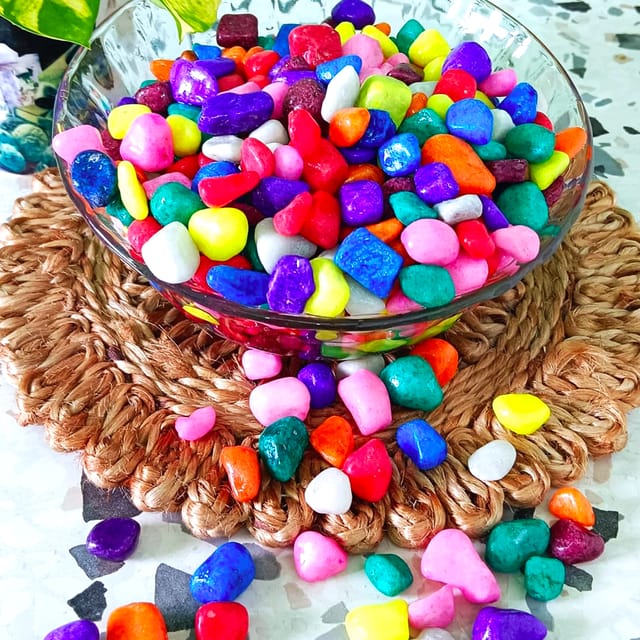

![Bichoo Bel Live Plant, Portulaca Mixed Colour Live Plant [RAJ GARDEN PLANTS]](https://www.paudhewale.com/s/660a356584d1ac2391ae69de/6a0b08d1921035dc2b8bc90a/43_original-640x640.jpg "Bichoo Bel Live Plant, Portulaca Mixed Colour Live Plant [RAJ GARDEN PLANTS]")
₹1,001₹258
![Ratrani Creeper Plant, रातरानी, Night Blooming Jasmine, Cestrum Nocturnum Live Plant [RAJ GARDEN PLANTS]](https://www.paudhewale.com/s/660a356584d1ac2391ae69de/6a0b07a0564f25b03cb85fdc/51zbjfv7hol-_sl1500_.jpg)
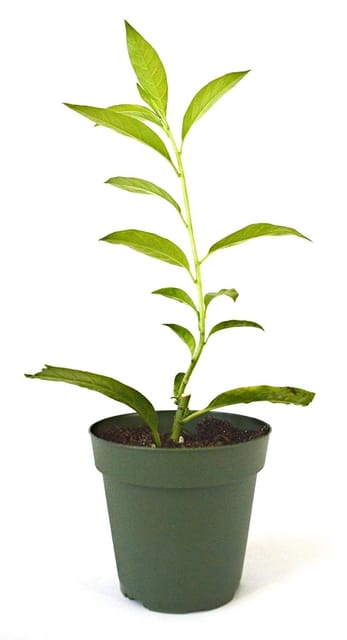
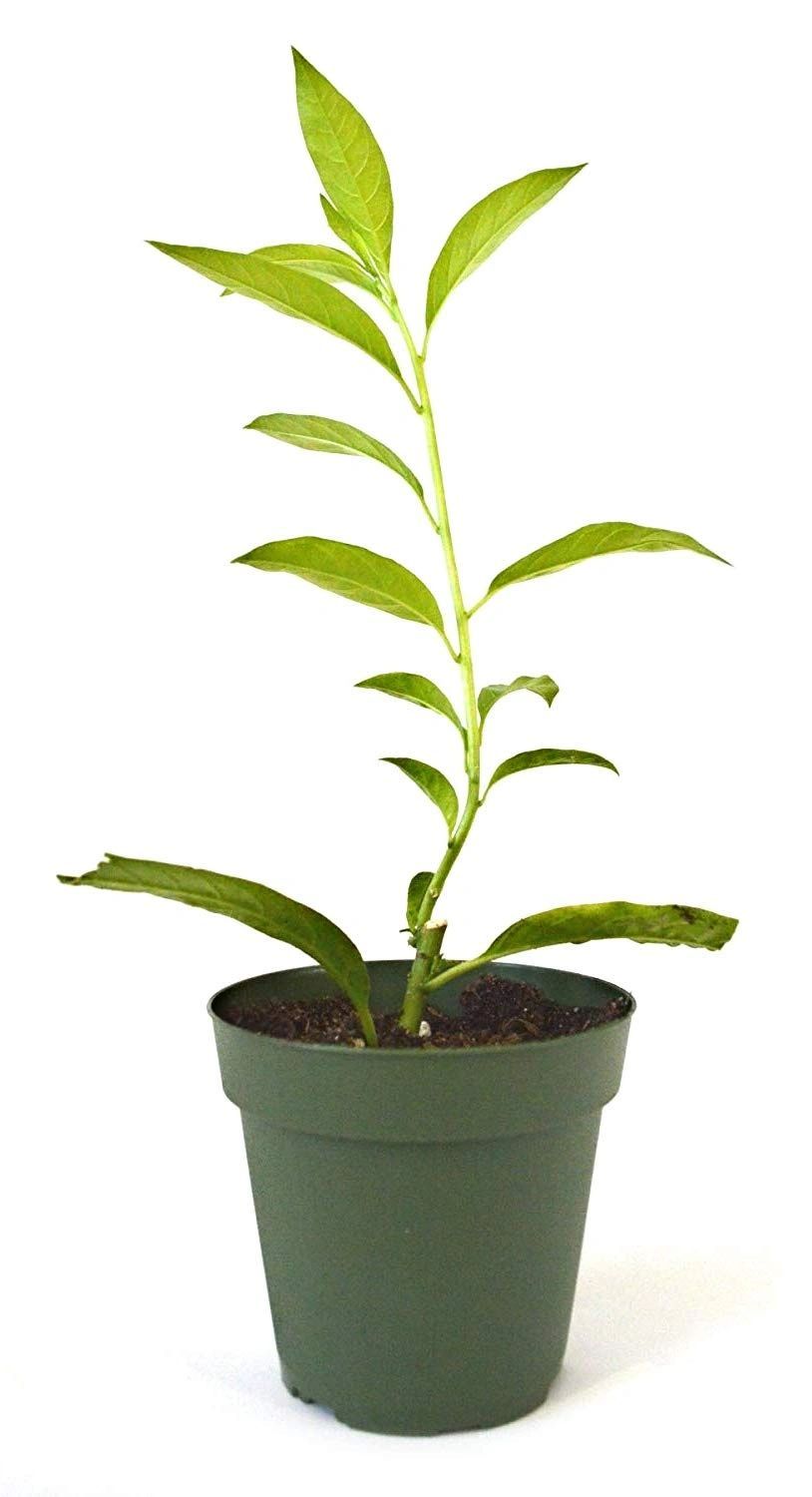
This is a live plant of ROOKHRAJ PAUDHSHALA Ratrani Creeper Plant, रातरानी, Night Blooming Jasmine, Cestrum Nocturnum Live Plant here are some bullet points about Cestrum nocturnum, commonly known as "Lady of the Night," "Night-Blooming Jasmine," "Night-Blooming Jessamine," "Night-Scented Jessamine," "Night-Scented Cestrum," or "Poisonberry": Scientific Name: Cestrum nocturnum Common Names: Lady of the Night, Night-Blooming Jasmine, Night-Blooming Jessamine, Night-Scented Jessamine, Night-Scented Cestrum, Poisonberry Family: Solanaceae Origin: Native to the West Indies and Central America, but widely cultivated in tropical and subtropical regions. Growth Habit: Shrub or small tree with an upright or spreading form, typically reaching heights of 6 to 10 feet. Fragrance: Renowned for its intoxicating, sweet, and intense fragrance that is most potent during the evening and night. Flowers: Small, tubular, greenish-white to pale yellow flowers that are inconspicuous during the day but release their fragrance at night. Flowering Season: Flowers primarily during warm months, especially in late spring and summer. Night-Blooming Adaptation: Flowers open in the evening and emit their fragrance to attract pollinators like moths and bats. Attracts Nocturnal Pollinators: The strong fragrance and night-blooming habit are tailored to attract moths and other night-flying insects for pollination. Landscape Use: Often planted near outdoor seating areas and windows to enjoy the fragrance during warm evenings. Sunlight Requirements: Thrives in full to partial sunlight, requiring at least 4-6 hours of direct sunlight per day. Soil: Prefers well-draining soil with moderate moisture retention. Pruning: Prune to maintain shape and encourage bushier growth, typically after the flowering season. Cold Sensitivity: Susceptible to frost damage, especially in colder climates. Propagation: Can be propagated from stem cuttings or seeds. Toxicity: All parts of the plant, especially the berries, are considered toxic if ingested and should be kept away from children and pets. Medicinal Uses: Some traditional herbal medicine practices use parts of the plant for their potential therapeutic properties. Invasive Potential: In some regions, Cestrum nocturnum can become invasive due to its ability to spread rapidly. Varieties: There are different species and cultivars of Cestrum, each with unique characteristics and fragrance profiles. Cultural and Symbolic Significance: In various cultures, the plant's nighttime fragrance is associated with romance, mystery, and beauty. It's important to note that while Cestrum nocturnum is appreciated for its fragrance and beauty, its toxic nature should be taken into consideration when planting in areas accessible to pets and children. Growing and Care Tips for Cestrum nocturnum (Lady of the Night, Night-Blooming Jasmine, Night-Blooming Jessamine, Night-Scented Jessamine, Night-Scented Cestrum, Poisonberry): 1. Sunlight and Location: Plant in a location that receives full to partial sunlight (4-6 hours of direct sunlight daily). Ensure proper air circulation to prevent fungal issues. 2. Soil: Use well-draining soil with good moisture retention. Amend soil with organic matter to improve drainage and fertility. 3. Planting: Plant in the spring or early summer to allow time for establishment before the flowering season. Dig a hole slightly larger than the root ball and plant at the same depth. 4. Watering: Keep the soil consistently moist but not waterlogged, especially during the growing season. Water more sparingly in winter, reducing frequency but avoiding complete drying out. 5. Fertilization: Feed with a balanced, slow-release fertilizer during the growing season (spring and summer). Avoid over-fertilizing, as excessive nutrients can lead to excessive foliage growth at the expense of flowers. 6. Pruning: Prune lightly after the flowering season to maintain a compact shape. Remove dead or damaged branches to encourage new growth. 7. Mulching: Apply a layer of organic mulch around the base of the plant to retain soil moisture and regulate temperature. 8. Cold Protection: In colder climates, provide frost protection during winter to prevent cold damage. Consider moving potted plants indoors or to a sheltered location. 9. Propagation: Propagate from stem cuttings taken in the warmer months. Dip cuttings in a rooting hormone before planting in a well-draining rooting medium. 10. Pests and Diseases: Monitor for pests like aphids and whiteflies; treat with insecticidal soap if necessary. Provide adequate spacing and proper air circulation to prevent fungal diseases. 11. Toxicity: Be aware that all parts of the plant, especially the berries, are toxic if ingested. Keep the plant out of reach of children and pets. 12. Night-Blooming Care: Enjoy the captivating fragrance by placing the plant near windows or outdoor seating areas. Provide a dark environment during the evening to encourage blooming and fragrance release. 13. Container Planting: Cestrum nocturnum can be grown in containers, allowing you to move it indoors during colder months. Ensure the container has good drainage and use a well-draining potting mix. 14. Invasive Potential: In regions where it has invasive tendencies, consider planting it in a controlled area or using a container to prevent spreading. 15. Cultural and Symbolic Significance: Embrace the plant's cultural and symbolic associations, which may include romance and beauty. By following these growing and care tips, you can cultivate a thriving Cestrum nocturnum plant that rewards you with its intoxicating fragrance and delicate beauty during warm evenings. Remember to handle the plant with care due to its toxic properties and enjoy its unique charm as a nighttime bloomer.
XN-RKH-PDH-RTRChoose your location
Please provide your delivery pincode to see products available in your area
COD (Cash On Delivery) On request
🎁Gift Coupons: Share your unboxing video & receive an exclusive gift coupon as a thank-you!
Share here
🚫No Claims After Repotting: If a plant is transferred to another pot and gets damaged, no claims will be accepted. Re-potting is at your own risk.
📸Unboxing Video Required: To claim a refund or replacement for any product, you must share an uncut unboxing video upon receiving the item.
⏳Raise Claim Within 24 Hours: To be eligible for any refund/replacement, raise a claim within 24 hours of delivery.(For plants only, for other categories the claim window is 5 days)
| brand | Raj Garden Plants |
This is a live plant of ROOKHRAJ PAUDHSHALA Ratrani Creeper Plant, रातरानी, Night Blooming Jasmine, Cestrum Nocturnum Live Plant here are some bullet points about Cestrum nocturnum, commonly known as "Lady of the Night," "Night-Blooming Jasmine," "Night-Blooming Jessamine," "Night-Scented Jessamine," "Night-Scented Cestrum," or "Poisonberry": Scientific Name: Cestrum nocturnum Common Names: Lady of the Night, Night-Blooming Jasmine, Night-Blooming Jessamine, Night-Scented Jessamine, Night-Scented Cestrum, Poisonberry Family: Solanaceae Origin: Native to the West Indies and Central America, but widely cultivated in tropical and subtropical regions. Growth Habit: Shrub or small tree with an upright or spreading form, typically reaching heights of 6 to 10 feet. Fragrance: Renowned for its intoxicating, sweet, and intense fragrance that is most potent during the evening and night. Flowers: Small, tubular, greenish-white to pale yellow flowers that are inconspicuous during the day but release their fragrance at night. Flowering Season: Flowers primarily during warm months, especially in late spring and summer. Night-Blooming Adaptation: Flowers open in the evening and emit their fragrance to attract pollinators like moths and bats. Attracts Nocturnal Pollinators: The strong fragrance and night-blooming habit are tailored to attract moths and other night-flying insects for pollination. Landscape Use: Often planted near outdoor seating areas and windows to enjoy the fragrance during warm evenings. Sunlight Requirements: Thrives in full to partial sunlight, requiring at least 4-6 hours of direct sunlight per day. Soil: Prefers well-draining soil with moderate moisture retention. Pruning: Prune to maintain shape and encourage bushier growth, typically after the flowering season. Cold Sensitivity: Susceptible to frost damage, especially in colder climates. Propagation: Can be propagated from stem cuttings or seeds. Toxicity: All parts of the plant, especially the berries, are considered toxic if ingested and should be kept away from children and pets. Medicinal Uses: Some traditional herbal medicine practices use parts of the plant for their potential therapeutic properties. Invasive Potential: In some regions, Cestrum nocturnum can become invasive due to its ability to spread rapidly. Varieties: There are different species and cultivars of Cestrum, each with unique characteristics and fragrance profiles. Cultural and Symbolic Significance: In various cultures, the plant's nighttime fragrance is associated with romance, mystery, and beauty. It's important to note that while Cestrum nocturnum is appreciated for its fragrance and beauty, its toxic nature should be taken into consideration when planting in areas accessible to pets and children. Growing and Care Tips for Cestrum nocturnum (Lady of the Night, Night-Blooming Jasmine, Night-Blooming Jessamine, Night-Scented Jessamine, Night-Scented Cestrum, Poisonberry): 1. Sunlight and Location: Plant in a location that receives full to partial sunlight (4-6 hours of direct sunlight daily). Ensure proper air circulation to prevent fungal issues. 2. Soil: Use well-draining soil with good moisture retention. Amend soil with organic matter to improve drainage and fertility. 3. Planting: Plant in the spring or early summer to allow time for establishment before the flowering season. Dig a hole slightly larger than the root ball and plant at the same depth. 4. Watering: Keep the soil consistently moist but not waterlogged, especially during the growing season. Water more sparingly in winter, reducing frequency but avoiding complete drying out. 5. Fertilization: Feed with a balanced, slow-release fertilizer during the growing season (spring and summer). Avoid over-fertilizing, as excessive nutrients can lead to excessive foliage growth at the expense of flowers. 6. Pruning: Prune lightly after the flowering season to maintain a compact shape. Remove dead or damaged branches to encourage new growth. 7. Mulching: Apply a layer of organic mulch around the base of the plant to retain soil moisture and regulate temperature. 8. Cold Protection: In colder climates, provide frost protection during winter to prevent cold damage. Consider moving potted plants indoors or to a sheltered location. 9. Propagation: Propagate from stem cuttings taken in the warmer months. Dip cuttings in a rooting hormone before planting in a well-draining rooting medium. 10. Pests and Diseases: Monitor for pests like aphids and whiteflies; treat with insecticidal soap if necessary. Provide adequate spacing and proper air circulation to prevent fungal diseases. 11. Toxicity: Be aware that all parts of the plant, especially the berries, are toxic if ingested. Keep the plant out of reach of children and pets. 12. Night-Blooming Care: Enjoy the captivating fragrance by placing the plant near windows or outdoor seating areas. Provide a dark environment during the evening to encourage blooming and fragrance release. 13. Container Planting: Cestrum nocturnum can be grown in containers, allowing you to move it indoors during colder months. Ensure the container has good drainage and use a well-draining potting mix. 14. Invasive Potential: In regions where it has invasive tendencies, consider planting it in a controlled area or using a container to prevent spreading. 15. Cultural and Symbolic Significance: Embrace the plant's cultural and symbolic associations, which may include romance and beauty. By following these growing and care tips, you can cultivate a thriving Cestrum nocturnum plant that rewards you with its intoxicating fragrance and delicate beauty during warm evenings. Remember to handle the plant with care due to its toxic properties and enjoy its unique charm as a nighttime bloomer.
Products listed on Paudhewale.com are provided by individual sellers. We recommend referring to the product label before use. Paudhewale.com is not liable for any loss arising from misuse of products sold on our platform.