
![Tecomella Undulata, Rohida Plant , Desert Teak Plant, Marwar Teak ,Timber Tree, Rohida Tree [RAJ GARDEN PLANTS]](https://www.paudhewale.com/s/660a356584d1ac2391ae69de/6a0b07e7dfcd906f30513ba8/rohida-640x640.jpg "Tecomella Undulata, Rohida Plant , Desert Teak Plant, Marwar Teak ,Timber Tree, Rohida Tree [RAJ GARDEN PLANTS]")
₹506₹300
![Compact Sprenger Asparagus Fern, Asparagus densiflorus 'Sprengeri Compacta' [RAJ GARDEN PLANTS]](https://www.paudhewale.com/s/660a356584d1ac2391ae69de/6a0b07670beb2152c0e06f6b/blob-1574155-640x640.png "Compact Sprenger Asparagus Fern, Asparagus densiflorus 'Sprengeri Compacta' [RAJ GARDEN PLANTS]")
₹506₹258
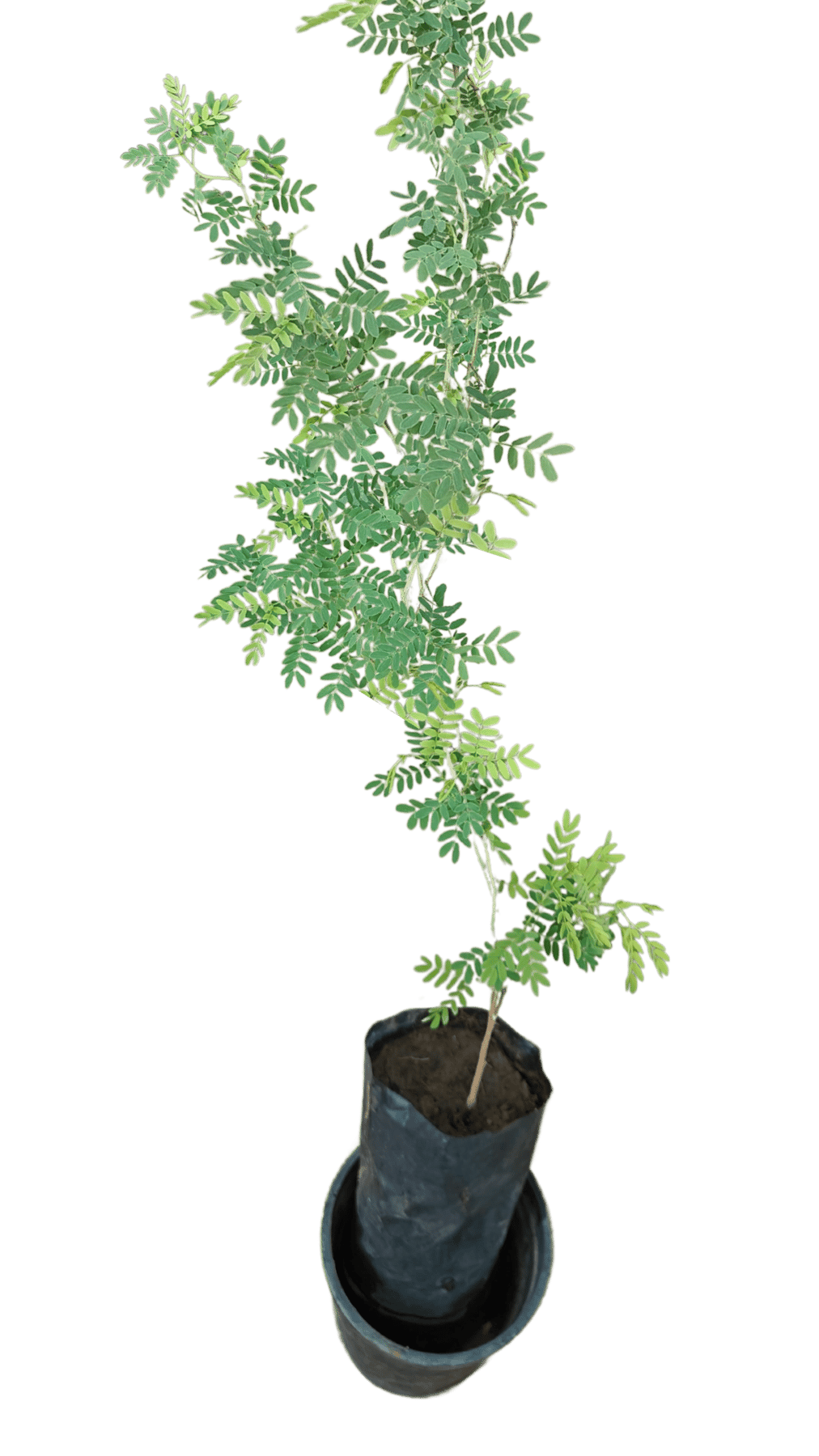
![Khejri Live Plant, ( Sangri wali Khejdi), Asli Shami Ka Ped, Prosopis Cineraria Plant , khejdi, khejari, Real Shami [RAJ GARDEN PLANTS]](https://www.paudhewale.com/s/660a356584d1ac2391ae69de/6a0b06c62aaff710c73daf98/project_20240512_2207356-01.png)
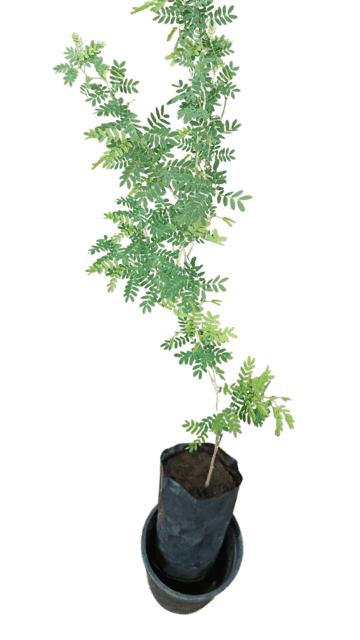
Introducing the ROOKHRAJ PAUDHSHALA, Asli Shami, Khejri Live Plant, also known as the Prosopis Cineraria Plant or Sangri wali Khejdi. This is real Shami Plant. This beautiful plant features vibrant green leaves and a sturdy trunk, making it a stunning addition to any garden or outdoor space. The Khejri plant is known for its drought-resistant properties and ability to thrive in arid conditions, making it a low-maintenance and sustainable choice for your garden. Bring a touch of nature into your home with this unique and versatile plant that not only adds beauty but also helps the environment. Get your ROOKHRAJ PAUDHSHALA Khejri Live Plant today and watch it flourish in your garden! The Khejri plant, scientifically known as Prosopis cineraria, is a drought-resistant and hardy tree native to arid and semi-arid regions of the Indian subcontinent. Khejri is a member of the Fabaceae family and plays a crucial role in arid ecosystems by preventing soil erosion and providing shade. It is well adapted to hot and dry climates, making it an ideal plant for regions with limited water availability. The Khejri tree has a distinctive appearance with small, feathery leaves and a spreading crown that provides ample shade. This tree has significant cultural and ecological importance, often referred to as the "Tree of Life" due to its ability to thrive in challenging environments. Khejri has numerous uses in traditional medicine, with various parts of the plant being used to treat ailments such as diarrhea, dysentery, and respiratory issues. The wood of the Khejri tree is strong and durable, making it valuable for construction, furniture, and fuelwood. Khejri has a symbiotic relationship with nitrogen-fixing bacteria in its root nodules, enhancing soil fertility and supporting nearby plant growth. The tree's flowers are a source of nectar for bees, contributing to honey production in arid areas. Khejri plays a role in promoting biodiversity by providing habitat for various insects, birds, and animals in its ecosystem. In India, the Khejri tree is associated with cultural festivals and traditions, symbolizing resilience and adaptation in challenging conditions. Efforts are being made to conserve and propagate the Khejri tree to restore degraded lands and support sustainable development in arid regions. Planting and nurturing Khejri trees can contribute to environmental conservation, soil improvement, and the preservation of traditional knowledge. The Khejri plant serves as a living example of how nature's resilience and adaptability can offer solutions for sustainable coexistence in harsh environments. Growing and Care Tips for Khejri Plant: Choosing a Location: Plant the Khejri tree in a well-draining and sunny location, as it thrives in arid and semi-arid climates. Ensure adequate spacing between trees to allow for proper growth and development. Soil Preparation: Khejri prefers sandy or sandy-loam soil with good drainage. Improve the soil's structure by adding organic matter like compost before planting. Planting: Plant Khejri saplings during the rainy season or in early spring for optimal growth. Dig a hole that is twice the size of the root ball and place the sapling, making sure it's at the same level as it was in the nursery container. Backfill the hole with soil, tamp it down gently, and water thoroughly. Watering: Provide regular watering during the initial establishment period (first year). Once established, reduce the frequency of watering, as Khejri is drought-tolerant and prefers to dry out between waterings. Mulching: Apply a layer of organic mulch around the base of the tree to conserve moisture, regulate soil temperature, and suppress weed growth. Pruning: Prune the Khejri tree to shape it and remove any dead, damaged, or crowded branches. Pruning can be done during the dormant season to encourage healthy growth. Fertilization: Khejri trees generally grow well in nutrient-poor soils, so avoid excessive fertilization. Apply a balanced, slow-release fertilizer in early spring if necessary. Protection from Extreme Conditions: Provide protection from strong winds and frost during the early stages of growth. Young saplings may benefit from temporary shade until they establish themselves. Pest and Disease Management: Khejri trees are relatively pest-resistant, but monitor for any signs of pests or diseases. Treat issues promptly using appropriate organic or chemical remedies. Support: Stake young saplings to provide stability and support until they develop strong root systems. Cultural Significance: Respect the cultural and ecological significance of the Khejri tree and its role in local traditions and ecosystems. Conservation and Restoration: Consider planting Khejri trees as part of land restoration projects in arid and degraded areas. Participate in community initiatives that aim to conserve and propagate Khejri for environmental sustainability. By following these growing and care tips, you can contribute to the preservation of the Khejri plant's unique characteristics and ecological importance while also enhancing the beauty and diversity of your landscape.
RKH-PDH-KHJ-LVChoose your location
Please provide your delivery pincode to see products available in your area
COD (Cash On Delivery) On request
🎁Gift Coupons: Share your unboxing video & receive an exclusive gift coupon as a thank-you!
Share here
🚫No Claims After Repotting: If a plant is transferred to another pot and gets damaged, no claims will be accepted. Re-potting is at your own risk.
📸Unboxing Video Required: To claim a refund or replacement for any product, you must share an uncut unboxing video upon receiving the item.
⏳Raise Claim Within 24 Hours: To be eligible for any refund/replacement, raise a claim within 24 hours of delivery.(For plants only, for other categories the claim window is 5 days)
| brand | Raj Garden Plants |
Introducing the ROOKHRAJ PAUDHSHALA, Asli Shami, Khejri Live Plant, also known as the Prosopis Cineraria Plant or Sangri wali Khejdi. This is real Shami Plant. This beautiful plant features vibrant green leaves and a sturdy trunk, making it a stunning addition to any garden or outdoor space. The Khejri plant is known for its drought-resistant properties and ability to thrive in arid conditions, making it a low-maintenance and sustainable choice for your garden. Bring a touch of nature into your home with this unique and versatile plant that not only adds beauty but also helps the environment. Get your ROOKHRAJ PAUDHSHALA Khejri Live Plant today and watch it flourish in your garden! The Khejri plant, scientifically known as Prosopis cineraria, is a drought-resistant and hardy tree native to arid and semi-arid regions of the Indian subcontinent. Khejri is a member of the Fabaceae family and plays a crucial role in arid ecosystems by preventing soil erosion and providing shade. It is well adapted to hot and dry climates, making it an ideal plant for regions with limited water availability. The Khejri tree has a distinctive appearance with small, feathery leaves and a spreading crown that provides ample shade. This tree has significant cultural and ecological importance, often referred to as the "Tree of Life" due to its ability to thrive in challenging environments. Khejri has numerous uses in traditional medicine, with various parts of the plant being used to treat ailments such as diarrhea, dysentery, and respiratory issues. The wood of the Khejri tree is strong and durable, making it valuable for construction, furniture, and fuelwood. Khejri has a symbiotic relationship with nitrogen-fixing bacteria in its root nodules, enhancing soil fertility and supporting nearby plant growth. The tree's flowers are a source of nectar for bees, contributing to honey production in arid areas. Khejri plays a role in promoting biodiversity by providing habitat for various insects, birds, and animals in its ecosystem. In India, the Khejri tree is associated with cultural festivals and traditions, symbolizing resilience and adaptation in challenging conditions. Efforts are being made to conserve and propagate the Khejri tree to restore degraded lands and support sustainable development in arid regions. Planting and nurturing Khejri trees can contribute to environmental conservation, soil improvement, and the preservation of traditional knowledge. The Khejri plant serves as a living example of how nature's resilience and adaptability can offer solutions for sustainable coexistence in harsh environments. Growing and Care Tips for Khejri Plant: Choosing a Location: Plant the Khejri tree in a well-draining and sunny location, as it thrives in arid and semi-arid climates. Ensure adequate spacing between trees to allow for proper growth and development. Soil Preparation: Khejri prefers sandy or sandy-loam soil with good drainage. Improve the soil's structure by adding organic matter like compost before planting. Planting: Plant Khejri saplings during the rainy season or in early spring for optimal growth. Dig a hole that is twice the size of the root ball and place the sapling, making sure it's at the same level as it was in the nursery container. Backfill the hole with soil, tamp it down gently, and water thoroughly. Watering: Provide regular watering during the initial establishment period (first year). Once established, reduce the frequency of watering, as Khejri is drought-tolerant and prefers to dry out between waterings. Mulching: Apply a layer of organic mulch around the base of the tree to conserve moisture, regulate soil temperature, and suppress weed growth. Pruning: Prune the Khejri tree to shape it and remove any dead, damaged, or crowded branches. Pruning can be done during the dormant season to encourage healthy growth. Fertilization: Khejri trees generally grow well in nutrient-poor soils, so avoid excessive fertilization. Apply a balanced, slow-release fertilizer in early spring if necessary. Protection from Extreme Conditions: Provide protection from strong winds and frost during the early stages of growth. Young saplings may benefit from temporary shade until they establish themselves. Pest and Disease Management: Khejri trees are relatively pest-resistant, but monitor for any signs of pests or diseases. Treat issues promptly using appropriate organic or chemical remedies. Support: Stake young saplings to provide stability and support until they develop strong root systems. Cultural Significance: Respect the cultural and ecological significance of the Khejri tree and its role in local traditions and ecosystems. Conservation and Restoration: Consider planting Khejri trees as part of land restoration projects in arid and degraded areas. Participate in community initiatives that aim to conserve and propagate Khejri for environmental sustainability. By following these growing and care tips, you can contribute to the preservation of the Khejri plant's unique characteristics and ecological importance while also enhancing the beauty and diversity of your landscape.
Products listed on Paudhewale.com are provided by individual sellers. We recommend referring to the product label before use. Paudhewale.com is not liable for any loss arising from misuse of products sold on our platform.