
![Nagfani, NagphaniCactus Plant, Prickly Pear Plant, Opuntia, Opuntia ovata [RAJ GARDEN PLANTS]](https://www.paudhewale.com/s/660a356584d1ac2391ae69de/6a0b07d7affb47165e7b600d/61pzmqwqryl-_sl1224_-640x640.jpg "Nagfani, NagphaniCactus Plant, Prickly Pear Plant, Opuntia, Opuntia ovata [RAJ GARDEN PLANTS]")
₹506₹309
![Kaner Yellow Flower Plant , Indian oleander , Nerium indicum Live Plant [RAJ GARDEN PLANTS]](https://www.paudhewale.com/s/660a356584d1ac2391ae69de/6a0b0976affb47165e7b7237/kanerpercent20yellow-640x640.jpg "Kaner Yellow Flower Plant , Indian oleander , Nerium indicum Live Plant [RAJ GARDEN PLANTS]")
₹1,001₹258
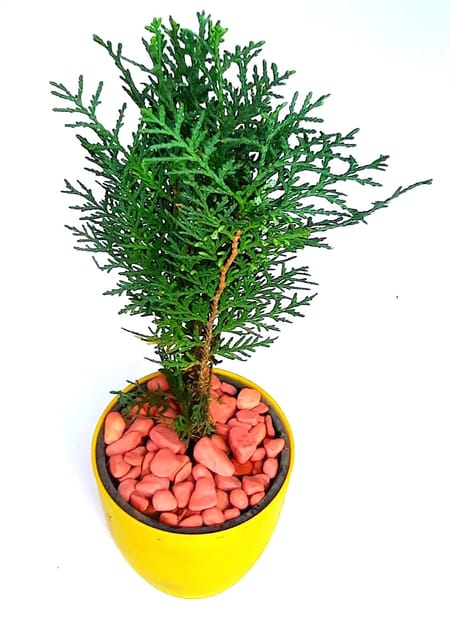
![Goodlook Indoor Airpurification Goodluck Vidya Plant, Morpankhi Plant ,Thuja Orientalis Indoor Live Plants [RAJ GARDEN PLANTS]](https://www.paudhewale.com/s/660a356584d1ac2391ae69de/6a0b080a921035dc2b8bc1ac/thuja.jpg)
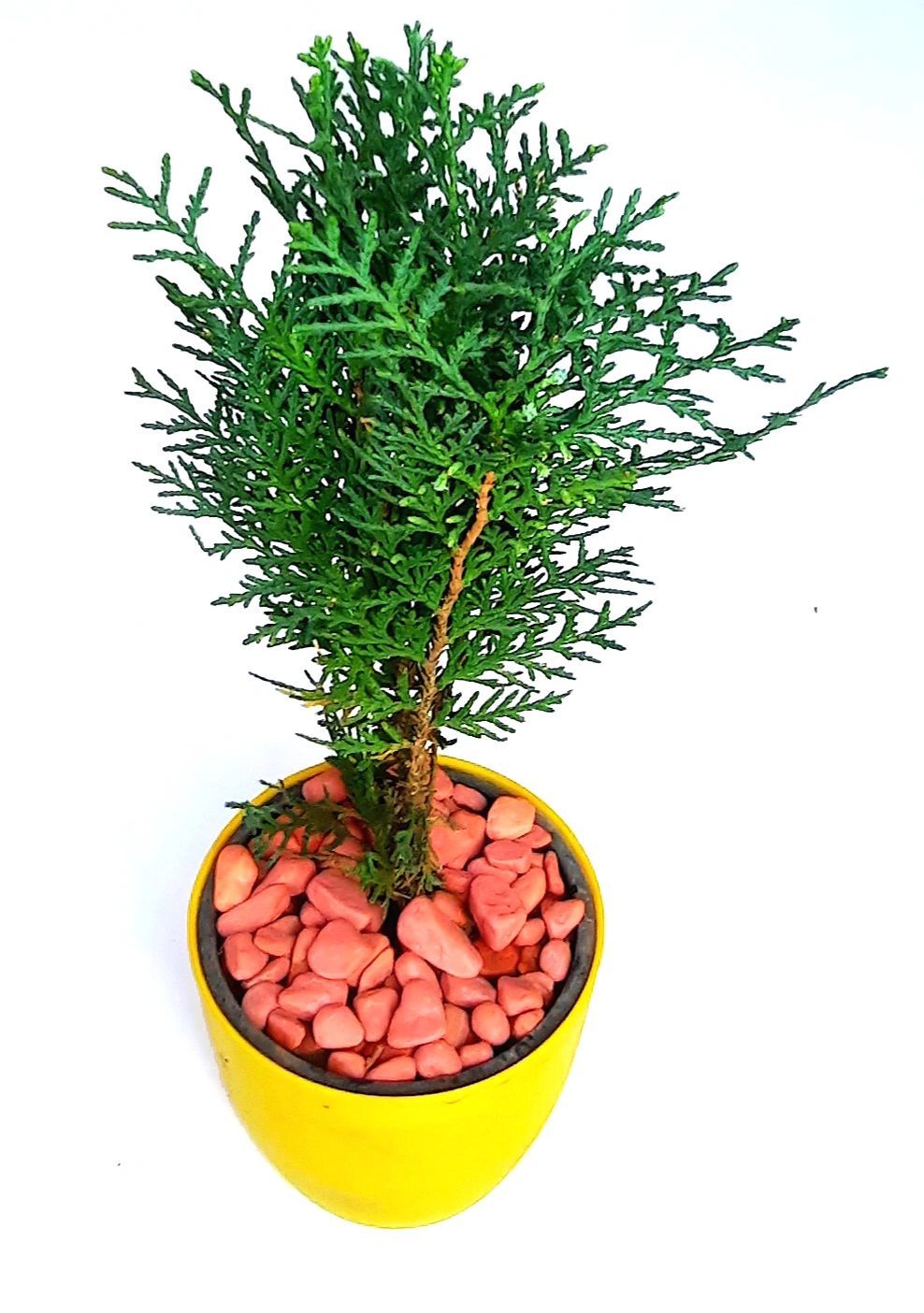
This is ROOKHRAJ PAUDHSHALA Goodlook Indoor Airpurification Goodluck Vidya Plant, Morpankhi Plant ,Thuja Orientalis Indoor Live Plants here are some bullet points highlighting key aspects of the Thuja orientalis live plant: Botanical Name : Thuja orientalis Common Names : Oriental Arborvitae, Biota, Platycladus orientalis Family : Cupressaceae Origin : Native to East Asia, including China, Korea, and Japan Appearance : Evergreen coniferous tree or shrub Pyramidal or conical shape with dense foliage Scale-like leaves arranged in flattened sprays Small, woody cones Cultural Uses : Important tree in traditional East Asian gardens and landscapes Symbolic and aesthetic significance in Asian cultures Garden and Landscape : Ornamental tree for hedges, privacy screens, and windbreaks Tolerates pruning and shaping well Provides year-round greenery and visual interest Varieties : Various cultivars available with different sizes, colors, and growth habits 'Aurea Nana': Dwarf variety with yellow-green foliage 'Rosedalis': Compact, rounded form with red-toned foliage Growing Conditions : Thrives in full sun to partial shade Well-draining soil is essential to prevent waterlogging Drought-tolerant once established Watering : Water regularly during the first growing season to establish roots Once established, water during dry periods or when the soil feels dry Fertilization : Fertilize in early spring with a balanced, slow-release fertilizer Avoid excessive fertilization, which can lead to excessive growth Pruning : Prune to maintain desired shape and size Lightly shear for formal hedges or let it grow more naturally Pest and Disease Resistance : Generally resistant to pests and diseases Watch for spider mites or aphids and treat as needed Container Gardening : Suitable for large containers or pots on patios and decks Ensure good drainage and use a quality potting mix Landscaping Tips : Plant Thuja orientalis in groups for a striking visual impact Use as a focal point, windbreak, or backdrop in the landscape Propagation : Propagate through seeds or cuttings Softwood cuttings taken in late spring or early summer tend to root well Caution : While the foliage is aromatic, some people may be sensitive to the scent Avoid planting near sensitive areas if the aroma is a concern As with any plant, it's important to research and understand its specific care requirements, growth habits, and potential uses before incorporating it into your garden or landscape design. Growing & Care Tips Growing and caring for Thuja orientalis, commonly known as Oriental Arborvitae or Biota, can add a touch of elegance and greenery to your garden or landscape. Here are some tips to help you cultivate and maintain a thriving Thuja orientalis plant: 1. Site Selection: Choose a planting location that receives full sun to partial shade. Thuja orientalis can tolerate some shade but prefers sunlight for optimal growth. 2. Soil Preparation: Plant in well-draining soil that is rich in organic matter. Amend heavy clay soils with compost to improve drainage. 3. Planting: Plant in spring or fall, when the weather is cooler and the plant can establish its roots. Space the plants according to their mature size, usually 3 to 6 feet apart, depending on the specific variety. 4. Watering: Water deeply after planting to help the roots settle in. Then, water regularly during the first growing season to establish a strong root system. Once established, water the plant during dry periods, providing about 1 inch of water per week. 5. Mulching: Apply a layer of organic mulch around the base of the plant to help retain soil moisture, regulate temperature, and suppress weeds. 6. Fertilization: Fertilize in early spring with a balanced, slow-release fertilizer formulated for evergreen plants. Avoid excessive fertilization, which can lead to excessive growth that may be susceptible to winter damage. 7. Pruning: Prune to shape and maintain the desired size. Thuja orientalis responds well to pruning. Lightly shear for formal hedges or allow it to grow more naturally for a relaxed look. 8. Pest and Disease Management: Thuja orientalis is generally resistant to pests and diseases. However, keep an eye out for spider mites or aphids, especially in hot and dry conditions. Regularly inspect the plant and treat any issues promptly with appropriate measures. 9. Winter Care: Water the plant adequately in late fall to ensure it goes into winter well-hydrated. Avoid heavy pruning in late fall, as new growth may be susceptible to winter damage. 10. Container Gardening: Thuja orientalis can be grown in containers on patios and decks. Choose a large container with drainage holes and use a high-quality potting mix. 11. Landscaping Tips: Plant Thuja orientalis as a focal point, windbreak, privacy screen, or backdrop in your garden or landscape. Consider grouping multiple plants for a more impactful visual effect. 12. Propagation: Propagate Thuja orientalis through softwood cuttings taken in late spring or early summer. Dip cuttings in rooting hormone and plant them in a well-draining rooting medium. 13. Caution: Some individuals may be sensitive to the aroma of Thuja foliage, so consider this when selecting planting locations. Remember that each plant has its unique requirements and may respond differently to its environment. Regular observation and attentive care will contribute to the health and vitality of your Thuja orientalis plant. · One Small Bunch of TThuja Orientalis Indoor Live Plants 6 to 8 inch height · Round Shape Fancy Plastic pot In size of 4.5” *4” *4 In ch size · Decorative Pebbles and Marble Soil Included 50 Grams · Vermiculite 50 Gram, Compost 50 Gram Included · Assembling Required – Yes · Placement type – Indoor , Table Top, Show case, Gallery · Watering - Moderate watering, Maintain Moisture · Care Instructions- Avoid over watering, Ensure drainage properly time to time, Use Fungicide once in 3 months to prevent Fungal Infection.
GDL-VDY-PLN-MRPChoose your location
Please provide your delivery pincode to see products available in your area
COD (Cash On Delivery) On request
🎁Gift Coupons: Share your unboxing video & receive an exclusive gift coupon as a thank-you!
Share here
🚫No Claims After Repotting: If a plant is transferred to another pot and gets damaged, no claims will be accepted. Re-potting is at your own risk.
📸Unboxing Video Required: To claim a refund or replacement for any product, you must share an uncut unboxing video upon receiving the item.
⏳Raise Claim Within 24 Hours: To be eligible for any refund/replacement, raise a claim within 24 hours of delivery.(For plants only, for other categories the claim window is 5 days)
| brand | Raj Garden Plants |
This is ROOKHRAJ PAUDHSHALA Goodlook Indoor Airpurification Goodluck Vidya Plant, Morpankhi Plant ,Thuja Orientalis Indoor Live Plants here are some bullet points highlighting key aspects of the Thuja orientalis live plant: Botanical Name : Thuja orientalis Common Names : Oriental Arborvitae, Biota, Platycladus orientalis Family : Cupressaceae Origin : Native to East Asia, including China, Korea, and Japan Appearance : Evergreen coniferous tree or shrub Pyramidal or conical shape with dense foliage Scale-like leaves arranged in flattened sprays Small, woody cones Cultural Uses : Important tree in traditional East Asian gardens and landscapes Symbolic and aesthetic significance in Asian cultures Garden and Landscape : Ornamental tree for hedges, privacy screens, and windbreaks Tolerates pruning and shaping well Provides year-round greenery and visual interest Varieties : Various cultivars available with different sizes, colors, and growth habits 'Aurea Nana': Dwarf variety with yellow-green foliage 'Rosedalis': Compact, rounded form with red-toned foliage Growing Conditions : Thrives in full sun to partial shade Well-draining soil is essential to prevent waterlogging Drought-tolerant once established Watering : Water regularly during the first growing season to establish roots Once established, water during dry periods or when the soil feels dry Fertilization : Fertilize in early spring with a balanced, slow-release fertilizer Avoid excessive fertilization, which can lead to excessive growth Pruning : Prune to maintain desired shape and size Lightly shear for formal hedges or let it grow more naturally Pest and Disease Resistance : Generally resistant to pests and diseases Watch for spider mites or aphids and treat as needed Container Gardening : Suitable for large containers or pots on patios and decks Ensure good drainage and use a quality potting mix Landscaping Tips : Plant Thuja orientalis in groups for a striking visual impact Use as a focal point, windbreak, or backdrop in the landscape Propagation : Propagate through seeds or cuttings Softwood cuttings taken in late spring or early summer tend to root well Caution : While the foliage is aromatic, some people may be sensitive to the scent Avoid planting near sensitive areas if the aroma is a concern As with any plant, it's important to research and understand its specific care requirements, growth habits, and potential uses before incorporating it into your garden or landscape design. Growing & Care Tips Growing and caring for Thuja orientalis, commonly known as Oriental Arborvitae or Biota, can add a touch of elegance and greenery to your garden or landscape. Here are some tips to help you cultivate and maintain a thriving Thuja orientalis plant: 1. Site Selection: Choose a planting location that receives full sun to partial shade. Thuja orientalis can tolerate some shade but prefers sunlight for optimal growth. 2. Soil Preparation: Plant in well-draining soil that is rich in organic matter. Amend heavy clay soils with compost to improve drainage. 3. Planting: Plant in spring or fall, when the weather is cooler and the plant can establish its roots. Space the plants according to their mature size, usually 3 to 6 feet apart, depending on the specific variety. 4. Watering: Water deeply after planting to help the roots settle in. Then, water regularly during the first growing season to establish a strong root system. Once established, water the plant during dry periods, providing about 1 inch of water per week. 5. Mulching: Apply a layer of organic mulch around the base of the plant to help retain soil moisture, regulate temperature, and suppress weeds. 6. Fertilization: Fertilize in early spring with a balanced, slow-release fertilizer formulated for evergreen plants. Avoid excessive fertilization, which can lead to excessive growth that may be susceptible to winter damage. 7. Pruning: Prune to shape and maintain the desired size. Thuja orientalis responds well to pruning. Lightly shear for formal hedges or allow it to grow more naturally for a relaxed look. 8. Pest and Disease Management: Thuja orientalis is generally resistant to pests and diseases. However, keep an eye out for spider mites or aphids, especially in hot and dry conditions. Regularly inspect the plant and treat any issues promptly with appropriate measures. 9. Winter Care: Water the plant adequately in late fall to ensure it goes into winter well-hydrated. Avoid heavy pruning in late fall, as new growth may be susceptible to winter damage. 10. Container Gardening: Thuja orientalis can be grown in containers on patios and decks. Choose a large container with drainage holes and use a high-quality potting mix. 11. Landscaping Tips: Plant Thuja orientalis as a focal point, windbreak, privacy screen, or backdrop in your garden or landscape. Consider grouping multiple plants for a more impactful visual effect. 12. Propagation: Propagate Thuja orientalis through softwood cuttings taken in late spring or early summer. Dip cuttings in rooting hormone and plant them in a well-draining rooting medium. 13. Caution: Some individuals may be sensitive to the aroma of Thuja foliage, so consider this when selecting planting locations. Remember that each plant has its unique requirements and may respond differently to its environment. Regular observation and attentive care will contribute to the health and vitality of your Thuja orientalis plant. · One Small Bunch of TThuja Orientalis Indoor Live Plants 6 to 8 inch height · Round Shape Fancy Plastic pot In size of 4.5” *4” *4 In ch size · Decorative Pebbles and Marble Soil Included 50 Grams · Vermiculite 50 Gram, Compost 50 Gram Included · Assembling Required – Yes · Placement type – Indoor , Table Top, Show case, Gallery · Watering - Moderate watering, Maintain Moisture · Care Instructions- Avoid over watering, Ensure drainage properly time to time, Use Fungicide once in 3 months to prevent Fungal Infection.
Products listed on Paudhewale.com are provided by individual sellers. We recommend referring to the product label before use. Paudhewale.com is not liable for any loss arising from misuse of products sold on our platform.