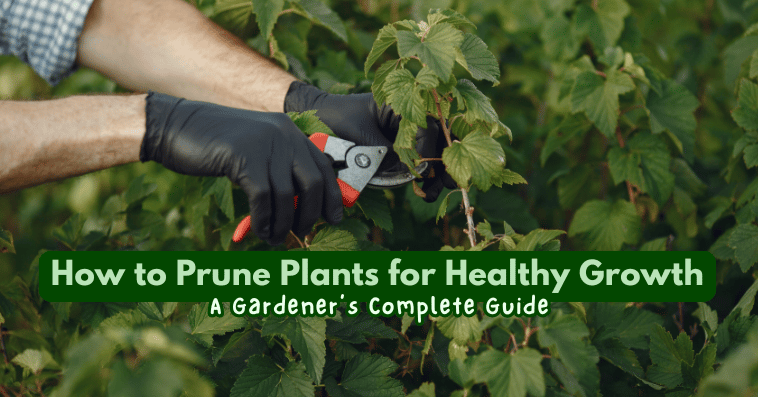


If you’re passionate about plants, you’ve probably heard of pruning — but are you doing it right? Whether you're caring for ornamental plants, fruit trees, or vegetables, knowing how to prune plants for healthy growth is essential. Pruning not only shapes your plant but encourages new growth, prevents disease, and improves flower and fruit production.
In this guide, we’ll take you through why pruning is important, when to prune, how to prune correctly, and common pruning mistakes to avoid. Stick around till the end to know where you can buy the best plants and pruning tools online — only at PaudheWale.
What is Pruning?
Pruning is the selective removal of parts of a plant, such as branches, buds, or roots. The goal is to eliminate dead, damaged, or diseased plant parts, encourage healthy growth, control shape and size, and improve air circulation and sunlight penetration.
Think of pruning as giving your plant a much-needed haircut. A well-pruned plant is not only more attractive but also far more productive.
Why is Pruning Important for Plant Health?
Here are some of the main benefits of pruning:
🌱 Encourages New Growth: Removing old branches allows the plant to redirect energy into producing fresh, healthy shoots.
🍎 Boosts Fruit and Flower Yield: Pruning flowering or fruit-bearing plants can increase productivity.
🌬️ Improves Air Circulation: Pruning reduces overcrowding, minimizing the risk of fungal infections and pests.
🌿 Shapes the Plant: Helps maintain the aesthetic of your indoor or outdoor garden.
🛡️ Removes Diseased Parts: Prevents the spread of infections and diseases.
When to Prune: Timing is Key
Pruning at the right time is crucial to avoid damaging the plant. Here's a basic timeline:
Spring: Best for most plants, especially after the last frost.
Summer: Ideal for shaping and removing spent blooms (deadheading).
Fall: Light pruning is okay, but avoid heavy cutting.
Winter: For dormant plants like roses and deciduous trees.
Pro tip: Always check your plant type. For example, bougainvillea thrives with post-bloom pruning, while hibiscus does better with regular shaping.
Tools You Need for Pruning Plants
Before you start, gather the right tools. Using blunt or dirty tools can harm your plants more than help them.
Essential Pruning Tools:
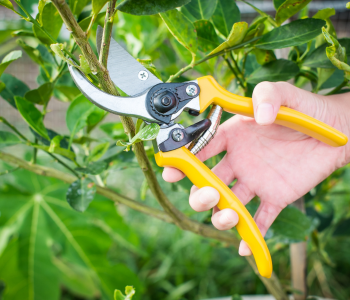
✂️ Bypass Pruners: For soft stems and green wood
✂️ Loppers: For thicker branches
🪓 Pruning Saw: For mature trees and woody stems
🧤 Gardening Gloves: To protect your hands
💧 Disinfectant: Clean tools before and after to prevent disease spread
You can buy all these quality pruning tools online from trusted platforms like PaudheWale.
How to Prune Plants the Right Way
Follow these step-by-step pruning techniques for optimal plant health and growth:
1. Identify What Needs Pruning
Start by looking for:
Dead or dry branches
Diseased or infested stems
Crossing or rubbing branches
Overgrown shoots or suckers
Yellowing leaves
2. Make the Right Cut
Angle: Cut at a 45-degree angle above a node (the place where a leaf or bud is growing).
Distance: Leave about ¼ inch above the node.
Direction: Make the cut facing away from the center of the plant to encourage outward growth.
3. Cut Clean and Sharp
Avoid tearing the stem. Use sharp tools for a clean slice that heals faster and lowers the risk of disease.
4. Prune in Stages
If the plant hasn’t been pruned for a long time, don’t remove everything at once. Prune gradually over weeks to avoid shocking the plant.
Pruning Tips for Specific Plant Types
🌸 Flowering Plants
Roses: Prune in late winter or early spring before new growth.
Hibiscus: Trim after flowering to encourage bushier growth.
Bougainvillea: Light pruning after each blooming cycle.
🪴 Indoor Plants
Pothos, Monstera, Spider Plant: Remove yellow leaves and leggy growth. Use clean scissors.
Succulents: Rarely need pruning. Just snip off dried leaves at the base.
🥬 Vegetables
Tomatoes: Remove side shoots (suckers) for better fruit yield.
Peppers and Eggplants: Lightly prune to encourage airflow and production.
🌳 Fruit Trees
Prune during dormancy (late winter) for structure and fruit-bearing potential.
Remove inward-facing branches and thin out crowded areas.
Common Pruning Mistakes to Avoid
Avoid these common gardening mistakes that could harm your plants:
❌ Over-pruning: Too much pruning can shock the plant.
❌ Pruning at the wrong time: Can delay or reduce flowering and fruiting.
❌ Using dirty tools: Spreads infections.
❌ Flat cuts: Always cut at an angle to allow water runoff.
❌ Ignoring aftercare: Always water and mulch after pruning.
Post-Pruning Care
After pruning, your plant may feel stressed. Here’s how to help:
💧 Water thoroughly, but avoid overwatering.
🌞 Provide optimal light based on the plant type.
🪵 Apply mulch to retain moisture.
🧪 Use mild fertilizers a week after pruning to boost regrowth.
This aftercare helps the plant recover quickly and resume healthy development.
Why Pruning is Essential in Indian Climate Gardening
In a country like India, with its diverse climate — from the humid coasts to arid interiors — pruning helps plants adapt and remain resilient. Seasonal pruning keeps your garden healthy year-round, whether you have a terrace garden in Mumbai or a kitchen garden in Delhi.
It’s also vital for urban gardeners dealing with limited space. A well-pruned plant takes up less room and produces better results.
Ready to Prune Like a Pro?
Now that you know how to prune plants correctly, it’s time to take action. Don’t let your garden become wild and unproductive. Pruning can transform your green space into a lush, thriving garden that rewards you with more flowers, tastier fruits, and longer plant life.
Looking for pruning tools, organic fertilizers, or healthy plants to start your journey?
🌿 Buy It All from PaudheWale 🌿
From premium pruning shears to lush live plants, PaudheWale offers everything you need for a thriving garden. Shop online for:
Indoor & outdoor plants
Pruning tools & garden kits
Organic soil & fertilizers
Sustainable planters
👉 Visit PaudheWale today and take the first step towards a healthier, greener garden!