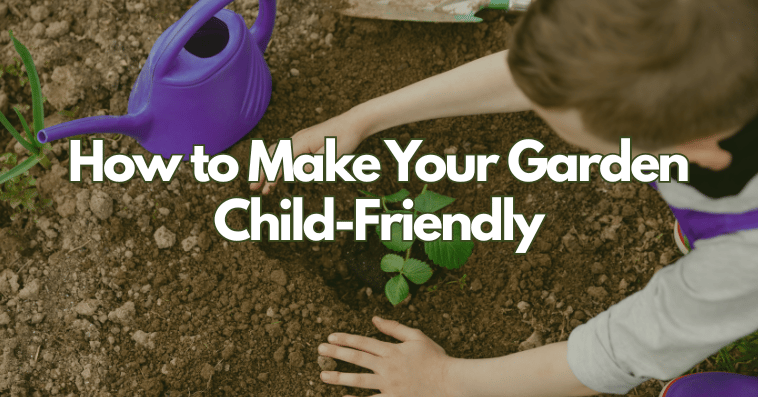


Gardening isn’t just for adults — children love exploring the outdoors, digging in the soil, and watching plants grow. A garden can be the perfect playground, classroom, and imagination zone for kids. But to make the most of it, your garden should be safe, engaging, and stimulating for little ones.
If you're wondering how to make your garden child-friendly, this blog is your complete guide. We'll explore design ideas, safety tips, fun activities, and how to choose the right plants and tools to encourage creativity and learning—all while keeping the space secure. Whether you're a parent, teacher, or a gardening enthusiast, creating a child-friendly garden will bring joy and greenery to young lives.
Why Create a Child-Friendly Garden?
🌿 Encourages outdoor play
🌿 Boosts creativity and imagination
🌿 Teaches responsibility and love for nature
🌿 Promotes healthy physical activity
🌿 Provides a screen-free environment
A garden is more than a plot of soil — it's a place where memories grow. So let’s dive into how you can transform your garden into a safe haven for your children.
1. Design a Safe Layout
Safety is the top priority when designing a child-friendly garden. Here’s how to make your space secure:
✅ Install Fencing or Borders
Create clear boundaries with child-safe fences or hedges to keep kids from wandering off or into areas like roads or water bodies.
✅ Use Non-Toxic, Soft Materials
Avoid sharp stones or metal decor. Opt for rubber mulch, smooth-edged furniture, and non-toxic paints.
✅ Cover Water Features
Ponds and fountains should be covered or fenced off to prevent accidental falls.
✅ Shade is Essential
Install umbrellas, pergolas, or plant large leafy trees to protect kids from sunburn while they play outdoors.
2. Choose Child-Safe Plants
Some garden plants are surprisingly toxic to touch or eat. Make sure to select plants that are safe, colorful, and low-maintenance.
🌸 Best Plants for Child-Friendly Gardens:
Sunflowers – Fun to grow and non-toxic
Marigolds – Easy and vibrant
Mint – Smells great and safe to nibble
Lavender – Calming and bug-repellent
Strawberries – Fun to harvest and eat
Snapdragons & Nasturtiums – Bright and non-toxic
❌ Plants to Avoid:
Oleander
Foxglove
Daffodils (bulbs are toxic)
Castor bean
Angel’s trumpet
Tip: Label your plants and teach children what's safe and what's not.
3. Create Interactive Zones
Kids love hands-on learning! Design sections of your garden where they can interact, experiment, and play.
🧺 Mud Kitchen
Set up a corner with old utensils, buckets, and a basin for sensory mud play.
🛤️ Mini Garden Beds
Give your child a small raised bed to plant and care for “their own garden.”
🐞 Bug Hotel or Worm Farm
Introduce them to garden critters with a DIY bug hotel or compost bin.
🎨 Nature Art Station
Provide natural materials like leaves, pebbles, and twigs for kids to create eco-art.
4. Encourage Edible Gardening
Nothing is more satisfying for a child than eating something they grew themselves! Start with:
Cherry tomatoes
Carrots
Radishes
Lettuce
Basil and parsley
These plants are easy to grow, have a short harvesting period, and keep kids interested.
Tip: Use colorful pots and label plants with their names and fun facts.
5. Add Kid-Friendly Furniture & Decor
Make your garden inviting with furniture and decor designed for kids.
Miniature benches or picnic tables
Fairy lights or solar-powered lanterns
Garden windmills and gnomes
Chalkboard walls or stepping stones for games
Tents or teepees for shade and quiet time
Let your child participate in decorating the space to make it feel like their own magical garden!
6. Include Play Elements
Blend play with nature by adding simple outdoor play features that encourage movement and fun:
Sandpit or pebble pit
Tree stumps for climbing or seating
Swing set or tire swing
Obstacle courses made with logs and rope
Balance beams or hopscotch paths
Ensure all equipment is age-appropriate and securely installed.
7. Garden Activities Kids Will Love
Looking for ways to keep your child engaged in the garden? Try these:
🌱 Seed Starting
Let them sow fast-germinating seeds like beans or sunflower.
🎨 Painted Pots
Get creative with pot painting and plant labeling.
🧩 Scavenger Hunts
Design nature-based scavenger hunts—find a red leaf, spot a butterfly, count 3 different flowers.
🧺 Harvest Picnics
Have mini picnics with homegrown snacks like cherry tomatoes and mint lemonade.
8. Teach Gardening Basics in Fun Ways
A child-friendly garden is also a fantastic learning space. Teach them:
How to water plants properly
The role of earthworms and pollinators
What parts of a plant we eat
Why we compost and recycle
Use colorful books, posters, and DIY experiments to make gardening educational and exciting.
9. Maintain Hygiene and Garden Safety
Teaching responsibility also means maintaining hygiene:
Always wash hands after gardening
Store sharp tools out of reach
Use child-safe gardening gloves and tools
Check for thorns or allergies before introducing new plants
10. Make Gardening a Family Affair
Children imitate adults. When they see you enjoying gardening, they’ll follow along. Make it a family bonding activity by:
Assigning garden tasks based on age
Having regular “garden days”
Encouraging creativity and praise their efforts
Taking photos of their garden for a scrapbook
Where to Buy Child-Friendly Gardening Tools and Plants?
To create the perfect kid-friendly garden, you’ll need the right supplies—safe, colorful, and effective. At PaudheWale, you’ll find:
✅ Non-toxic plants perfect for children
✅ Colorful planters and raised beds
✅ Kid-sized gardening tools
✅ DIY seed kits and herb gardens
✅ Decorative garden accessories for kids
🌼 Explore a range of child-safe plants, creative garden kits, and more — only at PaudheWale. Start your family’s garden journey today!
👉 Visit PaudheWale and let your child grow with nature.