


🌟 Star Fruit (Carambola) Plant in Guwahati – Complete Care, Growing Guide, and Benefits
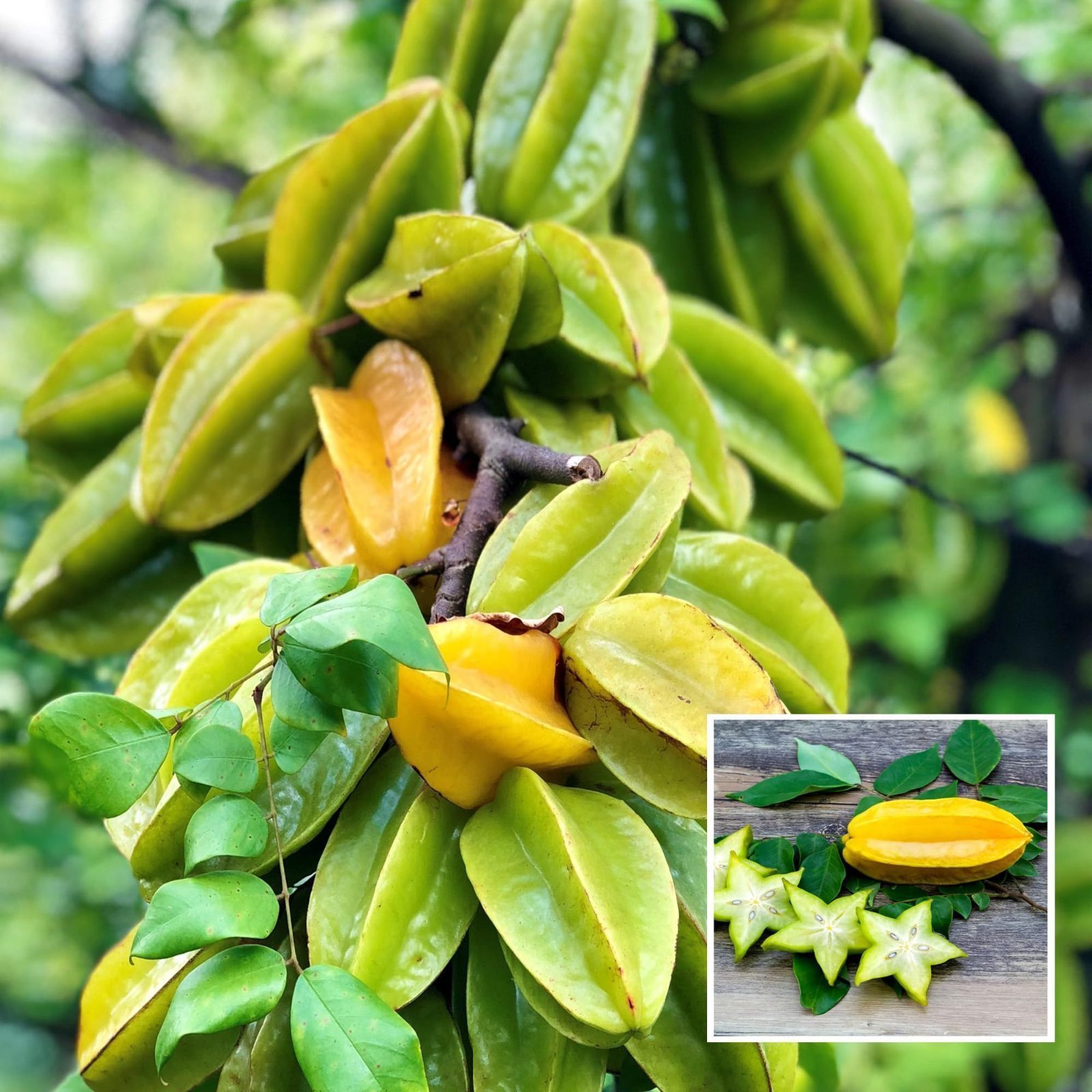
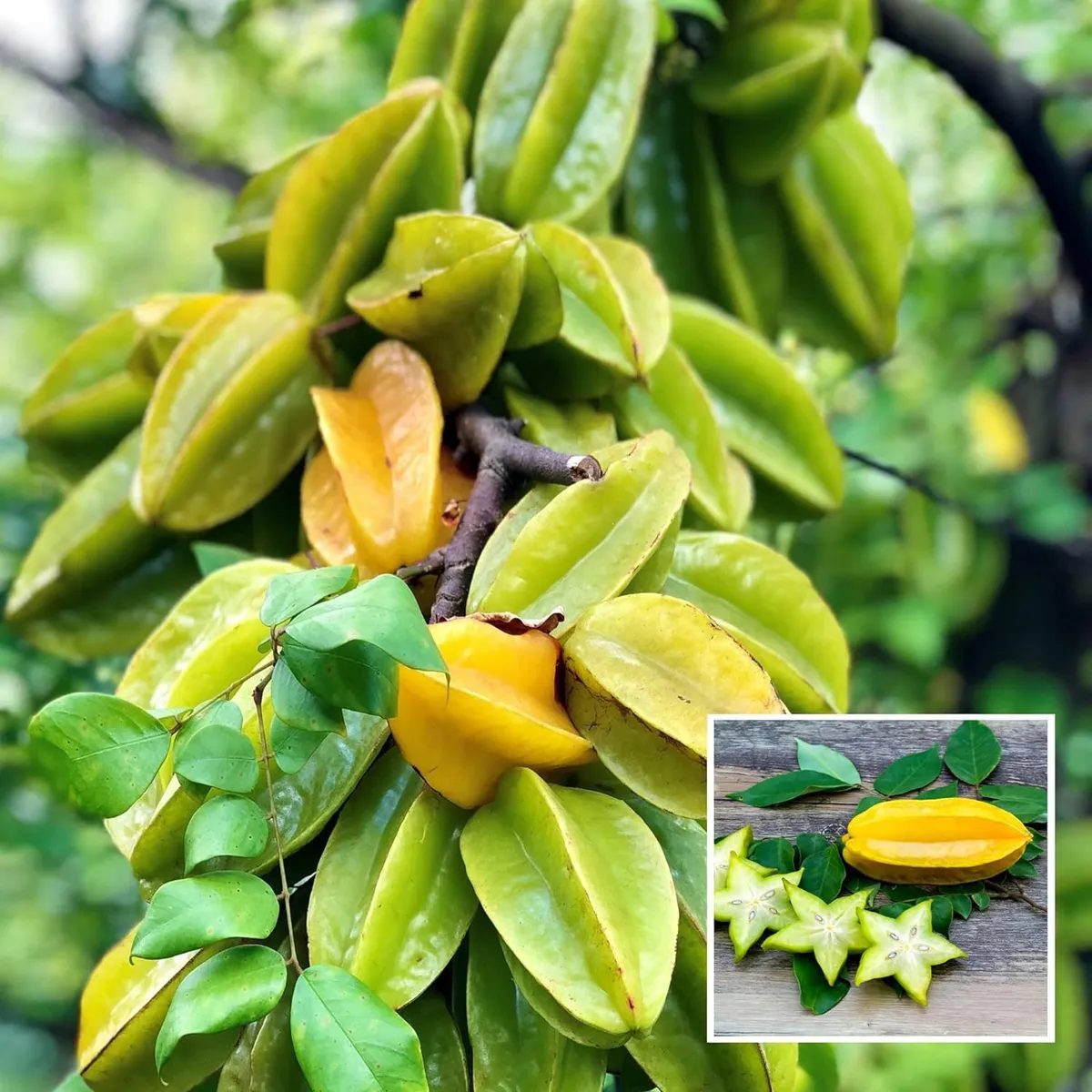
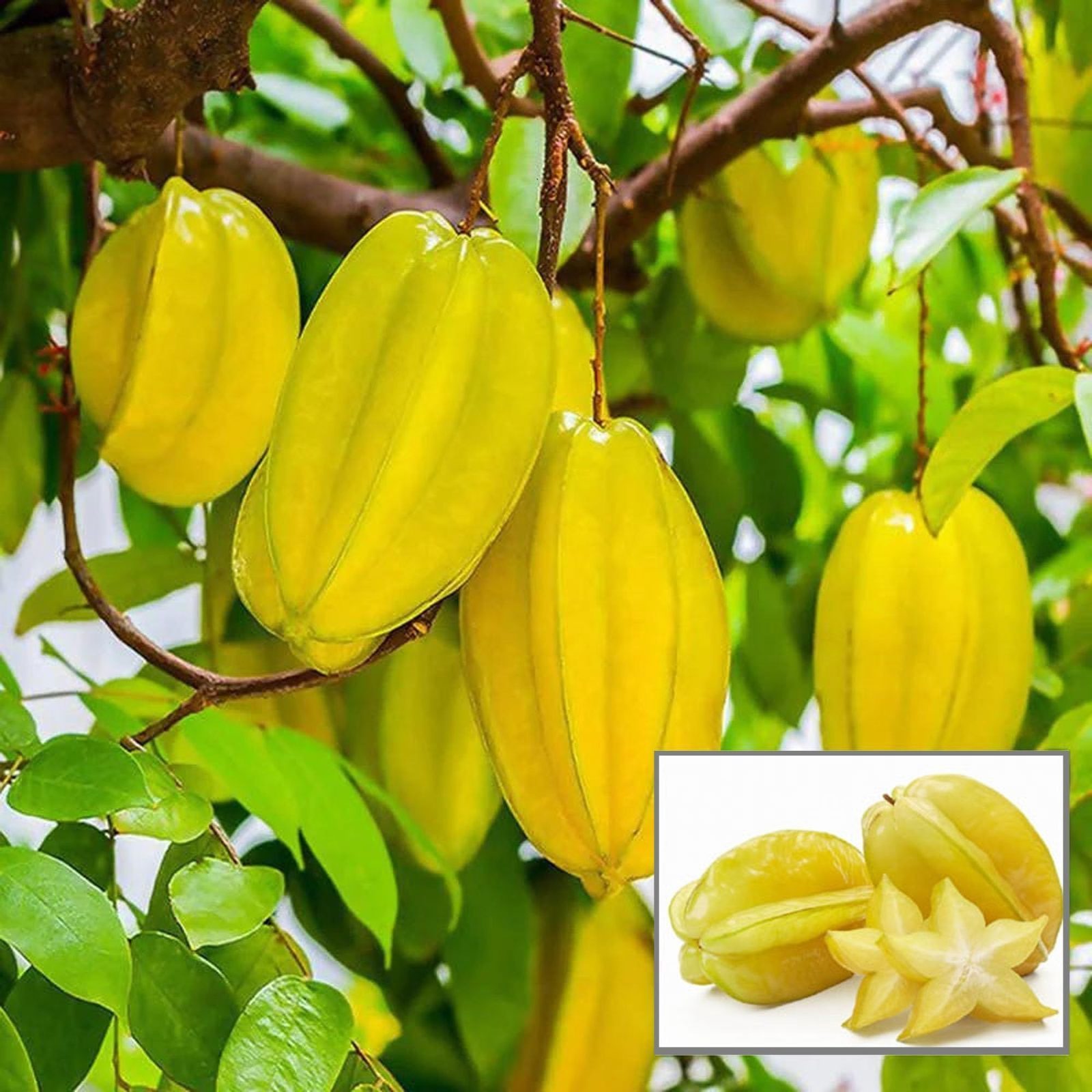
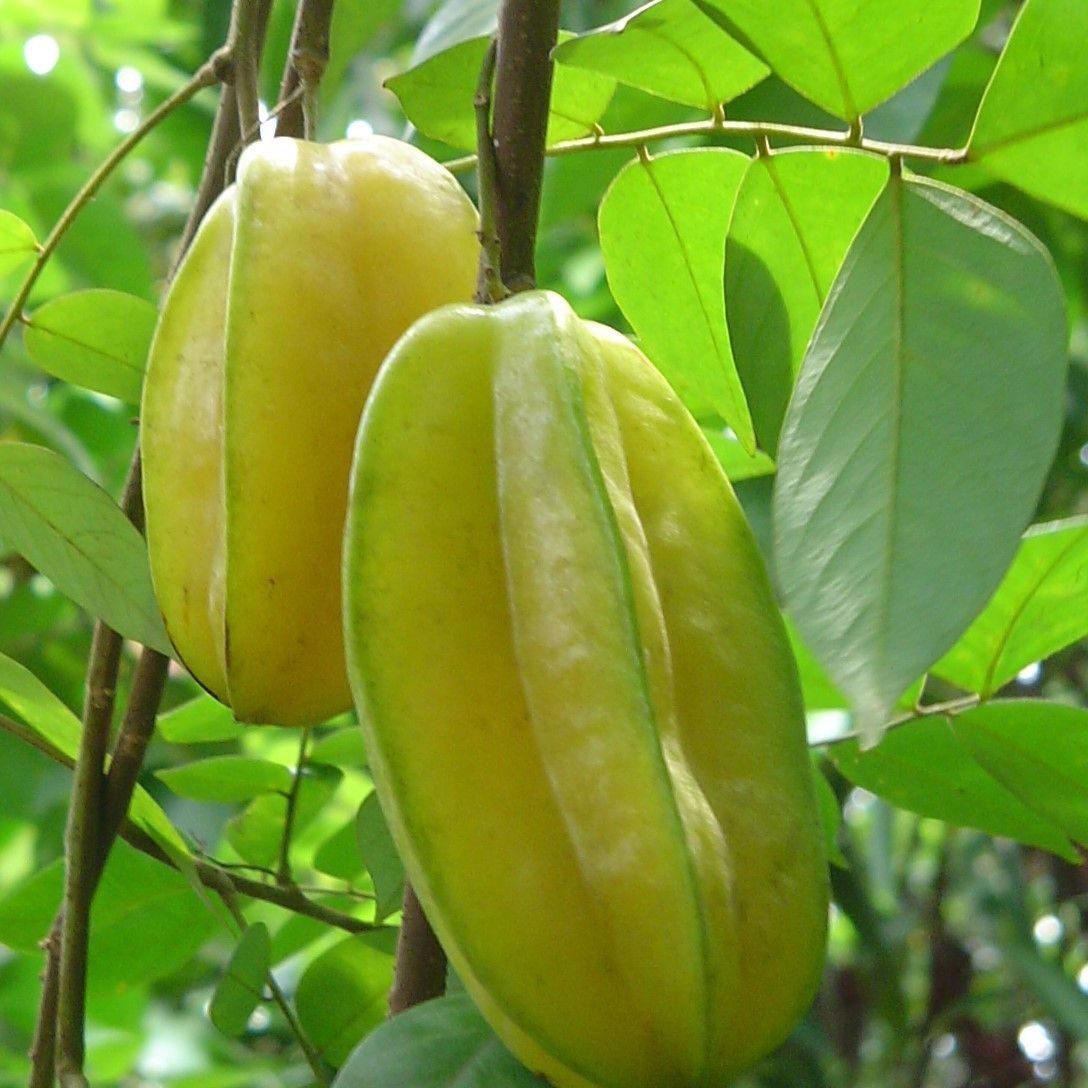
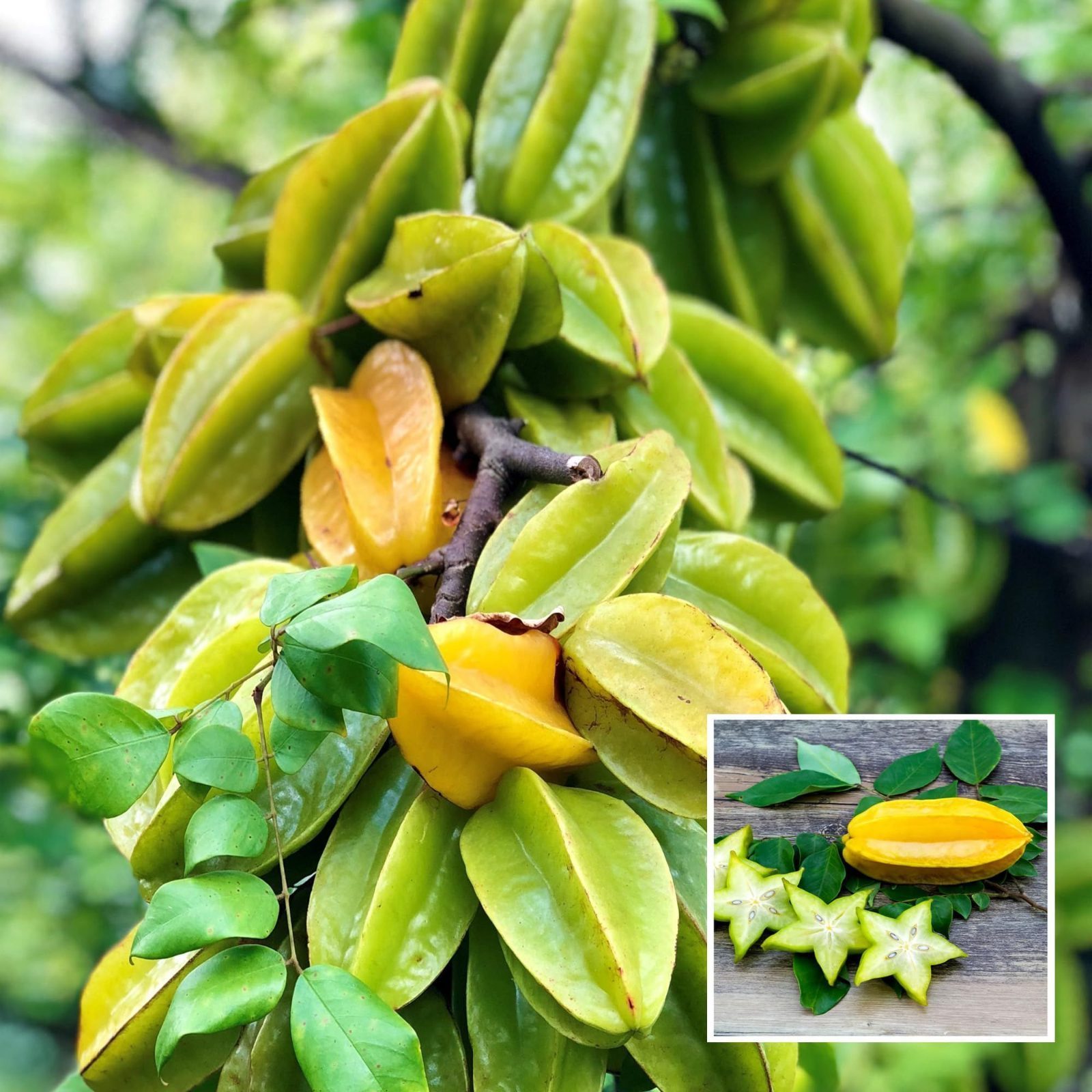
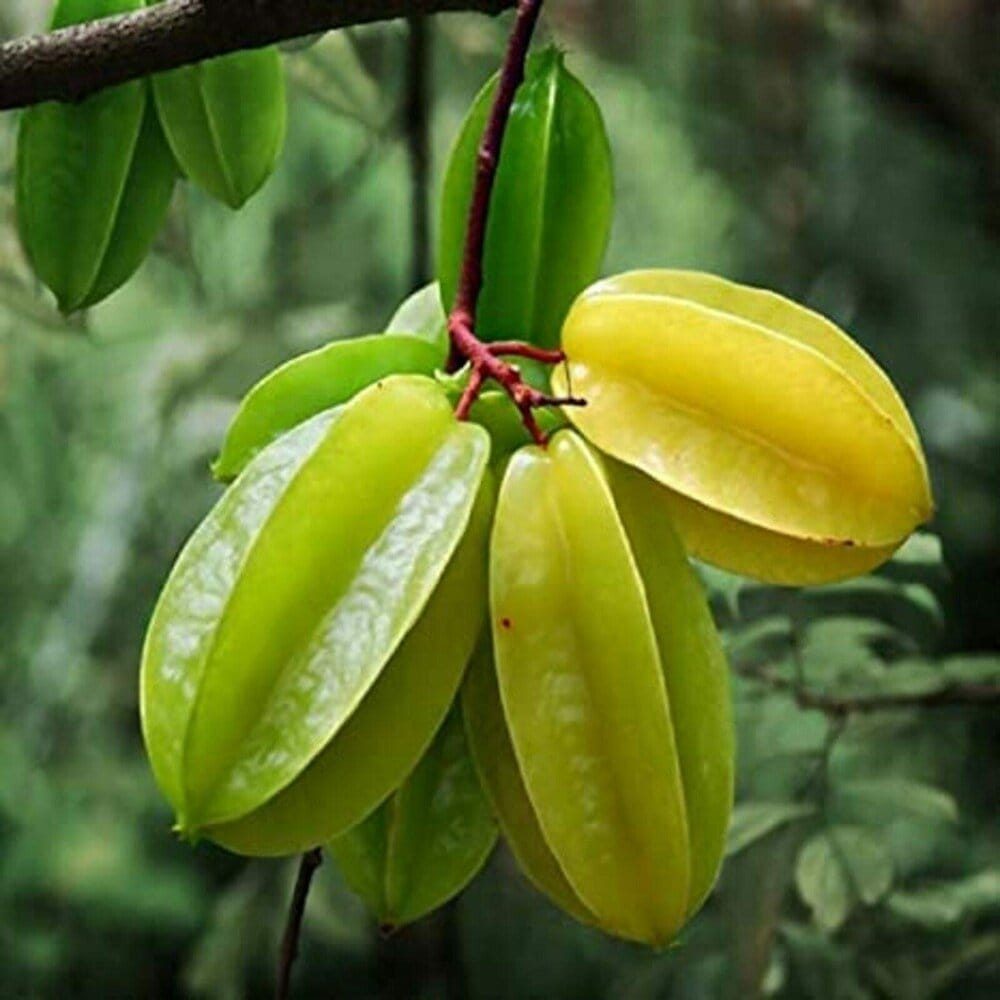
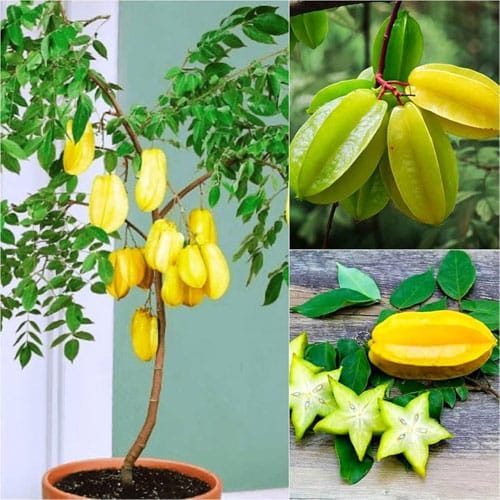
The Star Fruit, also known as Carambola, is a unique, star-shaped tropical fruit native to Southeast Asia. Gaining popularity in India, especially in cities like Guwahati, the fruit is known for its mildly tangy-sweet flavor and its striking five-point star appearance when sliced. Whether grown in a garden or pot, star fruit trees are admired for their ornamental value and tasty yield. This guide covers everything from growing and care tips to harvesting, common diseases, alternate names, and related fruit suggestions.
🌿 What is Star Fruit?
- Scientific Name: Averrhoa carambola
- Common Names: Carambola, Kamrakh (Hindi), Kamaranga (Bengali), Star Apple, Five Corner Fruit
- Taste Profile: A balance of sweet and tart, similar to apple, citrus, and plum
- Best Suited For: Backyard gardens, kitchen gardens, tropical to subtropical climates like Guwahati
🌾 Growing Star Fruit in Guwahati: Soil, Climate, and Requirements
- Climate: Thrives in hot and humid conditions, with proper care.
- Sunlight: Requires full sunlight (6-8 hours/day)
- Soil Type: Well-draining, sandy-loam or alluvial soil, pH 5.5–7.5
- Spacing: If planting multiple trees, maintain 15-20 ft distance between them
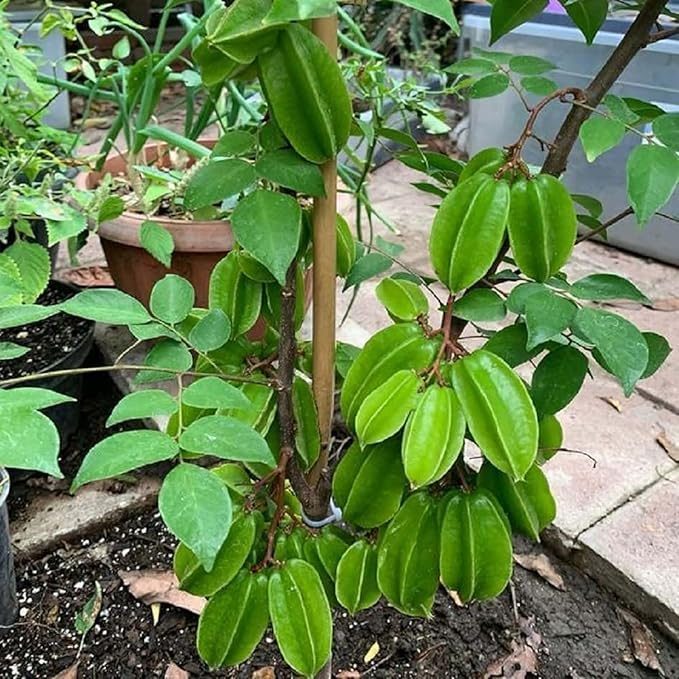
- Pot Growing: Use a 20-30 inch container, place in a sunlit balcony or terrace
- Plant Height: Can grow up to 20-30 ft but can be pruned for smaller spaces
💚 Star Fruit Plant Care Guide for Plants lover in Guwahati
- Watering:
- Water deeply once or twice a week
- Avoid waterlogging
- Fertilization:
- Use organic compost or well-rotted cow dung every month
- NPK 10-10-10 fertilizer during growing season (spring and monsoon)
- Pruning:
- Prune after fruiting to maintain shape and air circulation
- Mulching:
- Add leaf mulch around the base to retain moisture
- Pollination:
- Self-pollinating, but bees improve fruit yield
🌿 Flowering and Fruiting Cycle
- Flowering Season: Late spring to early summer (April to June)
- Time to Fruit: Fruits appear 75-90 days after flowering
- Harvesting Season: August to October (twice a year in ideal conditions)
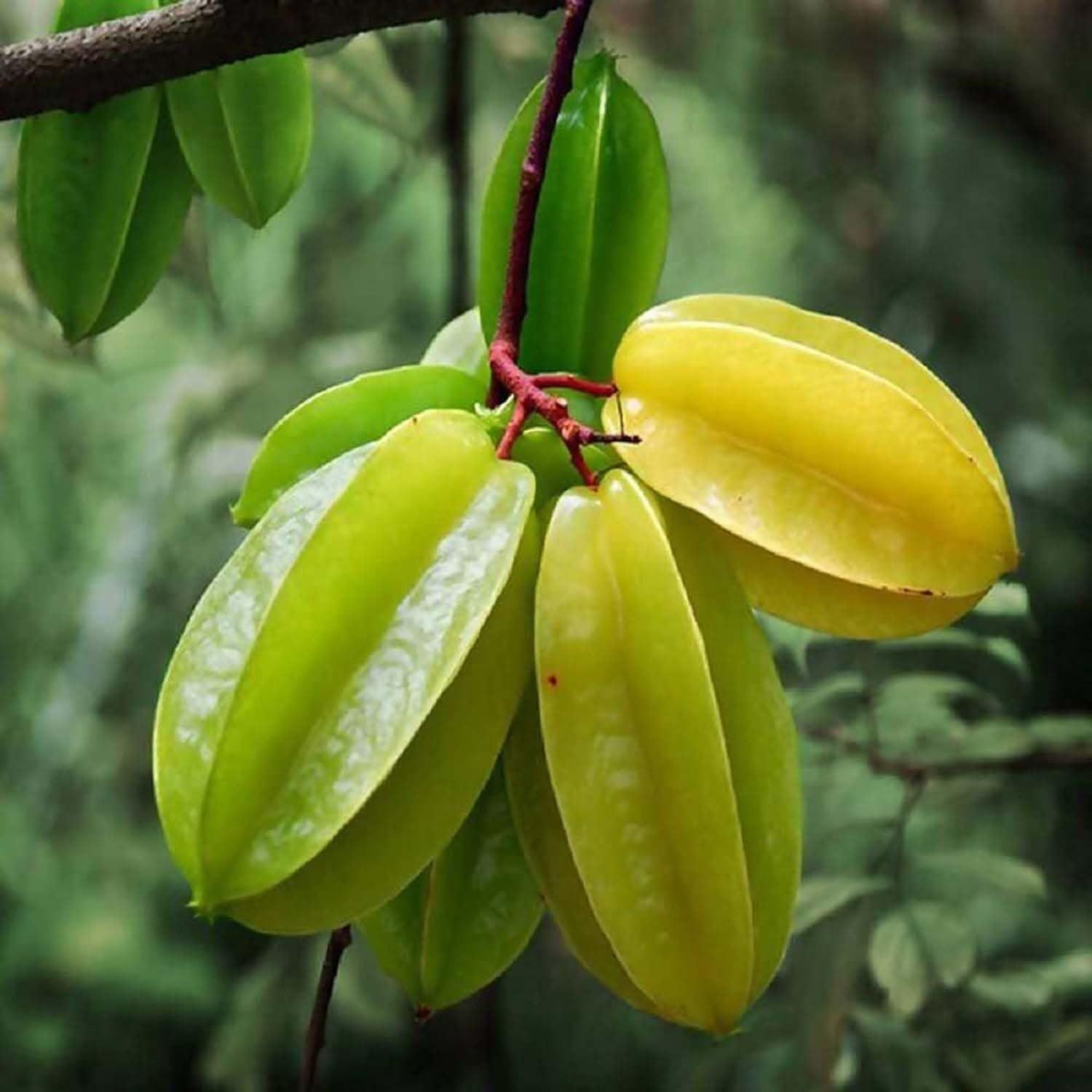
- Fruit Color: Light green to bright yellow when ripe
⚠️ Common Pests and Diseases (and How to Prevent Them)
- Fruit Fly:
- Symptoms: Maggot-infested fruits
- Prevention: Use pheromone traps or neem oil spray
- Leaf Spot:
- Symptoms: Brown/black spots on leaves
- Prevention: Apply copper-based fungicide and ensure good air circulation
- Anthracnose:
- Symptoms: Dark lesions on fruit and leaves
- Prevention: Prune affected areas and avoid overhead watering
- Root Rot:
- Cause: Overwatering or poorly drained soil
- Solution: Improve drainage and reduce watering
🍏 When and How to Harvest Star Fruit
- Harvest when the fruit turns fully yellow with slightly brown edges
- Use a clipper to cut fruit from the branch without damaging stems
- Handle gently to avoid bruising
🥝 Similar-Tasting Fruits Plant You Can Also Try in Guwahati Garden
- Gooseberry (Amla) Plant – Tart and citrusy
- Plum (Aloo Bukhara) Plant– Sweet-tart with a juicy pulp
- Tamarind (Imli) Plant – Strong tangy profile
- Green Apple Plant – Crisp and mildly tart
- Kiwi Plant – Tangy, vitamin-rich, exotic alternative
✨ Conclusion
Growing a Star Fruit (Carambola) plant in Guwahati is both rewarding and practical. Whether you want to enhance your garden with its unique star-shaped fruits or enjoy its rich nutritional benefits, this tropical plant fits perfectly in home gardens or patios. With the right care and seasonal attention, you can enjoy multiple harvests each year.
Order your Star Fruit plant today from Paudhewale.com and bring home a fruitful addition that’s as beautiful as it is healthy—delivered right to your doorstep in Guwahati.