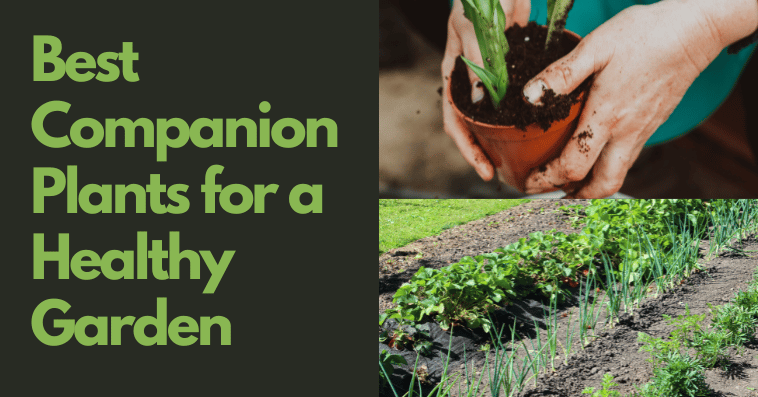
Discover the best companion plants to grow vegetables, herbs, and flowers naturally. Boost your garden’s health and productivity with plant pairing tips. Shop plant combos online at PaudheWale.
Discover the top 10 lucky plants for your home that attract wealth, positivity, and good health. Enhance your indoor space with greenery and shop live plants at PaudheWale.com
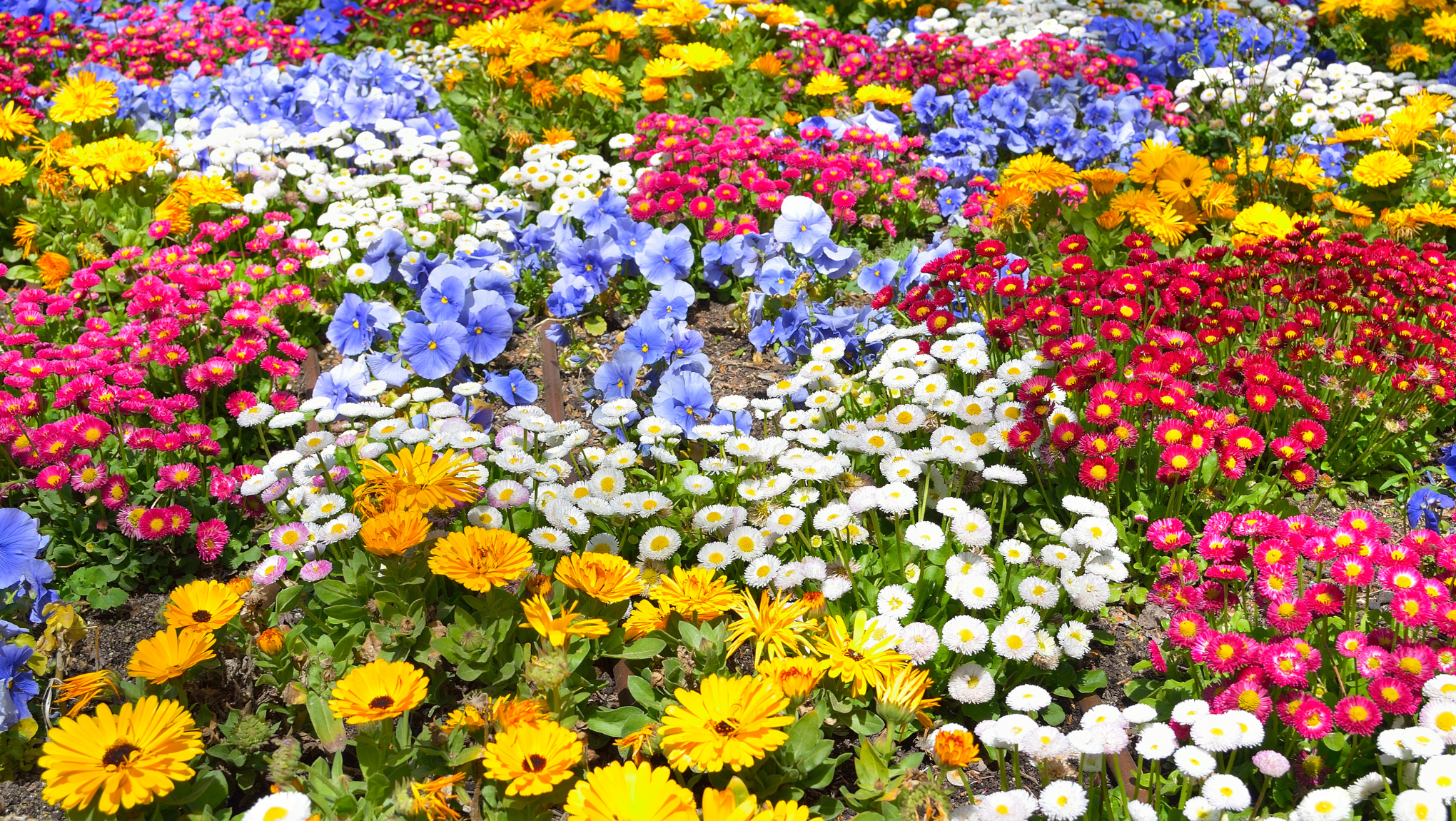
India's summer season is known for its intense heat and vibrant colors. This is the time when gardens come alive with a riot of hues, thanks to the summer flowering plants.
Choosing the right plants for this season can transform your garden into a paradise. It can provide a refreshing retreat from the scorching sun.
In this article, we will explore the top 10 summer flowering plants to grow in India. These plants not only survive but thrive in the Indian summer, adding beauty and charm to your garden.
We will delve into the unique characteristics of each plant. From their vibrant colors and fragrant blooms to their care requirements, we will cover it all.
This guide is designed to inspire and guide gardeners and plant enthusiasts. Whether you're a seasoned gardener or a beginner, you'll find valuable insights here.
So, get ready to beautify your garden with these summer blooms. Let's dive into the world of summer flowering plants in India.
Stay tuned to discover the joy and satisfaction of growing your own flowers. Let's embark on this colorful journey together.
Understanding the Indian Summer and Its Impact on Plants
The Indian summer is marked by high temperatures and occasional dry spells. These conditions can be challenging for many plants. However, some flowering plants are adapted to thrive under such climate conditions.
Heat-tolerant plants can manage the intense sunlight common during Indian summers. Their resilience makes them ideal for gardens in this season. They bring life and color to any outdoor space.
Moisture management is crucial for plant survival during summer. While some plants require frequent watering, others are more drought-tolerant. Understanding these needs helps gardeners provide optimal care. Proper care ensures vibrant blooms throughout the hot months.
The Benefits of Growing Summer Flowering Plants
Summer flowering plants provide many benefits beyond their beauty. They can enhance the aesthetic appeal of any garden. Their vibrant colors create a refreshing oasis even in the hottest weather.
These plants often attract beneficial insects, such as pollinators. Bees and butterflies thrive in gardens filled with blooming flowers. This supports the broader ecosystem by helping pollinate nearby plants.
Cultivating these plants can improve air quality in your environment. Through photosynthesis, they release oxygen and reduce carbon dioxide levels. Additionally, nurturing a garden brings mental wellness and reduces stress.
Selection Criteria for Top Summer Flowering Plants
When selecting summer flowering plants for India, several factors should be considered. First, the plants must thrive in the Indian summer climate. High temperatures and varying humidity levels affect plant health.
Additionally, consider the ease of maintenance and care required by each plant. Choose plants that demand minimal care yet offer vibrant blooms. These aspects ensure a thriving and resilient summer garden. By selecting the right plants, gardeners can enjoy a lush, colorful display throughout the season.
1. Hibiscus (Hibiscus rosa-sinensis)
The Hibiscus, known for its large and bright blooms, is a must-have in summer gardens across India. These flowers add a tropical flair with their striking colors and unique shapes. Growing Hibiscus offers not only beauty but also resilience to heat.
One appealing aspect of Hibiscus is its ease of cultivation. It thrives in various Indian climates, from coastal regions to arid areas. This adaptability makes Hibiscus a popular choice among gardeners looking for reliable flowering plants.
To grow Hibiscus successfully, specific conditions are recommended. The plant requires full sun exposure, well-draining soil, and regular watering. Observing these conditions ensures the plant remains healthy and blooms profusely.
Here are some attributes of Hibiscus (Hibiscus rosa-sinensis):
Comes in various colors: red, pink, yellow, and more
Blooms last for a day but appear frequently
Attracts pollinators such as bees and butterflies
BUY NOW
Overall, Hibiscus offers beauty combined with easy care, making it ideal for Indian summers. A well-maintained Hibiscus plant rewards gardeners with continuous, vivid blooms, enhancing garden aesthetics.
Hibiscus Care Tips
Caring for Hibiscus involves attention to light, water, and soil. These elements are crucial for healthy growth. Place your Hibiscus in a location that receives full sunlight. Light exposure promotes blooming and vibrant colors.
Regular watering is necessary but avoid overwatering. Let the top inch of soil dry out before watering again. This prevents root rot and ensures balanced moisture levels.
Ensure the soil is well-draining to support root health. Enrich the soil with organic matter to provide nutrients. By following these care tips, your Hibiscus will flourish, offering beautiful blooms throughout the summer.
2. Marigold
Marigolds, known for their bright, cheerful colors, are a staple in Indian gardens. Their vibrant hues range from sunny yellows to fiery oranges. They are a favorite for their versatility and ease of growing.
These garden flowers are not just beautiful; they also have practical benefits. Marigolds possess natural pest-repelling properties. This makes them valuable in organic gardening practices.
Several varieties of Marigold are popular for summer gardens in India. They thrive in full sunlight, which encourages more blooms. The flowers require moderate watering to maintain their lush appearance.
BUY NOW
To cultivate Marigolds successfully, consider the following aspects:
Plant in well-draining soil to prevent root diseases.
Ensure good air circulation around plants to avoid mold.
Deadhead regularly to promote continual blooming.
Marigolds are tough plants that can endure the hot summer months. Their low-maintenance nature makes them ideal for beginners. Adding Marigolds to your garden will bring vivid colors and a sense of vibrancy.
Marigold Planting Advice
To begin your Marigold journey, choose a sunny spot in your garden. These flowers crave sunlight, which enhances their growth and bloom frequency. Adequate sunlight helps maintain the intense colors they are known for.
Ensure you plant Marigolds in well-draining soil to avoid waterlogged roots. Waterlogging can lead to root rot, which is detrimental to plant health. Regular watering is essential, but be cautious not to overdo it.
Spacing is crucial when planting Marigolds to ensure good air flow. Proper air circulation minimizes the risk of fungal diseases, keeping plants healthy. With these simple steps, your Marigolds will thrive and enliven your garden.
3. Bougainvillea
Bougainvillea is a striking addition to any Indian garden. Known for its vibrant colors, Bougainvillea is both beautiful and resilient. This plant thrives in the hot, dry conditions typical of Indian summers.
These plants showcase vibrant bracts, often mistaken for flowers. The true flowers are tiny and nestled inside these bracts. With shades ranging from pink to purple to white, they add vivid contrast to garden greenery.
BUY NOW
Bougainvillea requires minimal care but delivers maximum impact. Once established, it can endure drought, making it ideal for areas with limited water access. It also grows well in nutrient-poor soils, demonstrating its adaptability.
Bougainvillea Highlights
Vibrant Bracts: Pink, purple, orange, or white
Drought Tolerant: Survives with minimal water
Minimal Maintenance: Thrives with occasional pruning
Many choose Bougainvillea for its low maintenance needs and high aesthetic value. Whether climbing a trellis or cascading from a pot, it offers stunning visuals. This makes it a favorite for borders, trellises, and walls, providing brilliant color and texture to any garden space.
Bougainvillea Maintenance
Caring for Bougainvillea is straightforward, making it a favorite among gardeners. It demands full sun exposure to flourish and produce abundant blooms. Ample sunlight helps in enhancing the vibrancy of its bracts.
Moderate pruning is essential to maintain its shape and control growth. Pruning encourages more extensive blooms, ensuring the plant remains full and dense. Perform pruning during the growing season for best results.
Soil conditions play a significant role in Bougainvillea's health. Ensure the soil is well-draining to prevent root rot. While it tolerates drought well, water it sparingly during dry periods to keep the plant healthy.
4. Plumeria
Plumeria, or Frangipani, is famous for its stunning, fragrant blooms. These flowers are often used in making traditional Hawaiian leis. The bright, intoxicating scent fills gardens with a tropical vibe.
In India, Plumeria thrives in hot, sunny conditions. It is a resilient plant well-suited to withstand the Indian summer heat. Its colorful blossoms emerge in a range of hues from white to vibrant pink.
The plant prefers well-draining soil and can tolerate some drought. Ensure the soil is loose and airy to allow proper root growth. Plumeria does best in a sunny location with plenty of air circulation.
Here's why Plumeria is a top choice for summer gardens in India:
Fragrant and vibrant flowers: Add an exotic touch to any garden.
Drought-tolerant: Perfect for hot, dry climates.
Low maintenance: Requires minimal care once established.
BUY NOW
Plumeria Growing Conditions
To thrive, Plumeria requires full sun exposure. Six or more hours of sunlight daily is ideal for healthy growth and blooming. Partial shade can hinder its vibrant display.
Well-draining soil is essential for Plumeria. Sandy or loamy soil with ample drainage prevents root rot and other issues. Make sure the soil is light and not compacted.
Plumeria prefers a warm environment. Protect it from cold drafts, especially in regions with cooler climates. During winter, bringing potted Plumeria indoors can ensure its well-being.
5. Sunflower (Helianthus annuus)
Sunflowers are synonymous with summer. Their tall, sturdy stems and bright yellow blooms mirror the sunny days they enjoy. These flowers are not only iconic but also functional.
The sunflower is a favorite among gardeners for its cheerful appearance and easy cultivation. Its large flower head follows the sun, a phenomenon known as heliotropism, which is fascinating to observe. Sunflowers can grow impressively tall, adding vertical interest to any garden.
Beyond their visual appeal, sunflowers provide ecological benefits. They attract pollinators like bees and butterflies, contributing to the health of the garden ecosystem. Additionally, they can be a source of edible seeds, offering a snack for both humans and wildlife.
Sunflowers are also versatile in landscape design. They can serve as a natural screen or windbreak and be planted en masse for a stunning effect. With their striking presence, they are often used to create beautiful garden backdrops.
Optimal sunlight for growth
Well-drained soil with moderate water needs
Support against strong winds
Attract pollinators and beneficial insects
Potential for edible seed harvest
BUY NOW
Sunflower Cultivation Tips
To grow sunflowers, select a sunny spot where they can bask in full sunlight. Six to eight hours of daily sun is optimal for their growth and development. This exposure fuels their impressive height and bloom size.
Begin with rich, well-draining soil to support the health of your plants. To enhance soil fertility, consider adding compost before planting. Deep watering encourages strong roots, but ensure the soil drains well to prevent stagnation.
Protect sunflowers from strong winds, especially if they are tall varieties. Consider using stakes or plant against a fence to maintain their upright growth. With these tips, your sunflowers will thrive, bringing golden hues to your summer garden.
6. Lotus (Nelumbo nucifera)
The lotus, an emblem of beauty, is revered as India's national flower. It thrives in water bodies, adding elegance to gardens with its serene charm. The plant's large, vibrant blooms are a visual delight during the summer months.
BUY NOW
Lotuses are aquatic plants, needing still, shallow water to flourish. If you have a pond or water feature in your garden, this plant is a perfect choice. The floating leaves provide shade, helping maintain pond health by reducing algae growth.
This plant isn't just beautiful—it's also ecologically beneficial. Lotuses can help filter and purify water, improving your pond's ecosystem. Known for their resilience, they can grow in challenging conditions as long as they have enough sunlight.
Key Features of Lotus
Location: Ideal for ponds and water gardens
Sunlight: Full sun exposure required
Soil: Heavy loam for anchor and nutrients
Blooms: Summer, showcasing large, fragrant flowers
Adding lotus to your garden not only enhances its beauty but also brings a touch of calmness. Its ability to grow and bloom in adversity makes it a symbol of strength and perseverance.
Lotus Care
Caring for lotus plants involves ensuring they are in the right environment. They need full sun exposure to thrive. A minimum of six hours of sunlight daily helps them bloom optimally.
Maintaining water conditions is crucial for healthy lotus growth. Ensure the water is calm and clear, as turbulence can hinder growth. Use a container to control the environment within larger water bodies.
Soil choice also plays a vital role in lotus care. Heavy loam soil holds plants firmly and provides essential nutrients. Regular checks of soil health and water levels can help keep your lotus plants thriving year-round.
7. Jasmine
Jasmine is a fragrant addition to any garden. Its delicate blooms release a sweet scent at night. This fragrance is not only enchanting but also widely used in perfumes.
The plant is a climber, often adorning fences and trellises. It can transform a simple garden space into a sensory delight. Its lush, evergreen foliage provides year-round greenery.
Jasmine thrives well in warm climates and is native to tropical regions. It prefers locations with full to partial sun exposure. This makes it ideal for many Indian gardens.
Key Features of Jasmine
Night-blooming and highly aromatic flowers
Evergreen foliage, adding year-round beauty
Adaptable to a variety of Indian climates
BUY NOW
Caring for jasmine involves giving it ample sunlight and regular watering. Supporting structures help the plant grow vertically. Regular pruning encourages more blooming and maintains a neat shape.
Jasmine Planting Requirements
Jasmine prefers a sunny spot in the garden. It can tolerate partial shade, but more sun results in more blooms. Select a location that receives at least 4-6 hours of sunlight daily.
Well-draining soil is crucial for jasmine's health. Soil that retains too much water can harm the roots. Adding organic matter can improve drainage and nutrition.
Regular watering is essential but avoid waterlogging the plant. Allow the topsoil to dry slightly between waterings. This balance helps jasmine thrive and bloom abundantly.
8. Zinnia
Zinnias are vibrant additions to any summer garden. They come in various colors, including red, orange, pink, and yellow. These flowers captivate with their bold and cheerful appearance.
Zinnias thrive in the warmth of the Indian summer. They are remarkably easy to grow and maintain. Being hardy and resilient makes them a favorite among beginners.
One outstanding feature of zinnias is their allure for butterflies. These flowers create a lively, pollinator-friendly garden space. Additionally, zinnias make for excellent cut flowers, brightening up any home.
Here's why zinnias are great for Indian gardens:
Available in wide color ranges
Attract butterflies and pollinators
Suitable for cut flower arrangements
BUY NOW
Zinnias require a location with full sun exposure for optimal growth. Their blooms flourish in well-draining soil. Adding compost can enhance soil fertility and encourage more vibrant blooms.
Regular deadheading of spent blooms can promote additional flowering. While they are drought-tolerant, regular watering during dry spells enhances their health. Thus, zinnias are both easy and rewarding to grow.
Zinnia Care
Caring for zinnias is straightforward, making them perfect for any gardener. First, ensure they receive plenty of sunlight throughout the day. A full six to eight hours is ideal for the best blooms.
Soil is another critical factor for healthy zinnias. Opt for well-draining soil enriched with organic matter. If your garden soil is heavy, consider adding some sand to improve drainage.
Watering zinnias requires balance. While they are drought-resistant, consistent watering during dry spells is beneficial. Avoid overhead watering to prevent fungal diseases; instead, water at the base of the plant.
9. Portulaca (Portulaca grandiflora)
Portulaca, also known as moss rose, is a charming addition to any Indian garden. This plant is celebrated for its vibrant and colorful flowers that brighten up any space.
Portulaca is unique for its ability to thrive in harsh conditions. Its succulent-like leaves help it retain water, making it extremely heat-tolerant. This characteristic makes it a popular choice in regions with intense summer heat.
BUY NOW
Another feature of portulaca is its low-growing, sprawling habit. This makes it suitable as a ground cover. Additionally, it works beautifully in rock gardens and hanging baskets, where its cascading vines create a stunning display.
Key Features of Portulaca
Heat-tolerant: Flourishes in hot, dry climates.
Vibrant blooms: Offers a spectrum of colors, from red to pink and yellow.
Versatile use: Ideal for hanging baskets and rocky soil.
Portulaca blooms open with the morning sun and close by evening, adapting to light availability. This daily rhythm adds a dynamic element to your garden, highlighting their lively and ever-changing beauty.
Portulaca Growing Tips
For thriving portulaca, a few key considerations ensure robust growth and abundant blooms. First, plant them in a location receiving full sunlight.
Portulaca prefers sandy or well-draining soil. This prevents waterlogging, which can harm its roots. Ensure the soil maintains some dryness between watering sessions.
Minimize watering to avoid over-saturation. These plants thrive on minimal moisture, reflecting their native resilience to drought. Proper care yields a vibrant display of blooms throughout the summer.
10. Periwinkle
Periwinkle, also known as Catharanthus roseus, is a beloved choice for many Indian gardens. Its glossy leaves and delicate blooms are stunning.
These plants are evergreen and bloom almost year-round. Their blooms range from soft pink to vibrant purples.
Periwinkle is not just beautiful but also hardy. Known for its drought-resistant nature, it suits India's varying climates well.
Beyond aesthetics, periwinkle holds medicinal value. Traditionally, it's been used in herbal remedies, showcasing its versatile nature.
BUY NOW
Notable Features of Periwinkle:
Evergreen nature
Drought resistance
Medicinal properties
Attractive blooms
From its charming appearance to medicinal benefits, periwinkle enriches any garden setting. Its versatility makes it a gardener's favorite.
Periwinkle Cultivation
Growing periwinkle requires minimal effort. These plants thrive in full sun to partial shade. They flourish with just occasional watering.
Periwinkle prefers well-draining soil. This ensures their roots remain healthy and do not rot. A mix of sand and loam works best.
For best results, fertilize occasionally. This encourages more vibrant blooms. Regular maintenance will keep the plants looking lush and lively.
Enhancing Your Summer Garden
A summer garden bursts with color and life. Flowering plants for summer in India offer a variety of shapes and hues. They enrich both senses and spirit.
Create a vibrant display by arranging plants thoughtfully. Consider height, color, and blooming cycles. Harmonize the garden with complementary plants for continuous blooms.
Ensure your garden supports local wildlife. Include plants that attract bees and butterflies. This enhances biodiversity and promotes ecological balance.
Conclusion
Summer flowering plants in India transform gardens into colorful retreats. They bring beauty, fragrance, and biodiversity to any outdoor space. Each plant contributes unique charm and resilience.
Start your gardening journey today. Choose from these ten remarkable plants for a thriving summer garden. Enjoy the rewards of nature's vibrant displays. Embrace the joy of gardening and share it with your community.
For more plants, seeds & other garden products - visit - www.paudhewale.com
Discover the 10 best summer vegetables to grow in India! 🌿🍆 Learn how to plant, care for, and harvest tomatoes, cucumbers, okra, and more in hot climates. Perfect for beginners and experienced gardeners! 🌞🌾
Discover the top 10 summer flowers to grow in India that thrive in hot weather. From Bougainvillea to Adenium, explore easy-to-grow, vibrant, and low-maintenance blooms perfect for your garden. Shop now!
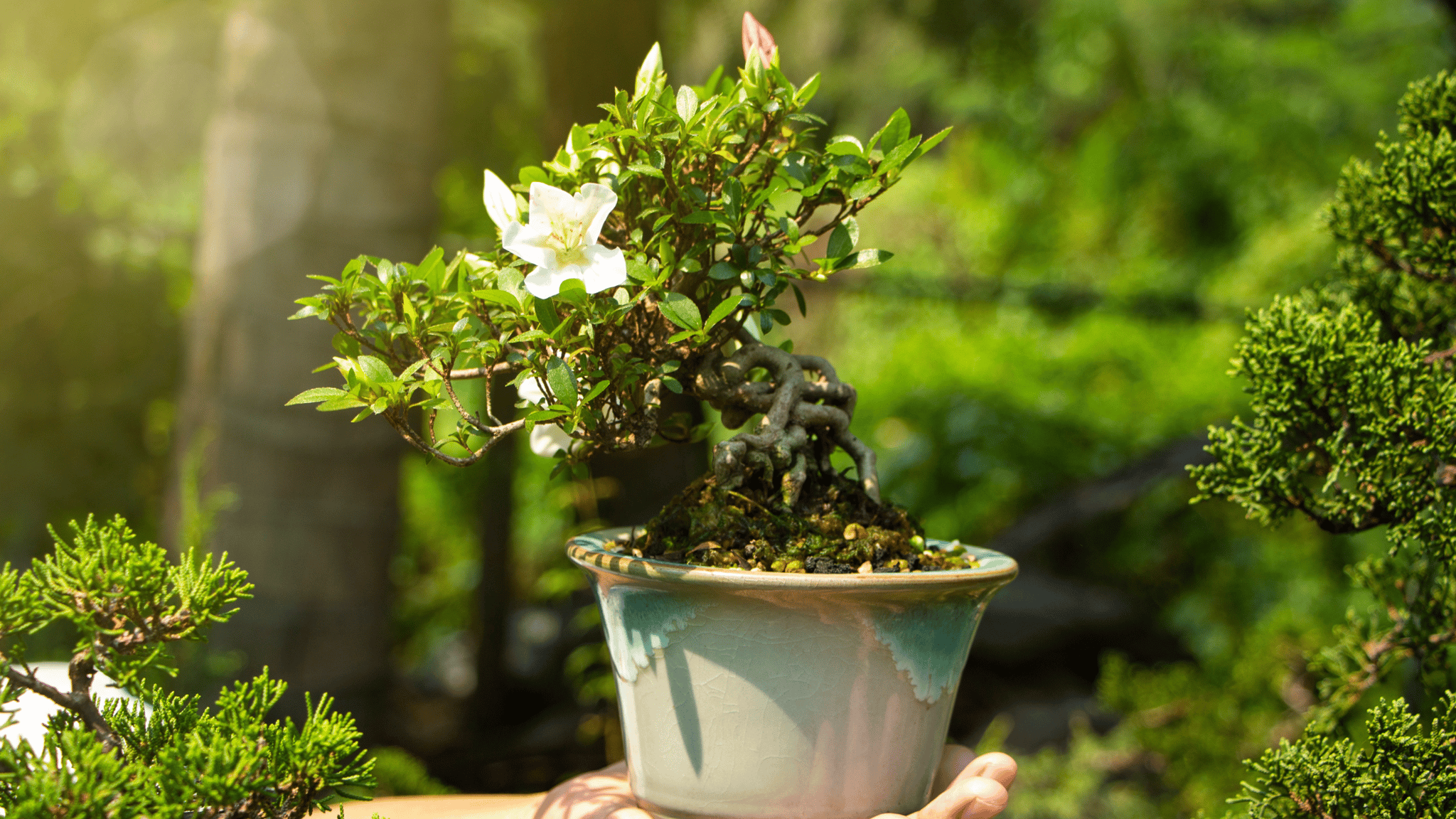
Discover the 10 best bonsai trees for indoor spaces at Paudhewale. Enjoy up to 60% off on stunning bonsai plants and fast, safe delivery. Transform your home with these beautiful and easy-to-care-for bonsai trees.
Introduction:
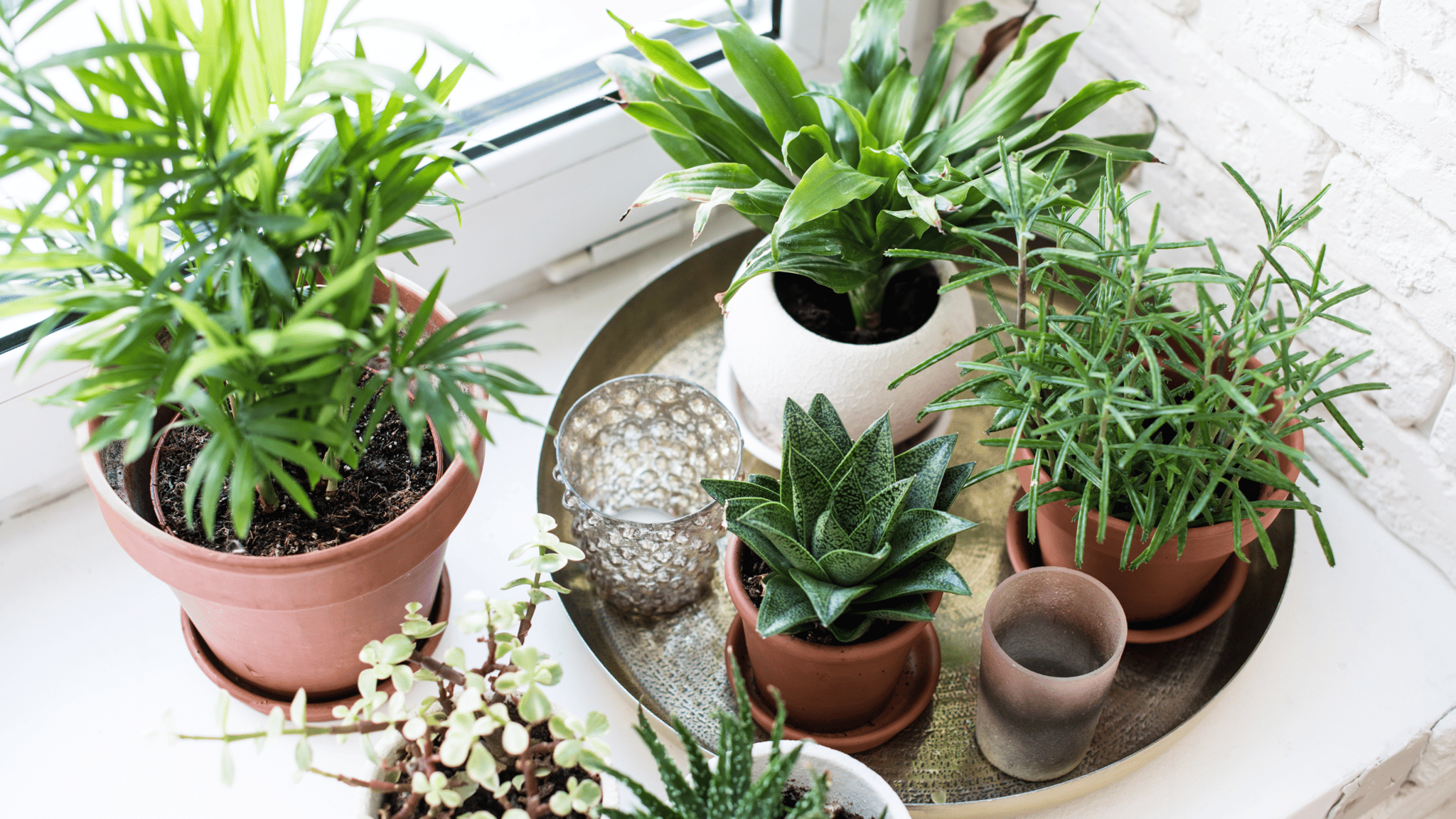
Aspiring gardeners embarking on their green journey often seek plants that are resilient, low-maintenance, and rewarding. Whether you're adorning your living space with lush foliage or cultivating a serene outdoor oasis, choosing the right plants can make all the difference. In this comprehensive guide, we'll explore the top 10 plants tailored for beginners, offering vibrant beauty and minimal upkeep.
1. Spider Plant (Chlorophytum comosum):
Spider plants are renowned for their air-purifying qualities and forgiving nature. With graceful arching leaves and prolific growth, they thrive in various light conditions and require minimal watering, making them perfect for novice gardeners.
2. Snake Plant (Sansevieria trifasciata):
The snake plant, with its striking vertical foliage, is a hardy species that tolerates neglect and low-light environments exceptionally well. Its sleek architectural appeal and air-purifying attributes make it a must-have for beginner indoor gardens.
3.Pothos (Epipremnum aureum):
Pothos, also known as Devil's ivy, is celebrated for its vibrant trailing vines and adaptability to diverse lighting conditions. This resilient plant thrives in neglect and can even purify indoor air, making it an ideal choice for those new to gardening.
4. Peace Lily (Spathiphyllum wallisii):
The elegant peace lily graces indoor spaces with its glossy foliage and delicate white blooms. Thriving in low to moderate light, this plant requires minimal maintenance and rewards caretakers with its enduring beauty and air-purifying prowess.
5. ZZ Plant (Zamioculcas zamiifolia):
The ZZ plant is revered for its glossy, waxy leaves and remarkable tolerance to neglect. Thriving in low light and infrequent watering, it adds a touch of modern elegance to any indoor setting while requiring minimal care.
6. Jade Plant (Crassula ovata):
The jade plant, with its succulent leaves and symbolic significance of prosperity, is an excellent choice for novice gardeners. Thriving in bright, indirect light and minimal watering, it's a resilient addition to any indoor or outdoor space.
7. Aloe Vera (Aloe barbadensis miller):
Aloe vera, revered for its medicinal properties and soothing gel, is a versatile plant that flourishes with minimal attention. With its succulent leaves and drought-tolerant nature, it's an ideal choice for beginners seeking both beauty and practicality.
8. Rubber Plant (Ficus elastica):
The rubber plant's broad, glossy leaves and robust stature make it a striking addition to any indoor jungle. Tolerant of low light and sporadic watering, it offers an enduring presence and air-purifying benefits for beginner gardeners.
9. Dracaena (Dracaena marginata):
Dracaenas, with their slender, arching leaves and tropical charm, thrive in moderate to bright indirect light. These low-maintenance plants add a touch of exotic elegance to interior spaces while requiring minimal care and attention.
10. Philodendron (Philodendron hederaceum):
Philodendrons, with their heart-shaped leaves and trailing vines, are beloved for their ease of care and ornamental appeal. Adaptable to various light conditions and forgiving of occasional neglect, they're perfect for beginners looking to cultivate lush greenery indoors.
Conclusion:
Embarking on a journey into the world of gardening is an exciting endeavor, and selecting the right plants can set you on the path to success. With the top 10 plants for beginners outlined in this guide, you can embark on your green journey with confidence, knowing that these resilient beauties will thrive with minimal care while bringing joy and serenity to your living spaces.
Introduction
Bangalore, known for its pleasant climate and lush greenery, is the perfect canvas for creating a tropical paradise in your backyard. If you're a mango enthusiast, there's no better way to embrace the spirit of Bangalore than by cultivating your own mango orchard. Paudhewale.com brings you an exclusive selection of the top 10 mango fruit plants, each promising a bounty of succulent and flavorful mangoes. Let's dive into the world of mango varieties that thrive in the Garden City.
1. Alphonso Mango
Known as the "King of Mangoes," Alphonso mangoes need no introduction. Renowned for their exquisite sweetness and distinct aroma, cultivating an Alphonso Mango plant in your Bangalore garden promises a slice of mango heaven each season.
2.Kesar Mango
Hailing from the state of Gujarat, Kesar Mango is known for its distinct saffron-hued flesh and unparalleled sweetness. With Paudhewale.com, you can bring the charm of Kesar mangoes to your Bangalore garden, creating a tropical haven.
3.Dussehri Mango
With a delightful blend of sweet and tangy flavors, the Dussehri Mango is a popular choice among mango aficionados. Ideal for Bangalore's climate, this variety promises a unique taste experience with every bite.
4.Himsagar Mango
Himsagar Mango, native to West Bengal, is revered for its unparalleled sweetness and aroma. By cultivating Himsagar mango plants from Paudhewale.com, you can enjoy the distinct flavor of this delectable variety right in your Bangalore garden.
5.Mallika Mango
A hybrid between Neelam and Dasheri, Mallika Mango combines the best of both worlds. With its juicy and aromatic mangoes, it's a fantastic addition to your Bangalore garden, thriving in the local climate.
6.Langra Mango
Langra Mango, with its unique green skin and sweet taste, is a timeless favorite. Bring a touch of North Indian charm to your Bangalore garden by growing Langra Mango plants, available at Paudhewale.com.
7. Amrapali Mango
Named after the legendary Indian courtesan, Amrapali Mangoes are a perfect blend of sweetness and slight tartness. The compact size of the Amrapali Mango plant makes it ideal for smaller gardens in Bangalore, ensuring a plentiful harvest in limited space.
8. Suvarnarekha Mango
Suvarnarekha Mango, originating from the state of Odisha, is prized for its golden-yellow skin and sweet taste. Cultivate Suvarnarekha Mango plants from Paudhewale.com in your Bangalore garden, and savor the tropical goodness of this lesser-known gem.
9. Chausa Mango
Originally from Bihar, Chausa Mango is celebrated for its juicy and fiberless flesh. Cultivate Chausa Mango plants from Paudhewale.com in your Bangalore garden, and experience the delightful taste that has made it a cherished variety among mango connoisseurs.
10. Gulab Khas Mango
Gulab Khas Mango, known for its distinct aroma and sweet taste, is a popular variety in Northern India. Cultivate Gulab Khas Mango plants from Paudhewale.com in your Bangalore garden, and enjoy the essence of this fragrant and delicious mango variety.