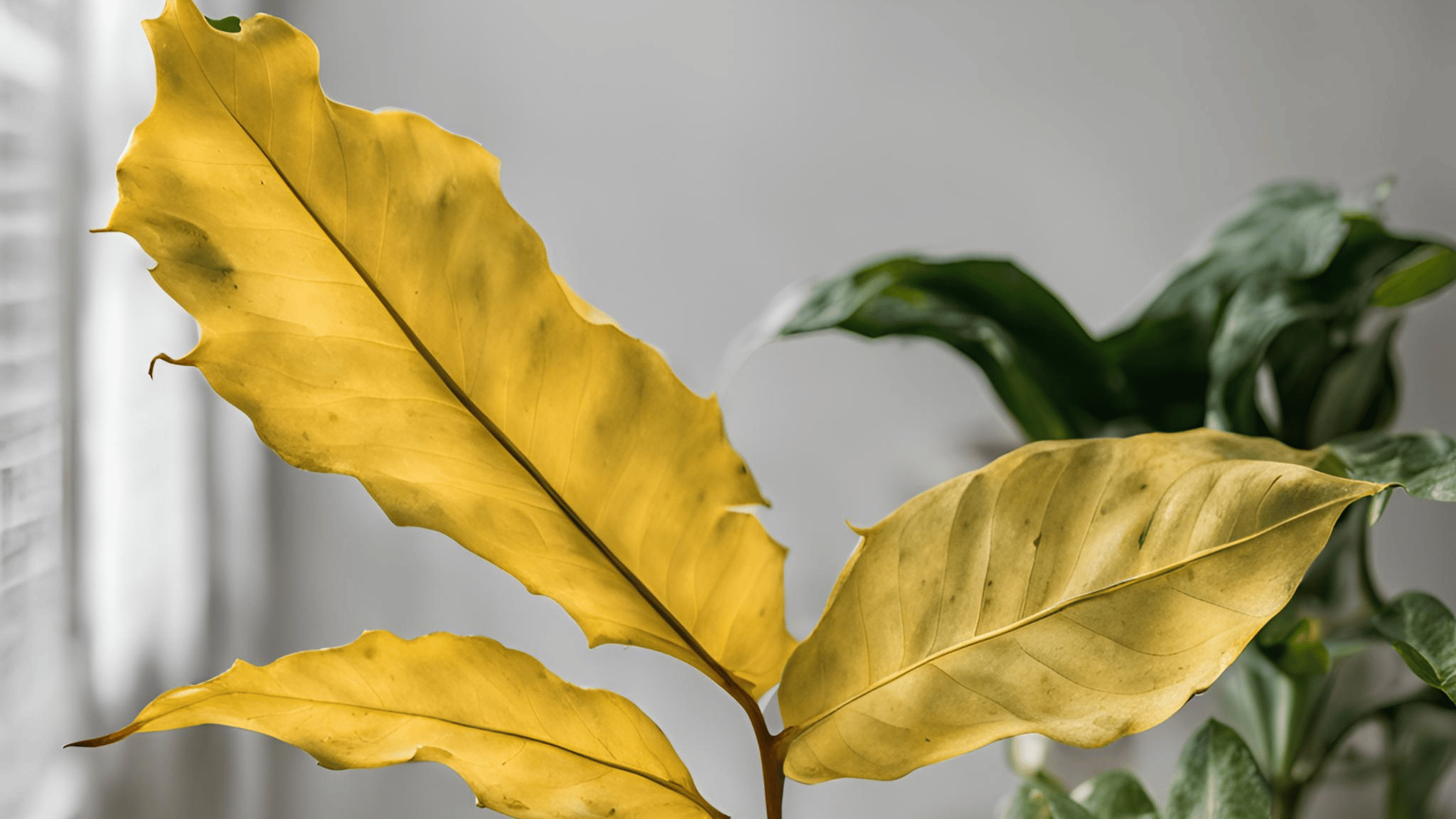
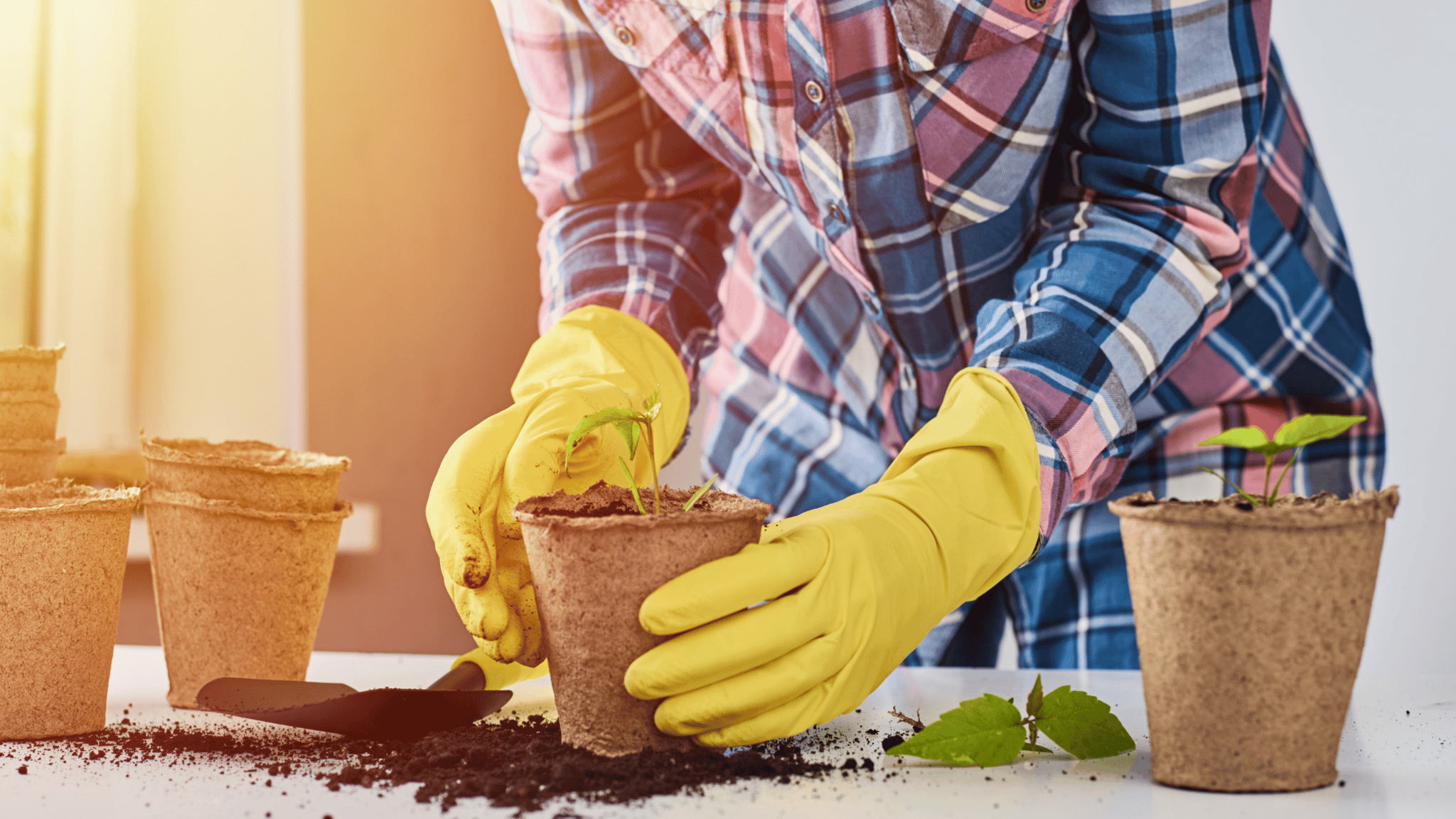
Root rot in houseplants: Causes, symptoms, and treatment. Learn how to spot the early signs, prevent overwatering, and revive plants with effective care tips. Discover the best practices for soil health, proper drainage, and watering techniques to keep your indoor garden thriving and rot-free.
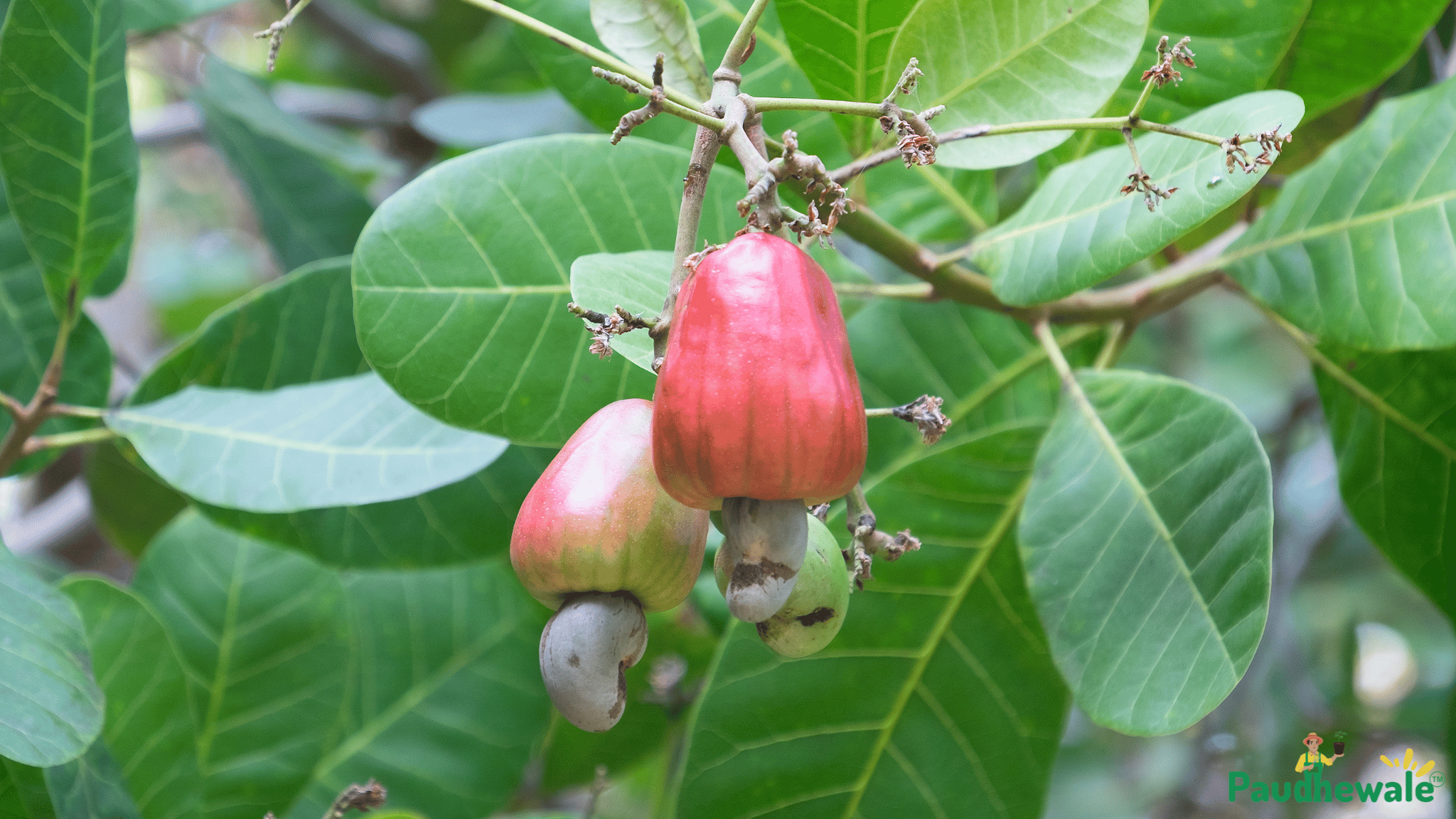
Get detailed planting and spacing guidelines for healthy cashew tree plant growth. Discover everything about cultivating cashew trees: from nutritional benefits and ideal conditions to planting tips, pest control, and harvesting methods. Start your journey to successful cashew cultivation today.
As the scorching heat of summer descends upon us, it becomes essential to explore effective ways to combat the rising temperatures. One of nature's remarkable solutions lies in the presence of plants. The abundance of greenery not only enhances the aesthetic appeal but also plays a vital role in reducing the surrounding temperature. In this article, we will delve into the various ways in which plants contribute to cooling the environment during the summer season, backed by scientific research and renowned experts' opinions. Additionally, we will highlight the vision of Paudhewale.com, an Indian plant-selling website, which aims to promote greenery and increase the sale of plants.
The Cooling Process by Plants: Plants possess unique mechanisms that aid in cooling their surroundings. Firstly, they absorb the sunlight through their leaves, utilizing a process known as "transpiration." This process significantly contributes to reducing temperature levels. Renowned scientists have emphasized the significance of transpiration in cooling the environment. Dr. David Ramsey, a prominent conservation scientist, states, "Plants cool the surroundings through their shade, evapotranspiration, and oxygen production. Expanding the presence of trees can also contribute to balancing the heat for more environmentally conscious cases."
Furthermore, plants create a cooling effect through the utilization of air convection. They release natural coolness through their leaves, providing a pleasant ambiance. The shade created by the foliage plays a crucial role in blocking the direct sunlight, thus lowering the temperature. This process is known as "evapotranspiration," wherein water vapor released by the leaves evaporates into the atmosphere, contributing to cooling.
Moreover, plants facilitate the generation and dissemination of air pollutants, which aid in reducing heat. The oxygen produced by plants helps purify the atmosphere by absorbing the carbon dioxide present in the environment, thereby maintaining a balanced temperature.
Several studies conducted by renowned scientists have further validated the impact of plants on reducing temperatures. Dr. Emily Johnson, a botanist, affirms, "The cooling effect of plants is scientifically proven. Their ability to provide shade, evapotranspiration, and oxygen production significantly contributes to regulating temperature levels." These expert opinions highlight the importance of incorporating plants in our surroundings to combat the summer heat effectively.
Promoting Greenery and Cooling Solutions: Paudhewale.com, an Indian plant-selling website, recognizes the valuable contribution of plants in creating a cooler environment. It's mission revolves around increasing awareness about the importance of plants and their beneficial properties. By offering a wide range of plants and providing valuable insights on plant care, Paudhewale.com aims to inspire individuals to embrace the power of greenery and contribute to a healthy, cool, and beautiful environment.
In conclusion, the presence of plants plays a significant role in reducing temperatures and combating the intense heat of summer. Through transpiration, evapotranspiration, and oxygen production, plants actively contribute to creating a cooler and more pleasant environment. Renowned scientists endorse the effectiveness of plants in cooling the surroundings. Paudhewale.com's vision aligns with the promotion of greenery and encourages individuals to increase their participation in fostering a greener environment. Embrace the power of plants, enhance your living spaces, and relish the benefits of a cooler and healthier atmosphere.
Introduction:
In the hustle and bustle of modern life, not everyone has the luxury of a sprawling backyard. However, the desire to cultivate a green haven is still within reach through the art of container gardening. In this comprehensive guide, we'll explore the ins and outs of container gardening, offering valuable insights, tips, and plant recommendations to transform even the smallest spaces into flourishing gardens.
1: Choosing the Right Containers
Container gardening starts with selecting the right pots or containers. Discuss the following points:
Materials: From classic terracotta to modern plastic, explore the pros and cons of different container materials.
Size Matters: Guide readers on choosing the appropriate size for different plants, considering their growth habits and root systems.
Drainage: Emphasize the importance of proper drainage to prevent waterlogged soil and root rot.
2: Best Plants for Container Gardening
Delve into plant choices that thrive in containers:
Herbs: Discuss the ease of growing herbs like basil, rosemary, and mint in small spaces.
Flowers: Highlight colorful blooms such as petunias, marigolds, and geraniums that add vibrancy to container gardens.
Vegetables: Explore compact vegetable varieties like cherry tomatoes, dwarf peppers, and patio-sized zucchini.
3: Tips for Successful Container Gardening
Provide practical advice for maintaining a healthy and thriving container garden:
Soil and Fertilization: Discuss the importance of quality potting mix and periodic fertilization for container-grown plants.
Watering Techniques: Guide readers on proper watering schedules, avoiding both drought stress and waterlogging.
Seasonal Considerations: Address how to protect container plants in extreme weather conditions, such as frost or intense heat.
Conclusion
Wrap up the blog post by reiterating the versatility and accessibility of container gardening. Encourage readers to embark on their own container gardening journey, regardless of the space available.