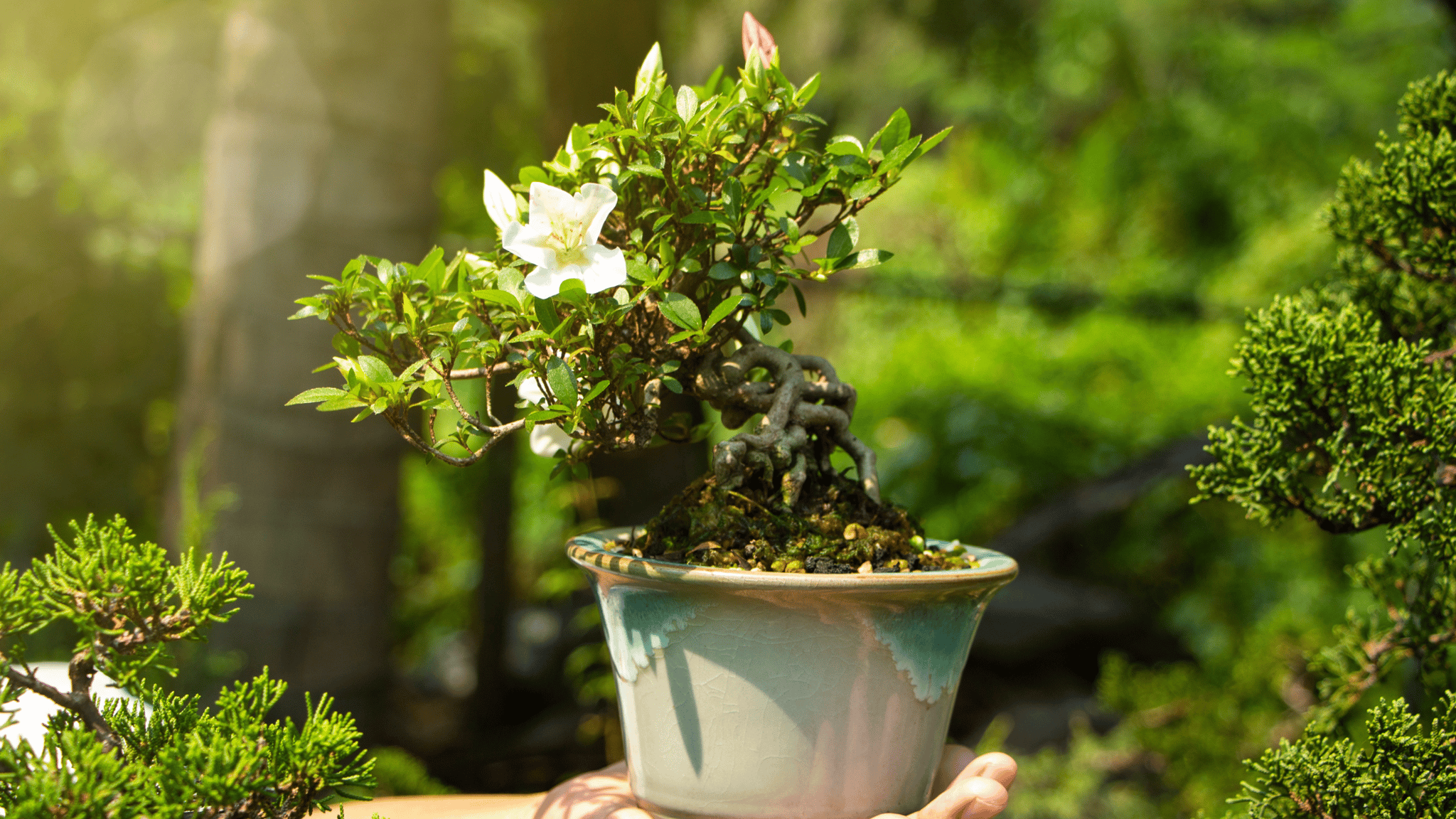
Discover the 10 best bonsai trees for indoor spaces at Paudhewale. Enjoy up to 60% off on stunning bonsai plants and fast, safe delivery. Transform your home with these beautiful and easy-to-care-for bonsai trees.
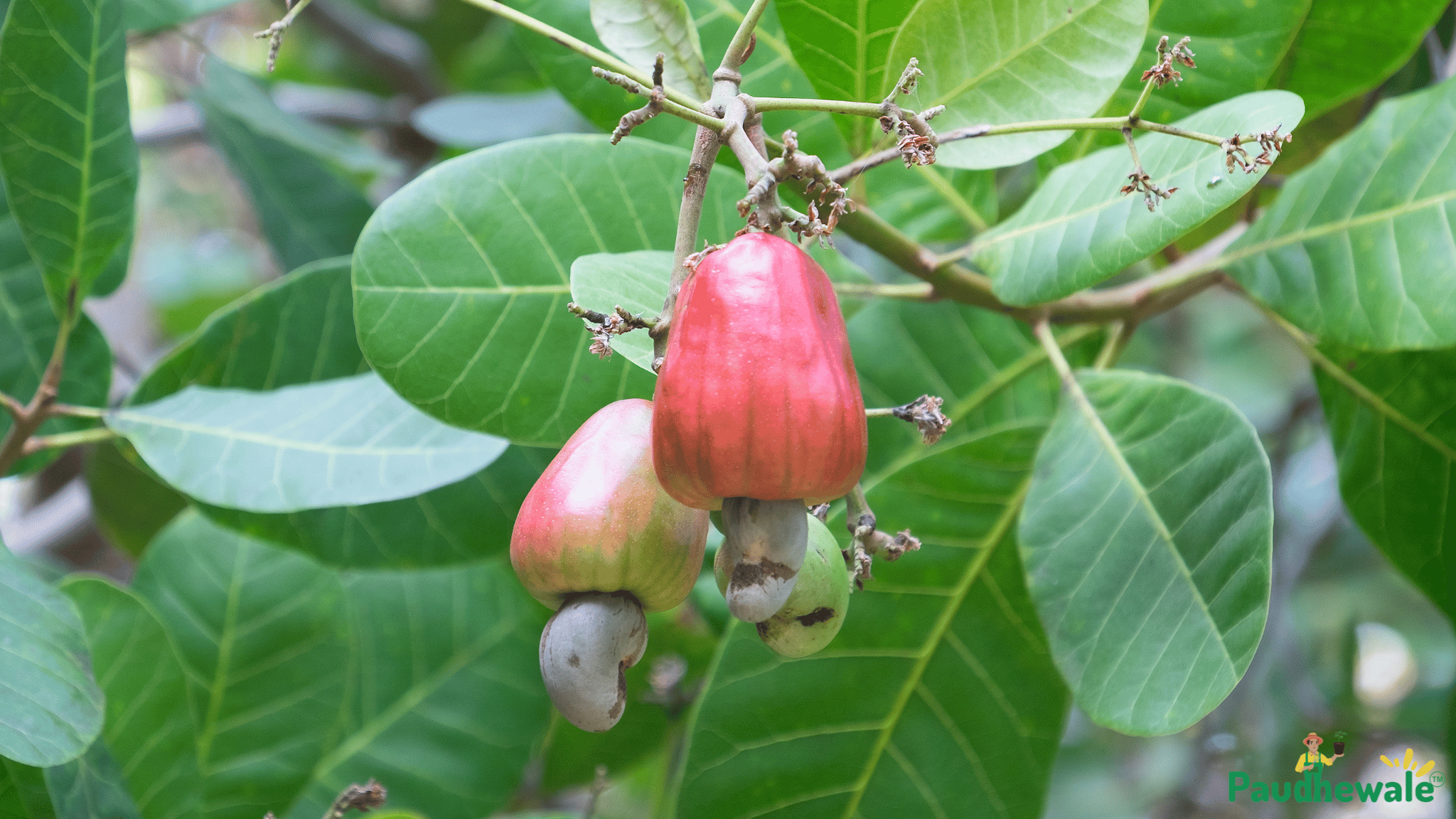
Get detailed planting and spacing guidelines for healthy cashew tree plant growth. Discover everything about cultivating cashew trees: from nutritional benefits and ideal conditions to planting tips, pest control, and harvesting methods. Start your journey to successful cashew cultivation today.
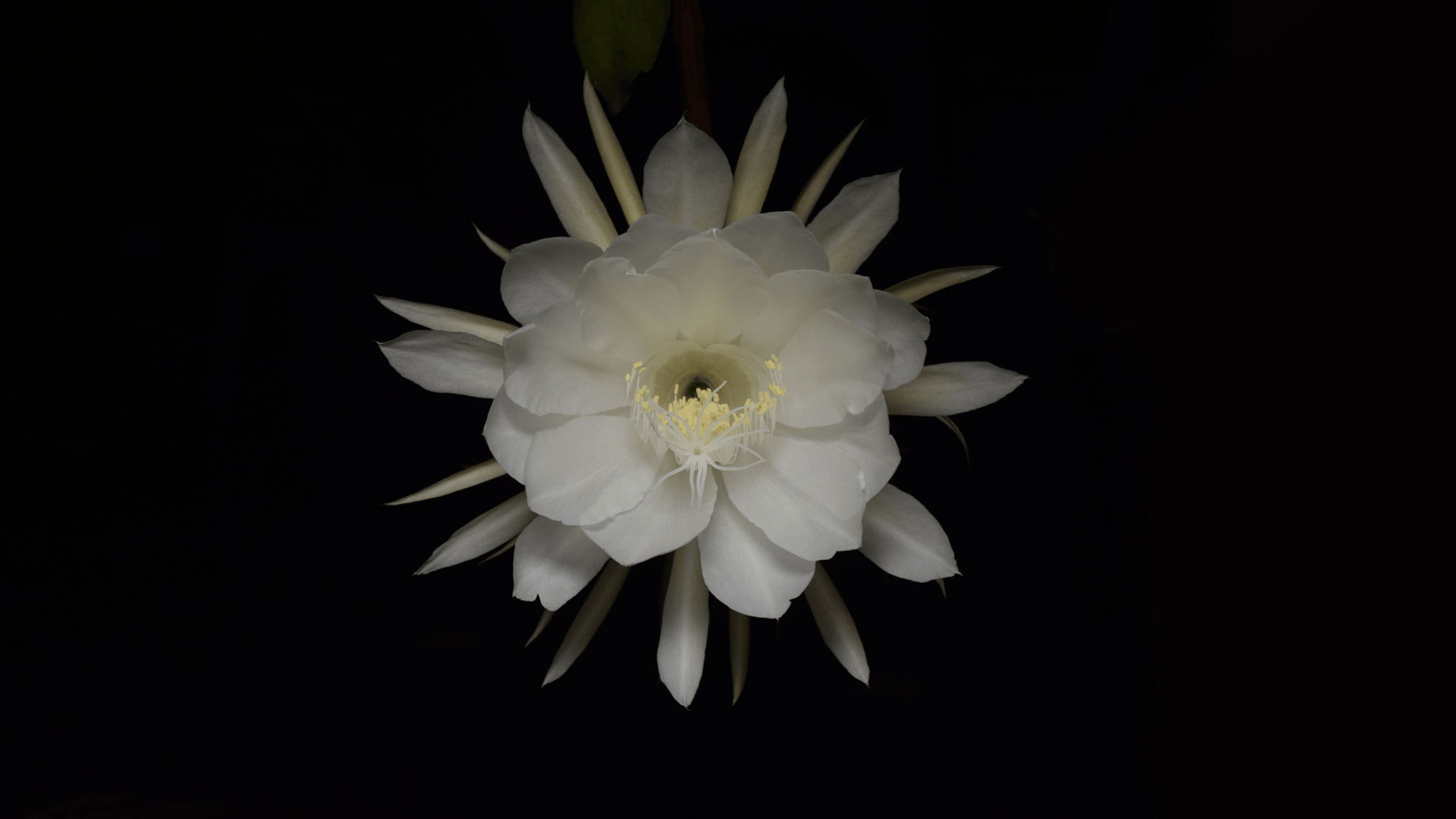
Explore everything about the Brahma Kamal plant (Saussurea obvallata) - its benefits, types, care tips, and Vastu significance. Learn how to cultivate and care for this sacred flower to enhance your home and spiritual well-being.
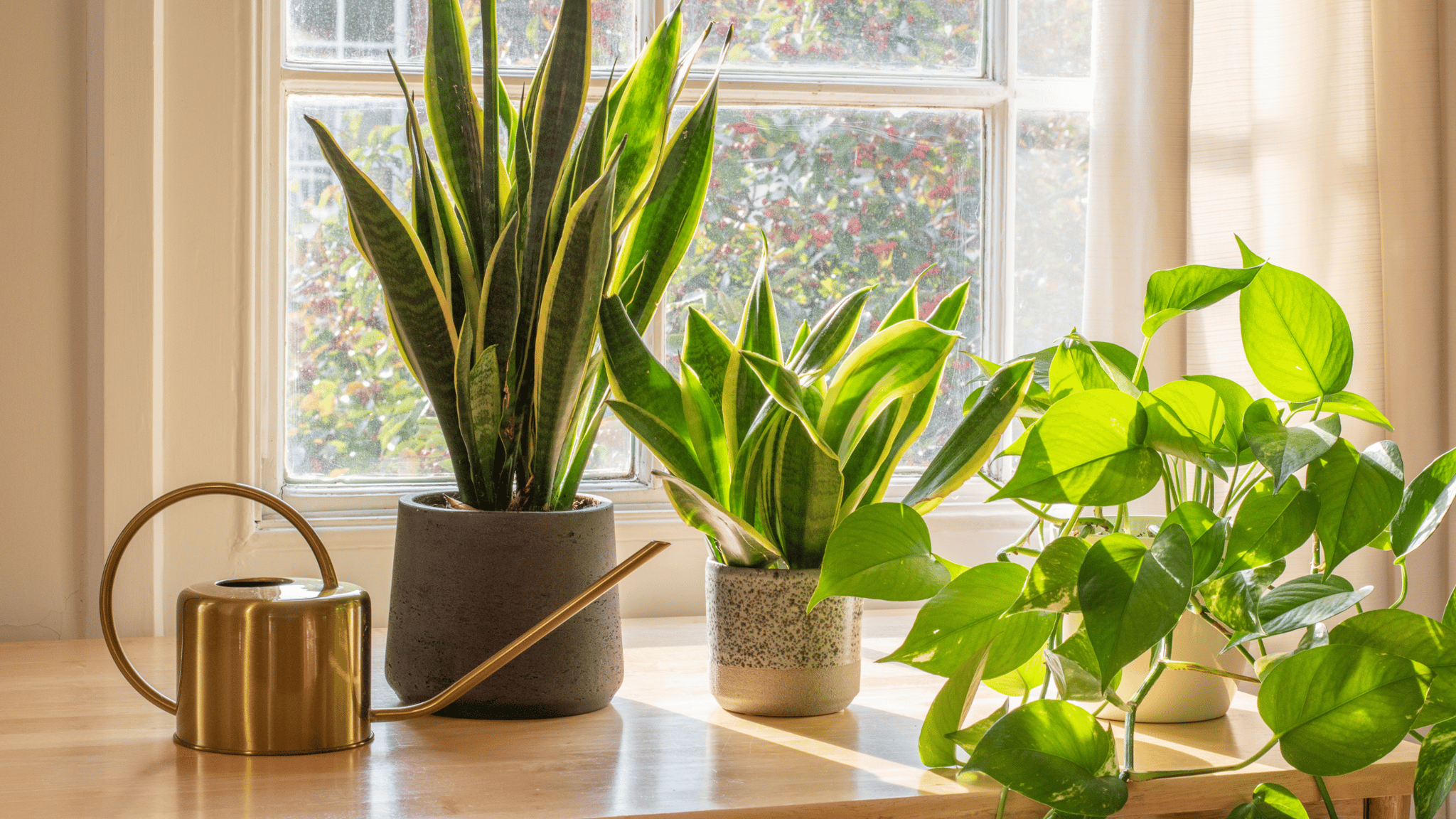
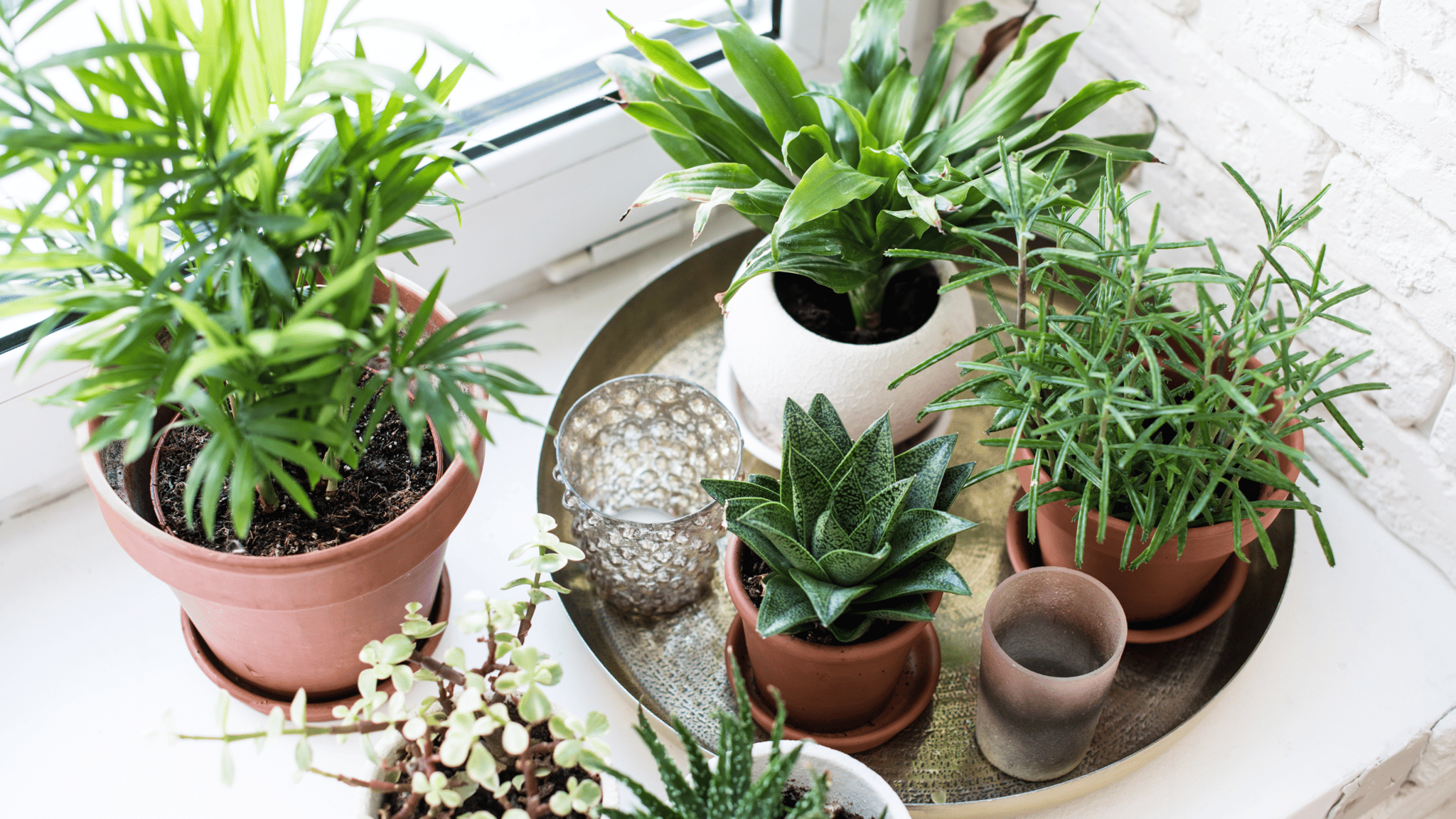
Discover the best houseplants for your home and office, including snake plants, peace lilies, ZZ plants, and more. Learn how to choose the perfect indoor planters and get expert tips on plant care and styling. Transform your space with Paudhewale.com!
Discover the top 10 indoor flowering plants that will add color and vitality to your home. From Peace Lilies to Snake Plants, find easy care instructions and shop live flower plants for sale at Paudhewale.com.
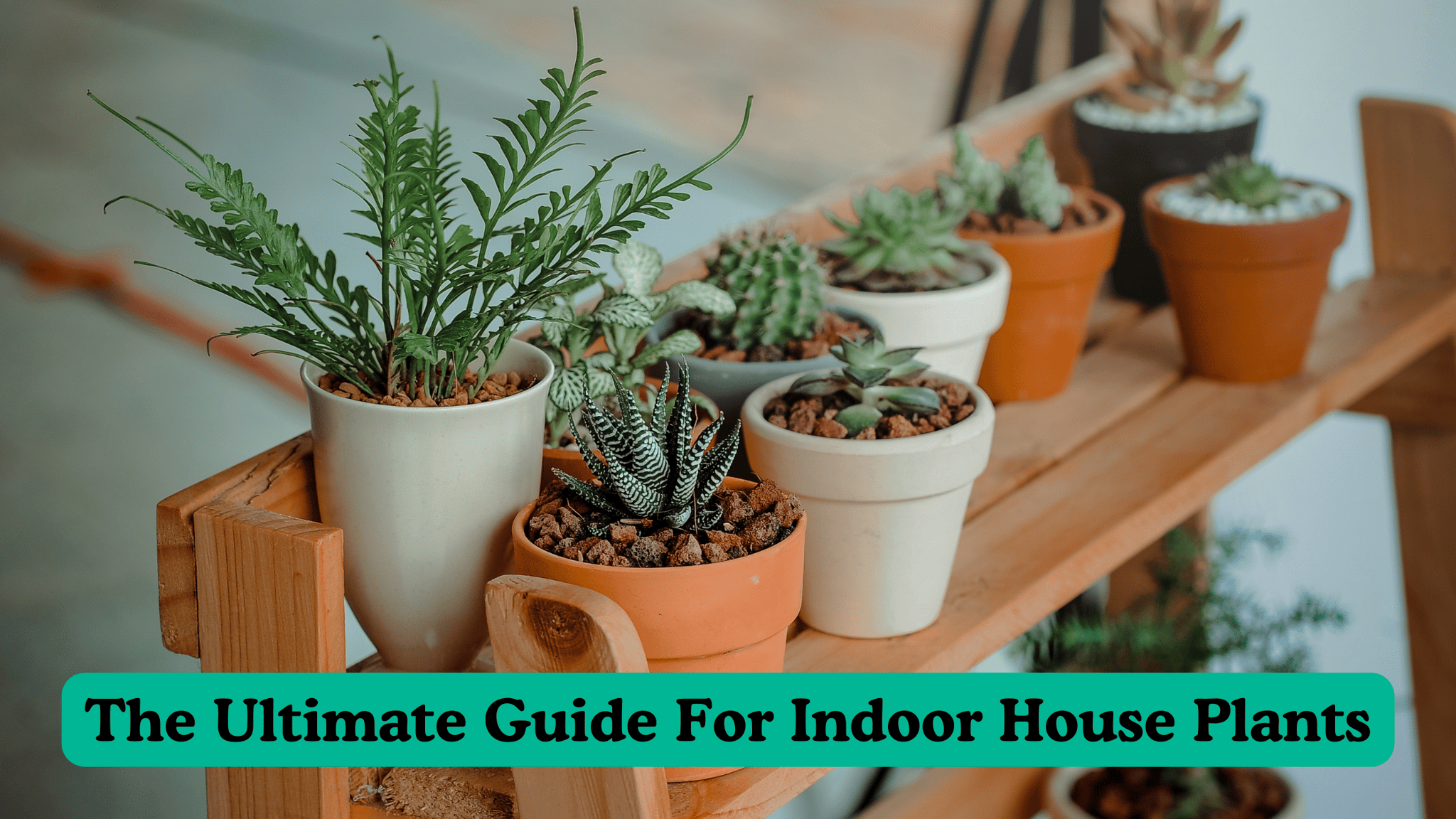
Discover the benefits of indoor house plants and learn how to choose, care for, and style them to create a vibrant indoor garden. Explore a diverse selection of indoor plants at Paudhewale.com.
Refresh your home’s air with our top 5 air-purifying plants. Discover the benefits of Spider Plants, Snake Plants, Peace Lilies, and more on Paudhewale.com. Choose the best plants for your home today!
मई का महीना जब प्रकृति अपने पूरे यौवन पर होती है, तो क्यों न हम भी अपने बगीचों में कुछ नया और खास लगाएँ? यह समय होता है जब विभिन्न प्रकार के पौधे लगाने से वे न केवल अच्छी तरह से उगेंगे बल्कि गर्मी के मौसम में अपनी पूरी शोभा भी दिखाएँगे। यहाँ पर कुछ ऐसे पौधों की चर्चा की जाएगी जो मई के महीने में लगाने के लिए उत्तम माने जाते हैं।
1. हिबिस्कस (Hibiscus)
हिबिस्कस का विस्तृत फूल अपने सबसे खिलते हुए रूप में देखा जा सकता है जब वसंत के अंत में उसे लगाया जाता है। यह पौधा न सिर्फ आपके बगीचे को एक ट्रॉपिकल छवि प्रदान करता है, बल्कि इसकी विविधता में रंगों की एक श्रृंखला भी शामिल है। इसकी देखभाल में नियमित रूप से पानी देना और समय-समय पर खाद डालना शामिल है। यह सुनिश्चित करता है कि आपके पौधे स्वस्थ और खिले हुए रहें।
2. बोगनविलिया (Bougainvillea)
अगर आप अपने बगीचे में एक विस्तृत और रंगीन प्रभाव जोड़ना चाहते हैं, तो बोगनविलिया एक उत्कृष्ट विकल्प है। इसकी उज्ज्वल और आकर्षक फूल पत्तियाँ दीवारों, बाड़ों, और गेजबोज को सजा सकती हैं। बोगनविलिया को उस स्थान पर लगाने की सलाह दी जाती है जहाँ उसे पूर्ण सूर्य प्रकाश मिल सके, जिससे इसकी वृद्धि और फूलों की प्रचुरता में सहायता मिले।
3. चमेली (Jasmine)
चमेली के पौधे, विशेषकर रात की रानी, अपनी मनमोहक खुशबू के लिए प्रिय हैं। इनके सफेद और सुगंधित फूल न केवल आंखों को भाते हैं बल्कि आसपास के वातावरण को भी महकाते हैं। चमेली के पौधे आंशिक छाया में भी अच्छी तरह से उग सकते हैं और इसे अक्सर बाड़ या अन्य संरचनाओं के सहारे उगाया जाता है।
4. चम्पा (Champa)
चम्पा, जिसे प्लुमेरिया के नाम से भी जाना जाता है, अपने अनोखे फूलों और सुगंध के लिए विख्यात है। इस पौधे को लगाने के लिए अच्छी तरह से सूर्य की रोशनी वाली जगह की आवश्यकता होती है, और यह गर्मी के मौसम में विशेष रूप से खिलता है। चम्पा के फूलों की सुगंध आपके बगीचे को एक मधुर और आकर्षक बना सकती है। यह पौधा अपने विशेष देखभाल की मांग करता है जिसमें सही मात्रा में पानी देना और खाद देना शामिल है, ताकि यह स्वस्थ रह सके और अच्छे से बढ़ सके।
5. ज़िनिया (Zinnia)
अगर आप चाहते हैं कि आपके गार्डन में फूल ऐसे हों जो न सिर्फ सुंदर दिखें बल्कि आसानी से उग भी सकें, तो ज़िनिया एक बेहतरीन विकल्प है। इसे मई के महीने में लगाने से यह सम्पूर्ण गर्मियों में खिलता रहेगा। ज़िनिया अपने विभिन्न रंगों और आकारों के कारण विशेष रूप से लोकप्रिय है, और यह पूर्ण सूर्य प्रकाश में उत्तम रूप से उगता है। इसकी देखभाल में मिट्टी को नम रखना और मुरझाए हुए फूलों को निकालना शामिल है, जिससे यह लगातार खिलता रहे।
6. गेंदा (Marigold)
गेंदा अपने चमकीले रंगों और सहज उगने की क्षमता के लिए लोकप्रिय है। ये पौधे न केवल बगीचे को सजाते हैं, बल्कि कीटों को दूर भगाने में भी सहायक होते हैं, खासकर टमाटर और मिर्ची के पौधों के नजदीक लगाने पर। मई का महीना गेंदा लगाने के लिए उत्तम समय है क्योंकि इस समय वे तेजी से बढ़ते हैं और गर्मियों भर खिलते रहते हैं।
7. सनफ्लॉवर (Sunflower)
सूरजमुखी के बड़े, चमकीले फूल गर्मियों के दिनों में आपके बगीचे में खुशी की एक लहर जोड़ सकते हैं। ये फूल न केवल देखने में आकर्षक होते हैं, बल्कि वे पक्षियों, खासकर चिड़ियों के लिए एक प्राकृतिक आहार स्रोत भी बनते हैं। सूरजमुखी को पूर्ण सूर्य की रोशनी और अच्छी तरह से निकासी वाली मिट्टी की आवश्यकता होती है, और यह मई में लगाने पर खूब फलता-फूलता है।
8. कोसमॉस (Cosmos)
कोसमॉस के पौधे अपनी विविधतापूर्ण रंगों और आसान देखभाल के कारण बगीचे में बहुत लोकप्रिय हैं। ये उच्च, हल्के फूलों वाले पौधे बगीचे में ऊंचाई और रंग का एक तत्व जोड़ते हैं और पतझड़ तक खिलते रहते हैं। कोसमॉस बीज से आसानी से उगाया जा सकता है और इसे सूखी और धूप वाली जगहों पर लगाना चाहिए।
9. डेज़ी (Daisy)
डेज़ी अपनी सादगी और खूबसूरती के लिए जानी जाती है। ये फूल विविध प्रकार के रंगों में आते हैं और उन्हें बगीचे में जमीनी स्तर पर या कंटेनर में उगाया जा सकता है। डेज़ी खासतौर पर शुरुआती गर्मियों में खिलती हैं और उन्हें पूर्ण सूर्य की रोशनी और अच्छी तरह से निकासी वाली मिट्टी में लगाना चाहिए।
इन पौधों को अपने बगीचे में शामिल करने से न केवल विविधता और सौंदर्य मिलेगा, बल्कि ये आपके बगीचे को एक खुशहाल और जीवंत स्थान बनाने में भी मदद करेंगे। चाहे आपको फूलों की खेती का शौक हो या आप एक पेशेवर गार्डनर हों, ये पौधे आपके बगीचे के लिए उत्कृष्ट विकल्प हैं।
10. लिली (Lily)
लिली के फूल उनकी खूबसूरती और विशिष्ट सुगंध के लिए विश्वव्यापी रूप से प्रसिद्ध हैं। ये बहुमुखी पौधे विभिन्न प्रकारों में आते हैं जैसे कि एशियाई लिली, दयाली लिली, और ट्रम्पेट लिली, प्रत्येक के अपने अनूठे आकार और रंग होते हैं। लिली को मई के महीने में लगाना उत्तम रहता है, क्योंकि इस समय लगाए गए पौधे गर्मियों के दौरान खिलते हैं और उनकी चमकदार पत्तियाँ और आकर्षक फूल बगीचे को एक नया आयाम देते हैं। लिली के पौधे आमतौर पर पूर्ण सूर्य से लेकर आंशिक छाया तक विभिन्न प्रकार के स्थानों में अच्छी तरह से उग सकते हैं और उन्हें नियमित रूप से पानी देने की जरूरत होती है।
बगीचे की योजना और तैयारी
इन पौधों को चुनते समय, यह समझना महत्वपूर्ण है कि हर पौधे की अपनी विशेष जरूरतें होती हैं जैसे कि सूर्य की रोशनी, पानी, और मिट्टी की किस्म। यह भी ध्यान रखें कि कुछ पौधे जैसे कि बोगनविलिया और हिबिस्कस बड़े होते हैं और उन्हें अधिक जगह की आवश्यकता होती है, जबकि चमेली और ज़िनिया कम जगह में भी सुंदर रूप से बढ़ सकते हैं।
अपने बगीचे की योजना बनाते समय इन बातों का ध्यान रखें और प्रत्येक पौधे के लिए उचित स्थान चुनें। इसके अलावा, पौधों के बीच की जगह को भी समझदारी से वितरित करें ताकि जब वे बढ़ें तो एक दूसरे की वृद्धि में बाधा न बनें।
इन सबका ध्यान रखते हुए अगर आप अपने बगीचे में थोड़ा समय और प्रेम निवेश करते हैं, तो निश्चित रूप से आपका बगीचा न केवल एक खूबसूरत दृश्य प्रस्तुत करेगा बल्कि एक सुखदायक स्थल भी बन जाएगा जहाँ आप आराम फरमा सकते हैं।
Sehtus, also known as Graviola or Soursop, is a tropical fruit-bearing plant that is native to South America, Africa, and Southeast Asia. It is known for its unique flavor and health benefits, which have made it a popular ingredient in many traditional medicines.
Sehtus has anti-cancer properties due to its high content of natural compounds called acetogenins. These compounds have been found to be effective against cancer cells in several laboratory studies.
Acetogenins are a group of complex polyketides that are unique to certain plant species, including Sehtus. They work by blocking the production of ATP (adenosine triphosphate), a molecule that provides energy to cells. Cancer cells require high levels of ATP to grow and divide rapidly, so when the production of ATP is blocked, the cancer cells are unable to function properly and may even die.
Studies have found that acetogenins from Sehtus can selectively target and kill cancer cells, without harming healthy cells. This makes them a promising natural treatment for various types of cancer, including breast, colon, prostate, lung, and pancreatic cancer.
However, it is important to note that while Sehtus may have anti-cancer properties, it should not be used as a substitute for conventional cancer treatment. Further research is needed to fully understand the anti-cancer effects of Sehtus, and it is always important to consult with a healthcare professional before starting any new treatments.
So why not give Sehtus fruit a try and experience its delicious taste and health benefits for yourself visit https://plantsouk.com/
Health Benefits of Sehtus:
1. Boosts Immune System:
Sehtus is rich in Vitamin C, which is essential for boosting the immune system. A healthy immune system is vital for fighting off infections and diseases.
2. Anti-inflammatory properties:
Sehtus contains compounds that have anti-inflammatory properties, making it useful in reducing inflammation and pain caused by conditions such as arthritis.
3. Anti-cancer properties:
Sehtus contains natural compounds that have been shown to have anti-cancer properties. These compounds help to prevent the growth and spread of cancer cells, making it an important addition to any cancer-fighting regimen.
4. Lowers Blood Pressure:
Sehtus has been found to have a hypotensive effect, which means it can help to lower blood pressure. This makes it a useful natural remedy for people with hypertension.
5. Aids Digestion:
Sehtus is high in dietary fiber, which aids in digestion and helps to prevent constipation. The fruit also contains compounds that help to kill harmful bacteria in the gut.
Sehtus is a plant with many health benefits, including boosting the immune system, reducing inflammation, fighting cancer, and aiding digestion. Its popularity is increasing, and it is becoming a staple ingredient in many health supplements and products. If you are looking for a natural way to improve your health, consider adding Sehtus to your diet.
There are several reasons why you should consider eating Sehtus fruit. it is a great source of vitamins and minerals. It is rich in Vitamin C, B vitamins, and potassium, which are essential for maintaining good health.
Sehtus fruit contains natural compounds that have been shown to have anti-inflammatory and anti-cancer properties. These compounds, such as acetogenins, have been found to be effective in fighting various types of cancer cells.
Sehtus fruit is low in calories and high in fiber, which makes it an excellent addition to any weight loss diet. The fiber helps to keep you feeling full, reducing the temptation to snack on unhealthy foods.
Sehtus fruit is delicious and versatile. It can be eaten on its own or used in a variety of recipes, from smoothies to pies to ice cream. Its unique flavor and health benefits make it a great addition to any diet.
Sehtus fruit has a unique taste that is difficult to describe, but it is a nutritious and delicious fruit that is packed with health benefits. It is an excellent source of vitamins and minerals, has anti-inflammatory and anti-cancer properties, aids in weight loss, and is versatile in the kitchen.
As the scorching heat of summer descends upon us, it becomes essential to explore effective ways to combat the rising temperatures. One of nature's remarkable solutions lies in the presence of plants. The abundance of greenery not only enhances the aesthetic appeal but also plays a vital role in reducing the surrounding temperature. In this article, we will delve into the various ways in which plants contribute to cooling the environment during the summer season, backed by scientific research and renowned experts' opinions. Additionally, we will highlight the vision of Paudhewale.com, an Indian plant-selling website, which aims to promote greenery and increase the sale of plants.
The Cooling Process by Plants: Plants possess unique mechanisms that aid in cooling their surroundings. Firstly, they absorb the sunlight through their leaves, utilizing a process known as "transpiration." This process significantly contributes to reducing temperature levels. Renowned scientists have emphasized the significance of transpiration in cooling the environment. Dr. David Ramsey, a prominent conservation scientist, states, "Plants cool the surroundings through their shade, evapotranspiration, and oxygen production. Expanding the presence of trees can also contribute to balancing the heat for more environmentally conscious cases."
Furthermore, plants create a cooling effect through the utilization of air convection. They release natural coolness through their leaves, providing a pleasant ambiance. The shade created by the foliage plays a crucial role in blocking the direct sunlight, thus lowering the temperature. This process is known as "evapotranspiration," wherein water vapor released by the leaves evaporates into the atmosphere, contributing to cooling.
Moreover, plants facilitate the generation and dissemination of air pollutants, which aid in reducing heat. The oxygen produced by plants helps purify the atmosphere by absorbing the carbon dioxide present in the environment, thereby maintaining a balanced temperature.
Several studies conducted by renowned scientists have further validated the impact of plants on reducing temperatures. Dr. Emily Johnson, a botanist, affirms, "The cooling effect of plants is scientifically proven. Their ability to provide shade, evapotranspiration, and oxygen production significantly contributes to regulating temperature levels." These expert opinions highlight the importance of incorporating plants in our surroundings to combat the summer heat effectively.
Promoting Greenery and Cooling Solutions: Paudhewale.com, an Indian plant-selling website, recognizes the valuable contribution of plants in creating a cooler environment. It's mission revolves around increasing awareness about the importance of plants and their beneficial properties. By offering a wide range of plants and providing valuable insights on plant care, Paudhewale.com aims to inspire individuals to embrace the power of greenery and contribute to a healthy, cool, and beautiful environment.
In conclusion, the presence of plants plays a significant role in reducing temperatures and combating the intense heat of summer. Through transpiration, evapotranspiration, and oxygen production, plants actively contribute to creating a cooler and more pleasant environment. Renowned scientists endorse the effectiveness of plants in cooling the surroundings. Paudhewale.com's vision aligns with the promotion of greenery and encourages individuals to increase their participation in fostering a greener environment. Embrace the power of plants, enhance your living spaces, and relish the benefits of a cooler and healthier atmosphere.
Introduction:
In the hustle and bustle of modern life, not everyone has the luxury of a sprawling backyard. However, the desire to cultivate a green haven is still within reach through the art of container gardening. In this comprehensive guide, we'll explore the ins and outs of container gardening, offering valuable insights, tips, and plant recommendations to transform even the smallest spaces into flourishing gardens.
1: Choosing the Right Containers
Container gardening starts with selecting the right pots or containers. Discuss the following points:
Materials: From classic terracotta to modern plastic, explore the pros and cons of different container materials.
Size Matters: Guide readers on choosing the appropriate size for different plants, considering their growth habits and root systems.
Drainage: Emphasize the importance of proper drainage to prevent waterlogged soil and root rot.
2: Best Plants for Container Gardening
Delve into plant choices that thrive in containers:
Herbs: Discuss the ease of growing herbs like basil, rosemary, and mint in small spaces.
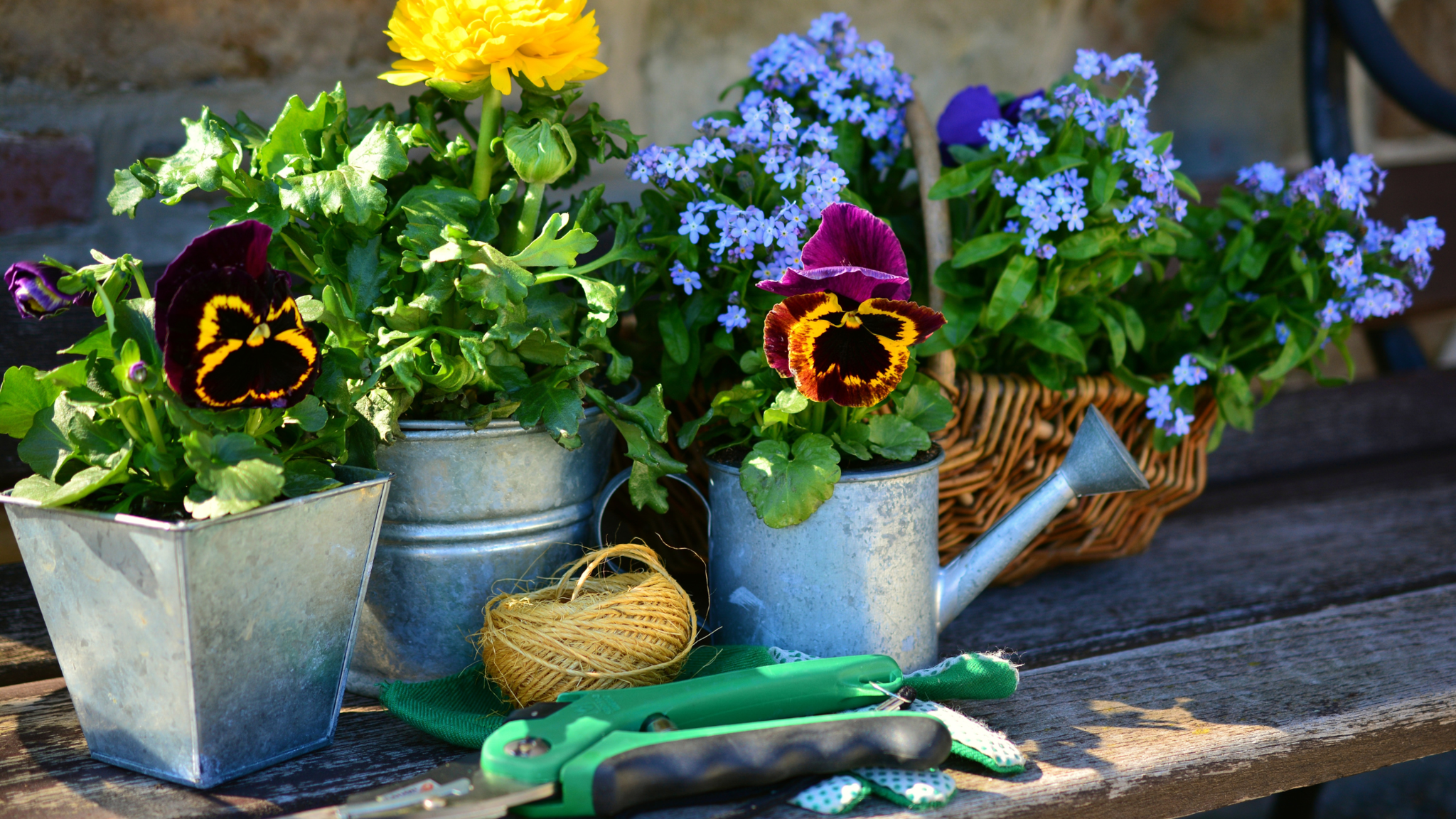
Flowers: Highlight colorful blooms such as petunias, marigolds, and geraniums that add vibrancy to container gardens.
Vegetables: Explore compact vegetable varieties like cherry tomatoes, dwarf peppers, and patio-sized zucchini.
3: Tips for Successful Container Gardening
Provide practical advice for maintaining a healthy and thriving container garden:
Soil and Fertilization: Discuss the importance of quality potting mix and periodic fertilization for container-grown plants.
Watering Techniques: Guide readers on proper watering schedules, avoiding both drought stress and waterlogging.
Seasonal Considerations: Address how to protect container plants in extreme weather conditions, such as frost or intense heat.
Conclusion
Wrap up the blog post by reiterating the versatility and accessibility of container gardening. Encourage readers to embark on their own container gardening journey, regardless of the space available.
Introduction:
Aspiring gardeners embarking on their green journey often seek plants that are resilient, low-maintenance, and rewarding. Whether you're adorning your living space with lush foliage or cultivating a serene outdoor oasis, choosing the right plants can make all the difference. In this comprehensive guide, we'll explore the top 10 plants tailored for beginners, offering vibrant beauty and minimal upkeep.
1. Spider Plant (Chlorophytum comosum):
Spider plants are renowned for their air-purifying qualities and forgiving nature. With graceful arching leaves and prolific growth, they thrive in various light conditions and require minimal watering, making them perfect for novice gardeners.
2. Snake Plant (Sansevieria trifasciata):
The snake plant, with its striking vertical foliage, is a hardy species that tolerates neglect and low-light environments exceptionally well. Its sleek architectural appeal and air-purifying attributes make it a must-have for beginner indoor gardens.
3.Pothos (Epipremnum aureum):
Pothos, also known as Devil's ivy, is celebrated for its vibrant trailing vines and adaptability to diverse lighting conditions. This resilient plant thrives in neglect and can even purify indoor air, making it an ideal choice for those new to gardening.
4. Peace Lily (Spathiphyllum wallisii):
The elegant peace lily graces indoor spaces with its glossy foliage and delicate white blooms. Thriving in low to moderate light, this plant requires minimal maintenance and rewards caretakers with its enduring beauty and air-purifying prowess.
5. ZZ Plant (Zamioculcas zamiifolia):
The ZZ plant is revered for its glossy, waxy leaves and remarkable tolerance to neglect. Thriving in low light and infrequent watering, it adds a touch of modern elegance to any indoor setting while requiring minimal care.
6. Jade Plant (Crassula ovata):
The jade plant, with its succulent leaves and symbolic significance of prosperity, is an excellent choice for novice gardeners. Thriving in bright, indirect light and minimal watering, it's a resilient addition to any indoor or outdoor space.
7. Aloe Vera (Aloe barbadensis miller):
Aloe vera, revered for its medicinal properties and soothing gel, is a versatile plant that flourishes with minimal attention. With its succulent leaves and drought-tolerant nature, it's an ideal choice for beginners seeking both beauty and practicality.
8. Rubber Plant (Ficus elastica):
The rubber plant's broad, glossy leaves and robust stature make it a striking addition to any indoor jungle. Tolerant of low light and sporadic watering, it offers an enduring presence and air-purifying benefits for beginner gardeners.
9. Dracaena (Dracaena marginata):
Dracaenas, with their slender, arching leaves and tropical charm, thrive in moderate to bright indirect light. These low-maintenance plants add a touch of exotic elegance to interior spaces while requiring minimal care and attention.
10. Philodendron (Philodendron hederaceum):
Philodendrons, with their heart-shaped leaves and trailing vines, are beloved for their ease of care and ornamental appeal. Adaptable to various light conditions and forgiving of occasional neglect, they're perfect for beginners looking to cultivate lush greenery indoors.
Conclusion:
Embarking on a journey into the world of gardening is an exciting endeavor, and selecting the right plants can set you on the path to success. With the top 10 plants for beginners outlined in this guide, you can embark on your green journey with confidence, knowing that these resilient beauties will thrive with minimal care while bringing joy and serenity to your living spaces.