

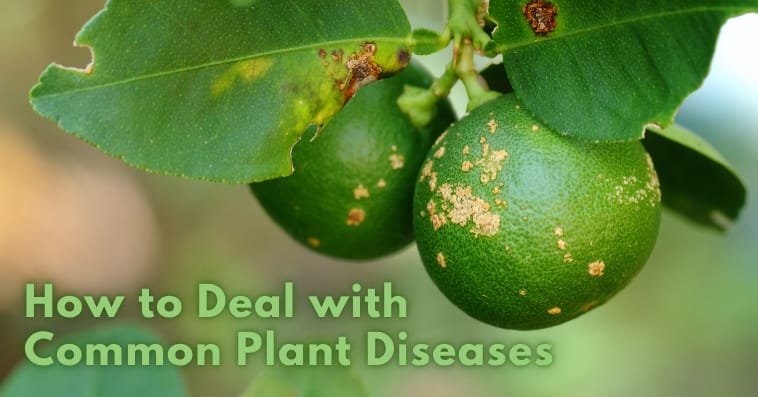
Gardening is a rewarding hobby, but nothing is more disheartening than watching your beloved plants fall prey to diseases. From yellowing leaves to powdery mildew, plant diseases can turn a lush garden into a battleground. But don’t worry — with the right knowledge, you can combat these issues before they destroy your green paradise.
1. Powdery Mildew: The White Dust You Can’t Ignore
Symptoms:
White, powdery spots on leaves, stems, and buds. Eventually, leaves may turn yellow and fall off.
Causes:
Powdery mildew thrives in warm, dry environments with poor air circulation. Overcrowded plantings and excess nitrogen can worsen the problem.
Solution:
-
Prune affected leaves and improve air circulation around the plant.
-
Spray a mix of 1 tablespoon baking soda + 1/2 teaspoon liquid soap in 1 liter of water weekly.
-
Avoid overhead watering and always water early in the day.
2. Leaf Spot: Dots That Kill
Symptoms:
Brown, black, or yellow spots on leaves, often with a halo. Leaves may drop prematurely.
Causes:
Caused by fungi or bacteria, often triggered by excess moisture or contaminated soil.
Solution:
-
Remove and discard affected leaves (don’t compost them!).
-
Use a copper-based fungicide or neem oil.
-
Avoid splashing water on foliage while watering.
3. Root Rot: The Silent Killer Beneath the Soil
Symptoms:
Wilting, yellowing leaves, mushy or dark roots, and stunted growth.
Causes:
Overwatering and poor drainage cause roots to suffocate and rot due to fungal infections.
Solution:
-
Remove the plant from its pot, cut off rotten roots, and repot in fresh, well-draining soil.
-
Use pots with drainage holes.
-
Apply biological fungicides like Trichoderma.
4. Blight: The Fast-Spreading Menace
Symptoms:
Sudden browning or blackening of leaves and stems, often affecting entire sections of the plant overnight.
Causes:
Fungal or bacterial infection, often spread in wet, warm conditions.
Solution:
-
Remove and destroy all infected parts immediately.
-
Avoid watering during the evening.
-
Use a fungicide spray with copper or sulfur compounds.
5. Rust: The Orange Dust
Symptoms:
Rusty orange, red, or brown pustules on the underside of leaves. Leaves eventually turn yellow and fall off.
Causes:
Fungal spores thrive in humid environments and spread quickly through wind or water.
Solution:
-
Remove infected leaves immediately.
-
Apply sulfur-based fungicide weekly during outbreaks.
-
Improve garden airflow and avoid wetting foliage.
🌞 Smart Shopping Tip: Order disease-inspected, rust-free plant stock from PaudheWale for healthier garden growth.
Bonus Tips: How to Prevent Plant Diseases Proactively
✅ 1. Use Disease-Resistant Varieties
Choose plants bred to resist common diseases. Always check the label or description when buying.
✅ 2. Rotate Crops and Re-pot
In kitchen gardens, rotate crops annually. For potted plants, re-pot with fresh soil every season.
✅ 3. Water the Right Way
Water at the base of the plant early in the morning. This keeps foliage dry and reduces the chance of fungal growth.
✅ 4. Keep Tools Clean
Sanitize gardening tools regularly to avoid transferring diseases from one plant to another.
✅ 5. Quarantine New Plants
Keep new plants away from existing ones for at least 1–2 weeks to monitor for hidden infections.
If you're looking for organic alternatives, here are a few gentle and eco-friendly options:
-
Neem Oil Spray: Natural insecticide and fungicide
-
Garlic Spray: Antibacterial and antifungal properties
-
Chamomile Tea: Prevents damping off in seedlings
-
Cinnamon Powder: Stops fungal growth on cuttings and in potting soil
Where to Buy Healthy, Disease-Free Plants?
Plant diseases often begin at the source — from infected or low-quality stock. That’s why it’s essential to buy plants from a reliable, disease-conscious seller.