

![Adenium Grafted Red Flowers Live Plant [RAJ GARDEN PLANTS]](https://www.paudhewale.com/s/660a356584d1ac2391ae69de/6a0b09900ad03c5dc1f9ad35/blob-ac1b458-640x640.png "Adenium Grafted Red Flowers Live Plant [RAJ GARDEN PLANTS]")
₹1,001₹260
![Ratrani,रातरानी, Night Blooming Jasmine, Cestrum Nocturnum Live Plant [RAJ GARDEN PLANTS]](https://www.paudhewale.com/s/660a356584d1ac2391ae69de/6a0b094eaffb47165e7b6fcb/9_original-640x640.jpg "Ratrani,रातरानी, Night Blooming Jasmine, Cestrum Nocturnum Live Plant [RAJ GARDEN PLANTS]")
₹1,001₹258
![Henna Plant, Hena Plant Mehndi Live Plants, Lawsonia inermis [RAJ GARDEN PLANTS]](https://www.paudhewale.com/s/660a356584d1ac2391ae69de/6a0b07b1affb47165e7b5ed8/henapercent20plant-640x640.jpg "Henna Plant, Hena Plant Mehndi Live Plants, Lawsonia inermis [RAJ GARDEN PLANTS]")
₹506₹258
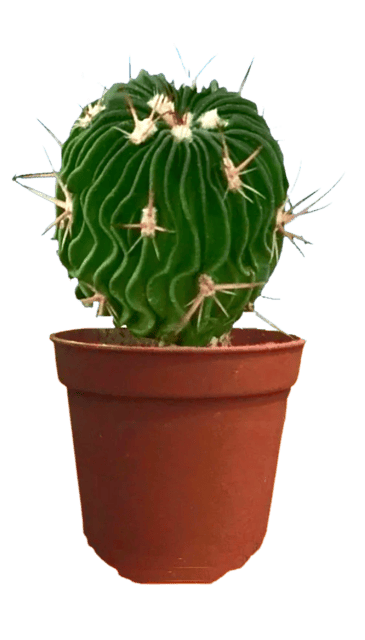
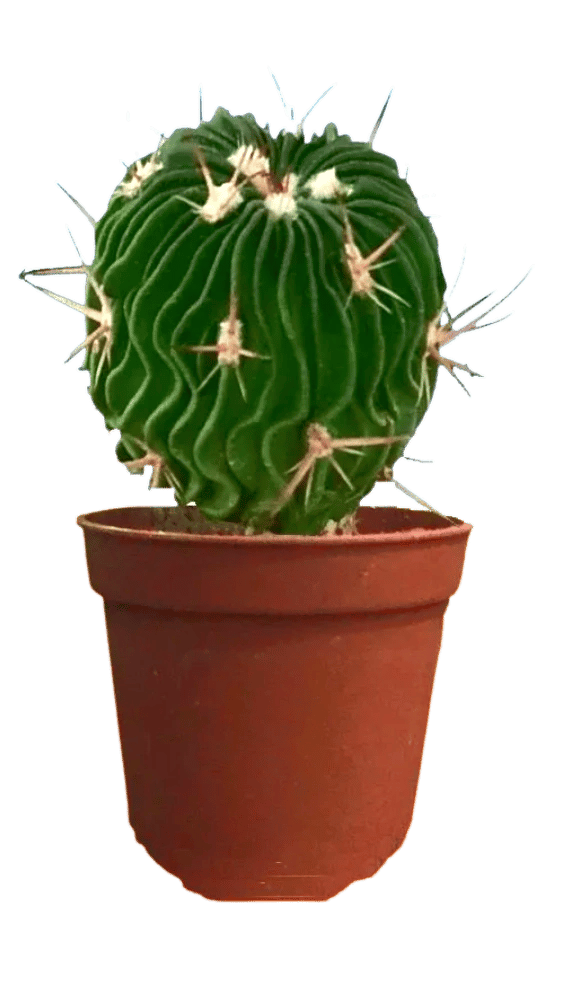
![Stenocactus multicostatus , Cactus Live Plant ,Brain Cactus [RAJ GARDEN PLANTS]](https://www.paudhewale.com/s/660a356584d1ac2391ae69de/6a0b069caffb47165e7b5861/blob-84de85c.png)
This is a live plant of RAJ GARDEN PLANTS Stenocactus multicostatus , Echinofossulo Cactus phyllacanthus Cactus Live Plant(Brain Cactus) Stenocactus multicostatus, also known as the "Brain Cactus" or "Brain Cactus Cephalium," is a distinctive and captivating cactus species. Native to Mexico, it is characterized by its unique spherical or oval-shaped body with pronounced ribs that resemble a brain's convolutions. The cactus typically remains solitary, growing up to about 4-6 inches in height, making it a great choice for small spaces and indoor cultivation. Stenocactus multicostatus is part of the Cactaceae family and is favored for its visually appealing appearance and relatively low-maintenance care requirements. As the cactus matures, it develops a "cephalium," which is a woolly, tuft-like structure that emerges from the apex, producing flowers and seeds. The cephalium is covered in fine white hairs and is where the cactus produces its blooms, typically in shades of pink or purple. Stenocactus multicostatus is slow-growing, making it a patient gardener's delight, and it can live for many years with proper care. This cactus thrives in bright indirect sunlight, making it suitable for sunny windowsills or well-lit indoor spaces. When it comes to watering, allow the soil to dry out completely between waterings. Water sparingly, especially during the dormant winter months. Plant Stenocactus multicostatus in a well-draining cactus or succulent potting mix, and ensure the pot has drainage holes to prevent waterlogging. Fertilize the cactus with a diluted, balanced cactus fertilizer during the growing season (spring and summer) to promote healthy growth and flowering. The Brain Cactus can be susceptible to pests like mealybugs and scale insects. Regularly inspect the plant and treat any infestations promptly. Display Stenocactus multicostatus as a focal point in your indoor or outdoor garden, or incorporate it into decorative arrangements with other succulents. Exercise caution when handling the cactus due to its spines, and consider using gloves or tools to avoid injury. The Brain Cactus's unique appearance and low-maintenance care make it a popular choice for cactus enthusiasts and collectors. Consult local experts or gardening resources for specific care recommendations tailored to your growing conditions to ensure the health and longevity of your Stenocactus multicostatus cactus plant. Growing and Care Tips for Stenocactus multicostatus Cactus Plant (Brain Cactus): 1. Light Requirements: Place your Stenocactus multicostatus in bright indirect sunlight. It thrives with several hours of filtered sunlight each day. Avoid exposing it to intense, direct sunlight, especially during the hottest hours, as it can scorch the plant. 2. Temperature and Humidity: Keep the cactus in a warm environment, with temperatures between 70-90°F (21-32°C) during the growing season. Stenocactus multicostatus prefers low to moderate humidity levels, making it well-suited for indoor environments. 3. Watering: Water the cactus sparingly. Allow the top inch of the soil to dry out completely between waterings. During the growing season (spring and summer), water more frequently, but reduce watering in the dormant season (fall and winter). 4. Soil and Potting: Use a well-draining cactus or succulent potting mix. You can also amend regular potting soil with sand or perlite to enhance drainage. Choose a pot with drainage holes to prevent water accumulation and root rot. 5. Fertilization: Feed your Stenocactus multicostatus with a diluted, balanced cactus fertilizer every 4-6 weeks during the growing season (spring and summer). Suspend fertilization during the dormant period in fall and winter. 6. Pruning and Maintenance: Prune the cactus to remove any dead or damaged parts. Use caution and protective gloves to avoid contact with the spines. 7. Cephalium Care: As the cactus matures, it will develop a woolly cephalium. Allow the cephalium to develop fully, as this is where the plant will produce its flowers. Do not disturb the cephalium, as it is an essential part of the plant's flowering process. 8. Toxicity and Handling: Handle the cactus with care, as it has spines that can cause injury. Wear gloves or use tools when necessary. Keep the cactus out of reach of children and pets, as it may be toxic if ingested. 9. Pests and Diseases: Regularly inspect the cactus for pests such as mealybugs or scale insects. If you notice an infestation, address it promptly with neem oil or insecticidal soap. 10. Display and Aesthetics: Showcase your Stenocactus multicostatus as a unique and eye-catching accent in your indoor or outdoor garden. Consider planting it in a decorative container that complements its distinctive appearance. 11. Patience and Observation: Be patient, as Stenocactus multicostatus is slow-growing. Observe its growth and adjust care based on its needs. 12. Consultation: If you're new to caring for Stenocactus multicostatus, consult with local experts or gardening resources for specific advice tailored to your growing conditions. By following these care tips, you'll be well on your way to cultivating a healthy and thriving Stenocactus multicostatus cactus plant that will captivate and enrich your indoor or outdoor space.
RAJ-GRD-PLN5Choose your location
Please provide your delivery pincode to see products available in your area
COD (Cash On Delivery) On request
🎁Gift Coupons: Share your unboxing video & receive an exclusive gift coupon as a thank-you!
Share here
🚫No Claims After Repotting: If a plant is transferred to another pot and gets damaged, no claims will be accepted. Re-potting is at your own risk.
📸Unboxing Video Required: To claim a refund or replacement for any product, you must share an uncut unboxing video upon receiving the item.
⏳Raise Claim Within 24 Hours: To be eligible for any refund/replacement, raise a claim within 24 hours of delivery.(For plants only, for other categories the claim window is 5 days)
| brand | Raj Garden Plants |
This is a live plant of RAJ GARDEN PLANTS Stenocactus multicostatus , Echinofossulo Cactus phyllacanthus Cactus Live Plant(Brain Cactus) Stenocactus multicostatus, also known as the "Brain Cactus" or "Brain Cactus Cephalium," is a distinctive and captivating cactus species. Native to Mexico, it is characterized by its unique spherical or oval-shaped body with pronounced ribs that resemble a brain's convolutions. The cactus typically remains solitary, growing up to about 4-6 inches in height, making it a great choice for small spaces and indoor cultivation. Stenocactus multicostatus is part of the Cactaceae family and is favored for its visually appealing appearance and relatively low-maintenance care requirements. As the cactus matures, it develops a "cephalium," which is a woolly, tuft-like structure that emerges from the apex, producing flowers and seeds. The cephalium is covered in fine white hairs and is where the cactus produces its blooms, typically in shades of pink or purple. Stenocactus multicostatus is slow-growing, making it a patient gardener's delight, and it can live for many years with proper care. This cactus thrives in bright indirect sunlight, making it suitable for sunny windowsills or well-lit indoor spaces. When it comes to watering, allow the soil to dry out completely between waterings. Water sparingly, especially during the dormant winter months. Plant Stenocactus multicostatus in a well-draining cactus or succulent potting mix, and ensure the pot has drainage holes to prevent waterlogging. Fertilize the cactus with a diluted, balanced cactus fertilizer during the growing season (spring and summer) to promote healthy growth and flowering. The Brain Cactus can be susceptible to pests like mealybugs and scale insects. Regularly inspect the plant and treat any infestations promptly. Display Stenocactus multicostatus as a focal point in your indoor or outdoor garden, or incorporate it into decorative arrangements with other succulents. Exercise caution when handling the cactus due to its spines, and consider using gloves or tools to avoid injury. The Brain Cactus's unique appearance and low-maintenance care make it a popular choice for cactus enthusiasts and collectors. Consult local experts or gardening resources for specific care recommendations tailored to your growing conditions to ensure the health and longevity of your Stenocactus multicostatus cactus plant. Growing and Care Tips for Stenocactus multicostatus Cactus Plant (Brain Cactus): 1. Light Requirements: Place your Stenocactus multicostatus in bright indirect sunlight. It thrives with several hours of filtered sunlight each day. Avoid exposing it to intense, direct sunlight, especially during the hottest hours, as it can scorch the plant. 2. Temperature and Humidity: Keep the cactus in a warm environment, with temperatures between 70-90°F (21-32°C) during the growing season. Stenocactus multicostatus prefers low to moderate humidity levels, making it well-suited for indoor environments. 3. Watering: Water the cactus sparingly. Allow the top inch of the soil to dry out completely between waterings. During the growing season (spring and summer), water more frequently, but reduce watering in the dormant season (fall and winter). 4. Soil and Potting: Use a well-draining cactus or succulent potting mix. You can also amend regular potting soil with sand or perlite to enhance drainage. Choose a pot with drainage holes to prevent water accumulation and root rot. 5. Fertilization: Feed your Stenocactus multicostatus with a diluted, balanced cactus fertilizer every 4-6 weeks during the growing season (spring and summer). Suspend fertilization during the dormant period in fall and winter. 6. Pruning and Maintenance: Prune the cactus to remove any dead or damaged parts. Use caution and protective gloves to avoid contact with the spines. 7. Cephalium Care: As the cactus matures, it will develop a woolly cephalium. Allow the cephalium to develop fully, as this is where the plant will produce its flowers. Do not disturb the cephalium, as it is an essential part of the plant's flowering process. 8. Toxicity and Handling: Handle the cactus with care, as it has spines that can cause injury. Wear gloves or use tools when necessary. Keep the cactus out of reach of children and pets, as it may be toxic if ingested. 9. Pests and Diseases: Regularly inspect the cactus for pests such as mealybugs or scale insects. If you notice an infestation, address it promptly with neem oil or insecticidal soap. 10. Display and Aesthetics: Showcase your Stenocactus multicostatus as a unique and eye-catching accent in your indoor or outdoor garden. Consider planting it in a decorative container that complements its distinctive appearance. 11. Patience and Observation: Be patient, as Stenocactus multicostatus is slow-growing. Observe its growth and adjust care based on its needs. 12. Consultation: If you're new to caring for Stenocactus multicostatus, consult with local experts or gardening resources for specific advice tailored to your growing conditions. By following these care tips, you'll be well on your way to cultivating a healthy and thriving Stenocactus multicostatus cactus plant that will captivate and enrich your indoor or outdoor space.
Products listed on Paudhewale.com are provided by individual sellers. We recommend referring to the product label before use. Paudhewale.com is not liable for any loss arising from misuse of products sold on our platform.
![Kadam Live Plant, Neolamarckia cadamba, Burflower Tree, Laran, Leichhardt pine - RKH-PDH-KDM-LV [RAJ GARDEN PLANTS]](https://www.paudhewale.com/s/660a356584d1ac2391ae69de/6a0b078c0ad03c5dc1f99991/99_original-640x640.jpg "Kadam Live Plant, Neolamarckia cadamba, Burflower Tree, Laran, Leichhardt pine - RKH-PDH-KDM-LV [RAJ GARDEN PLANTS]")
![Adenium Grafted White Flower Live Plant [RAJ GARDEN PLANTS]](https://www.paudhewale.com/s/660a356584d1ac2391ae69de/6a0b077e9beb607fbcf722d1/53_original-640x640.jpg "Adenium Grafted White Flower Live Plant [RAJ GARDEN PLANTS]")
![Calla Lily Bulb Mixed Colour Pack of 2 [RAJ GARDEN PLANTS]](https://www.paudhewale.com/s/660a356584d1ac2391ae69de/6a0b071b8901ef186c52149a/gemini_generated_imagepercent20-11--640x640.jpg "Calla Lily Bulb Mixed Colour Pack of 2 [RAJ GARDEN PLANTS]")
![, Black Pepper Live Plant, Kalimirch, Black Pepper plant [RAJ GARDEN PLANTS]](https://www.paudhewale.com/s/660a356584d1ac2391ae69de/6a0b09d49beb607fbcf73a18/81_original-640x640.jpg ", Black Pepper Live Plant, Kalimirch, Black Pepper plant [RAJ GARDEN PLANTS]")
![Howarthia Zebrina Live Plant, Zebra Howarthia Plant [RAJ GARDEN PLANTS]](https://www.paudhewale.com/s/660a356584d1ac2391ae69de/6a0b09a4dfcd906f30514bea/howarthiapercent20copy-640x640.jpg "Howarthia Zebrina Live Plant, Zebra Howarthia Plant [RAJ GARDEN PLANTS]")
![Dragon Fruit Plant, Hylocereus Undatus, Pitaya Cactus Plant [RAJ GARDEN PLANTS]](https://www.paudhewale.com/s/660a356584d1ac2391ae69de/6a0b097aaffb47165e7b7281/screenshot_20210929-125842_blogger-640x640.jpg "Dragon Fruit Plant, Hylocereus Undatus, Pitaya Cactus Plant [RAJ GARDEN PLANTS]")
![Kaner (Indian oleander) Red Flower Plant, Nerium indicum Live Plant [RAJ GARDEN PLANTS]](https://www.paudhewale.com/s/660a356584d1ac2391ae69de/6a0b0972564f25b03cb87302/kanerpercent20red-640x640.jpg "Kaner (Indian oleander) Red Flower Plant, Nerium indicum Live Plant [RAJ GARDEN PLANTS]")
![Kaner (Indian oleander) Pink Flower Plant, Nerium indicum Live Plant [RAJ GARDEN PLANTS]](https://www.paudhewale.com/s/660a356584d1ac2391ae69de/6a0b096a0beb2152c0e08494/kaner-640x640.jpg "Kaner (Indian oleander) Pink Flower Plant, Nerium indicum Live Plant [RAJ GARDEN PLANTS]")
![String Of Hearts, Ceropegia woodii , Hanging Succulent Plant, Indoor Succulent Plants [RAJ GARDEN PLANTS]](https://www.paudhewale.com/s/660a356584d1ac2391ae69de/6a0b08aa95f33fc37c953490/stringpercent20ofpercent20hearts-640x640.jpg "String Of Hearts, Ceropegia woodii , Hanging Succulent Plant, Indoor Succulent Plants [RAJ GARDEN PLANTS]")
![Goodlook Cordyline Terminalis Plant, Air Purifying Indoor Plant, Green Variegated Leaves,Green Queen Plant, [RAJ GARDEN PLANTS]](https://www.paudhewale.com/s/660a356584d1ac2391ae69de/6a0b08660beb2152c0e07893/cordiinepercent20copy-640x640.jpg "Goodlook Cordyline Terminalis Plant, Air Purifying Indoor Plant, Green Variegated Leaves,Green Queen Plant, [RAJ GARDEN PLANTS]")
![Rose/Flower Food Bio Organic Manure ,Rose manure, manure for rose, gulab ki khad, rose flower manure , Rose fertiliser, Rose Flower Plant growth booster,, Plant Growth booster ,Bio Organic Manure [RAJ GARDEN PLANTS]](https://www.paudhewale.com/s/660a356584d1ac2391ae69de/6a0b0855a02b406c6d93970e/rosepercent20food-640x640.jpg "Rose/Flower Food Bio Organic Manure ,Rose manure, manure for rose, gulab ki khad, rose flower manure , Rose fertiliser, Rose Flower Plant growth booster,, Plant Growth booster ,Bio Organic Manure [RAJ GARDEN PLANTS]")
![Boerhavia Diffusa Seeds , Punarnawa Seeds, Boerhavia diffusa Plant, Punarnava Pink Seeds, Spiderling Seeds, Spreading Hogweed Seeds, Tarvine Seeds [RAJ GARDEN PLANTS]](https://www.paudhewale.com/s/660a356584d1ac2391ae69de/6a0b0822921035dc2b8bc28d/punarnawapercent20seeds-640x640.jpg "Boerhavia Diffusa Seeds , Punarnawa Seeds, Boerhavia diffusa Plant, Punarnava Pink Seeds, Spiderling Seeds, Spreading Hogweed Seeds, Tarvine Seeds [RAJ GARDEN PLANTS]")
![Goodlook Indoor Airpurification Table Top Areca Palm Plant with Apple Shape Designor Plastic Pot [RAJ GARDEN PLANTS]](https://www.paudhewale.com/s/660a356584d1ac2391ae69de/6a0b07fd8195e488a2de262d/tablepercent20areca-640x640.jpg "Goodlook Indoor Airpurification Table Top Areca Palm Plant with Apple Shape Designor Plastic Pot [RAJ GARDEN PLANTS]")
![Dragon Fruit Plants( 5 Plants) - Bulk Order [RAJ GARDEN PLANTS]](https://www.paudhewale.com/s/660a356584d1ac2391ae69de/6a0b07aa921035dc2b8bbe71/dragonpercent20fruitpercent20plant-640x640.jpg "Dragon Fruit Plants( 5 Plants) - Bulk Order [RAJ GARDEN PLANTS]")
![The Dancing Queen: Variegated Spider Plant with Twisting, Twirling Leaves [RAJ GARDEN PLANTS]](https://www.paudhewale.com/s/660a356584d1ac2391ae69de/6a0b0705921035dc2b8bbb01/blob-e2e361d-640x640.png "The Dancing Queen: Variegated Spider Plant with Twisting, Twirling Leaves [RAJ GARDEN PLANTS]")
![Naagdon Plant, Euphorbia Tithymaloides, Nagdamni, , Nagdoun Plant [RAJ GARDEN PLANTS]](https://www.paudhewale.com/s/660a356584d1ac2391ae69de/6a0b06ef8195e488a2de1f1d/blob-c8d961f-640x640.png "Naagdon Plant, Euphorbia Tithymaloides, Nagdamni, , Nagdoun Plant [RAJ GARDEN PLANTS]")
![Adenium Grafted (5 Plants ) Mixed Colour [RAJ GARDEN PLANTS]](https://www.paudhewale.com/s/660a356584d1ac2391ae69de/6a0b06e7116fe1a534ae2dae/blob-dc0f589-640x640.png "Adenium Grafted (5 Plants ) Mixed Colour [RAJ GARDEN PLANTS]")
![Festive Flourish: Poinsettia Live Plant – Vibrant Holiday Elegance for Your Home [RAJ GARDEN PLANTS]](https://www.paudhewale.com/s/660a356584d1ac2391ae69de/6a0b06d6f8d827b7eb136319/blob-95fdea5-640x640.png "Festive Flourish: Poinsettia Live Plant – Vibrant Holiday Elegance for Your Home [RAJ GARDEN PLANTS]")
![Mint Live Plant, Mint Tulsi Plant , Balm Tulsi Plant [RAJ GARDEN PLANTS]](https://www.paudhewale.com/s/660a356584d1ac2391ae69de/6a0b06193286b7e3776d8f3b/mintpercent20tulsi-640x640.jpg "Mint Live Plant, Mint Tulsi Plant , Balm Tulsi Plant [RAJ GARDEN PLANTS]")
![[Plants Glory] Ginger Lily Flower Plant White](https://www.paudhewale.com/s/660a356584d1ac2391ae69de/6a0ae4ccdf870ab12c341cf6/19847__1766832138256_i9optobj1zvb2rx-640x640.jpg "[Plants Glory] Ginger Lily Flower Plant White")
![[Plants Glory] Rosasinensis Hibiscus Flower Plant Yellow](https://www.paudhewale.com/s/660a356584d1ac2391ae69de/6a0adb9529ab20ee483b51ea/23930__1766832154816_prolnba1z2qs3tf-640x640.jpg "[Plants Glory] Rosasinensis Hibiscus Flower Plant Yellow")