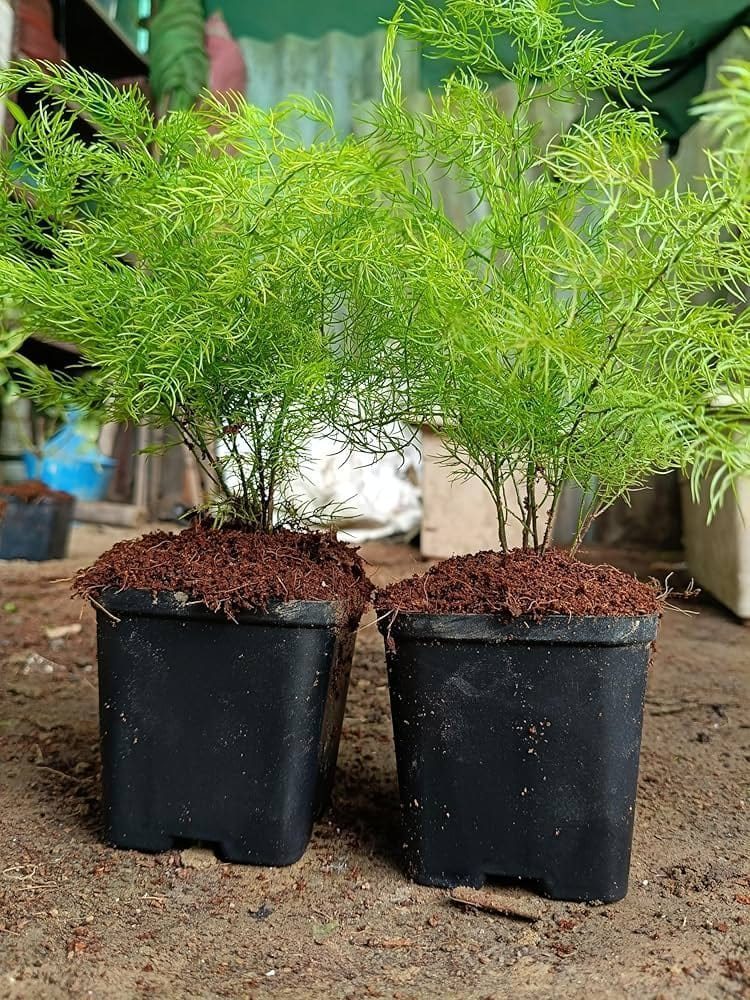
Shatavari Plant (Asparagus racemosus) – Detailed Description Shatavari, known scientifically as Asparagus racemosus , is a versatile perennial climbing herb widely celebrated in Ayurvedic medicine for its powerful health benefits. The name “Shatavari” literally means…
Shatavari Plant (Asparagus racemosus) – Detailed Description
Shatavari, known scientifically as Asparagus racemosus, is a versatile perennial climbing herb widely celebrated in Ayurvedic medicine for its powerful health benefits. The name “Shatavari” literally means “one who possesses a hundred husbands,” highlighting its historical use as a female rejuvenative and fertility tonic.
Plant Characteristics:
-
Stem & Growth: Slender, wiry stems that twine gracefully around supports. Can grow up to 1–2 meters in height.
-
Leaves: Small, needle-like, and feathery green leaves.
-
Flowers: Tiny, white or greenish-white, fragrant blooms arranged in clusters.
-
Roots: Thick, fleshy tubers that are highly valued for medicinal use.
-
Preferred Environment: Thrives in well-drained sandy or loamy soil with partial to full sunlight. Drought-tolerant once established.
Medicinal & Health Benefits:
-
Female Health: Supports hormone balance, menstrual regularity, fertility, and lactation.
-
Digestive Support: Promotes healthy digestion, reduces acidity, and protects the gut.
-
Immune Booster: Strengthens the body’s natural defenses and overall vitality.
-
Adaptogen & Stress Relief: Helps reduce stress, fatigue, and promotes overall resilience.
-
Anti-inflammatory & Antioxidant: Protects cells from oxidative stress and inflammation.
-
Respiratory Health: Assists in soothing mild respiratory issues and enhancing lung function.
Uses & Placement:
Shatavari is ideal for home gardens, herbal gardens, or as a potted climber. It requires support like a trellis or fence for optimal growth. Its lush green foliage and delicate flowers also make it a decorative addition to any space.