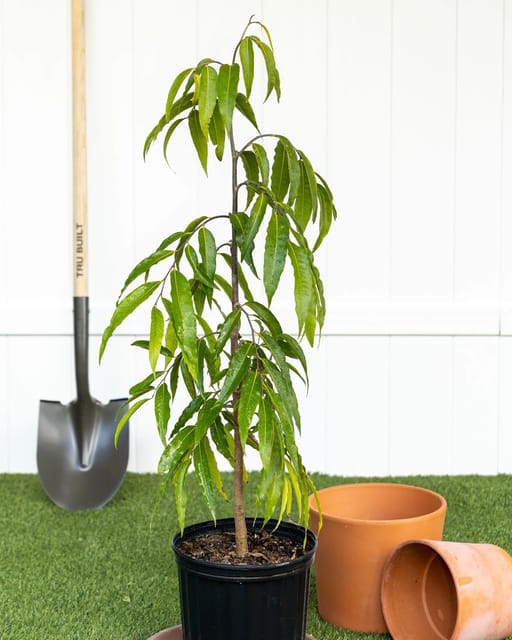

![Dracaena Reflexa , Song of India Live Plant, Pleomele [RAJ GARDEN PLANTS]](https://www.paudhewale.com/s/660a356584d1ac2391ae69de/6a0b09a80ad03c5dc1f9ad6d/songpercent20ofpercent20india-640x640.jpg "Dracaena Reflexa , Song of India Live Plant, Pleomele [RAJ GARDEN PLANTS]")
₹1,001₹258
![Adenium Soil, Adenium Mitti. Adenum Grower Soil. Purna Mitti. Adenium Bloomer Soil [RAJ GARDEN PLANTS]](https://www.paudhewale.com/s/660a356584d1ac2391ae69de/6a0b099d8195e488a2de37da/adeniumpercent20soil-640x640.jpg "Adenium Soil, Adenium Mitti. Adenum Grower Soil. Purna Mitti. Adenium Bloomer Soil [RAJ GARDEN PLANTS]")
₹1,001₹408
![Chirmi Live Plant, Abrus precatorius, चिरमी [RAJ GARDEN PLANTS]](https://www.paudhewale.com/s/660a356584d1ac2391ae69de/6a0b092a8195e488a2de337d/18_original-640x640.jpg "Chirmi Live Plant, Abrus precatorius, चिरमी [RAJ GARDEN PLANTS]")
₹1,001₹300
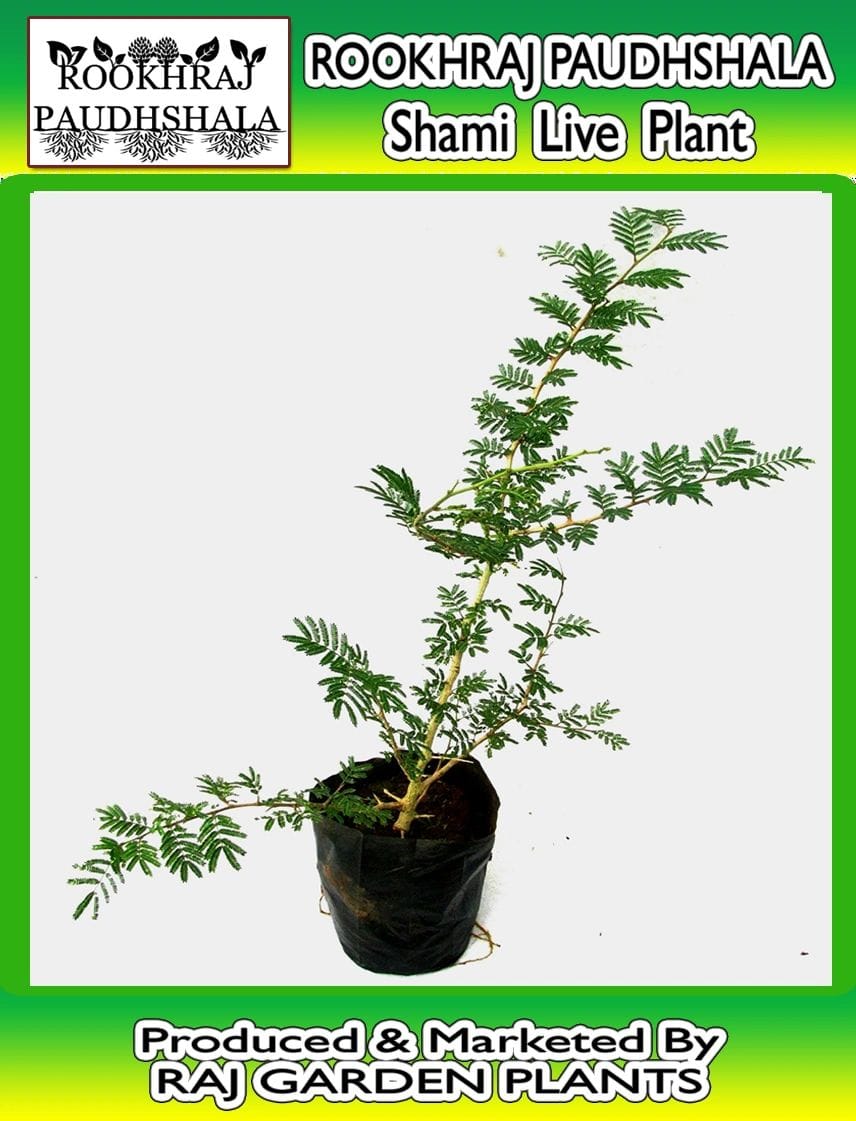
![Shami Live Plant, Prosopis Cineraria, Shani Dosh Niwarak Plant [RAJ GARDEN PLANTS]](https://www.paudhewale.com/s/660a356584d1ac2391ae69de/6a0b09fb0ad03c5dc1f9b221/75_original.jpg)
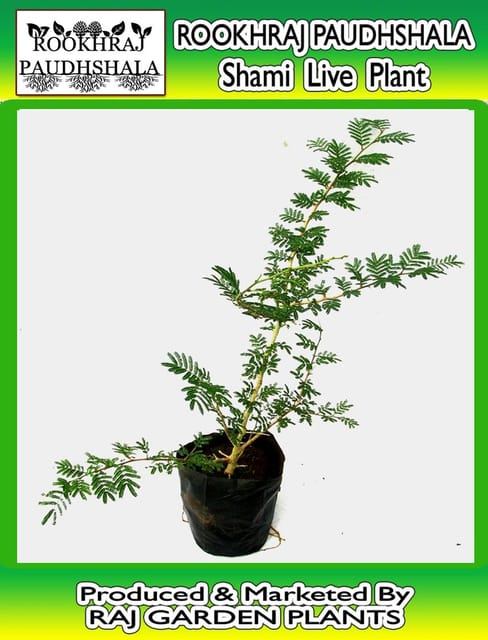
This is a live plant of ROOKHRAJ PAUDHSHALA Shami Live Plant, Prosopis Cineraria, Shani Dosh Niwarak Plant The Shami plant, scientifically known as Prosopis cineraria, is a significant plant in Indian culture and Ayurveda. It is native to the Indian subcontinent and holds a special place in ancient Indian traditions. Shami is valued for its medicinal properties and is often used in Ayurvedic treatments. Ayurveda categorizes Shami as part of the "Vataadi" group, indicating its ability to balance Vata, Pitta, and Kapha doshas. The leaves, seeds, and bark of the Shami plant are all utilized for their unique therapeutic benefits. Shami leaves can aid in the treatment of internal disorders such as digestive issues, diabetes, and kidney problems. Its bark powder is beneficial for addressing skin conditions like itching, fungal infections, and dermatitis. Shami leaves have properties that can help regulate blood sugar levels in diabetic patients. The plant is known for its adaptability to hot and arid climates, making it useful in traditional medicine for managing heat-related ailments. Shami plays a role in environmental conservation by serving as a protector of soil and supporting biodiversity. It contributes to wildlife habitat and is a valuable resource for fodder, making it an important component of ecosystems. Shami has historical and cultural significance in Indian traditions, symbolizing resilience and adaptability. The plant has been used traditionally for various purposes, including religious rituals and ceremonies. Shami's presence in Indian literature and folklore highlights its enduring importance in the cultural heritage of the region. Growing and Care Tips for Shami Live Plant: Location and Sunlight: Choose a well-draining and sandy soil for planting Shami. Plant it in a sunny spot that receives at least 6-8 hours of direct sunlight daily. Planting: Plant Shami during the warmer months, preferably in spring. Dig a hole slightly larger than the root ball and place the plant in the hole, ensuring the top of the root ball is level with the ground surface. Fill the hole with soil and pat it down gently. Watering: While Shami is drought-tolerant, water the plant regularly during its establishment period (first year). Once established, reduce the frequency of watering, allowing the soil to dry slightly between waterings. Mulching: Apply a layer of organic mulch around the base of the plant to help retain moisture, suppress weeds, and regulate soil temperature. Pruning: Prune Shami to maintain its shape and remove any dead or diseased branches. Regular pruning can also help encourage bushier growth. Fertilization: Shami plants generally thrive in nutrient-poor soils, so avoid excessive fertilization. Apply a balanced, slow-release fertilizer in early spring to provide essential nutrients. Pest and Disease Management: Shami is relatively resistant to pests and diseases, but keep an eye out for any signs of infestation. Treat any issues promptly with appropriate natural or chemical remedies. Support and Staking: Young Shami plants may benefit from staking to ensure proper growth and stability until they become established. Harvesting and Pruning: Harvest the leaves, seeds, and bark as needed for medicinal or other purposes. Regular pruning can help maintain the plant's health and shape. Cultural Significance: Respect the cultural significance of Shami in Indian traditions, and avoid any actions that may harm or disrespect the plant. Wildlife Habitat: Shami provides habitat and food for various wildlife, so consider its role in your local ecosystem. Protection from Extreme Conditions: While Shami is hardy, protect young plants from extreme weather conditions, such as heavy winds and frost. Remember that Shami is deeply rooted in Indian culture and Ayurveda, so cultivating it goes beyond just gardening. By following these growing and care tips, you can foster a healthy and thriving Shami plant that not only enhances your surroundings but also pays homage to its cultural and medicinal significance. One Live Plant Easy to grow in pots or in soil of the garden Use Sandy Soil 20%+ Compost 20% +Other Soil Put in 75 % shade Keep moderate Watering
RRPS1254Choose your location
Please provide your delivery pincode to see products available in your area
COD (Cash On Delivery) On request
🎁Gift Coupons: Share your unboxing video & receive an exclusive gift coupon as a thank-you!
Share here
🚫No Claims After Repotting: If a plant is transferred to another pot and gets damaged, no claims will be accepted. Re-potting is at your own risk.
📸Unboxing Video Required: To claim a refund or replacement for any product, you must share an uncut unboxing video upon receiving the item.
⏳Raise Claim Within 24 Hours: To be eligible for any refund/replacement, raise a claim within 24 hours of delivery.(For plants only, for other categories the claim window is 5 days)
| brand | Raj Garden Plants |
This is a live plant of ROOKHRAJ PAUDHSHALA Shami Live Plant, Prosopis Cineraria, Shani Dosh Niwarak Plant The Shami plant, scientifically known as Prosopis cineraria, is a significant plant in Indian culture and Ayurveda. It is native to the Indian subcontinent and holds a special place in ancient Indian traditions. Shami is valued for its medicinal properties and is often used in Ayurvedic treatments. Ayurveda categorizes Shami as part of the "Vataadi" group, indicating its ability to balance Vata, Pitta, and Kapha doshas. The leaves, seeds, and bark of the Shami plant are all utilized for their unique therapeutic benefits. Shami leaves can aid in the treatment of internal disorders such as digestive issues, diabetes, and kidney problems. Its bark powder is beneficial for addressing skin conditions like itching, fungal infections, and dermatitis. Shami leaves have properties that can help regulate blood sugar levels in diabetic patients. The plant is known for its adaptability to hot and arid climates, making it useful in traditional medicine for managing heat-related ailments. Shami plays a role in environmental conservation by serving as a protector of soil and supporting biodiversity. It contributes to wildlife habitat and is a valuable resource for fodder, making it an important component of ecosystems. Shami has historical and cultural significance in Indian traditions, symbolizing resilience and adaptability. The plant has been used traditionally for various purposes, including religious rituals and ceremonies. Shami's presence in Indian literature and folklore highlights its enduring importance in the cultural heritage of the region. Growing and Care Tips for Shami Live Plant: Location and Sunlight: Choose a well-draining and sandy soil for planting Shami. Plant it in a sunny spot that receives at least 6-8 hours of direct sunlight daily. Planting: Plant Shami during the warmer months, preferably in spring. Dig a hole slightly larger than the root ball and place the plant in the hole, ensuring the top of the root ball is level with the ground surface. Fill the hole with soil and pat it down gently. Watering: While Shami is drought-tolerant, water the plant regularly during its establishment period (first year). Once established, reduce the frequency of watering, allowing the soil to dry slightly between waterings. Mulching: Apply a layer of organic mulch around the base of the plant to help retain moisture, suppress weeds, and regulate soil temperature. Pruning: Prune Shami to maintain its shape and remove any dead or diseased branches. Regular pruning can also help encourage bushier growth. Fertilization: Shami plants generally thrive in nutrient-poor soils, so avoid excessive fertilization. Apply a balanced, slow-release fertilizer in early spring to provide essential nutrients. Pest and Disease Management: Shami is relatively resistant to pests and diseases, but keep an eye out for any signs of infestation. Treat any issues promptly with appropriate natural or chemical remedies. Support and Staking: Young Shami plants may benefit from staking to ensure proper growth and stability until they become established. Harvesting and Pruning: Harvest the leaves, seeds, and bark as needed for medicinal or other purposes. Regular pruning can help maintain the plant's health and shape. Cultural Significance: Respect the cultural significance of Shami in Indian traditions, and avoid any actions that may harm or disrespect the plant. Wildlife Habitat: Shami provides habitat and food for various wildlife, so consider its role in your local ecosystem. Protection from Extreme Conditions: While Shami is hardy, protect young plants from extreme weather conditions, such as heavy winds and frost. Remember that Shami is deeply rooted in Indian culture and Ayurveda, so cultivating it goes beyond just gardening. By following these growing and care tips, you can foster a healthy and thriving Shami plant that not only enhances your surroundings but also pays homage to its cultural and medicinal significance. One Live Plant Easy to grow in pots or in soil of the garden Use Sandy Soil 20%+ Compost 20% +Other Soil Put in 75 % shade Keep moderate Watering
Products listed on Paudhewale.com are provided by individual sellers. We recommend referring to the product label before use. Paudhewale.com is not liable for any loss arising from misuse of products sold on our platform.
![Good Luck Money Plant, Pothos Live Indoor Plants, Epipremnum aureum [RAJ GARDEN PLANTS]](https://www.paudhewale.com/s/660a356584d1ac2391ae69de/6a0b08e98195e488a2de3013/blob-f5e4f2b-640x640.png "Good Luck Money Plant, Pothos Live Indoor Plants, Epipremnum aureum [RAJ GARDEN PLANTS]")
![Goodlook Indoor Airpurification Spider Plants with Apple Shape Designor Plastic Pot [RAJ GARDEN PLANTS]](https://www.paudhewale.com/s/660a356584d1ac2391ae69de/6a0b081c9beb607fbcf728a1/blob-f77b9d4-640x640.png "Goodlook Indoor Airpurification Spider Plants with Apple Shape Designor Plastic Pot [RAJ GARDEN PLANTS]")
![Croton Gold Dust VariegatedThin Leaves Decorative Plant, Inddor Air Purifying Plants with Designor Pot [RAJ GARDEN PLANTS]](https://www.paudhewale.com/s/660a356584d1ac2391ae69de/6a0b0813564f25b03cb863e2/blob-c09973a-640x640.png "Croton Gold Dust VariegatedThin Leaves Decorative Plant, Inddor Air Purifying Plants with Designor Pot [RAJ GARDEN PLANTS]")
![Devil's Back Bone, Kalanchoe Delagoensis,Mother of Millions Succulent Plant [RAJ GARDEN PLANTS]](https://www.paudhewale.com/s/660a356584d1ac2391ae69de/6a0b080e9beb607fbcf727f8/briophyllium-640x640.jpg "Devil's Back Bone, Kalanchoe Delagoensis,Mother of Millions Succulent Plant [RAJ GARDEN PLANTS]")
![Broken Heart Philodendron Indoor Plant , Monstera Adansonii, Swiss Cheese Vine [RAJ GARDEN PLANTS]](https://www.paudhewale.com/s/660a356584d1ac2391ae69de/6a0b0639d3315fc600038a6e/blob-d3a61a3-640x640.png "Broken Heart Philodendron Indoor Plant , Monstera Adansonii, Swiss Cheese Vine [RAJ GARDEN PLANTS]")
![Crassula Live Plant, Crasulla Plant, Crasula Plant, Jade Plant, Good Luck Plant, Chinese Fengshui Money Plant [RAJ GARDEN PLANTS]](https://www.paudhewale.com/s/660a356584d1ac2391ae69de/6a0b09df0ad03c5dc1f9b00f/blob-f9e5cd3-640x640.png "Crassula Live Plant, Crasulla Plant, Crasula Plant, Jade Plant, Good Luck Plant, Chinese Fengshui Money Plant [RAJ GARDEN PLANTS]")
![Kuberakshi Money Plant, Lucky Plant, Friendship Plant,Crassula Ovata, C.portulacea, C.argentea [RAJ GARDEN PLANTS]](https://www.paudhewale.com/s/660a356584d1ac2391ae69de/6a0b0879affb47165e7b6628/kuberakshi-640x640.jpg "Kuberakshi Money Plant, Lucky Plant, Friendship Plant,Crassula Ovata, C.portulacea, C.argentea [RAJ GARDEN PLANTS]")
![Euphorbia Milii ,Crown of Thorns, Christ Thorn Live Plant [RAJ GARDEN PLANTS]](https://www.paudhewale.com/s/660a356584d1ac2391ae69de/6a0b07f3dfcd906f30513c13/euphorbia-640x640.jpg "Euphorbia Milii ,Crown of Thorns, Christ Thorn Live Plant [RAJ GARDEN PLANTS]")
![Dancing Bones Cactus Plant, Hatiora Salicornioides, Drunkard’s Dream, Spice Cactus, Bottle Cactus [RAJ GARDEN PLANTS]](https://www.paudhewale.com/s/660a356584d1ac2391ae69de/6a0b067c054cc3ad7e3fcc18/blob-05bc829-640x640.png "Dancing Bones Cactus Plant, Hatiora Salicornioides, Drunkard’s Dream, Spice Cactus, Bottle Cactus [RAJ GARDEN PLANTS]")
![[Plants Glory] Fingure Lemon Grafted & Hybrid Fruit Plant](https://www.paudhewale.com/s/660a356584d1ac2391ae69de/6a0ae3445b6a58733ce3afa0/21814__1766832140141_evjgg8kc2etz9jo-640x640.webp "[Plants Glory] Fingure Lemon Grafted & Hybrid Fruit Plant")
![[Plants Glory] Bhringraj Herbal & Mediclinal Plant](https://www.paudhewale.com/s/660a356584d1ac2391ae69de/6a0ae119557c79ea33ba5573/17695__1766832130809_oiuy7tsu0kjxvtb-640x640.jpg "[Plants Glory] Bhringraj Herbal & Mediclinal Plant")
![[Plants Glory] Tecoma Flower Plant Purple](https://www.paudhewale.com/s/660a356584d1ac2391ae69de/6a0add6b29ab20ee483b5c76/14655__1766832127228_ss3f6eebdtz1hkt-640x640.jpg "[Plants Glory] Tecoma Flower Plant Purple")
![[Plants Glory] American Grafted Hibiscus Flower Plant](https://www.paudhewale.com/s/660a356584d1ac2391ae69de/6a0adcc36450d5a4b4d1bd31/24435__1766832151908_1ab7zazpqm10vjn-640x640.webp "[Plants Glory] American Grafted Hibiscus Flower Plant")
![[Plants Glory] Hibiscus Flower Plant White](https://www.paudhewale.com/s/660a356584d1ac2391ae69de/6a0adcbf5b6a58733ce38352/19995__1766832131950_r5yagqxyfb4mp9e-640x640.jpg "[Plants Glory] Hibiscus Flower Plant White")
![[Plants Glory] Brilliant Tropical Hibiscus Live Plant Red](https://www.paudhewale.com/s/660a356584d1ac2391ae69de/6a0adc1a3eced8c254d8a15f/23936__1766832149321_zgoarewj9pbhmvv-640x640.jpg "[Plants Glory] Brilliant Tropical Hibiscus Live Plant Red")
![[Plants Glory] Rosasinensis Hibiscus Flower Plant Yellow](https://www.paudhewale.com/s/660a356584d1ac2391ae69de/6a0adb9529ab20ee483b51ea/23930__1766832154816_prolnba1z2qs3tf-640x640.jpg "[Plants Glory] Rosasinensis Hibiscus Flower Plant Yellow")
![[Plants Glory] Lantern Hibiscus Flower Plant Pink (PG-100726)](https://www.paudhewale.com/s/660a356584d1ac2391ae69de/6a0adb2c9ad4e2a4340284d1/14463__1766832107698_eymyirmlbjtfd4e-640x640.jpg "[Plants Glory] Lantern Hibiscus Flower Plant Pink (PG-100726)")
![[Plants Glory] Lantern Hibiscus Flower Plant Tiger Shape](https://www.paudhewale.com/s/660a356584d1ac2391ae69de/6a0adb1a6c06efef4f6144cb/1129__1766832088326_289i4ivabemq39r-640x640.jpg "[Plants Glory] Lantern Hibiscus Flower Plant Tiger Shape")