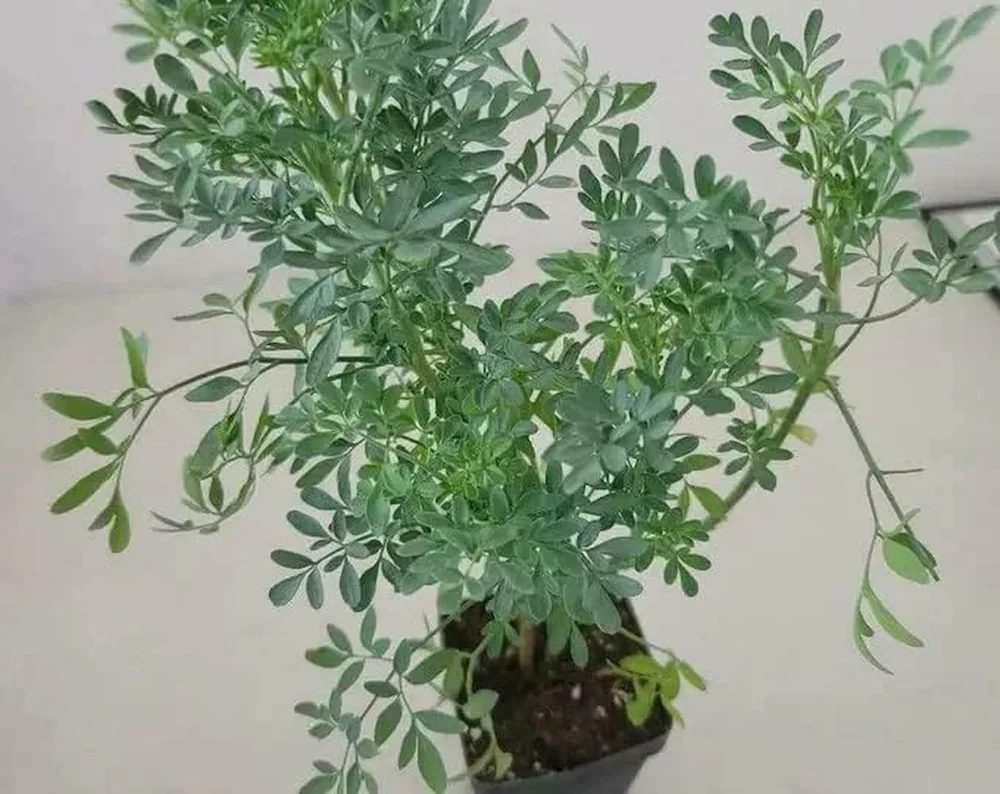
🌱 Plant Description The Satap Plant , also known as Shatavari , is a perennial climbing herb native to India and parts of Southeast Asia. It grows up to 1–2 meters in height , featuring…
🌱 Plant Description
The Satap Plant, also known as Shatavari, is a perennial climbing herb native to India and parts of Southeast Asia. It grows up to 1–2 meters in height, featuring thin, feathery leaves, small white fragrant flowers, and bright red berries. Its fleshy, tuberous roots are the primary part used in traditional and Ayurvedic medicine.
The plant symbolizes nourishment and vitality and is often called the “Queen of Herbs” for women’s health due to its natural rejuvenating properties.
💎 Ayurvedic Importance
In Ayurveda, Shatavari is considered a Rasayana (rejuvenating herb) and is associated with balancing Vata and Pitta doshas.
-
Rasa (Taste): Sweet, Bitter
-
Guna (Qualities): Heavy, Unctuous
-
Virya (Potency): Cooling
-
Vipaka (Post-digestive effect): Sweet
It nourishes Ojas (vital energy) and promotes longevity, strength, and fertility.
💚 Medicinal & Therapeutic Benefits
| Use Category |
Benefits |
| Reproductive Health |
Promotes fertility, regulates menstruation, supports lactation, and reduces symptoms of menopause. |
| Digestive Health |
Acts as a natural antacid; helps relieve hyperacidity, ulcers, and gastritis. |
| Immune Support |
Strengthens immunity and promotes overall vitality. |
| Anti-inflammatory |
Reduces internal inflammation and helps in arthritis. |
| Adaptogenic |
Helps body adapt to physical and emotional stress. |
| Respiratory Health |
Useful in cough, cold, and bronchitis. |
| Skin Health |
Promotes youthful glow and helps in healing dry or inflamed skin. |
🌸 Uses & Applications
-
Preparation of Ayurvedic formulations like Shatavari Kalpa, Shatavari Churna, and Herbal Tonics.
-
Ingredient in women’s wellness and fertility supplements.
-
Used in nutraceuticals, herbal cosmetics, and immunity boosters.
-
Ideal for cultivation in herbal farms and AYUSH-certified manufacturing units.
🌤️ Cultivation & Growing Conditions
| Parameter |
Requirement |
| Climate |
Tropical and subtropical (25–38°C ideal) |
| Soil Type |
Well-drained sandy loam, rich in organic matter |
| Irrigation |
Light but regular watering; avoid waterlogging |
| Sunlight |
Partial shade to full sunlight |
| Propagation |
Root cuttings or seeds |
| Harvesting Time |
Roots harvested after 18–24 months of planting |
🌿 Plant Care Tips
-
Add organic compost or cow dung every 3–4 months.
-
Avoid excessive moisture in soil.
-
Trim and provide support for vine growth.
-
Protect from frost and heavy rainfall.