

![Chinese Orange Live Plant; Calamondin Orange, China Orange, Lemonish Orange [RAJ GARDEN PLANTS]](https://www.paudhewale.com/s/660a356584d1ac2391ae69de/6a0b0a09564f25b03cb87a3b/63_original-640x640.jpg "Chinese Orange Live Plant; Calamondin Orange, China Orange, Lemonish Orange [RAJ GARDEN PLANTS]")
₹1,001₹258
![Dragon Fruit Plant, Hylocereus Undatus, Pitaya Cactus Plant [RAJ GARDEN PLANTS]](https://www.paudhewale.com/s/660a356584d1ac2391ae69de/6a0b097aaffb47165e7b7281/screenshot_20210929-125842_blogger-640x640.jpg "Dragon Fruit Plant, Hylocereus Undatus, Pitaya Cactus Plant [RAJ GARDEN PLANTS]")
₹1,001₹258
![Kalmegh Live Plant, Andrographis paniculata, Kalmegha, कालमेघ, Kirayat, Hara Chiretta, Kalpnath [RAJ GARDEN PLANTS]](https://www.paudhewale.com/s/660a356584d1ac2391ae69de/6a0b09209beb607fbcf73357/22_original-640x640.jpg "Kalmegh Live Plant, Andrographis paniculata, Kalmegha, कालमेघ, Kirayat, Hara Chiretta, Kalpnath [RAJ GARDEN PLANTS]")
₹1,001₹300
![Sahjan Plant, Drumstick Plant, Moringa Oleifera Medicinal Live Plant [RAJ GARDEN PLANTS]](https://www.paudhewale.com/s/660a356584d1ac2391ae69de/6a0b06b10ad03c5dc1f9952e/blob-4d34ad4.png)
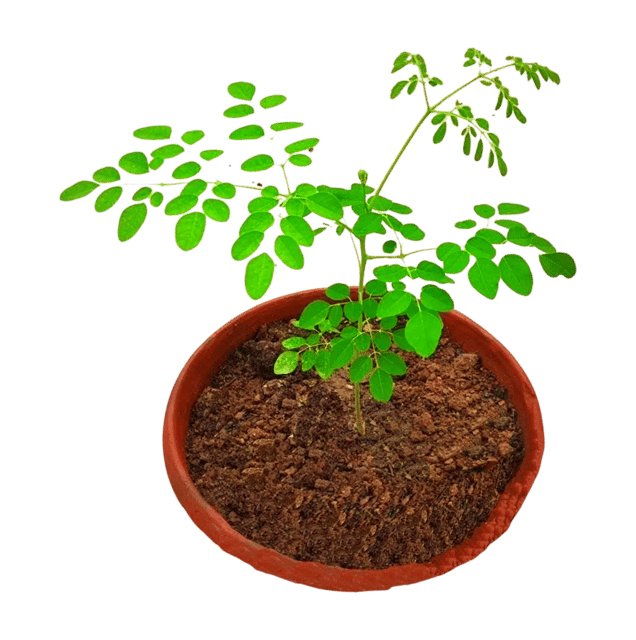
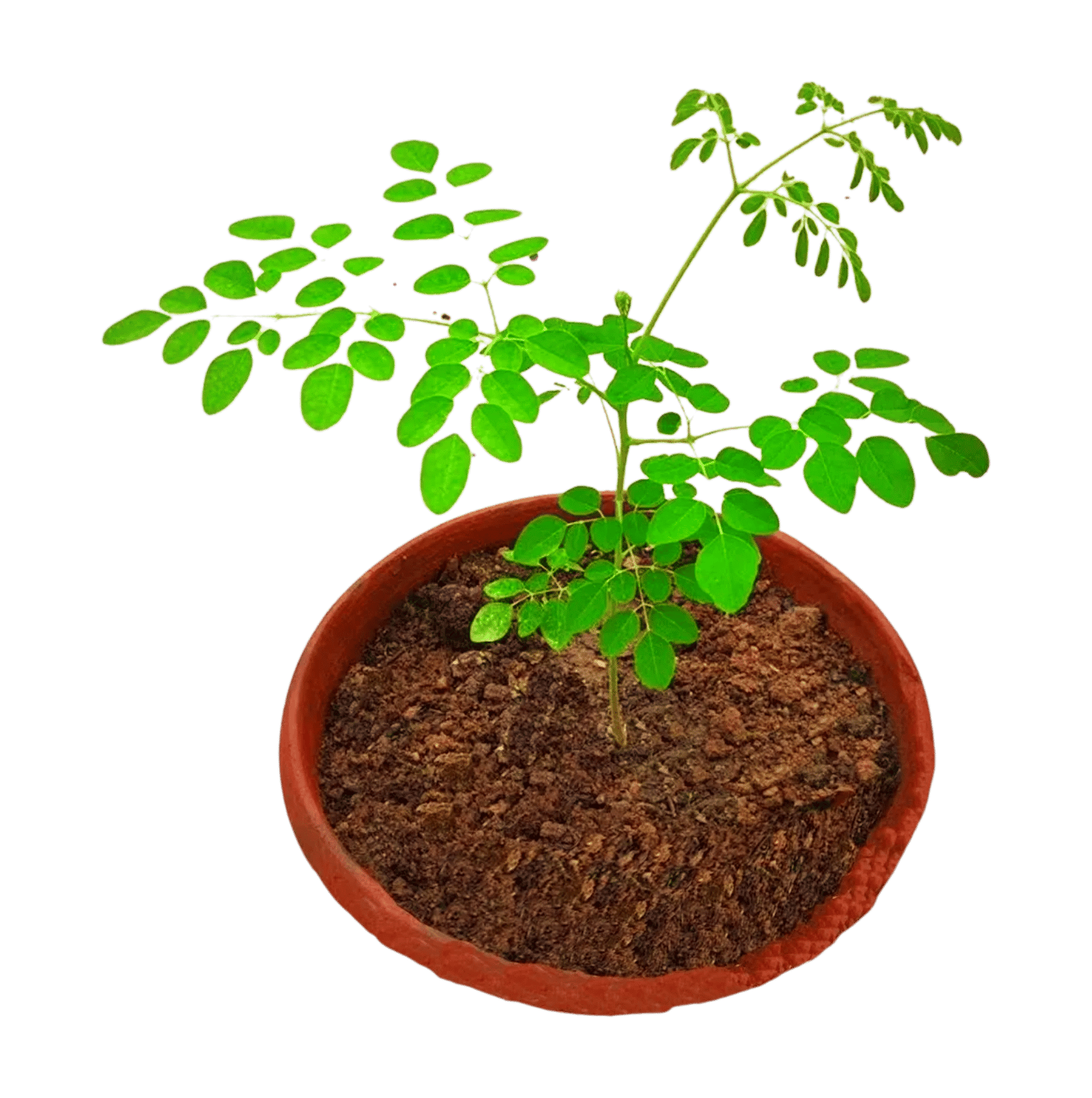
This is a live plant of RAJ GARDEN PLANTS Sahjan Plant, Drumstick Plant, Moringa Oleifera Medicinal Live Plant Moringa Oleifera, commonly known as the "Moringa tree" or "Drumstick tree," is a fast-growing and nutrient-rich plant. Originating from the Indian subcontinent, Moringa is now cultivated in various tropical and subtropical regions around the world. The plant is valued for its highly nutritious leaves, pods, flowers, and seeds, which are used for culinary and medicinal purposes. Moringa leaves are packed with vitamins, minerals, and antioxidants, making them a popular ingredient in salads, soups, and other dishes. Its drumstick-shaped pods are edible and are often used in curries, stews, and pickles, offering a unique flavor and texture. Moringa seeds yield oil known as "Ben oil" or "Behen oil," which is used in cooking, cosmetics, and as a lubricant. The tree's bark, roots, and flowers also have traditional medicinal uses in various cultures. Moringa is prized for its ability to thrive in arid and nutrient-poor soils, making it a valuable resource in areas with food scarcity. It is a drought-resistant and low-maintenance plant, making it suitable for reforestation, agroforestry, and sustainable farming projects. The tree's leaves can be harvested multiple times throughout the year, providing a continuous supply of nutritious greens. Moringa Oleifera is often referred to as the "Tree of Life" due to its exceptional nutritional and ecological benefits. It has gained popularity as a superfood and functional ingredient in the wellness and health food industry. Moringa trees are also cultivated for their ornamental value, with their feathery, bright green foliage adding beauty to landscapes. The plant's ability to improve soil fertility through leaf litter and nitrogen fixation enhances its role in sustainable agriculture. Moringa can be propagated from seeds or cuttings and can be grown in containers or directly in the ground. It requires well-draining soil, ample sunlight, and occasional watering, making it relatively easy to cultivate. Research and consult local gardening experts for region-specific care guidelines and utilization of Moringa Oleifera's various parts for nutritional and medicinal purposes. Growing and Care Tips for Moringa Oleifera Live Plant (Drumstick Tree): 1. Location and Sunlight: Plant your Moringa Oleifera in a sunny location that receives at least 6-8 hours of direct sunlight daily. Ensure that the plant has enough space to grow without being shaded by other trees or structures. 2. Soil Requirements: Moringa thrives in well-draining soil with a pH range of 6.3 to 7.0. Sandy or loamy soils are ideal. Good drainage is crucial to prevent waterlogging, which can lead to root rot. 3. Watering: While Moringa is drought-tolerant once established, it benefits from regular watering during its early stages of growth. Water deeply when the top inch of soil feels dry. Avoid overwatering, as the plant prefers slightly dry conditions. 4. Pruning and Training: Prune your Moringa regularly to promote branching and a bushier growth habit. Pinch back the tips of young plants to encourage lateral growth and prevent them from growing too tall too quickly. 5. Fertilization: Moringa benefits from well-balanced fertilizer during the growing season (spring and summer) to support its rapid growth. Use a slow-release organic fertilizer or compost applied around the base of the plant. 6. Mulching: Apply a layer of organic mulch around the base of the Moringa plant to help retain moisture, regulate soil temperature, and suppress weeds. 7. Container Growing: If growing Moringa in a container, ensure the pot is large enough to accommodate its extensive root system. Use a well-draining potting mix and be diligent about watering, as containers can dry out faster. 8. Protection from Frost: Moringa is sensitive to frost, so if you're in a colder climate, consider growing it as an annual or in a container that can be moved indoors during winter. 9. Pests and Diseases: Keep an eye out for pests like aphids, caterpillars, and whiteflies. Use natural pest control methods or insecticidal soap if necessary. Moringa is generally resistant to many diseases, but proper care and good hygiene will help prevent issues. 10. Harvesting: You can start harvesting Moringa leaves once the plant reaches about 1.5 to 2 feet in height. Harvest young leaves and tender shoots for culinary use, allowing the plant to continue producing new growth. 11. Utilizing All Parts: Remember that nearly all parts of the Moringa plant are edible and have nutritional and medicinal value, including leaves, pods, flowers, and seeds. 12. Consult Local Resources: Consult with local gardening experts or agricultural extension services for specific advice tailored to your region's climate and soil conditions. By following these growing and care tips, you can enjoy a thriving Moringa Oleifera plant that provides you with an abundant supply of nutritious and versatile resources.
RAJ-GRD-PLN6Choose your location
Please provide your delivery pincode to see products available in your area
COD (Cash On Delivery) On request
🎁Gift Coupons: Share your unboxing video & receive an exclusive gift coupon as a thank-you!
Share here
🚫No Claims After Repotting: If a plant is transferred to another pot and gets damaged, no claims will be accepted. Re-potting is at your own risk.
📸Unboxing Video Required: To claim a refund or replacement for any product, you must share an uncut unboxing video upon receiving the item.
⏳Raise Claim Within 24 Hours: To be eligible for any refund/replacement, raise a claim within 24 hours of delivery.(For plants only, for other categories the claim window is 5 days)
| brand | Raj Garden Plants |
This is a live plant of RAJ GARDEN PLANTS Sahjan Plant, Drumstick Plant, Moringa Oleifera Medicinal Live Plant Moringa Oleifera, commonly known as the "Moringa tree" or "Drumstick tree," is a fast-growing and nutrient-rich plant. Originating from the Indian subcontinent, Moringa is now cultivated in various tropical and subtropical regions around the world. The plant is valued for its highly nutritious leaves, pods, flowers, and seeds, which are used for culinary and medicinal purposes. Moringa leaves are packed with vitamins, minerals, and antioxidants, making them a popular ingredient in salads, soups, and other dishes. Its drumstick-shaped pods are edible and are often used in curries, stews, and pickles, offering a unique flavor and texture. Moringa seeds yield oil known as "Ben oil" or "Behen oil," which is used in cooking, cosmetics, and as a lubricant. The tree's bark, roots, and flowers also have traditional medicinal uses in various cultures. Moringa is prized for its ability to thrive in arid and nutrient-poor soils, making it a valuable resource in areas with food scarcity. It is a drought-resistant and low-maintenance plant, making it suitable for reforestation, agroforestry, and sustainable farming projects. The tree's leaves can be harvested multiple times throughout the year, providing a continuous supply of nutritious greens. Moringa Oleifera is often referred to as the "Tree of Life" due to its exceptional nutritional and ecological benefits. It has gained popularity as a superfood and functional ingredient in the wellness and health food industry. Moringa trees are also cultivated for their ornamental value, with their feathery, bright green foliage adding beauty to landscapes. The plant's ability to improve soil fertility through leaf litter and nitrogen fixation enhances its role in sustainable agriculture. Moringa can be propagated from seeds or cuttings and can be grown in containers or directly in the ground. It requires well-draining soil, ample sunlight, and occasional watering, making it relatively easy to cultivate. Research and consult local gardening experts for region-specific care guidelines and utilization of Moringa Oleifera's various parts for nutritional and medicinal purposes. Growing and Care Tips for Moringa Oleifera Live Plant (Drumstick Tree): 1. Location and Sunlight: Plant your Moringa Oleifera in a sunny location that receives at least 6-8 hours of direct sunlight daily. Ensure that the plant has enough space to grow without being shaded by other trees or structures. 2. Soil Requirements: Moringa thrives in well-draining soil with a pH range of 6.3 to 7.0. Sandy or loamy soils are ideal. Good drainage is crucial to prevent waterlogging, which can lead to root rot. 3. Watering: While Moringa is drought-tolerant once established, it benefits from regular watering during its early stages of growth. Water deeply when the top inch of soil feels dry. Avoid overwatering, as the plant prefers slightly dry conditions. 4. Pruning and Training: Prune your Moringa regularly to promote branching and a bushier growth habit. Pinch back the tips of young plants to encourage lateral growth and prevent them from growing too tall too quickly. 5. Fertilization: Moringa benefits from well-balanced fertilizer during the growing season (spring and summer) to support its rapid growth. Use a slow-release organic fertilizer or compost applied around the base of the plant. 6. Mulching: Apply a layer of organic mulch around the base of the Moringa plant to help retain moisture, regulate soil temperature, and suppress weeds. 7. Container Growing: If growing Moringa in a container, ensure the pot is large enough to accommodate its extensive root system. Use a well-draining potting mix and be diligent about watering, as containers can dry out faster. 8. Protection from Frost: Moringa is sensitive to frost, so if you're in a colder climate, consider growing it as an annual or in a container that can be moved indoors during winter. 9. Pests and Diseases: Keep an eye out for pests like aphids, caterpillars, and whiteflies. Use natural pest control methods or insecticidal soap if necessary. Moringa is generally resistant to many diseases, but proper care and good hygiene will help prevent issues. 10. Harvesting: You can start harvesting Moringa leaves once the plant reaches about 1.5 to 2 feet in height. Harvest young leaves and tender shoots for culinary use, allowing the plant to continue producing new growth. 11. Utilizing All Parts: Remember that nearly all parts of the Moringa plant are edible and have nutritional and medicinal value, including leaves, pods, flowers, and seeds. 12. Consult Local Resources: Consult with local gardening experts or agricultural extension services for specific advice tailored to your region's climate and soil conditions. By following these growing and care tips, you can enjoy a thriving Moringa Oleifera plant that provides you with an abundant supply of nutritious and versatile resources.
Products listed on Paudhewale.com are provided by individual sellers. We recommend referring to the product label before use. Paudhewale.com is not liable for any loss arising from misuse of products sold on our platform.
![Pomegranate Live Plant ,( Sinduri Hybrid Variety ) Anar Ka Paudha [RAJ GARDEN PLANTS]](https://www.paudhewale.com/s/660a356584d1ac2391ae69de/6a0b08d7564f25b03cb86b61/29_original-640x640.jpg "Pomegranate Live Plant ,( Sinduri Hybrid Variety ) Anar Ka Paudha [RAJ GARDEN PLANTS]")
![Goodlook Indoor Airpurification Table Top Sansevieria Golden hahnii Plant with Apple Shape Designor Plastic Pot [RAJ GARDEN PLANTS]](https://www.paudhewale.com/s/660a356584d1ac2391ae69de/6a0b08039beb607fbcf727a3/blob-d296200-640x640.png "Goodlook Indoor Airpurification Table Top Sansevieria Golden hahnii Plant with Apple Shape Designor Plastic Pot [RAJ GARDEN PLANTS]")
![Giloy Live Plant, Gulvel , Tinospora Cordifolia Live Plant, Heart-leaved moonseed [RAJ GARDEN PLANTS]](https://www.paudhewale.com/s/660a356584d1ac2391ae69de/6a0b09bd29066cbeeb4bafe0/100_original-640x640.jpg "Giloy Live Plant, Gulvel , Tinospora Cordifolia Live Plant, Heart-leaved moonseed [RAJ GARDEN PLANTS]")
![COLOURED SOIL FOR POTS AND PLANTS DECORATION, COLOURFUL SOIL (4 Colours, 225 Gram Each) [RAJ GARDEN PLANTS]](https://www.paudhewale.com/s/660a356584d1ac2391ae69de/6a0b0995564f25b03cb873a5/colouredpercent20soil-640x640.jpg "COLOURED SOIL FOR POTS AND PLANTS DECORATION, COLOURFUL SOIL (4 Colours, 225 Gram Each) [RAJ GARDEN PLANTS]")
![Gandharaj Flower Plant , Dwarf Rare Gardenia / Cape Jasmine (1 Plant In Polybag) [RAJ GARDEN PLANTS]](https://www.paudhewale.com/s/660a356584d1ac2391ae69de/6a0b08b60beb2152c0e07b83/gandhrajpercent20copy-640x640.jpg "Gandharaj Flower Plant , Dwarf Rare Gardenia / Cape Jasmine (1 Plant In Polybag) [RAJ GARDEN PLANTS]")
![Compost Jaivik Khad, Cow Dung Manure for Plants & Home Gardening - 5 Kg [RAJ GARDEN PLANTS]](https://www.paudhewale.com/s/660a356584d1ac2391ae69de/6a0b084a9beb607fbcf72a11/cowpercent20dungpercent20manure-640x640.jpg "Compost Jaivik Khad, Cow Dung Manure for Plants & Home Gardening - 5 Kg [RAJ GARDEN PLANTS]")
![Nursery Grow Pots, Round Shape Plastic Pots, Set of 10 Pots, Pot Size 4 inch [RAJ GARDEN PLANTS]](https://www.paudhewale.com/s/660a356584d1ac2391ae69de/6a0b08379beb607fbcf7296b/nurserypercent20copy-640x640.jpg "Nursery Grow Pots, Round Shape Plastic Pots, Set of 10 Pots, Pot Size 4 inch [RAJ GARDEN PLANTS]")
![Sandalwood White Live Plant, Safed Chandan Live Plant, Santalum album [RAJ GARDEN PLANTS]](https://www.paudhewale.com/s/660a356584d1ac2391ae69de/6a0b0832564f25b03cb86545/sandalwoodpercent20copy-640x640.jpg "Sandalwood White Live Plant, Safed Chandan Live Plant, Santalum album [RAJ GARDEN PLANTS]")
![Cylindropuntia Fulgida Cactus Plant, Cactus Plants [RAJ GARDEN PLANTS]](https://www.paudhewale.com/s/660a356584d1ac2391ae69de/6a0b07c97f594ee093191107/713vvuyyxxl-_sl1500_-640x640.jpg "Cylindropuntia Fulgida Cactus Plant, Cactus Plants [RAJ GARDEN PLANTS]")
![Cardamom Live Plant, lyachi Plant, Cardamom Plants [RAJ GARDEN PLANTS]](https://www.paudhewale.com/s/660a356584d1ac2391ae69de/6a0b079c7f594ee093190fbf/cardamom-640x640.jpg "Cardamom Live Plant, lyachi Plant, Cardamom Plants [RAJ GARDEN PLANTS]")
![Napier Grass Plants, Co5 , Elephant Grass Live Plant (( Bunch of 5 Plants with roots) , Napier Grass, Hathi Ghas, Co5 [RAJ GARDEN PLANTS]](https://www.paudhewale.com/s/660a356584d1ac2391ae69de/6a0b07838195e488a2de2214/68_original-640x640.jpg "Napier Grass Plants, Co5 , Elephant Grass Live Plant (( Bunch of 5 Plants with roots) , Napier Grass, Hathi Ghas, Co5 [RAJ GARDEN PLANTS]")
![Compact Sprenger Asparagus Fern, Asparagus densiflorus 'Sprengeri Compacta' [RAJ GARDEN PLANTS]](https://www.paudhewale.com/s/660a356584d1ac2391ae69de/6a0b07670beb2152c0e06f6b/blob-1574155-640x640.png "Compact Sprenger Asparagus Fern, Asparagus densiflorus 'Sprengeri Compacta' [RAJ GARDEN PLANTS]")
![Asthma weed or Tawa-tawa ,Euphorbia hirta [RAJ GARDEN PLANTS]](https://www.paudhewale.com/s/660a356584d1ac2391ae69de/6a0b074e95f33fc37c9528db/blob-d299ce2-640x640.png "Asthma weed or Tawa-tawa ,Euphorbia hirta [RAJ GARDEN PLANTS]")
![Rectangular Planter Boxes [RAJ GARDEN PLANTS]](https://www.paudhewale.com/s/660a356584d1ac2391ae69de/6a0b06f3dd3594b5cb7bba9e/blob-f314d08-640x640.jpg "Rectangular Planter Boxes [RAJ GARDEN PLANTS]")
![Lush and Vibrant Aglaonema Red: A Touch of Elegance for Your Indoor Space [RAJ GARDEN PLANTS]](https://www.paudhewale.com/s/660a356584d1ac2391ae69de/6a0b06e3affb47165e7b5a32/blob-954636a-640x640.png "Lush and Vibrant Aglaonema Red: A Touch of Elegance for Your Indoor Space [RAJ GARDEN PLANTS]")
![Cereus Monster Cactus Plant, Cereus Peruvian Crested Monstrous Coral [RAJ GARDEN PLANTS]](https://www.paudhewale.com/s/660a356584d1ac2391ae69de/6a0b0677054cc3ad7e3fcbfb/blob-457d82a-640x640.png "Cereus Monster Cactus Plant, Cereus Peruvian Crested Monstrous Coral [RAJ GARDEN PLANTS]")
![Sansevieria Gold Flame Snake Plant, Sansevieria Fire Flame Varierty, Air Purifying Indoor Snake Plant [RAJ GARDEN PLANTS]](https://www.paudhewale.com/s/660a356584d1ac2391ae69de/6a0b06203eced8c254d98382/blob-073df22-640x640.png "Sansevieria Gold Flame Snake Plant, Sansevieria Fire Flame Varierty, Air Purifying Indoor Snake Plant [RAJ GARDEN PLANTS]")
![String of Tangled Heart | Pillow Plant | Swedish Ivy | Rare Ornamental Plant with 4 inch nursery pot [RAJ GARDEN PLANTS]](https://www.paudhewale.com/s/660a356584d1ac2391ae69de/6a0b060ed41d994e14006589/tangledpercent20heart-640x640.jpg "String of Tangled Heart | Pillow Plant | Swedish Ivy | Rare Ornamental Plant with 4 inch nursery pot [RAJ GARDEN PLANTS]")
![Medicinal Basket Live Plant Callisia Fragrans -Tradescantia Plant-with 4 inch Nursery Pot [RAJ GARDEN PLANTS]](https://www.paudhewale.com/s/660a356584d1ac2391ae69de/6a0b060670fde925001dec5b/basketpercent20plant-640x640.jpg "Medicinal Basket Live Plant Callisia Fragrans -Tradescantia Plant-with 4 inch Nursery Pot [RAJ GARDEN PLANTS]")
![Tillandsia Cyanea Hanging Flower Plant, Pink Quill Air Plant, Decoration Live Air Plant, Blue Flowered Torch Plant [RAJ GARDEN PLANTS]](https://www.paudhewale.com/s/660a356584d1ac2391ae69de/6a0b05e2f5202f0eb7da0ad0/tillandsiapercent20copy-0001-640x640.jpg "Tillandsia Cyanea Hanging Flower Plant, Pink Quill Air Plant, Decoration Live Air Plant, Blue Flowered Torch Plant [RAJ GARDEN PLANTS]")
![[Plants Glory] Indian Coconut Fruit Plant](https://www.paudhewale.com/s/660a356584d1ac2391ae69de/6a0ae56f6450d5a4b4d1fd22/16302__1766832134985_9fim8vid2rqjuiy-640x640.webp "[Plants Glory] Indian Coconut Fruit Plant")