

![Bhoomi Amla, Phyllanthus niruri Live Plant, Bhui Amla, Tamalaki, Phyllanthus Niruri Living Plant [RAJ GARDEN PLANTS]](https://www.paudhewale.com/s/660a356584d1ac2391ae69de/6a0b09070beb2152c0e07f67/34_original-640x640.jpg "Bhoomi Amla, Phyllanthus niruri Live Plant, Bhui Amla, Tamalaki, Phyllanthus Niruri Living Plant [RAJ GARDEN PLANTS]")
![Cardamom Live Plant, lyachi Plant, Cardamom Plants [RAJ GARDEN PLANTS]](https://www.paudhewale.com/s/660a356584d1ac2391ae69de/6a0b079c7f594ee093190fbf/cardamom-640x640.jpg "Cardamom Live Plant, lyachi Plant, Cardamom Plants [RAJ GARDEN PLANTS]")
₹1,001₹258
![Mammillaria Longimamma Cactus Plant [RAJ GARDEN PLANTS]](https://www.paudhewale.com/s/660a356584d1ac2391ae69de/6a0b05f970fde925001dec4a/mammipercent205copypercent20copy-640x640.jpg "Mammillaria Longimamma Cactus Plant [RAJ GARDEN PLANTS]")
₹803₹255
![Gift Succulent Tray, Succulent Tray, Succulent Gift Basket [RAJ GARDEN PLANTS]](https://www.paudhewale.com/s/660a356584d1ac2391ae69de/6a0b05eaf5202f0eb7da0ae0/20220117_130338percent20copy-0001-640x640.jpg "Gift Succulent Tray, Succulent Tray, Succulent Gift Basket [RAJ GARDEN PLANTS]")
₹3,008₹2,600
![Saffron Crocus Flower Plant, Kashmiri Saffron Bulb , Kesar, Zafran, Crocus Corm - Pack of 2 Plant-Bulbs [RAJ GARDEN PLANTS]](https://www.paudhewale.com/s/660a356584d1ac2391ae69de/6a0b08bb8195e488a2de2dcc/saffronpercent20bulbspercent20copy.jpg)
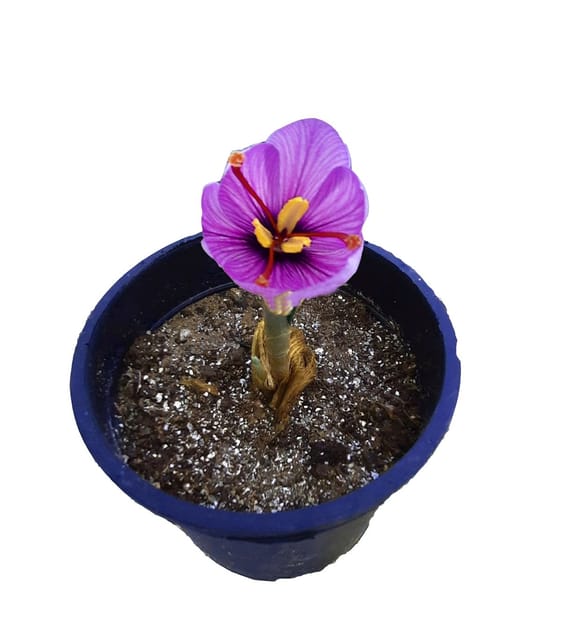
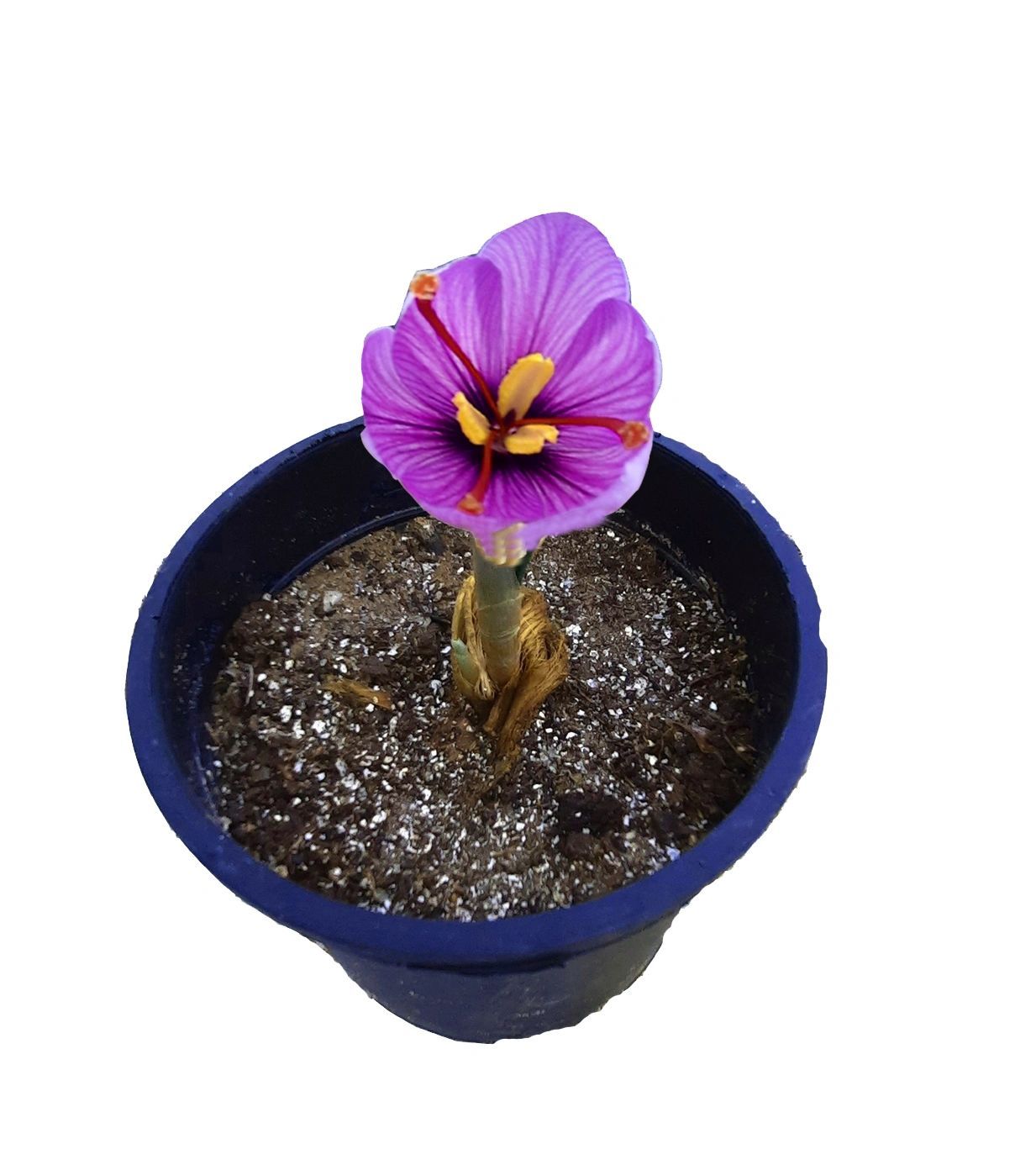
This is a Pack of 2 Plant-Bulbs ROOKHRAJ PAUDHSHALA Saffron Crocus Flower Plant, Kashmiri Saffron Bulb , Kesar, Zafran, Crocus Corm Saffron (Crocus sativus) is a prized and valuable spice derived from the delicate red stigmas of the saffron crocus flower. It is one of the most expensive spices in the world by weight due to the labor-intensive process of harvesting. The saffron crocus is a perennial flowering plant belonging to the Iridaceae family. Saffron plants are relatively small, reaching a height of around 6 to 8 inches (15 to 20 cm). Each saffron crocus plant produces only a few delicate purple flowers, and each flower has three vibrant red stigmas, which are the saffron threads. Saffron cultivation requires a specific climate, with hot and dry summers and cool winters, making it well-suited for Mediterranean and Middle Eastern regions. The harvest season for saffron is typically in the autumn, and the stigmas must be carefully hand-picked. Saffron threads are dried to preserve their flavor and aroma. It takes a large number of flowers to produce a small amount of saffron, contributing to its high cost. Saffron is widely used in culinary dishes, adding a distinctive flavor, aroma, and golden hue to foods like rice, desserts, and beverages. Beyond culinary uses, saffron has been used traditionally in herbal medicine for its potential antioxidant and health-promoting properties. Saffron is known for its earthy and slightly bitter taste, with a floral aroma that intensifies when heated. The spice is often used in dishes from various cuisines, including Indian, Persian, Spanish, and Arab cuisines. Saffron has cultural and historical significance in many regions and is often used in religious ceremonies and rituals. Due to its high value, saffron is susceptible to adulteration; purchasing from reputable sources ensures the authenticity of the product. Saffron cultivation requires well-draining soil and proper care, including protection from excessive moisture and pests. The saffron crocus plant multiplies through corms (underground storage structures), and over time, corms can be divided to propagate and expand saffron cultivation. Remember, cultivating saffron can be challenging and requires specialized knowledge and attention, making it a unique and valuable addition to gardens and farms. Growing and Care Tips for Saffron Plant: 1. Climate and Location: Saffron thrives in regions with a Mediterranean climate, characterized by hot, dry summers and cool winters. Choose a sunny location with well-draining soil for planting saffron corms. 2. Soil Preparation: Saffron prefers well-draining, sandy or loamy soil with a pH between 6.0 and 8.0. Amend the soil with organic matter like compost to improve its structure and fertility. 3. Planting Saffron Corms: Plant saffron corms (similar to bulbs) in late spring to early summer, about 3 to 4 inches (8 to 10 cm) deep and 4 to 6 inches (10 to 15 cm) apart. Corms should be positioned with the pointed side facing upwards. 4. Watering: Saffron corms need moisture during their growing season (autumn to early spring), but they should not sit in waterlogged soil. Water the corms moderately, allowing the soil to dry slightly between watering. 5. Mulching: Apply a thin layer of organic mulch, such as straw or leaves, to help regulate soil moisture and temperature. 6. Harvesting Saffron: Saffron flowers typically bloom in the fall. Hand-pick the vibrant red stigmas from the flowers in the early morning, when they are fully open. Handle the delicate stigmas carefully to avoid damaging them. 7. Drying Saffron: Dry the harvested saffron stigmas in a cool, dry place away from direct sunlight. Once dried, store the saffron in an airtight container in a cool, dark place. 8. Dormant Period: Saffron goes dormant during the hot summer months. Allow the foliage to die back naturally; this is a crucial phase for the corms to store energy for the next growing season. 9. Pest and Disease Management: Saffron is relatively pest-resistant, but keep an eye out for rodents and diseases in the soil. Avoid planting saffron where diseases like Fusarium are prevalent. 10. Corm Care: Lift and divide saffron corms every 3 to 5 years to prevent overcrowding and promote healthy growth. Replant corms in freshly prepared soil. 11. Frost Protection: If you live in a colder climate, provide protection to saffron plants during freezing temperatures with mulch or row covers. 12. Fertilization: Saffron corms don't require heavy fertilization; excessive nutrients can lead to decreased saffron production. A light application of balanced fertilizer in early spring can be beneficial. 13. Patience and Perseverance: Saffron cultivation requires patience and attention to detail, as it can take a couple of years for plants to establish and produce a significant harvest. 14. Sustainable Harvesting: Harvest saffron responsibly to ensure the longevity of your saffron plants and support their continued growth and flowering. Remember, saffron cultivation demands careful consideration and consistent care, but the reward is the precious and flavorful saffron spice that can elevate your culinary creations. Soil Structure :- (1) Mix sandy soil 33% + Vermiculite 33% + Compost 34% (2) Use Fungicide to make soil fungus free or prevent fungus Watering :- Ensure Normal moisture, Avoid Over watering, Well draining required Temp. Grow bulbs under 25 % Temp. , Maintain the temp bellow 25% Blooming :- Blooming begings in Winter , Let the flower bloom, When you see sign of flower maturing, collects it and let it dry, you can choose saffron pieces and add to your precious store.
RKH-PDH-SFF-CRCChoose your location
Please provide your delivery pincode to see products available in your area
COD (Cash On Delivery) On request
🎁Gift Coupons: Share your unboxing video & receive an exclusive gift coupon as a thank-you!
Share here
🚫No Claims After Repotting: If a plant is transferred to another pot and gets damaged, no claims will be accepted. Re-potting is at your own risk.
📸Unboxing Video Required: To claim a refund or replacement for any product, you must share an uncut unboxing video upon receiving the item.
⏳Raise Claim Within 24 Hours: To be eligible for any refund/replacement, raise a claim within 24 hours of delivery.(For plants only, for other categories the claim window is 5 days)
| brand | Raj Garden Plants |
This is a Pack of 2 Plant-Bulbs ROOKHRAJ PAUDHSHALA Saffron Crocus Flower Plant, Kashmiri Saffron Bulb , Kesar, Zafran, Crocus Corm Saffron (Crocus sativus) is a prized and valuable spice derived from the delicate red stigmas of the saffron crocus flower. It is one of the most expensive spices in the world by weight due to the labor-intensive process of harvesting. The saffron crocus is a perennial flowering plant belonging to the Iridaceae family. Saffron plants are relatively small, reaching a height of around 6 to 8 inches (15 to 20 cm). Each saffron crocus plant produces only a few delicate purple flowers, and each flower has three vibrant red stigmas, which are the saffron threads. Saffron cultivation requires a specific climate, with hot and dry summers and cool winters, making it well-suited for Mediterranean and Middle Eastern regions. The harvest season for saffron is typically in the autumn, and the stigmas must be carefully hand-picked. Saffron threads are dried to preserve their flavor and aroma. It takes a large number of flowers to produce a small amount of saffron, contributing to its high cost. Saffron is widely used in culinary dishes, adding a distinctive flavor, aroma, and golden hue to foods like rice, desserts, and beverages. Beyond culinary uses, saffron has been used traditionally in herbal medicine for its potential antioxidant and health-promoting properties. Saffron is known for its earthy and slightly bitter taste, with a floral aroma that intensifies when heated. The spice is often used in dishes from various cuisines, including Indian, Persian, Spanish, and Arab cuisines. Saffron has cultural and historical significance in many regions and is often used in religious ceremonies and rituals. Due to its high value, saffron is susceptible to adulteration; purchasing from reputable sources ensures the authenticity of the product. Saffron cultivation requires well-draining soil and proper care, including protection from excessive moisture and pests. The saffron crocus plant multiplies through corms (underground storage structures), and over time, corms can be divided to propagate and expand saffron cultivation. Remember, cultivating saffron can be challenging and requires specialized knowledge and attention, making it a unique and valuable addition to gardens and farms. Growing and Care Tips for Saffron Plant: 1. Climate and Location: Saffron thrives in regions with a Mediterranean climate, characterized by hot, dry summers and cool winters. Choose a sunny location with well-draining soil for planting saffron corms. 2. Soil Preparation: Saffron prefers well-draining, sandy or loamy soil with a pH between 6.0 and 8.0. Amend the soil with organic matter like compost to improve its structure and fertility. 3. Planting Saffron Corms: Plant saffron corms (similar to bulbs) in late spring to early summer, about 3 to 4 inches (8 to 10 cm) deep and 4 to 6 inches (10 to 15 cm) apart. Corms should be positioned with the pointed side facing upwards. 4. Watering: Saffron corms need moisture during their growing season (autumn to early spring), but they should not sit in waterlogged soil. Water the corms moderately, allowing the soil to dry slightly between watering. 5. Mulching: Apply a thin layer of organic mulch, such as straw or leaves, to help regulate soil moisture and temperature. 6. Harvesting Saffron: Saffron flowers typically bloom in the fall. Hand-pick the vibrant red stigmas from the flowers in the early morning, when they are fully open. Handle the delicate stigmas carefully to avoid damaging them. 7. Drying Saffron: Dry the harvested saffron stigmas in a cool, dry place away from direct sunlight. Once dried, store the saffron in an airtight container in a cool, dark place. 8. Dormant Period: Saffron goes dormant during the hot summer months. Allow the foliage to die back naturally; this is a crucial phase for the corms to store energy for the next growing season. 9. Pest and Disease Management: Saffron is relatively pest-resistant, but keep an eye out for rodents and diseases in the soil. Avoid planting saffron where diseases like Fusarium are prevalent. 10. Corm Care: Lift and divide saffron corms every 3 to 5 years to prevent overcrowding and promote healthy growth. Replant corms in freshly prepared soil. 11. Frost Protection: If you live in a colder climate, provide protection to saffron plants during freezing temperatures with mulch or row covers. 12. Fertilization: Saffron corms don't require heavy fertilization; excessive nutrients can lead to decreased saffron production. A light application of balanced fertilizer in early spring can be beneficial. 13. Patience and Perseverance: Saffron cultivation requires patience and attention to detail, as it can take a couple of years for plants to establish and produce a significant harvest. 14. Sustainable Harvesting: Harvest saffron responsibly to ensure the longevity of your saffron plants and support their continued growth and flowering. Remember, saffron cultivation demands careful consideration and consistent care, but the reward is the precious and flavorful saffron spice that can elevate your culinary creations. Soil Structure :- (1) Mix sandy soil 33% + Vermiculite 33% + Compost 34% (2) Use Fungicide to make soil fungus free or prevent fungus Watering :- Ensure Normal moisture, Avoid Over watering, Well draining required Temp. Grow bulbs under 25 % Temp. , Maintain the temp bellow 25% Blooming :- Blooming begings in Winter , Let the flower bloom, When you see sign of flower maturing, collects it and let it dry, you can choose saffron pieces and add to your precious store.
Products listed on Paudhewale.com are provided by individual sellers. We recommend referring to the product label before use. Paudhewale.com is not liable for any loss arising from misuse of products sold on our platform.
![Adenium Grafted Designor Romeo Special Flower Live Plant [RAJ GARDEN PLANTS]](https://www.paudhewale.com/s/660a356584d1ac2391ae69de/6a0b0a1a564f25b03cb87bb8/59_original-640x640.jpg "Adenium Grafted Designor Romeo Special Flower Live Plant [RAJ GARDEN PLANTS]")
![Malabar Neem (Melia Dubia, Malabar Vepa) [RAJ GARDEN PLANTS]](https://www.paudhewale.com/s/660a356584d1ac2391ae69de/6a0b09c7affb47165e7b74dc/97_original-640x640.jpg "Malabar Neem (Melia Dubia, Malabar Vepa) [RAJ GARDEN PLANTS]")
![Dalchini (दालचीनी) Live Plant, Cinnamomum Cassia Plant, Daalchini [RAJ GARDEN PLANTS]](https://www.paudhewale.com/s/660a356584d1ac2391ae69de/6a0b095e921035dc2b8bd00b/4_original-640x640.jpg "Dalchini (दालचीनी) Live Plant, Cinnamomum Cassia Plant, Daalchini [RAJ GARDEN PLANTS]")
![Chirmi Live Plant, Abrus precatorius, चिरमी [RAJ GARDEN PLANTS]](https://www.paudhewale.com/s/660a356584d1ac2391ae69de/6a0b092a8195e488a2de337d/18_original-640x640.jpg "Chirmi Live Plant, Abrus precatorius, चिरमी [RAJ GARDEN PLANTS]")
![Kalmegh Live Plant, Andrographis paniculata, Kalmegha, कालमेघ, Kirayat, Hara Chiretta, Kalpnath [RAJ GARDEN PLANTS]](https://www.paudhewale.com/s/660a356584d1ac2391ae69de/6a0b09209beb607fbcf73357/22_original-640x640.jpg "Kalmegh Live Plant, Andrographis paniculata, Kalmegha, कालमेघ, Kirayat, Hara Chiretta, Kalpnath [RAJ GARDEN PLANTS]")
![Good Luck Money Plant, Pothos Live Indoor Plants, Epipremnum aureum [RAJ GARDEN PLANTS]](https://www.paudhewale.com/s/660a356584d1ac2391ae69de/6a0b08e98195e488a2de3013/blob-f5e4f2b-640x640.png "Good Luck Money Plant, Pothos Live Indoor Plants, Epipremnum aureum [RAJ GARDEN PLANTS]")
![Lemon Growth Booster Jaivik Manure , Lemon Plant Food For Healthy Lemon Plants And Fruits [RAJ GARDEN PLANTS]](https://www.paudhewale.com/s/660a356584d1ac2391ae69de/6a0b08468195e488a2de2939/lemonpercent20foodpercent20manure-640x640.jpg "Lemon Growth Booster Jaivik Manure , Lemon Plant Food For Healthy Lemon Plants And Fruits [RAJ GARDEN PLANTS]")
![Hadjod Plant, Cissus Quadrangularis , Asthisamharaka Plant, अस्थिसंहार,हड्डीजोड़, हड़जोड़ [RAJ GARDEN PLANTS]](https://www.paudhewale.com/s/660a356584d1ac2391ae69de/6a0b082e921035dc2b8bc2fe/blob-c8a6669-640x640.png "Hadjod Plant, Cissus Quadrangularis , Asthisamharaka Plant, अस्थिसंहार,हड्डीजोड़, हड़जोड़ [RAJ GARDEN PLANTS]")
![Devil's Back Bone, Kalanchoe Delagoensis,Mother of Millions Succulent Plant [RAJ GARDEN PLANTS]](https://www.paudhewale.com/s/660a356584d1ac2391ae69de/6a0b080e9beb607fbcf727f8/briophyllium-640x640.jpg "Devil's Back Bone, Kalanchoe Delagoensis,Mother of Millions Succulent Plant [RAJ GARDEN PLANTS]")
![Jayfal Live Plant, Nutmeg Plant, Myristica fragrans [RAJ GARDEN PLANTS]](https://www.paudhewale.com/s/660a356584d1ac2391ae69de/6a0b07989beb607fbcf72393/jayfal-640x640.jpg "Jayfal Live Plant, Nutmeg Plant, Myristica fragrans [RAJ GARDEN PLANTS]")
![Napier Grass Plants, Co5 , Elephant Grass Live Plant (( Bunch of 5 Plants with roots) , Napier Grass, Hathi Ghas, Co5 [RAJ GARDEN PLANTS]](https://www.paudhewale.com/s/660a356584d1ac2391ae69de/6a0b07838195e488a2de2214/68_original-640x640.jpg "Napier Grass Plants, Co5 , Elephant Grass Live Plant (( Bunch of 5 Plants with roots) , Napier Grass, Hathi Ghas, Co5 [RAJ GARDEN PLANTS]")
![Adenium Grafted Designor Pink Double Petal Flower Live Plant [RAJ GARDEN PLANTS]](https://www.paudhewale.com/s/660a356584d1ac2391ae69de/6a0b07728901ef186c521635/55_original-640x640.jpg "Adenium Grafted Designor Pink Double Petal Flower Live Plant [RAJ GARDEN PLANTS]")
![Good Luck Sudarashan Lily Plant, Beach Spider Lily Live Plant/Hymenocallis littoralis [RAJ GARDEN PLANTS]](https://www.paudhewale.com/s/660a356584d1ac2391ae69de/6a0b0724564f25b03cb85d01/blob-922f6af-640x640.png "Good Luck Sudarashan Lily Plant, Beach Spider Lily Live Plant/Hymenocallis littoralis [RAJ GARDEN PLANTS]")
![Natural Organic Spinach पालक Seeds, Palak Ke Beej [RAJ GARDEN PLANTS]](http://cdn.storehippo.com/s/6273386e9744993653600c71/ms.files/no_image.svg "Natural Organic Spinach पालक Seeds, Palak Ke Beej [RAJ GARDEN PLANTS]")
![Lucky Bamboo Plants , Goodluck Fengsui Plant [RAJ GARDEN PLANTS]](https://www.paudhewale.com/s/660a356584d1ac2391ae69de/6a0b064bf8d827b7eb1360bc/luckypercent20bamboo-640x640.jpg "Lucky Bamboo Plants , Goodluck Fengsui Plant [RAJ GARDEN PLANTS]")
![Tradescantia Fluminensis Variegata (Wandering Jew) Live Decorative Rare plant [RAJ GARDEN PLANTS]](https://www.paudhewale.com/s/660a356584d1ac2391ae69de/6a0b060a3eced8c254d9836c/tradescantia-fluminensis-percent20copy-640x640.jpg "Tradescantia Fluminensis Variegata (Wandering Jew) Live Decorative Rare plant [RAJ GARDEN PLANTS]")
![Adenium Black Thunder Grafted Desert Rose Plant [RAJ GARDEN PLANTS]](https://www.paudhewale.com/s/660a356584d1ac2391ae69de/6a0b05fe94893ac90bffa3d9/blackpercent20adeniumpercent20copy-640x640.jpg "Adenium Black Thunder Grafted Desert Rose Plant [RAJ GARDEN PLANTS]")
![[Plants Glory] Ginger Lily Flower Plant White](https://www.paudhewale.com/s/660a356584d1ac2391ae69de/6a0ae4ccdf870ab12c341cf6/19847__1766832138256_i9optobj1zvb2rx-640x640.jpg "[Plants Glory] Ginger Lily Flower Plant White")
![[Plants Glory] Lantern Hibiscus Flower Plant Pink (PG-100734)](https://www.paudhewale.com/s/660a356584d1ac2391ae69de/6a0adb43557c79ea33ba3268/20497__1766832143431_pf4cylyzrdy062n-640x640.webp "[Plants Glory] Lantern Hibiscus Flower Plant Pink (PG-100734)")