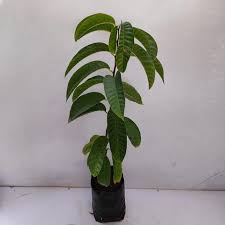
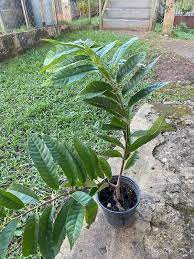
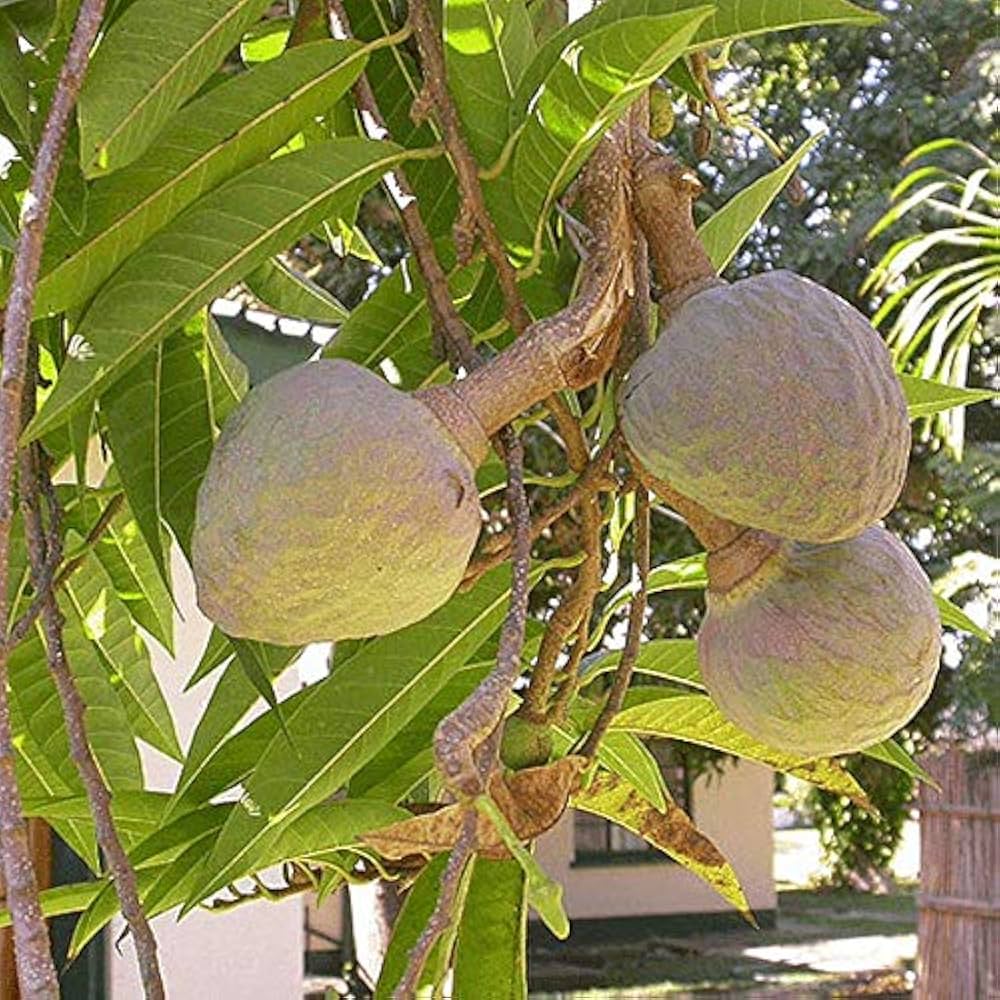
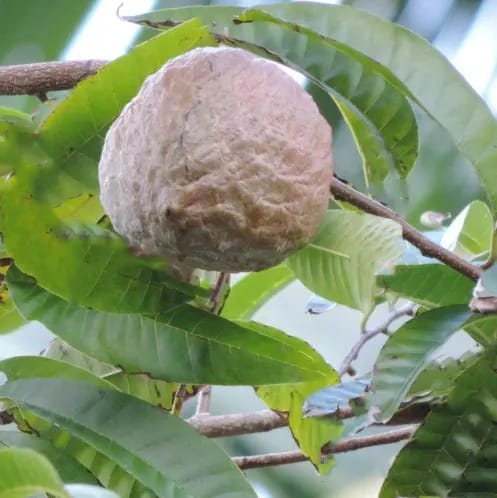
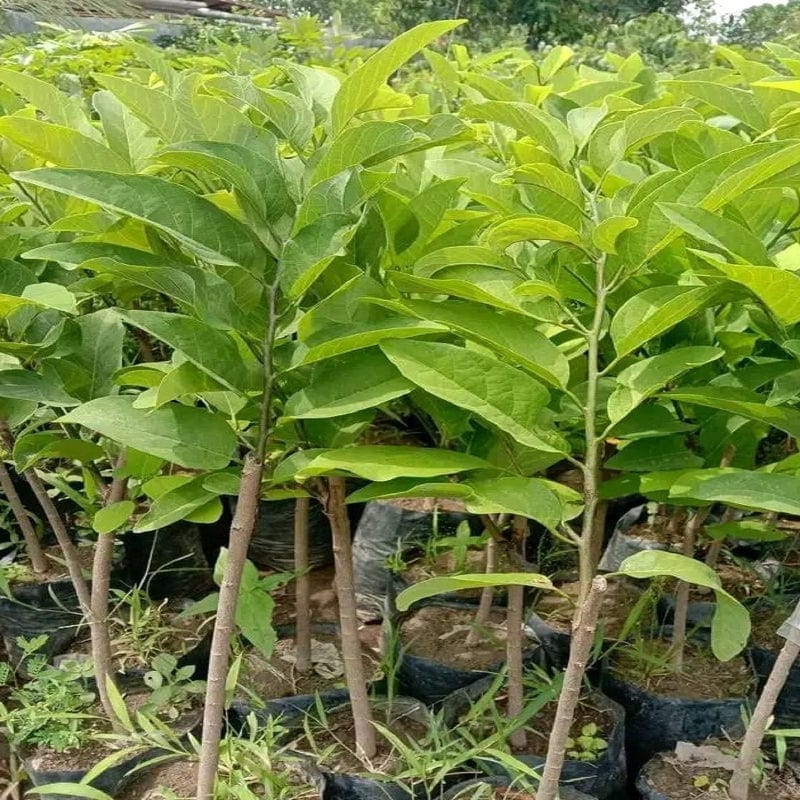
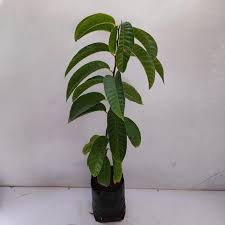
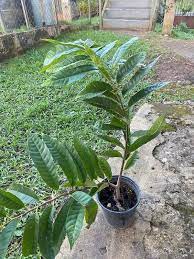
🌿 Ramfal (Bullock’s Heart / Annona reticulata) Plant – Detailed Description
🌳 Overview
The Ramfal plant, scientifically named Annona reticulata, is a tropical deciduous fruit tree belonging to the Annonaceae family — the same family as the Custard Apple (Annona squamosa). Popularly known in India as Ramfal, this plant is admired for its heart-shaped, soft, and sweet fruits, which are packed with nutrients and medicinal properties.
The name Ramfal, meaning “Fruit of Lord Ram,” holds traditional importance in Indian culture. It is often grown alongside Sitafal and other tropical fruit trees in home gardens and orchards.
🍃 Plant Description
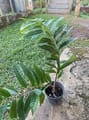
The Ramfal tree is a medium-sized deciduous plant that typically grows between 4 to 8 meters in height. It develops a rounded canopy with a spreading crown and dense light-green foliage.
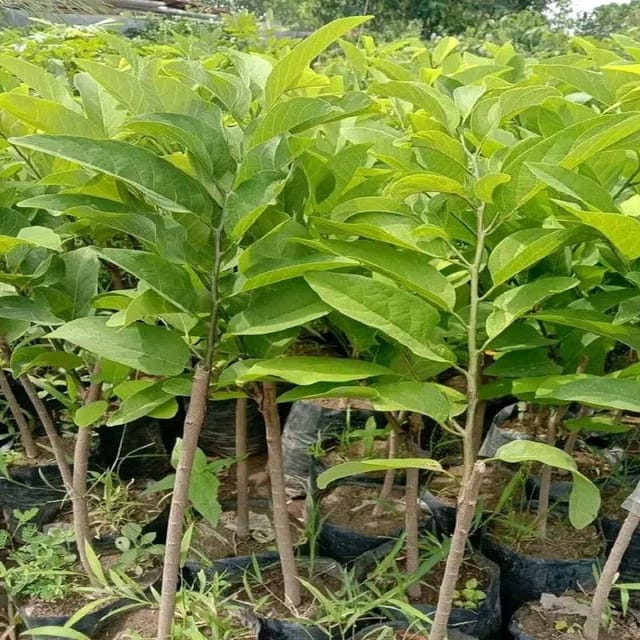
Leaves: Simple, oblong, and aromatic, 10–20 cm long with a glossy texture.
Flowers: Small, greenish-yellow, fragrant, and appear in clusters on young branches.
Bark: Light brown and smooth when young, becoming slightly rough as it ages.
Ramfal trees are fast-growing and start producing fruits within 3 to 4 years under good care.
🍈 Fruit Description
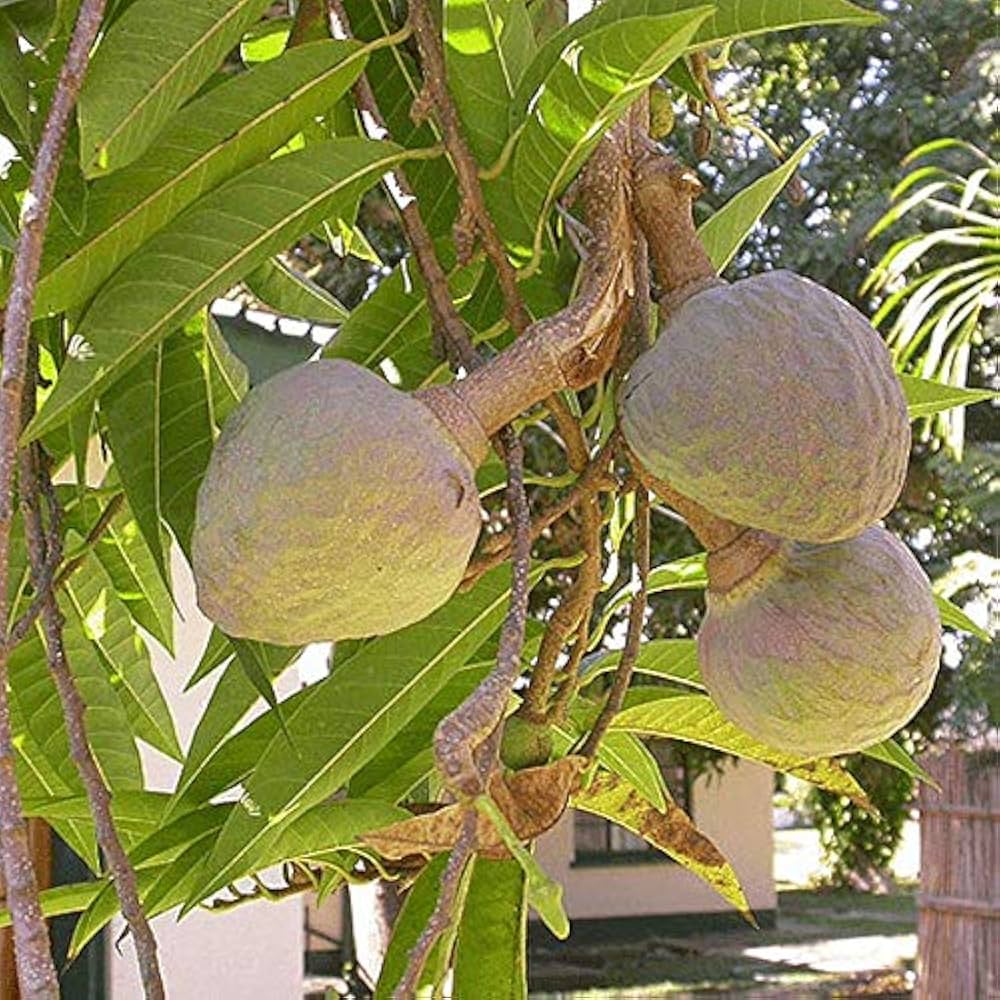
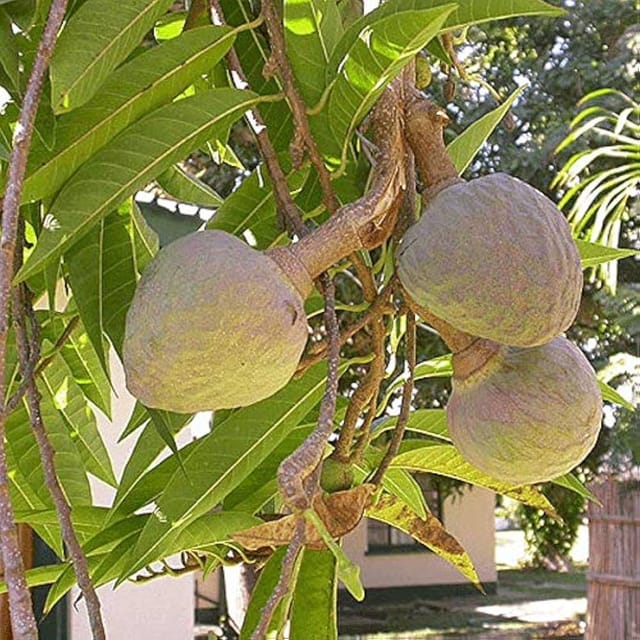
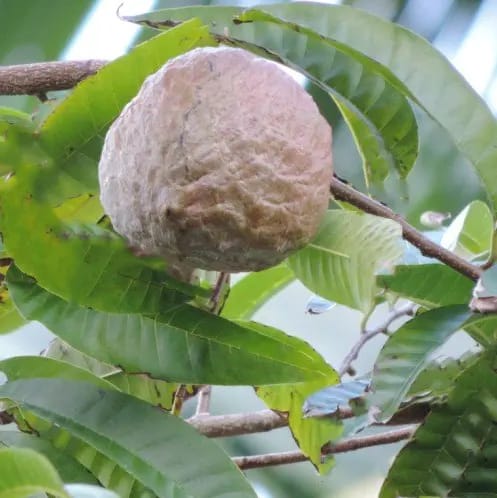
The Ramfal fruit is large, round to heart-shaped, and slightly smoother than the Sitafal fruit.
Color: Reddish-brown to yellowish-green when ripe
Skin: Thin but firm, with a faint reticulated (net-like) pattern
Pulp: Soft, creamy, and aromatic — usually white to pinkish in color
Seeds: Numerous, glossy black or brown
Taste: Mildly sweet, less sugary than Sitafal, with a rich custard-like flavor
The fruit is typically harvested from October to January, depending on the region. A well-grown tree can yield 40–80 fruits per season.
🌤️ Growing Conditions
Ramfal is a hardy tropical plant that thrives in warm and semi-dry climates.
Climate: Tropical to subtropical
Temperature Range: 25°C – 35°C
Rainfall: 700–1200 mm annually
Sunlight: Requires full sunlight (minimum 6 hours daily)
Soil: Prefers well-drained red or sandy loam soil, rich in organic matter
Watering: Moderate; avoid standing water
It is well-suited for regions with hot summers and mild winters, such as Maharashtra, Gujarat, Madhya Pradesh, Tamil Nadu, and Andhra Pradesh.
🌱 Propagation & Cultivation
Ramfal is propagated by seeds, grafting, or budding.
Seed propagation is easy and suitable for home gardens.
Grafted plants bear fruit faster (within 2 years).
Planting time: Early monsoon (June–July)
Spacing: 4–5 meters between trees
Pruning: Light pruning after fruiting improves yield and tree shape.
This plant requires minimal care, making it an excellent choice for small farmers and organic growers.
🍎 Nutritional Value & Health Benefits
Ramfal fruit is a powerhouse of nutrition and is widely used in Ayurvedic medicine.
Vitamins: A, B6, and C (boosts immunity and skin health)
Minerals: Iron, calcium, magnesium, and potassium
Fiber: High content supports digestion and bowel health
Antioxidants: Help in detoxifying the body and protecting cells
Health Benefits:
Boosts immunity and energy levels
Supports digestion and prevents constipation
Improves heart and brain function
Promotes clear skin and strong hair
Reduces stress and fatigue
Balances Vata and Kapha in Ayurvedic therapy
🌼 Care Tips
Water regularly during the fruiting stage.
Avoid overwatering; ensure proper drainage.
Add organic manure or compost twice a year.
Use neem oil for natural pest control.
Protect young plants from frost or strong winds.
🌷 Uses
Culinary: Eaten fresh or used in milkshakes, smoothies, custards, and desserts.
Medicinal: Used in Ayurveda to treat fatigue, anemia, and digestive problems.
Decorative: Suitable for gardens and landscapes due to its attractive canopy.
Agricultural: Grown as a companion crop with Sitafal, Guava, or Pomegranate.