

![Crassula Live Plant, Crasulla Plant, Crasula Plant, Jade Plant, Good Luck Plant, Chinese Fengshui Money Plant [RAJ GARDEN PLANTS]](https://www.paudhewale.com/s/660a356584d1ac2391ae69de/6a0b09df0ad03c5dc1f9b00f/blob-f9e5cd3-640x640.png "Crassula Live Plant, Crasulla Plant, Crasula Plant, Jade Plant, Good Luck Plant, Chinese Fengshui Money Plant [RAJ GARDEN PLANTS]")
₹803₹258
![Sitafal Grafted Live Plant, Sitafal, sitafal plant, sugar apple, Annona squamosa, Sitafal fruit plant Custard Apple [RAJ GARDEN PLANTS]](https://www.paudhewale.com/s/660a356584d1ac2391ae69de/6a0b09d08195e488a2de39cc/91_original-640x640.jpg "Sitafal Grafted Live Plant, Sitafal, sitafal plant, sugar apple, Annona squamosa, Sitafal fruit plant Custard Apple [RAJ GARDEN PLANTS]")
₹1,001₹300
![Good Luck Money Plant, Pothos Live Indoor Plants, Epipremnum aureum [RAJ GARDEN PLANTS]](https://www.paudhewale.com/s/660a356584d1ac2391ae69de/6a0b08e98195e488a2de3013/blob-f5e4f2b-640x640.png "Good Luck Money Plant, Pothos Live Indoor Plants, Epipremnum aureum [RAJ GARDEN PLANTS]")
₹1,001₹258
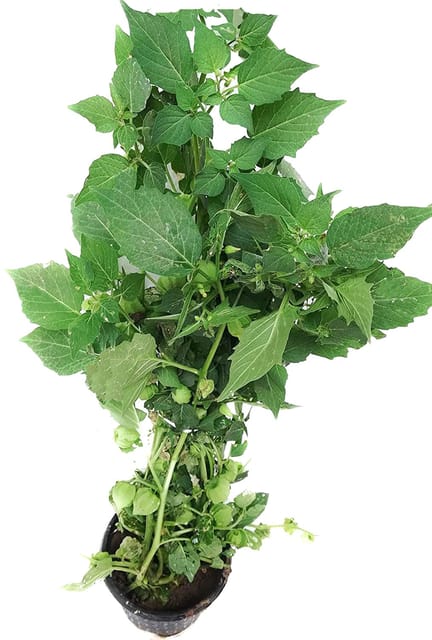
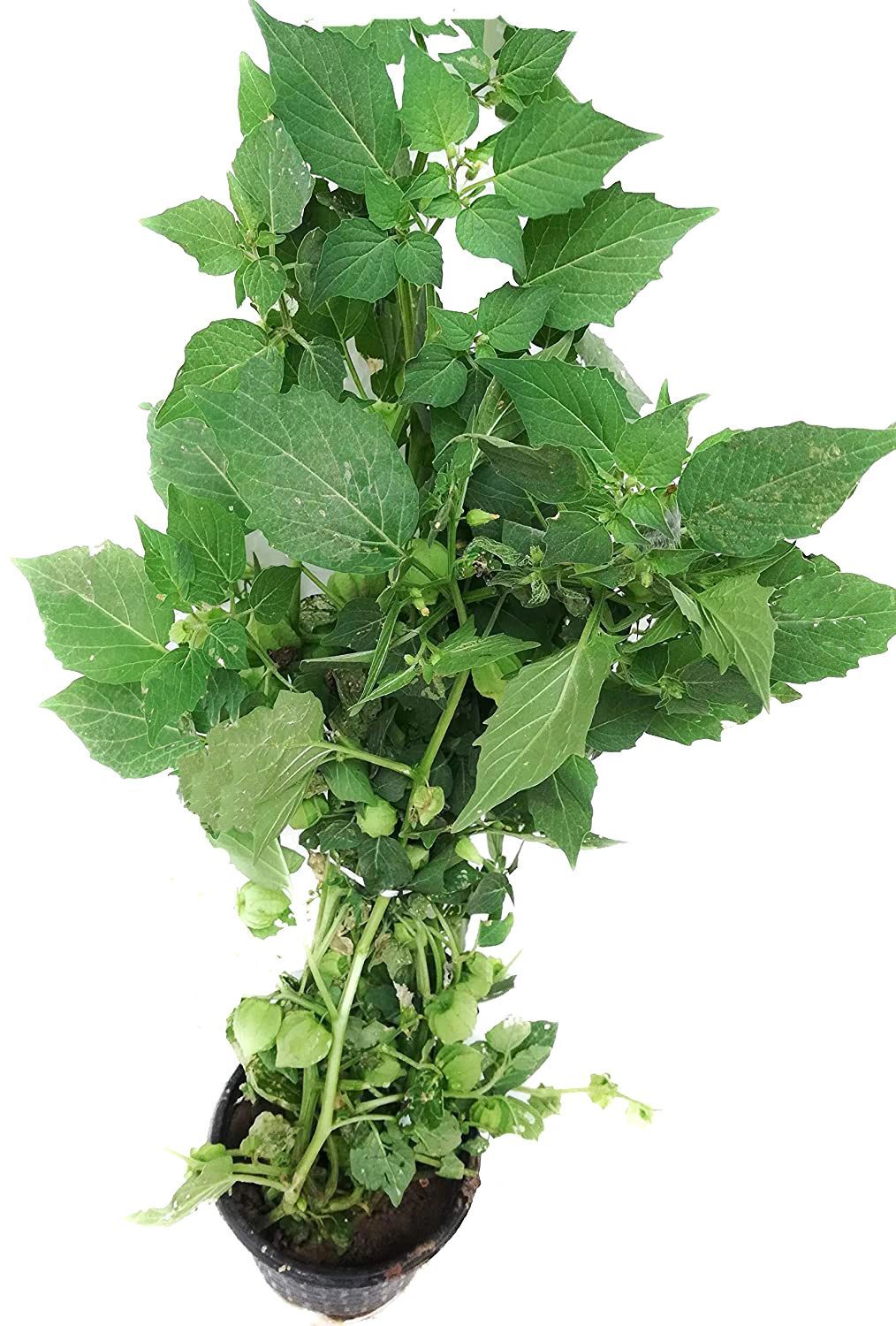
![Physalis angulata Herbal Plant, Cut Leaf Ground Cherry Plant [RAJ GARDEN PLANTS]](https://www.paudhewale.com/s/660a356584d1ac2391ae69de/6a0b083a95f33fc37c953024/groundpercent20cherry.jpg)
This is a live plant of ROOKHRAJ PAUDHSHALA Physalis angulata, Cut Leaf Ground Cherry Plant Here are some key points about Physalis angulata, also known as Wild Gooseberry or Cutleaf Ground Cherry: Common Names: Wild Gooseberry, Cutleaf Ground Cherry, Sticky Ground Cherry Family: Solanaceae Appearance: Perennial herb with delicate, lantern-like papery husks enclosing its fruits Lobed leaves with serrated edges, giving it the "cutleaf" characteristic Small bell-shaped flowers in white or pale yellow hues Habitat: Native to multiple regions including the Americas, Asia, and Africa Thrives in various habitats such as open fields, disturbed areas, and forest edges Traditional Uses: Historically used in folk medicine for various health concerns, including fever, cough, skin issues, and inflammation Chemical Composition: Contains bioactive compounds like alkaloids, flavonoids, and phenolic compounds Interest from researchers due to its potential therapeutic properties Health Benefits: Potential anti-inflammatory effects, suggesting a role in managing inflammatory conditions Presence of antioxidants, which could contribute to combating oxidative stress Cultivation: Prefers well-drained soil and partial to full sunlight Amend soil with organic matter for improved fertility and drainage Sow seeds in appropriate planting season with proper spacing Maintain consistent soil moisture, especially during active growth Prune for air circulation and support plant growth if needed Harvest fruits when husks are papery and dry Caution: While historically used in traditional medicine, consult a healthcare professional before using for medicinal purposes Approach with caution and respect due to potential interactions and effects Connection to Nature: Engaging with Physalis angulata deepens understanding of the botanical world Provides an opportunity to connect with nature's potential contributions to well-being Cultivating and exploring Physalis angulata allows for a deeper appreciation of its unique qualities and its potential place in the realm of herbalism and natural remedies. Remember, in your botanical journey, to approach with a balance of curiosity, caution, and reverence for the wonders of the plant kingdom. · One Healthy Live Plant in Nursery poly Bag · Easy to grow in pots or in soil of the garden · Use Sandy Soil 30%+ Compost 30% +Other Soil · Put in 75 % shade · Keep Moderate Watering · Best time for growing Rainy Season · Contains Medicinal Properties Growing & Care Tips Growing and caring for Physalis angulata, or Wild Gooseberry, can be a rewarding experience. Here are some tips to help you cultivate and care for this intriguing herbal plant: 1. Suitable Climate: Physalis angulata can thrive in a variety of climates, but it generally prefers warm and temperate regions. It may not tolerate extreme cold or frost well. 2. Sunlight: Choose a location with partial to full sunlight for optimal growth and fruit production. 3. Soil Preparation: Provide well-draining soil that is rich in organic matter. You can amend the soil with compost or well-rotted manure to enhance fertility and drainage. 4. Planting: Sow the seeds directly into the prepared soil after the last frost. Plant them at a depth of about 1/4 to 1/2 inch (0.6 to 1.3 cm) and space them according to the plant's mature size. 5. Watering: Keep the soil consistently moist, especially during periods of active growth. Avoid waterlogged conditions, as this can lead to root rot. 6. Mulching: Apply a layer of organic mulch around the base of the plant to help retain soil moisture and suppress weed growth. 7. Support and Pruning: As the plant grows, it may benefit from staking or support, especially if it becomes top-heavy with fruits. Regularly prune dead or diseased leaves to promote air circulation and overall plant health. 8. Fertilization: Provide a balanced, all-purpose fertilizer during the growing season to support healthy growth and fruit production. Follow the recommended dosage on the fertilizer label. 9. Pest and Disease Management: Monitor for pests such as aphids, caterpillars, and whiteflies. Use natural methods like introducing beneficial insects or using insecticidal soap if necessary. Ensure good air circulation and avoid overhead watering to prevent fungal diseases. 10. Harvesting: Physalis angulata produces lantern-like husks that enclose the fruits. Harvest the fruits when the husks turn papery and dry, revealing the edible berries inside. Gently remove the husks before consuming the berries. 11. Caution: While Physalis angulata has historical uses in herbal medicine, it's important to consult a healthcare professional before using it for medicinal purposes. 12. Overwintering: In colder climates, Physalis angulata may be grown as an annual. In warmer regions, it may behave as a perennial, returning year after year. 13. Enjoy the Beauty: Physalis angulata can also serve as an ornamental plant in your garden due to its unique lantern-like husks and attractive foliage. Cultivating Physalis angulata can be a wonderful way to connect with the natural world and explore its potential benefits. By following these growing and care tips, you can create a thriving and fruitful addition to your garden or herbal collection.
RKH-PDH-PHY-NGLChoose your location
Please provide your delivery pincode to see products available in your area
COD (Cash On Delivery) On request
🎁Gift Coupons: Share your unboxing video & receive an exclusive gift coupon as a thank-you!
Share here
🚫No Claims After Repotting: If a plant is transferred to another pot and gets damaged, no claims will be accepted. Re-potting is at your own risk.
📸Unboxing Video Required: To claim a refund or replacement for any product, you must share an uncut unboxing video upon receiving the item.
⏳Raise Claim Within 24 Hours: To be eligible for any refund/replacement, raise a claim within 24 hours of delivery.(For plants only, for other categories the claim window is 5 days)
| brand | Raj Garden Plants |
This is a live plant of ROOKHRAJ PAUDHSHALA Physalis angulata, Cut Leaf Ground Cherry Plant Here are some key points about Physalis angulata, also known as Wild Gooseberry or Cutleaf Ground Cherry: Common Names: Wild Gooseberry, Cutleaf Ground Cherry, Sticky Ground Cherry Family: Solanaceae Appearance: Perennial herb with delicate, lantern-like papery husks enclosing its fruits Lobed leaves with serrated edges, giving it the "cutleaf" characteristic Small bell-shaped flowers in white or pale yellow hues Habitat: Native to multiple regions including the Americas, Asia, and Africa Thrives in various habitats such as open fields, disturbed areas, and forest edges Traditional Uses: Historically used in folk medicine for various health concerns, including fever, cough, skin issues, and inflammation Chemical Composition: Contains bioactive compounds like alkaloids, flavonoids, and phenolic compounds Interest from researchers due to its potential therapeutic properties Health Benefits: Potential anti-inflammatory effects, suggesting a role in managing inflammatory conditions Presence of antioxidants, which could contribute to combating oxidative stress Cultivation: Prefers well-drained soil and partial to full sunlight Amend soil with organic matter for improved fertility and drainage Sow seeds in appropriate planting season with proper spacing Maintain consistent soil moisture, especially during active growth Prune for air circulation and support plant growth if needed Harvest fruits when husks are papery and dry Caution: While historically used in traditional medicine, consult a healthcare professional before using for medicinal purposes Approach with caution and respect due to potential interactions and effects Connection to Nature: Engaging with Physalis angulata deepens understanding of the botanical world Provides an opportunity to connect with nature's potential contributions to well-being Cultivating and exploring Physalis angulata allows for a deeper appreciation of its unique qualities and its potential place in the realm of herbalism and natural remedies. Remember, in your botanical journey, to approach with a balance of curiosity, caution, and reverence for the wonders of the plant kingdom. · One Healthy Live Plant in Nursery poly Bag · Easy to grow in pots or in soil of the garden · Use Sandy Soil 30%+ Compost 30% +Other Soil · Put in 75 % shade · Keep Moderate Watering · Best time for growing Rainy Season · Contains Medicinal Properties Growing & Care Tips Growing and caring for Physalis angulata, or Wild Gooseberry, can be a rewarding experience. Here are some tips to help you cultivate and care for this intriguing herbal plant: 1. Suitable Climate: Physalis angulata can thrive in a variety of climates, but it generally prefers warm and temperate regions. It may not tolerate extreme cold or frost well. 2. Sunlight: Choose a location with partial to full sunlight for optimal growth and fruit production. 3. Soil Preparation: Provide well-draining soil that is rich in organic matter. You can amend the soil with compost or well-rotted manure to enhance fertility and drainage. 4. Planting: Sow the seeds directly into the prepared soil after the last frost. Plant them at a depth of about 1/4 to 1/2 inch (0.6 to 1.3 cm) and space them according to the plant's mature size. 5. Watering: Keep the soil consistently moist, especially during periods of active growth. Avoid waterlogged conditions, as this can lead to root rot. 6. Mulching: Apply a layer of organic mulch around the base of the plant to help retain soil moisture and suppress weed growth. 7. Support and Pruning: As the plant grows, it may benefit from staking or support, especially if it becomes top-heavy with fruits. Regularly prune dead or diseased leaves to promote air circulation and overall plant health. 8. Fertilization: Provide a balanced, all-purpose fertilizer during the growing season to support healthy growth and fruit production. Follow the recommended dosage on the fertilizer label. 9. Pest and Disease Management: Monitor for pests such as aphids, caterpillars, and whiteflies. Use natural methods like introducing beneficial insects or using insecticidal soap if necessary. Ensure good air circulation and avoid overhead watering to prevent fungal diseases. 10. Harvesting: Physalis angulata produces lantern-like husks that enclose the fruits. Harvest the fruits when the husks turn papery and dry, revealing the edible berries inside. Gently remove the husks before consuming the berries. 11. Caution: While Physalis angulata has historical uses in herbal medicine, it's important to consult a healthcare professional before using it for medicinal purposes. 12. Overwintering: In colder climates, Physalis angulata may be grown as an annual. In warmer regions, it may behave as a perennial, returning year after year. 13. Enjoy the Beauty: Physalis angulata can also serve as an ornamental plant in your garden due to its unique lantern-like husks and attractive foliage. Cultivating Physalis angulata can be a wonderful way to connect with the natural world and explore its potential benefits. By following these growing and care tips, you can create a thriving and fruitful addition to your garden or herbal collection.
Products listed on Paudhewale.com are provided by individual sellers. We recommend referring to the product label before use. Paudhewale.com is not liable for any loss arising from misuse of products sold on our platform.
![Barahmasi Sadabahar Lemon Live Plant, Desi Selection Variety,Baramasi Nimbu Plant, [RAJ GARDEN PLANTS]](https://www.paudhewale.com/s/660a356584d1ac2391ae69de/6a0b08db921035dc2b8bc992/project_20240216_1823289-01-640x640.png "Barahmasi Sadabahar Lemon Live Plant, Desi Selection Variety,Baramasi Nimbu Plant, [RAJ GARDEN PLANTS]")
![Pomegranate Live Plant ,( Sinduri Hybrid Variety ) Anar Ka Paudha [RAJ GARDEN PLANTS]](https://www.paudhewale.com/s/660a356584d1ac2391ae69de/6a0b08d7564f25b03cb86b61/29_original-640x640.jpg "Pomegranate Live Plant ,( Sinduri Hybrid Variety ) Anar Ka Paudha [RAJ GARDEN PLANTS]")
![Salvadora persica Plant, Miswak Plant, Khari Jaal , Peelu Plant, Salvadora Persica [RAJ GARDEN PLANTS]](https://www.paudhewale.com/s/660a356584d1ac2391ae69de/6a0b07ad8195e488a2de2330/salvadora-640x640.jpg "Salvadora persica Plant, Miswak Plant, Khari Jaal , Peelu Plant, Salvadora Persica [RAJ GARDEN PLANTS]")
![Jayfal Live Plant, Nutmeg Plant, Myristica fragrans [RAJ GARDEN PLANTS]](https://www.paudhewale.com/s/660a356584d1ac2391ae69de/6a0b07989beb607fbcf72393/jayfal-640x640.jpg "Jayfal Live Plant, Nutmeg Plant, Myristica fragrans [RAJ GARDEN PLANTS]")
![Human-shaped Ceramic Planters with Succulent Plant, Pot Included [RAJ GARDEN PLANTS]](https://www.paudhewale.com/s/660a356584d1ac2391ae69de/6a0b05f2f5202f0eb7da0afc/277664546_3072405996335041_5847399011755975592-640x640.jpg "Human-shaped Ceramic Planters with Succulent Plant, Pot Included [RAJ GARDEN PLANTS]")
![Garden Watering Can 5 Liter's Volume [RAJ GARDEN PLANTS]](https://www.paudhewale.com/s/660a356584d1ac2391ae69de/6a0b09cd29066cbeeb4bb0a6/94_original-640x640.jpg "Garden Watering Can 5 Liter's Volume [RAJ GARDEN PLANTS]")
![Kaju Live Plant, Cashew Nut Plant [RAJ GARDEN PLANTS]](https://www.paudhewale.com/s/660a356584d1ac2391ae69de/6a0b09c1921035dc2b8bd36f/98_original-640x640.jpg "Kaju Live Plant, Cashew Nut Plant [RAJ GARDEN PLANTS]")
![Giloy Live Plant, Gulvel , Tinospora Cordifolia Live Plant, Heart-leaved moonseed [RAJ GARDEN PLANTS]](https://www.paudhewale.com/s/660a356584d1ac2391ae69de/6a0b09bd29066cbeeb4bafe0/100_original-640x640.jpg "Giloy Live Plant, Gulvel , Tinospora Cordifolia Live Plant, Heart-leaved moonseed [RAJ GARDEN PLANTS]")
![Gandharaj Flower Plant , Dwarf Rare Gardenia / Cape Jasmine (1 Plant In Polybag) [RAJ GARDEN PLANTS]](https://www.paudhewale.com/s/660a356584d1ac2391ae69de/6a0b08b60beb2152c0e07b83/gandhrajpercent20copy-640x640.jpg "Gandharaj Flower Plant , Dwarf Rare Gardenia / Cape Jasmine (1 Plant In Polybag) [RAJ GARDEN PLANTS]")
![Compost Jaivik Khad, Cow Dung Manure for Plants & Home Gardening - 5 Kg [RAJ GARDEN PLANTS]](https://www.paudhewale.com/s/660a356584d1ac2391ae69de/6a0b084a9beb607fbcf72a11/cowpercent20dungpercent20manure-640x640.jpg "Compost Jaivik Khad, Cow Dung Manure for Plants & Home Gardening - 5 Kg [RAJ GARDEN PLANTS]")
![Indoor Planters White Apple Shape (Set of 3 Pots) [RAJ GARDEN PLANTS]](https://www.paudhewale.com/s/660a356584d1ac2391ae69de/6a0b08429beb607fbcf729d7/blob-87f023c-640x640.jpg "Indoor Planters White Apple Shape (Set of 3 Pots) [RAJ GARDEN PLANTS]")
![Nursery Grow Pots, Round Shape Plastic Pots, Set of 10 Pots, Pot Size 4 inch [RAJ GARDEN PLANTS]](https://www.paudhewale.com/s/660a356584d1ac2391ae69de/6a0b08379beb607fbcf7296b/nurserypercent20copy-640x640.jpg "Nursery Grow Pots, Round Shape Plastic Pots, Set of 10 Pots, Pot Size 4 inch [RAJ GARDEN PLANTS]")
![Napier Grass Plants, Co5 , Elephant Grass Live Plant (( Bunch of 5 Plants with roots) , Napier Grass, Hathi Ghas, Co5 [RAJ GARDEN PLANTS]](https://www.paudhewale.com/s/660a356584d1ac2391ae69de/6a0b07838195e488a2de2214/68_original-640x640.jpg "Napier Grass Plants, Co5 , Elephant Grass Live Plant (( Bunch of 5 Plants with roots) , Napier Grass, Hathi Ghas, Co5 [RAJ GARDEN PLANTS]")
![Lily Flower Plant, Mixed Colour Flower Bulb { 4 Bulbs } [RAJ GARDEN PLANTS]](https://www.paudhewale.com/s/660a356584d1ac2391ae69de/6a0b077a054cc3ad7e3fd1a4/52_original-640x640.jpg "Lily Flower Plant, Mixed Colour Flower Bulb { 4 Bulbs } [RAJ GARDEN PLANTS]")
![Compact Sprenger Asparagus Fern, Asparagus densiflorus 'Sprengeri Compacta' [RAJ GARDEN PLANTS]](https://www.paudhewale.com/s/660a356584d1ac2391ae69de/6a0b07670beb2152c0e06f6b/blob-1574155-640x640.png "Compact Sprenger Asparagus Fern, Asparagus densiflorus 'Sprengeri Compacta' [RAJ GARDEN PLANTS]")
![Asthma weed or Tawa-tawa ,Euphorbia hirta [RAJ GARDEN PLANTS]](https://www.paudhewale.com/s/660a356584d1ac2391ae69de/6a0b074e95f33fc37c9528db/blob-d299ce2-640x640.png "Asthma weed or Tawa-tawa ,Euphorbia hirta [RAJ GARDEN PLANTS]")
![Madhukamini Flower Plant, Murraya paniculata [RAJ GARDEN PLANTS]](https://www.paudhewale.com/s/660a356584d1ac2391ae69de/6a0b072ed3315fc600038eec/blob-9d68785-640x640.png "Madhukamini Flower Plant, Murraya paniculata [RAJ GARDEN PLANTS]")
![Rectangular Planter Boxes [RAJ GARDEN PLANTS]](https://www.paudhewale.com/s/660a356584d1ac2391ae69de/6a0b06f3dd3594b5cb7bba9e/blob-f314d08-640x640.jpg "Rectangular Planter Boxes [RAJ GARDEN PLANTS]")
![Lush and Vibrant Aglaonema Red: A Touch of Elegance for Your Indoor Space [RAJ GARDEN PLANTS]](https://www.paudhewale.com/s/660a356584d1ac2391ae69de/6a0b06e3affb47165e7b5a32/blob-954636a-640x640.png "Lush and Vibrant Aglaonema Red: A Touch of Elegance for Your Indoor Space [RAJ GARDEN PLANTS]")
![Sahjan Plant, Drumstick Plant, Moringa Oleifera Medicinal Live Plant [RAJ GARDEN PLANTS]](https://www.paudhewale.com/s/660a356584d1ac2391ae69de/6a0b06b10ad03c5dc1f9952e/blob-4d34ad4-640x640.png "Sahjan Plant, Drumstick Plant, Moringa Oleifera Medicinal Live Plant [RAJ GARDEN PLANTS]")
![Cereus Monster Cactus Plant, Cereus Peruvian Crested Monstrous Coral [RAJ GARDEN PLANTS]](https://www.paudhewale.com/s/660a356584d1ac2391ae69de/6a0b0677054cc3ad7e3fcbfb/blob-457d82a-640x640.png "Cereus Monster Cactus Plant, Cereus Peruvian Crested Monstrous Coral [RAJ GARDEN PLANTS]")
![String of Tangled Heart | Pillow Plant | Swedish Ivy | Rare Ornamental Plant with 4 inch nursery pot [RAJ GARDEN PLANTS]](https://www.paudhewale.com/s/660a356584d1ac2391ae69de/6a0b060ed41d994e14006589/tangledpercent20heart-640x640.jpg "String of Tangled Heart | Pillow Plant | Swedish Ivy | Rare Ornamental Plant with 4 inch nursery pot [RAJ GARDEN PLANTS]")
![[Plants Glory] Indian Coconut Fruit Plant](https://www.paudhewale.com/s/660a356584d1ac2391ae69de/6a0ae56f6450d5a4b4d1fd22/16302__1766832134985_9fim8vid2rqjuiy-640x640.webp "[Plants Glory] Indian Coconut Fruit Plant")