










MRP ₹1,200 Inclusive of all taxes
COD (Cash On Delivery) On request
| # | Attribute | Value |
|---|---|---|
| 2. | Sunlight | Full sun to partial shade |
| 3. | Soil | Well-drained, slightly acidic |
| 4. | Watering | Regular, avoid waterlogging |
| 5. | Propagation | Seeds or stem cuttings |
| 6. | Common names | Parijatak, Harsingar, Night Jasmine, Tree of Sorrow |
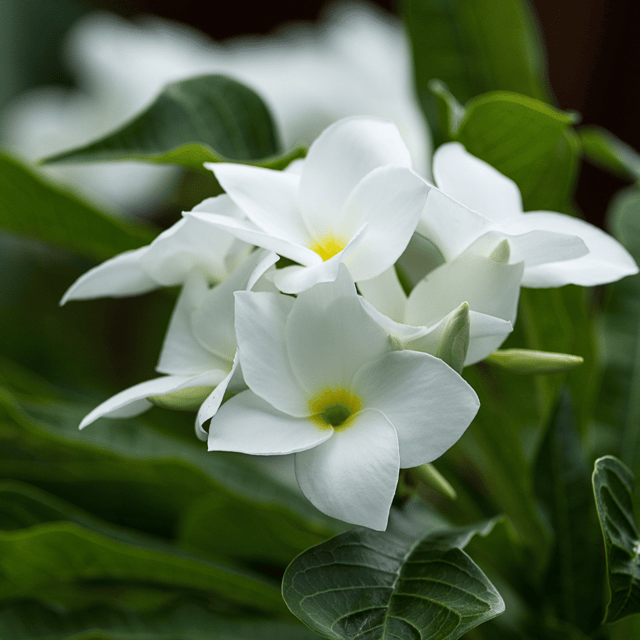
| 7. | Flowering | Night-blooming; white petals with orange-red tube |
| 8. | brand | VAIBHAV BIOTECH |
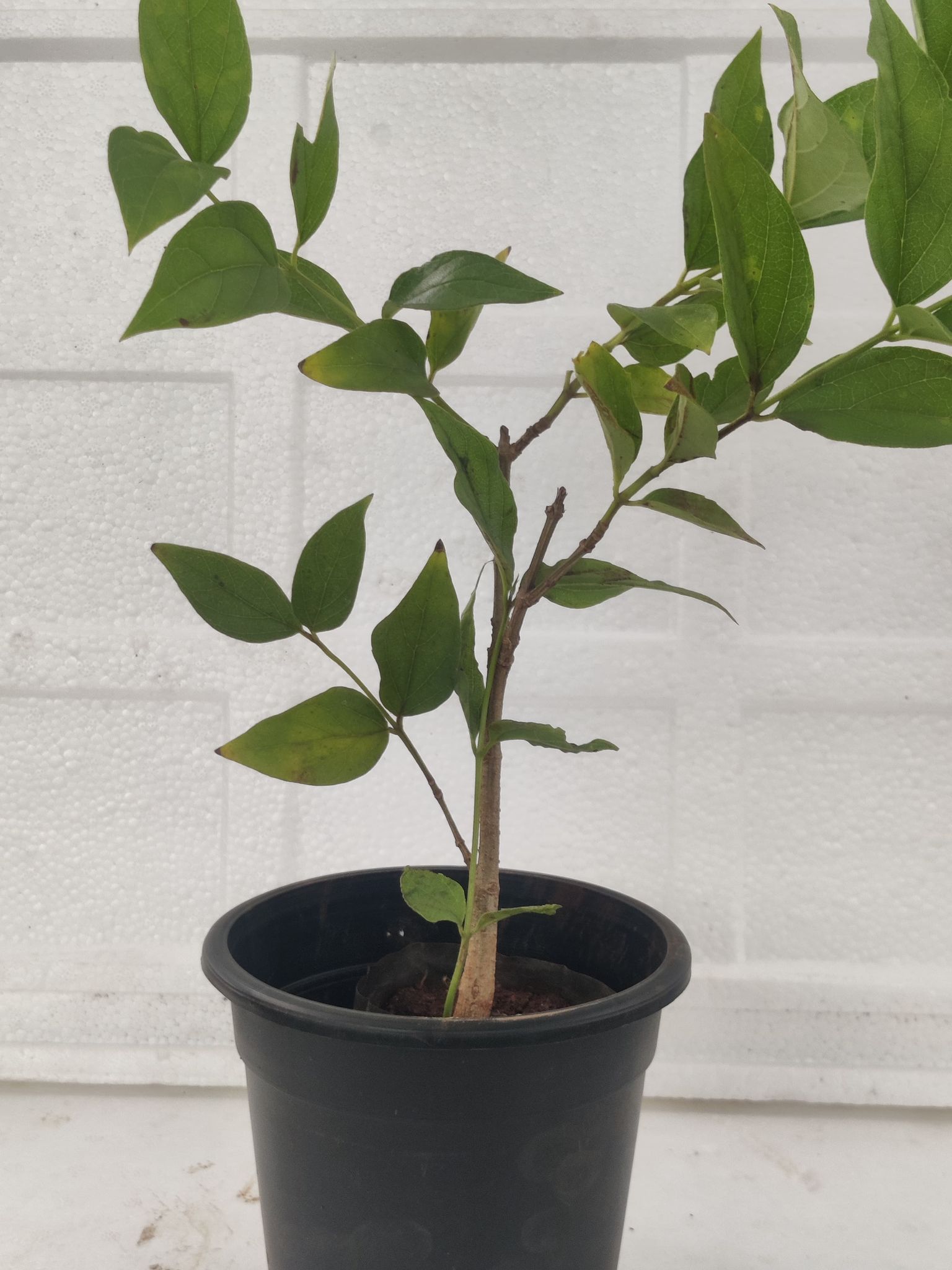
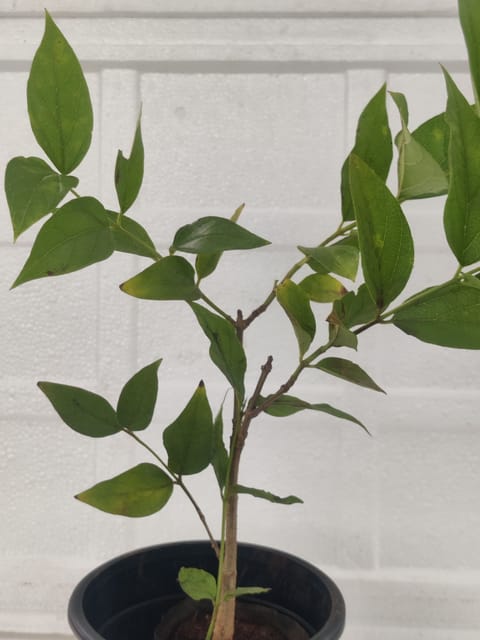
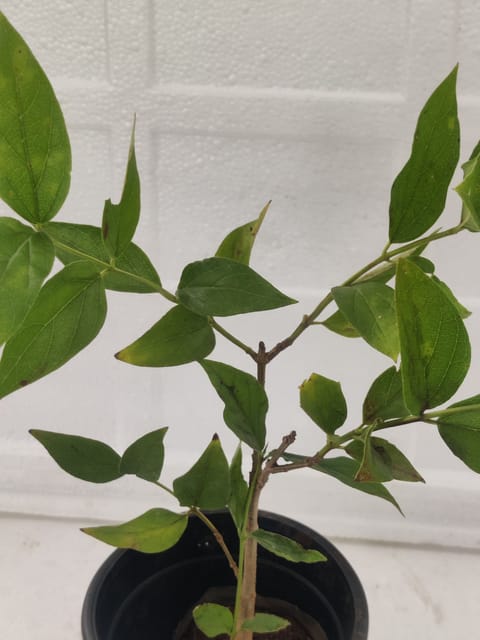
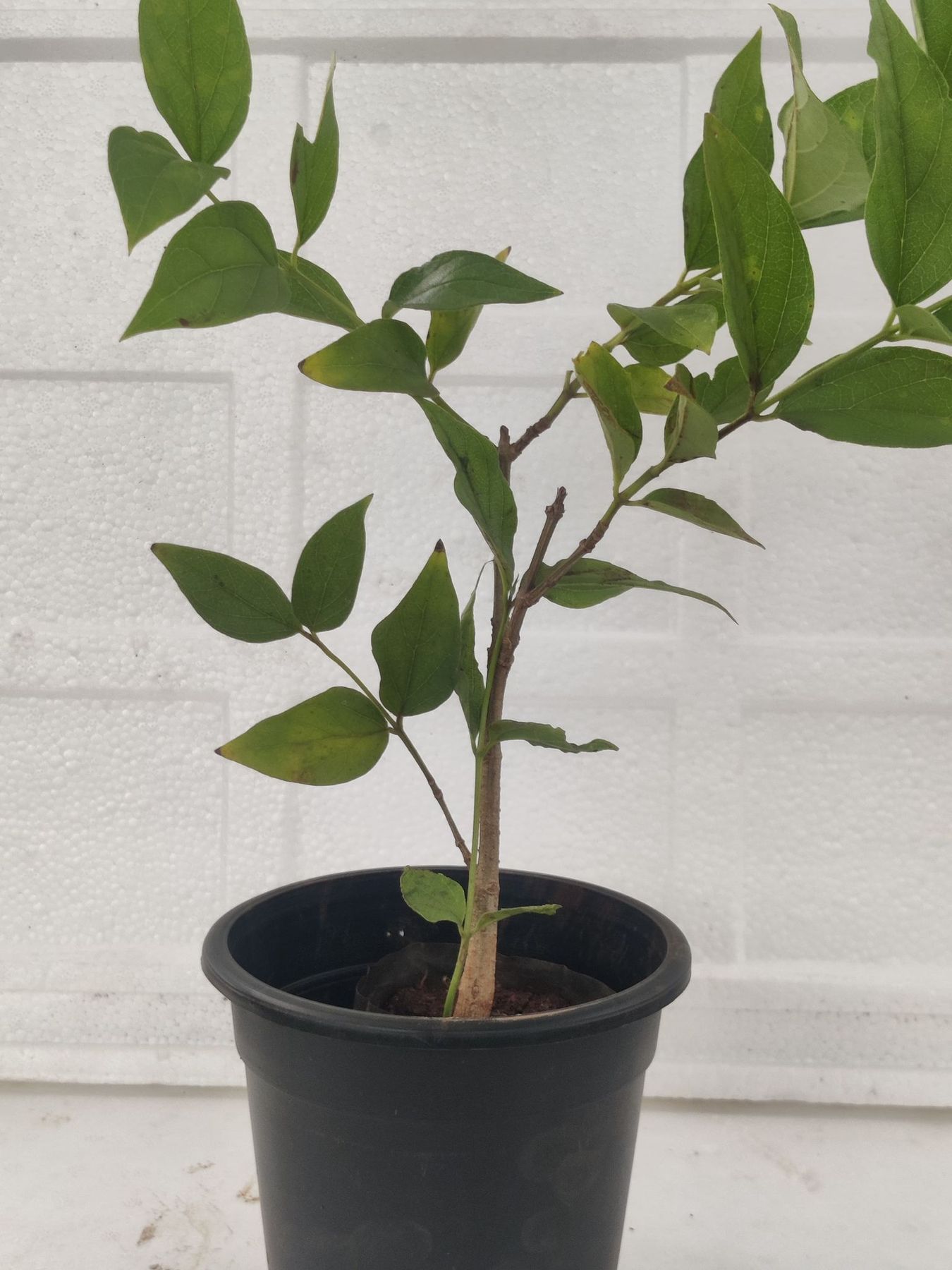
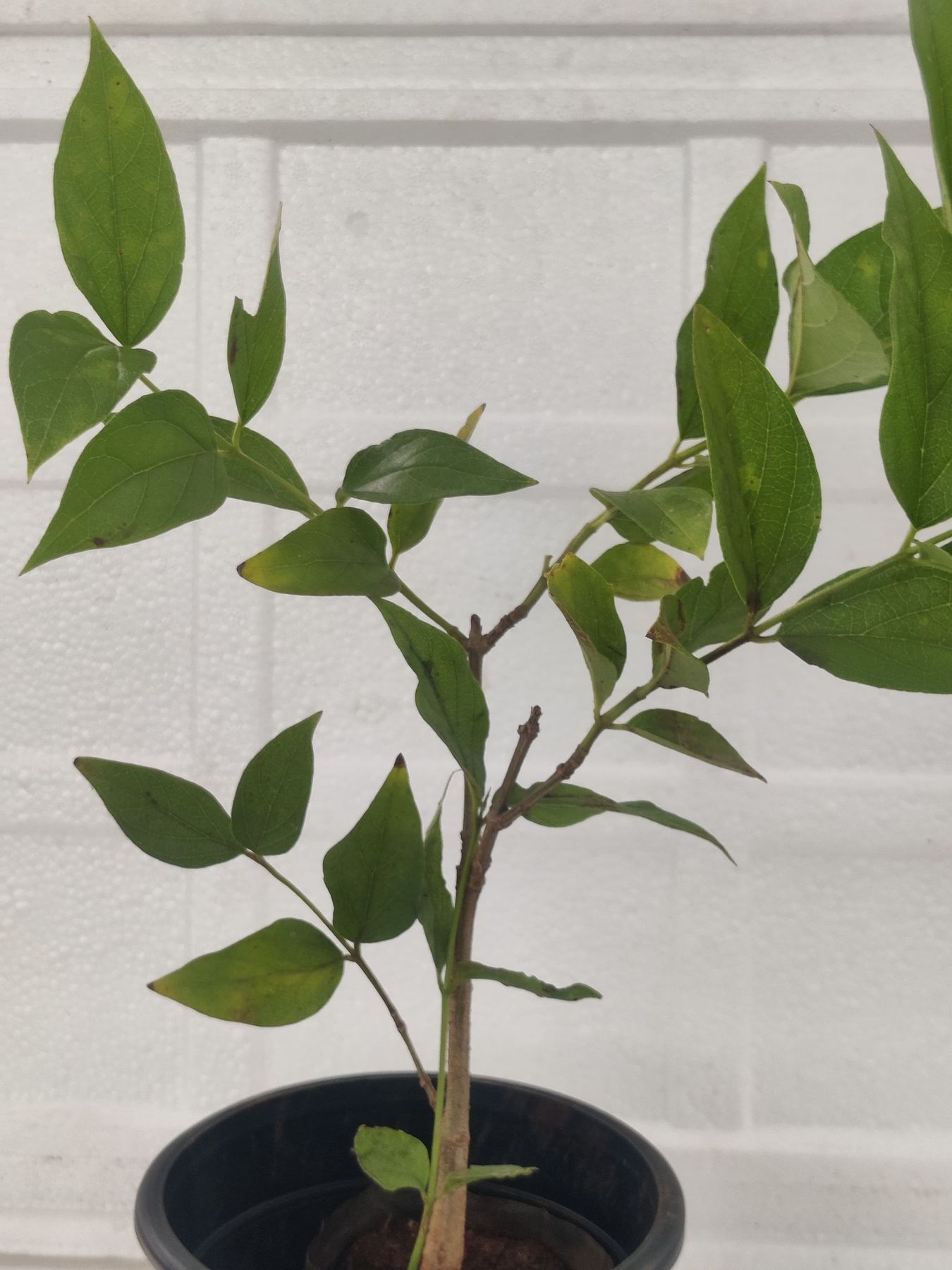
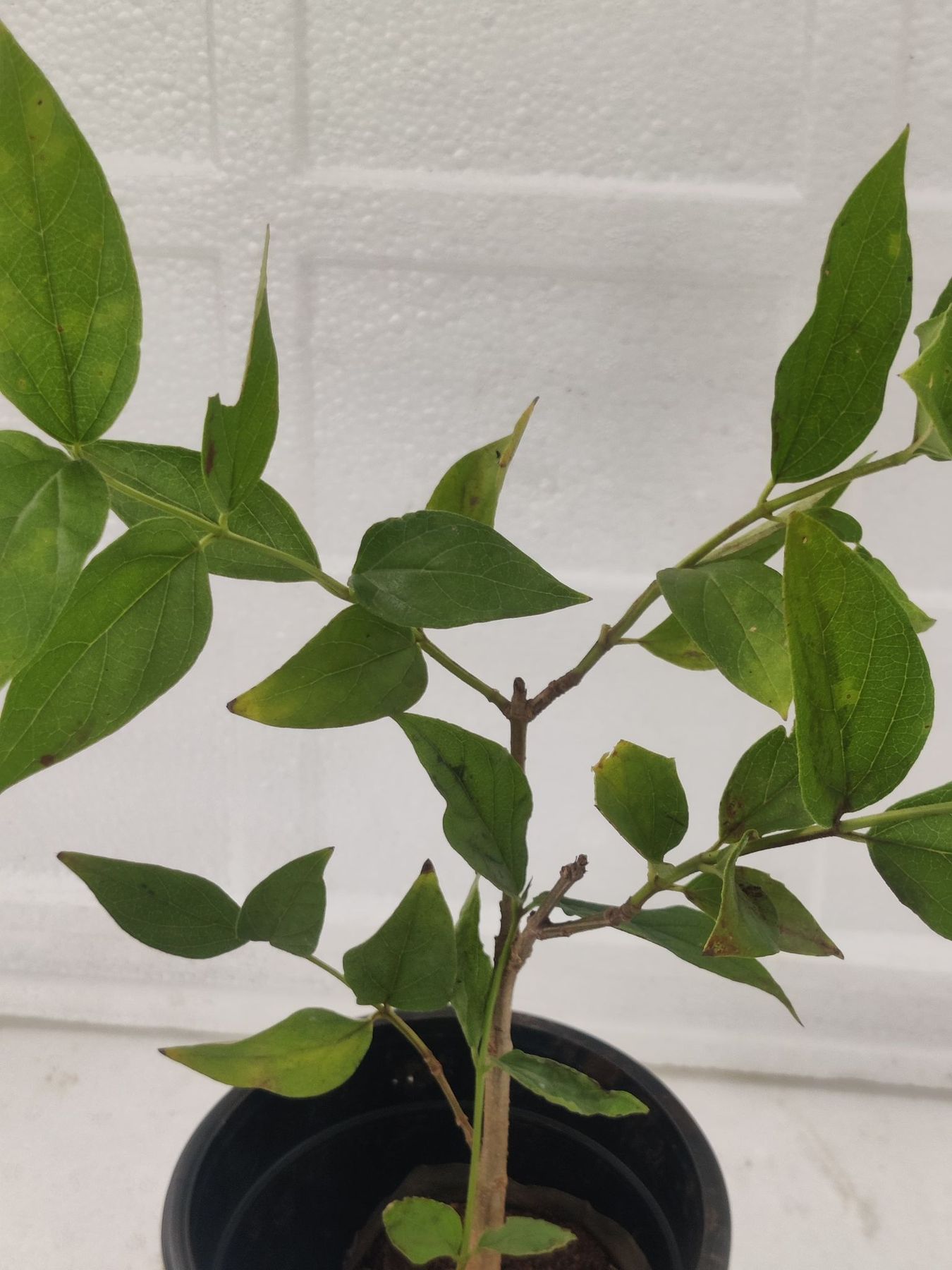
The Parijatak plant (Nyctanthes arbor-tristis), also known as Harsingar or Night-flowering Jasmine, is a small deciduous tree or large shrub native to the Indian subcontinent. It holds a special place in Indian culture for its mesmerizing white flowers with bright orange-red centers that bloom during the night and fall by early morning, creating a carpet of sweet-smelling petals. The plant symbolizes beauty, devotion, and transience—hence the botanical name “arbor-tristis,” meaning “sad tree.” It typically grows up to 10 meters in height and has rough, ovate leaves with a leathery texture. Beyond its ornamental value, Parijatak is widely used in Ayurvedic medicine; its leaves and flowers possess anti-inflammatory, anti-arthritic, and antipyretic properties, making it useful in treating conditions like fever, joint pain, skin infections, and constipation. In Hindu mythology, the Parijatak is considered a divine tree brought to Earth from the heavens, and its flowers are often used in temple offerings and spiritual rituals.
Medicinal: Treats fever, arthritis, skin issues
Religious: Offered in Hindu rituals & festivals
Aesthetic: Garden and spiritual spaces
Watering: Regular watering during hot/dry months; avoid waterlogging
Sunlight: Requires about 4–6 hours of direct sunlight daily for optimal flowering
Fertilizer: Monthly application of balanced NPK (e.g. 20:20:20) or organic compost supports blooming
Pruning: Light trimming after flowering helps maintain shape and encourages growth
Propagates easily via seeds or softwood cuttings; suitable for garden beds, terraces, or pots
Blooms at night, typically from dusk to early morning, releasing a strong sweet fragrance
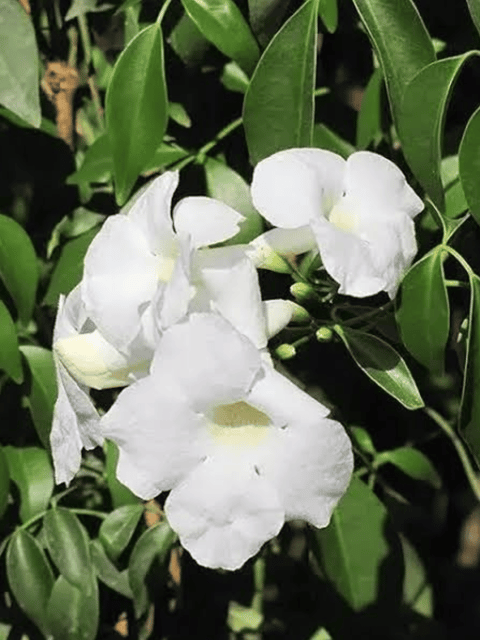
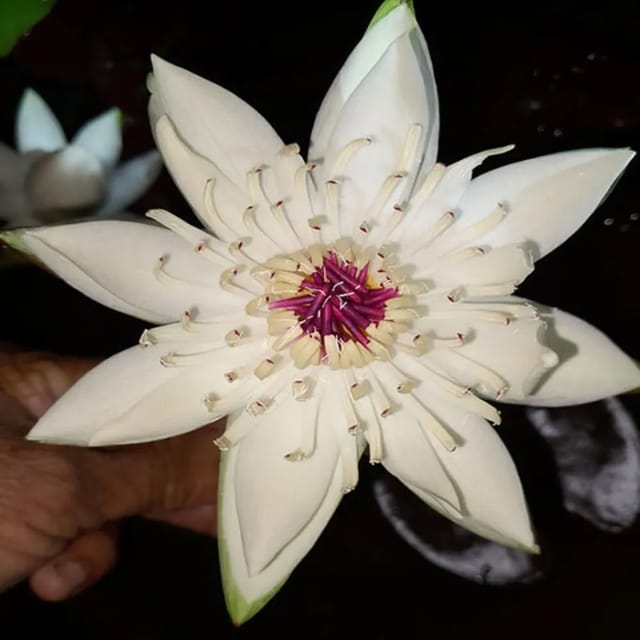
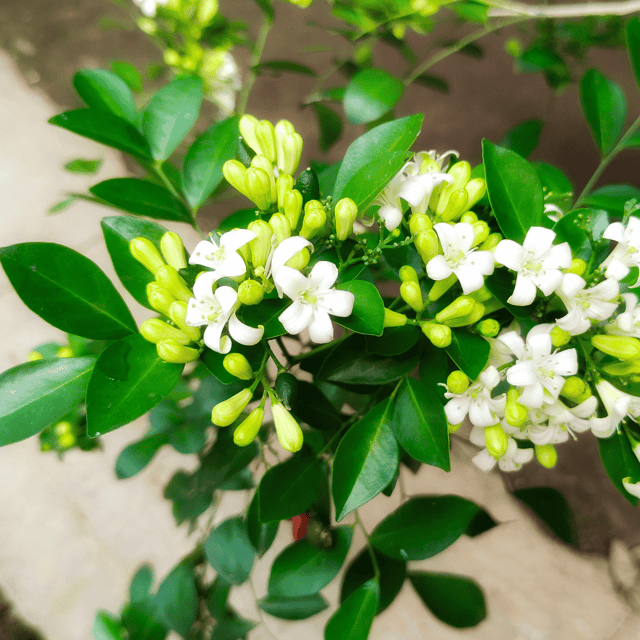
Flowers have 4 to 8 white petals arranged radially above a vivid orange-red tubular base, resembling a pinwhee
After blooming, petals fall at dawn, carpeting the ground like delicate teardrops—which is why it’s called the “tree of sorrow” or arbor tristis
Products listed on Paudhewale.com are provided by individual sellers. While we strive to ensure that the information displayed is accurate and up-to-date, actual product details such as appearance, packaging, and care instructions may vary. We recommend referring to the product label or instructions provided with the item before use. Paudhewale.com is not liable for any loss, damage, or inconvenience arising from misuse, improper handling, or illegal use of any product sold through our platform.