

![Barahmasi Sadabahar Lemon Live Plant, Desi Selection Variety,Baramasi Nimbu Plant, [RAJ GARDEN PLANTS]](https://www.paudhewale.com/s/660a356584d1ac2391ae69de/6a0b08db921035dc2b8bc992/project_20240216_1823289-01-640x640.png "Barahmasi Sadabahar Lemon Live Plant, Desi Selection Variety,Baramasi Nimbu Plant, [RAJ GARDEN PLANTS]")
₹1,001₹354
![String Of Hearts, Ceropegia woodii , Hanging Succulent Plant, Indoor Succulent Plants [RAJ GARDEN PLANTS]](https://www.paudhewale.com/s/660a356584d1ac2391ae69de/6a0b08aa95f33fc37c953490/stringpercent20ofpercent20hearts-640x640.jpg "String Of Hearts, Ceropegia woodii , Hanging Succulent Plant, Indoor Succulent Plants [RAJ GARDEN PLANTS]")
₹803₹255
![Moonstone Succulent Plant, Pachyphytum Oviferum ,Indoor live plants , Succulent & Cacti Plant for Home Décor [RAJ GARDEN PLANTS]](https://www.paudhewale.com/s/660a356584d1ac2391ae69de/6a0b089e564f25b03cb86926/moonstonepercent20copy-640x640.jpg "Moonstone Succulent Plant, Pachyphytum Oviferum ,Indoor live plants , Succulent & Cacti Plant for Home Décor [RAJ GARDEN PLANTS]")
₹803₹273
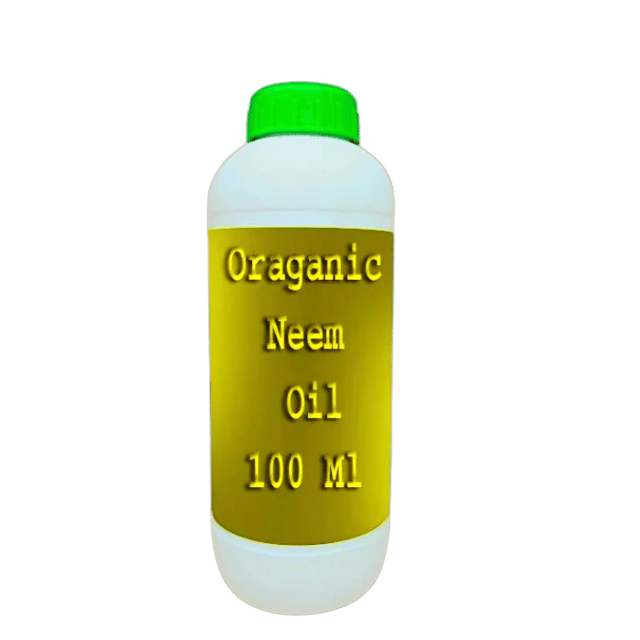
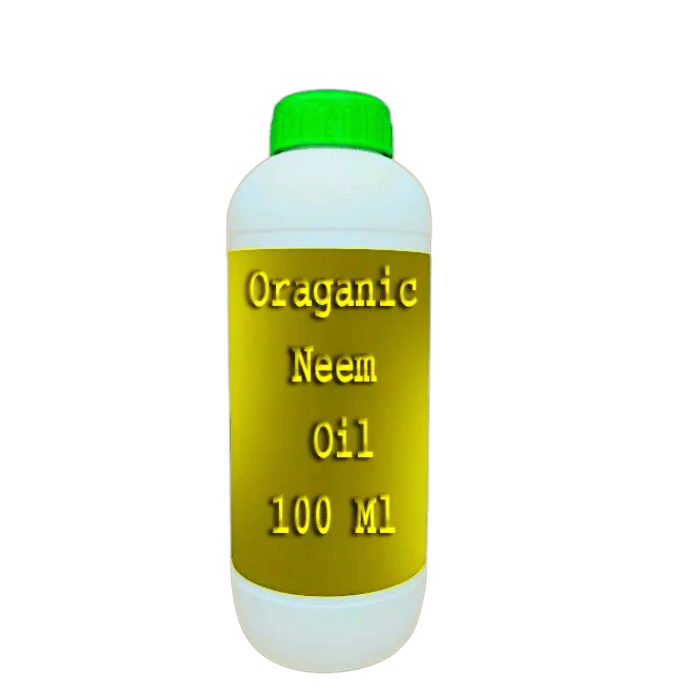
![ORGANIC NEEM OIL 100 ML [RAJ GARDEN PLANTS]](https://www.paudhewale.com/s/660a356584d1ac2391ae69de/6a0b06a4116fe1a534ae2c30/blob-c1919eb.png)
This is an organic Neem Oil for pest and insects . Neem oil) works as a botanical pesticide, the active constituents present in the neem oil damages the pro thoracic gland present in the stomach.of the pest Eventually, the pest stops feeding and dies. It controls about 200 diffrent species of the insect and pest. Organic Neem Oil: Key Points and Benefits Natural Extract : Neem oil is derived from the seeds of the neem tree (Azadirachta indica), native to India and other parts of Asia. Organic Option : Organic neem oil is obtained from neem seeds without the use of synthetic pesticides or chemicals, aligning with organic gardening practices. Pest Repellent : Neem oil acts as a natural insecticide and repellent, deterring a wide range of pests like aphids, mites, whiteflies, and more. Anti-Fungal Properties : It also exhibits antifungal properties, helping control fungal diseases like powdery mildew and rust. Modes of Application : Neem oil can be used as a foliar spray or soil drench, depending on the type of pest or issue being addressed. Safe for Beneficial Insects : Unlike some chemical pesticides, neem oil is less harmful to beneficial insects like bees and ladybugs, which play a crucial role in natural pest control. Gentle on Plants : Organic neem oil is generally gentle on plants when used properly, minimizing the risk of damage. Biochemical Mechanism : Neem oil disrupts the insects' life cycle, affecting feeding, growth, molting, and reproduction, ultimately reducing pest populations. Systemic Effects : When applied as a soil drench, neem oil can be absorbed by the plant's roots, providing systemic protection against pests and diseases. Timing : Apply neem oil during early morning or late afternoon to prevent leaf burn and to ensure that beneficial insects are not affected. Dilution and Mixing : Neem oil is often diluted with water and may require emulsifiers to ensure proper mixing. Follow the product instructions for appropriate ratios. Consistent Application : Regular and consistent application is important, especially when dealing with persistent pest problems. Health and Safety : Organic neem oil is generally considered safe for humans and pets when used as directed. However, avoid direct skin contact and inhalation of the concentrated oil. Storage : Store neem oil in a cool, dark place away from direct sunlight. Proper storage helps maintain its effectiveness. Compatibility : While neem oil is compatible with many plants, it's advisable to conduct a patch test on a small area before applying to the entire plant. Environmental Considerations : Organic neem oil aligns with environmentally friendly and sustainable gardening practices by minimizing the use of synthetic chemicals. Integrated Pest Management (IPM) : Neem oil can be an effective component of an integrated pest management strategy, promoting natural pest control and reducing reliance on conventional pesticides. Remember that the effectiveness of neem oil can vary depending on factors such as the type of pest, the plant species, and environmental conditions. Always follow the manufacturer's instructions and consider consulting with a local gardening expert or extension service for personalized advice. Using Organic Neem Oil for Garden Live Plants: Preparation : Choose a high-quality, organic neem oil product from a reputable source. Read and follow the manufacturer's instructions and recommended dilution ratios. Dilution : Neem oil is usually concentrated and needs to be diluted before use. Mix the neem oil with water according to the instructions on the product label. Common ratios are around 1-2 tablespoons of neem oil per gallon of water. Emulsification : Neem oil may need an emulsifier to ensure proper mixing with water. Some neem oil products already contain an emulsifier. If required, add a few drops of mild liquid soap (like Castile soap) to the mixture. This helps the oil disperse evenly in water. Testing : Before applying the neem oil solution to all your plants, conduct a patch test on a small area to ensure the plant tolerates it well. Timing : Apply neem oil early in the morning or late in the afternoon when the sun is less intense. This prevents leaf burn and ensures the oil remains effective. Application Methods : Foliar Spray : Fill a spray bottle with the diluted neem oil solution and thoroughly spray the plant's foliage, including the undersides of leaves where pests often hide. Soil Drench : For systemic protection, water the plant's root zone with the diluted neem oil mixture. This is particularly effective against soil-dwelling pests. Coverage : Ensure complete coverage of the plant, focusing on areas where pests are commonly found. Frequency : For pest prevention and maintenance, apply the neem oil solution every 7-14 days, or as recommended by the product instructions. Pest Infestations : For existing pest infestations, you may need to increase the frequency of applications until the problem is under control. Consistency : Consistency is key. Regular and timely applications are essential for effective pest control and disease prevention. Beneficial Insects : Neem oil is less harmful to beneficial insects like bees and ladybugs, but it's best to avoid spraying directly on them. Storage : Store any leftover neem oil solution in a cool, dark place, away from direct sunlight. Shake well before each use. Caution : While neem oil is generally safe, avoid direct skin contact and inhalation of the concentrated oil. Wash hands and any exposed skin thoroughly after use. Integrated Pest Management (IPM) : Combine neem oil applications with other IPM practices like proper plant spacing, sanitation, and promoting beneficial insects for a holistic approach to garden health. Monitoring : Regularly monitor your plants for signs of pests or diseases. Adjust neem oil applications based on the severity of the issue and the plant's response. Remember that organic neem oil is a valuable tool in your gardening toolkit, but it's important to use it as part of a comprehensive and balanced approach to garden care and pest management. Pack 100 Ml Doses 4.5 Ml per Litre Solution Neem oil is botanical pesticide and Active constituents present in the neem oil damages the pro thoracic gland of the stomach. So, insect stop feeding and dies. It controls about 200 different species of the insect. Neem oil is toxic for the insect and suffocates the insect. It decrease the number of insect, rapidly after spray. It disrupts the hormonal functioning in pests. Also act as a fungicide to control powdery mildew. It is Eco-friendly. It is completely safe to non-target pest. Foliar Spray: Approximately, dilute 4 ml to 5 ml of Unimol in 1 litre of water and spray using foliar spray over crops in early morning. Neem oil is a vegetable oil derived from the seeds of the neem tree (Azadirachta indica), native to the Indian subcontinent. It has been used for centuries in traditional Indian medicine, Ayurveda, for its various medicinal properties. Neem oil is rich in compounds like azadirachtin, nimbin, and salannin, which give it its potent insecticidal, antifungal, and antibacterial properties. As a natural insecticide, neem oil is effective in controlling a wide range of pests, including aphids, mealybugs, mites, and caterpillars. Neem oil is also used to combat plant diseases caused by fungi, such as powdery mildew, black spot, and rust. It can be used as a foliar spray or soil drench to protect plants from pests and diseases. Neem oil is safe to use on many edible crops, making it a popular choice for organic gardeners and farmers. Apart from its horticultural uses, neem oil is also used in skincare and cosmetics due to its soothing and moisturizing properties. Neem oil can be mixed with water or other carrier oils for various applications, but it is essential to follow the recommended dilution rates for safe and effective use. When using neem oil, it is advisable to apply it in the early morning or late evening to avoid harming beneficial insects like bees, as it can be toxic to them when wet.
RAJ-GRD-PLN-RGNChoose your location
Please provide your delivery pincode to see products available in your area
COD (Cash On Delivery) On request
🎁Gift Coupons: Share your unboxing video & receive an exclusive gift coupon as a thank-you!
Share here
🚫No Claims After Repotting: If a plant is transferred to another pot and gets damaged, no claims will be accepted. Re-potting is at your own risk.
📸Unboxing Video Required: To claim a refund or replacement for any product, you must share an uncut unboxing video upon receiving the item.
⏳Raise Claim Within 24 Hours: To be eligible for any refund/replacement, raise a claim within 24 hours of delivery.(For plants only, for other categories the claim window is 5 days)
| brand | Raj Garden Plants |
This is an organic Neem Oil for pest and insects . Neem oil) works as a botanical pesticide, the active constituents present in the neem oil damages the pro thoracic gland present in the stomach.of the pest Eventually, the pest stops feeding and dies. It controls about 200 diffrent species of the insect and pest. Organic Neem Oil: Key Points and Benefits Natural Extract : Neem oil is derived from the seeds of the neem tree (Azadirachta indica), native to India and other parts of Asia. Organic Option : Organic neem oil is obtained from neem seeds without the use of synthetic pesticides or chemicals, aligning with organic gardening practices. Pest Repellent : Neem oil acts as a natural insecticide and repellent, deterring a wide range of pests like aphids, mites, whiteflies, and more. Anti-Fungal Properties : It also exhibits antifungal properties, helping control fungal diseases like powdery mildew and rust. Modes of Application : Neem oil can be used as a foliar spray or soil drench, depending on the type of pest or issue being addressed. Safe for Beneficial Insects : Unlike some chemical pesticides, neem oil is less harmful to beneficial insects like bees and ladybugs, which play a crucial role in natural pest control. Gentle on Plants : Organic neem oil is generally gentle on plants when used properly, minimizing the risk of damage. Biochemical Mechanism : Neem oil disrupts the insects' life cycle, affecting feeding, growth, molting, and reproduction, ultimately reducing pest populations. Systemic Effects : When applied as a soil drench, neem oil can be absorbed by the plant's roots, providing systemic protection against pests and diseases. Timing : Apply neem oil during early morning or late afternoon to prevent leaf burn and to ensure that beneficial insects are not affected. Dilution and Mixing : Neem oil is often diluted with water and may require emulsifiers to ensure proper mixing. Follow the product instructions for appropriate ratios. Consistent Application : Regular and consistent application is important, especially when dealing with persistent pest problems. Health and Safety : Organic neem oil is generally considered safe for humans and pets when used as directed. However, avoid direct skin contact and inhalation of the concentrated oil. Storage : Store neem oil in a cool, dark place away from direct sunlight. Proper storage helps maintain its effectiveness. Compatibility : While neem oil is compatible with many plants, it's advisable to conduct a patch test on a small area before applying to the entire plant. Environmental Considerations : Organic neem oil aligns with environmentally friendly and sustainable gardening practices by minimizing the use of synthetic chemicals. Integrated Pest Management (IPM) : Neem oil can be an effective component of an integrated pest management strategy, promoting natural pest control and reducing reliance on conventional pesticides. Remember that the effectiveness of neem oil can vary depending on factors such as the type of pest, the plant species, and environmental conditions. Always follow the manufacturer's instructions and consider consulting with a local gardening expert or extension service for personalized advice. Using Organic Neem Oil for Garden Live Plants: Preparation : Choose a high-quality, organic neem oil product from a reputable source. Read and follow the manufacturer's instructions and recommended dilution ratios. Dilution : Neem oil is usually concentrated and needs to be diluted before use. Mix the neem oil with water according to the instructions on the product label. Common ratios are around 1-2 tablespoons of neem oil per gallon of water. Emulsification : Neem oil may need an emulsifier to ensure proper mixing with water. Some neem oil products already contain an emulsifier. If required, add a few drops of mild liquid soap (like Castile soap) to the mixture. This helps the oil disperse evenly in water. Testing : Before applying the neem oil solution to all your plants, conduct a patch test on a small area to ensure the plant tolerates it well. Timing : Apply neem oil early in the morning or late in the afternoon when the sun is less intense. This prevents leaf burn and ensures the oil remains effective. Application Methods : Foliar Spray : Fill a spray bottle with the diluted neem oil solution and thoroughly spray the plant's foliage, including the undersides of leaves where pests often hide. Soil Drench : For systemic protection, water the plant's root zone with the diluted neem oil mixture. This is particularly effective against soil-dwelling pests. Coverage : Ensure complete coverage of the plant, focusing on areas where pests are commonly found. Frequency : For pest prevention and maintenance, apply the neem oil solution every 7-14 days, or as recommended by the product instructions. Pest Infestations : For existing pest infestations, you may need to increase the frequency of applications until the problem is under control. Consistency : Consistency is key. Regular and timely applications are essential for effective pest control and disease prevention. Beneficial Insects : Neem oil is less harmful to beneficial insects like bees and ladybugs, but it's best to avoid spraying directly on them. Storage : Store any leftover neem oil solution in a cool, dark place, away from direct sunlight. Shake well before each use. Caution : While neem oil is generally safe, avoid direct skin contact and inhalation of the concentrated oil. Wash hands and any exposed skin thoroughly after use. Integrated Pest Management (IPM) : Combine neem oil applications with other IPM practices like proper plant spacing, sanitation, and promoting beneficial insects for a holistic approach to garden health. Monitoring : Regularly monitor your plants for signs of pests or diseases. Adjust neem oil applications based on the severity of the issue and the plant's response. Remember that organic neem oil is a valuable tool in your gardening toolkit, but it's important to use it as part of a comprehensive and balanced approach to garden care and pest management. Pack 100 Ml Doses 4.5 Ml per Litre Solution Neem oil is botanical pesticide and Active constituents present in the neem oil damages the pro thoracic gland of the stomach. So, insect stop feeding and dies. It controls about 200 different species of the insect. Neem oil is toxic for the insect and suffocates the insect. It decrease the number of insect, rapidly after spray. It disrupts the hormonal functioning in pests. Also act as a fungicide to control powdery mildew. It is Eco-friendly. It is completely safe to non-target pest. Foliar Spray: Approximately, dilute 4 ml to 5 ml of Unimol in 1 litre of water and spray using foliar spray over crops in early morning. Neem oil is a vegetable oil derived from the seeds of the neem tree (Azadirachta indica), native to the Indian subcontinent. It has been used for centuries in traditional Indian medicine, Ayurveda, for its various medicinal properties. Neem oil is rich in compounds like azadirachtin, nimbin, and salannin, which give it its potent insecticidal, antifungal, and antibacterial properties. As a natural insecticide, neem oil is effective in controlling a wide range of pests, including aphids, mealybugs, mites, and caterpillars. Neem oil is also used to combat plant diseases caused by fungi, such as powdery mildew, black spot, and rust. It can be used as a foliar spray or soil drench to protect plants from pests and diseases. Neem oil is safe to use on many edible crops, making it a popular choice for organic gardeners and farmers. Apart from its horticultural uses, neem oil is also used in skincare and cosmetics due to its soothing and moisturizing properties. Neem oil can be mixed with water or other carrier oils for various applications, but it is essential to follow the recommended dilution rates for safe and effective use. When using neem oil, it is advisable to apply it in the early morning or late evening to avoid harming beneficial insects like bees, as it can be toxic to them when wet.
Products listed on Paudhewale.com are provided by individual sellers. We recommend referring to the product label before use. Paudhewale.com is not liable for any loss arising from misuse of products sold on our platform.
![Good Luck Kuber Plant, Outdoor Hanging Plant [RAJ GARDEN PLANTS]](https://www.paudhewale.com/s/660a356584d1ac2391ae69de/6a0b08910beb2152c0e07a1f/kuberpercent20copy-640x640.jpg "Good Luck Kuber Plant, Outdoor Hanging Plant [RAJ GARDEN PLANTS]")
![Kuberakshi Money Plant, Lucky Plant, Friendship Plant,Crassula Ovata, C.portulacea, C.argentea [RAJ GARDEN PLANTS]](https://www.paudhewale.com/s/660a356584d1ac2391ae69de/6a0b0879affb47165e7b6628/kuberakshi-640x640.jpg "Kuberakshi Money Plant, Lucky Plant, Friendship Plant,Crassula Ovata, C.portulacea, C.argentea [RAJ GARDEN PLANTS]")
![Kumat Live Plant, Acacia senegal कुमट, कुमटिया, Kumat [RAJ GARDEN PLANTS]](https://www.paudhewale.com/s/660a356584d1ac2391ae69de/6a0b08758195e488a2de2b36/kumathia-640x640.jpg "Kumat Live Plant, Acacia senegal कुमट, कुमटिया, Kumat [RAJ GARDEN PLANTS]")
![Rubber Plant Variegated, Rubber Live Plant, Ficus Elastica, Baby Rubber Plant ,Rubber Plant, Rubber Live Plant, Ficus Elastica, Baby Rubber Plant. indoor plant, air purifying plant [RAJ GARDEN PLANTS]](https://www.paudhewale.com/s/660a356584d1ac2391ae69de/6a0b085e0ad03c5dc1f9a09e/blob-43508e9-640x640.jpg "Rubber Plant Variegated, Rubber Live Plant, Ficus Elastica, Baby Rubber Plant ,Rubber Plant, Rubber Live Plant, Ficus Elastica, Baby Rubber Plant. indoor plant, air purifying plant [RAJ GARDEN PLANTS]")
![Physalis angulata Herbal Plant, Cut Leaf Ground Cherry Plant [RAJ GARDEN PLANTS]](https://www.paudhewale.com/s/660a356584d1ac2391ae69de/6a0b083a95f33fc37c953024/groundpercent20cherry-640x640.jpg "Physalis angulata Herbal Plant, Cut Leaf Ground Cherry Plant [RAJ GARDEN PLANTS]")
![Asthma weed or Tawa-tawa ,Euphorbia hirta [RAJ GARDEN PLANTS]](https://www.paudhewale.com/s/660a356584d1ac2391ae69de/6a0b074e95f33fc37c9528db/blob-d299ce2-640x640.png "Asthma weed or Tawa-tawa ,Euphorbia hirta [RAJ GARDEN PLANTS]")
![Adenium Jaivik Khad/Bloomer Manure 900 Gram [RAJ GARDEN PLANTS]](https://www.paudhewale.com/s/660a356584d1ac2391ae69de/6a0b0999affb47165e7b72b2/adeniumpercent20plantpercent20food-640x640.jpg "Adenium Jaivik Khad/Bloomer Manure 900 Gram [RAJ GARDEN PLANTS]")
![Mother In Law Tounge, Indoor Air purifier Snake Plant Live Plant, sansevieria Green Variegated [RAJ GARDEN PLANTS]](https://www.paudhewale.com/s/660a356584d1ac2391ae69de/6a0b095a0ad03c5dc1f9abbc/7_original-640x640.jpg "Mother In Law Tounge, Indoor Air purifier Snake Plant Live Plant, sansevieria Green Variegated [RAJ GARDEN PLANTS]")
![Yellow Flower Plant [RAJ GARDEN PLANTS]](https://www.paudhewale.com/s/660a356584d1ac2391ae69de/6a0b0828dfcd906f30513dff/tikapercent20plant-640x640.jpg "Yellow Flower Plant [RAJ GARDEN PLANTS]")
![Goodlook Indoor Airpurification Goodluck Vidya Plant, Morpankhi Plant ,Thuja Orientalis Indoor Live Plants [RAJ GARDEN PLANTS]](https://www.paudhewale.com/s/660a356584d1ac2391ae69de/6a0b080a921035dc2b8bc1ac/thuja-640x640.jpg "Goodlook Indoor Airpurification Goodluck Vidya Plant, Morpankhi Plant ,Thuja Orientalis Indoor Live Plants [RAJ GARDEN PLANTS]")
![Croton Codiaeum variegatum ‘Petra’ Live Decoration Indoor Plant [RAJ GARDEN PLANTS]](https://www.paudhewale.com/s/660a356584d1ac2391ae69de/6a0b07f9921035dc2b8bc0ff/crotonpercent20codiaeumpercent20variegatumpercent20percente2percent80percent98petrapercente2percent80percent99-640x640.jpg "Croton Codiaeum variegatum ‘Petra’ Live Decoration Indoor Plant [RAJ GARDEN PLANTS]")
![Tecomella Undulata, Rohida Plant , Desert Teak Plant, Marwar Teak ,Timber Tree, Rohida Tree [RAJ GARDEN PLANTS]](https://www.paudhewale.com/s/660a356584d1ac2391ae69de/6a0b07e7dfcd906f30513ba8/rohida-640x640.jpg "Tecomella Undulata, Rohida Plant , Desert Teak Plant, Marwar Teak ,Timber Tree, Rohida Tree [RAJ GARDEN PLANTS]")
![Pebbles For Aquarium 5kg Pack ,!6-18 mm size, Coloured Stones, Pebbles For Pots and Garden Decoration [RAJ GARDEN PLANTS]](https://www.paudhewale.com/s/660a356584d1ac2391ae69de/6a0b07918195e488a2de228b/chatgptpercent20imagepercent20janpercent208percent2cpercent202026percent2cpercent2008_37_33percent20am-640x640.jpg "Pebbles For Aquarium 5kg Pack ,!6-18 mm size, Coloured Stones, Pebbles For Pots and Garden Decoration [RAJ GARDEN PLANTS]")
![Khejri Live Plant, ( Sangri wali Khejdi), Asli Shami Ka Ped, Prosopis Cineraria Plant , khejdi, khejari, Real Shami [RAJ GARDEN PLANTS]](https://www.paudhewale.com/s/660a356584d1ac2391ae69de/6a0b06c62aaff710c73daf98/project_20240512_2207356-01-640x640.png "Khejri Live Plant, ( Sangri wali Khejdi), Asli Shami Ka Ped, Prosopis Cineraria Plant , khejdi, khejari, Real Shami [RAJ GARDEN PLANTS]")
![Bleeding Heart Vine , Clerodandrum Thomsoniae Decorative Flower Plant [RAJ GARDEN PLANTS]](https://www.paudhewale.com/s/660a356584d1ac2391ae69de/6a0b06ad054cc3ad7e3fcd66/blob-6bfc088-640x640.png "Bleeding Heart Vine , Clerodandrum Thomsoniae Decorative Flower Plant [RAJ GARDEN PLANTS]")
![Euphorbia Monadanium Ritchie Variegated Cactus Plant [RAJ GARDEN PLANTS]](https://www.paudhewale.com/s/660a356584d1ac2391ae69de/6a0b06a0564f25b03cb85a3d/blob-eac1319-640x640.png "Euphorbia Monadanium Ritchie Variegated Cactus Plant [RAJ GARDEN PLANTS]")
![Donkey's Tail ,Hanging Decorative Live Succulent Plant, Burro’s Tail, Sedum morganianum [RAJ GARDEN PLANTS]](https://www.paudhewale.com/s/660a356584d1ac2391ae69de/6a0b068edd3594b5cb7bb858/project_20230127_2134064-01-640x640.png "Donkey's Tail ,Hanging Decorative Live Succulent Plant, Burro’s Tail, Sedum morganianum [RAJ GARDEN PLANTS]")
![[Plants Glory] American Grafted Hibiscus Flower Plant](https://www.paudhewale.com/s/660a356584d1ac2391ae69de/6a0adcc36450d5a4b4d1bd31/24435__1766832151908_1ab7zazpqm10vjn-640x640.webp "[Plants Glory] American Grafted Hibiscus Flower Plant")