

![Sweet neem, Curry Leaves Live Plant, Meetha Neem, Curry tree, Murraya koenigii, Bergera koenigii [RAJ GARDEN PLANTS]](https://www.paudhewale.com/s/660a356584d1ac2391ae69de/6a0b09b2564f25b03cb87471/sweetpercent20neem-640x640.jpg "Sweet neem, Curry Leaves Live Plant, Meetha Neem, Curry tree, Murraya koenigii, Bergera koenigii [RAJ GARDEN PLANTS]")
₹1,001₹258
![Dalchini (दालचीनी) Live Plant, Cinnamomum Cassia Plant, Daalchini [RAJ GARDEN PLANTS]](https://www.paudhewale.com/s/660a356584d1ac2391ae69de/6a0b095e921035dc2b8bd00b/4_original-640x640.jpg "Dalchini (दालचीनी) Live Plant, Cinnamomum Cassia Plant, Daalchini [RAJ GARDEN PLANTS]")
₹1,001₹300
![Nagfani, NagphaniCactus Plant, Prickly Pear Plant, Opuntia, Opuntia ovata [RAJ GARDEN PLANTS]](https://www.paudhewale.com/s/660a356584d1ac2391ae69de/6a0b07d7affb47165e7b600d/61pzmqwqryl-_sl1224_-640x640.jpg "Nagfani, NagphaniCactus Plant, Prickly Pear Plant, Opuntia, Opuntia ovata [RAJ GARDEN PLANTS]")
₹506₹260
![Mint Live Plant, Mint Tulsi Plant , Balm Tulsi Plant [RAJ GARDEN PLANTS]](https://www.paudhewale.com/s/660a356584d1ac2391ae69de/6a0b06193286b7e3776d8f3b/mintpercent20tulsi.jpg)
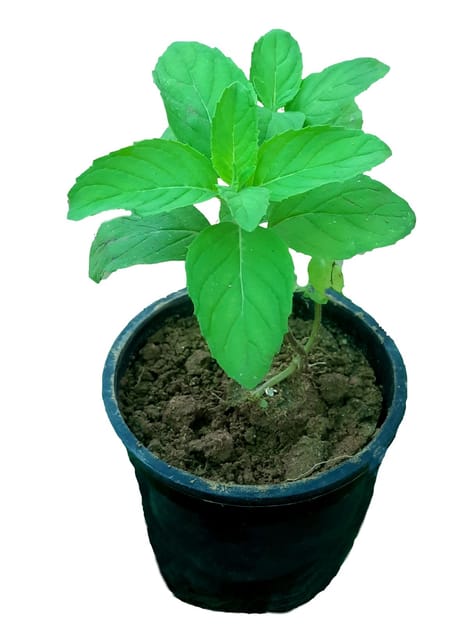
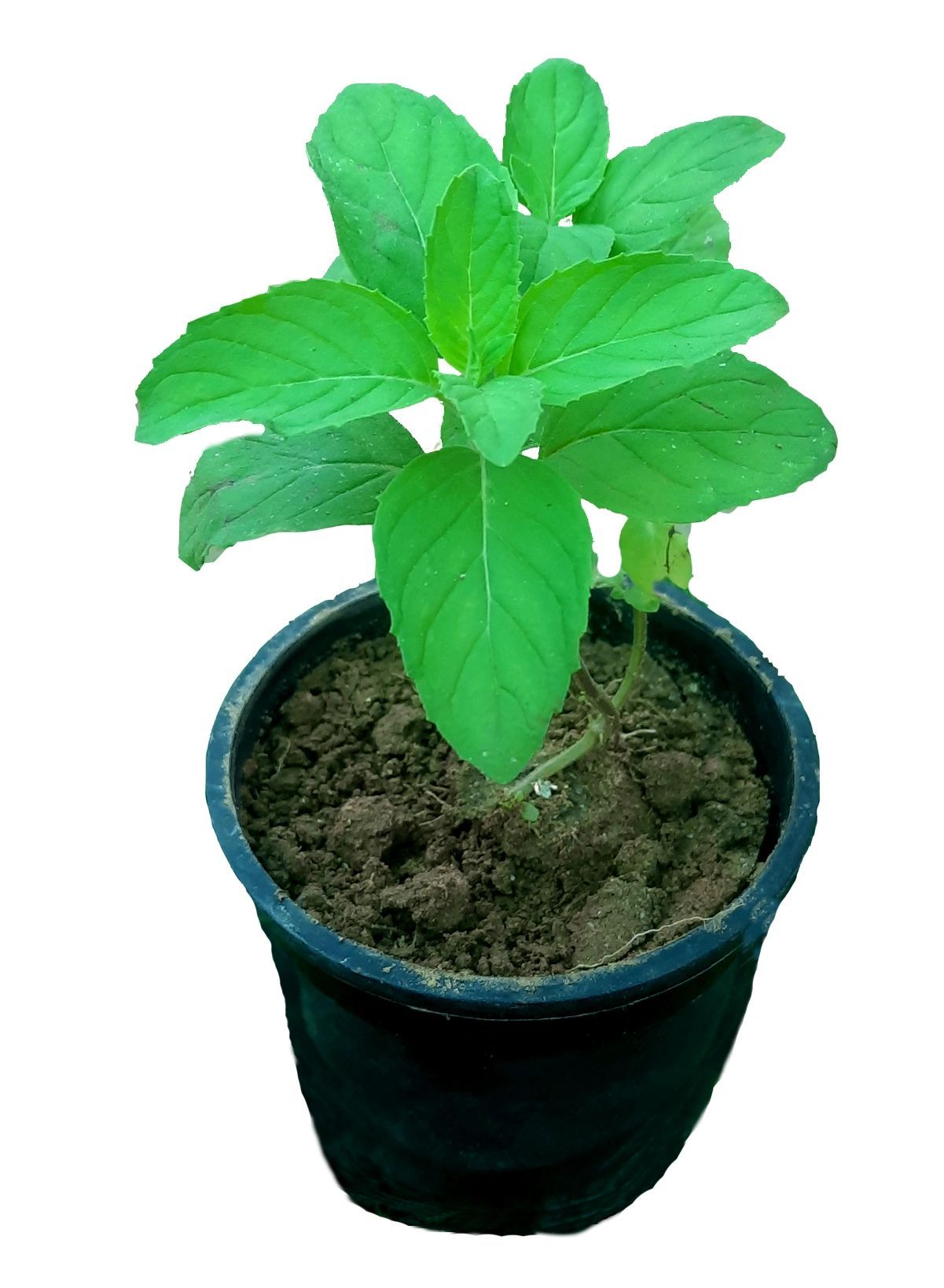
This is a live plant of RAJ GARDEN PLANTS Mint Live Plant, Mint Tulsi Plant , Balm Tulsi Plant Mint (Mentha) is a popular aromatic herb known for its refreshing fragrance and culinary uses. It is a perennial plant that belongs to the Lamiaceae family and is native to Europe and Asia. Mint plants have square stems and opposite leaves that are often serrated or toothed. There are many different species and varieties of mint, including peppermint, spearmint, chocolate mint, and more, each with its unique flavor profile. Mint leaves are commonly used in cooking, teas, desserts, cocktails, and garnishes to add a fresh and minty flavor. The essential oils in mint leaves contain menthol, which gives mint its characteristic cooling sensation and aroma. Mint plants are relatively easy to grow and can thrive in various conditions, but they tend to prefer moist soil and partial to full sunlight. They can be grown both outdoors in gardens or indoors in pots, making them accessible to gardeners with limited space. Mint is known for its rapid growth and spreading nature, so it's often recommended to plant them in containers to prevent them from taking over garden beds. Regular harvesting of mint leaves encourages bushier growth and helps control its spread. Apart from culinary uses, mint is also used in traditional medicine for its potential digestive and soothing properties. The presence of mint plants in gardens can help deter certain pests due to its strong aroma. Bees and other pollinators are attracted to the flowers of mint plants, making them beneficial for supporting local ecosystems. Remember, mint can be quite invasive, so it's important to manage its growth and prevent it from overcrowding other plants in your garden. Growing and Care Tips for Mint Live Plant: 1. Choosing the Right Location: Select a sunny to partially shaded spot for your mint plant. If you're growing mint indoors, ensure it receives at least 4-6 hours of sunlight near a window. 2. Soil Preparation: Use well-draining soil with a slightly acidic to neutral pH (around 6.0 to 7.0). Incorporate organic matter like compost to improve soil structure and fertility. 3. Planting: Plant mint in the ground or a container with good drainage to prevent waterlogged roots. Space plants about 18 to 24 inches apart if planting multiple mint plants. 4. Watering: Mint prefers consistently moist soil but not waterlogged conditions. Water deeply when the top inch of soil feels dry, especially during hot weather. Avoid overhead watering to prevent fungal issues; water at the base of the plant. 5. Fertilizing: Mint doesn't require heavy fertilization. Apply a balanced, slow-release fertilizer once in early spring or top-dress with compost. 6. Pruning and Harvesting: Regularly pinch off the top leaves to encourage bushier growth. Harvest leaves frequently to promote new growth and maintain a compact shape. Cut stems just above a set of leaves to encourage branching. 7. Controlling Spread: Mint can be invasive; consider planting in containers or confined spaces. To prevent spreading, remove runners and trim back overgrown areas. 8. Pests and Diseases: Mint is generally resistant to pests and diseases, but keep an eye out for aphids, spider mites, and fungal issues. If needed, treat pests with neem oil or insecticidal soap. 9. Overwintering: Mint is hardy and can survive mild winters. Mulch around the base of outdoor plants to protect roots from cold temperatures. 10. Propagation: Mint can be propagated from cuttings or by dividing established plants. To propagate, take cuttings with several nodes and place them in water until roots develop, then transplant. 11. Companion Planting: Plant mint near cabbage and tomatoes to deter pests. Avoid planting mint near other herbs as it may outcompete them. 12. Indoor Care: Provide adequate humidity for indoor mint plants, especially in dry environments. Rotate the plant occasionally to ensure even growth toward the light source. 13. Prune Flowers: Pinch off flower buds as they form to divert energy into leaf production and prevent self-seeding. Remember that mint is a vigorous grower, so regular attention and care are necessary to keep it healthy and prevent it from taking over your garden.
RAJ-GRD-PLN-MNTChoose your location
Please provide your delivery pincode to see products available in your area
COD (Cash On Delivery) On request
🎁Gift Coupons: Share your unboxing video & receive an exclusive gift coupon as a thank-you!
Share here
🚫No Claims After Repotting: If a plant is transferred to another pot and gets damaged, no claims will be accepted. Re-potting is at your own risk.
📸Unboxing Video Required: To claim a refund or replacement for any product, you must share an uncut unboxing video upon receiving the item.
⏳Raise Claim Within 24 Hours: To be eligible for any refund/replacement, raise a claim within 24 hours of delivery.(For plants only, for other categories the claim window is 5 days)
| brand | Raj Garden Plants |
This is a live plant of RAJ GARDEN PLANTS Mint Live Plant, Mint Tulsi Plant , Balm Tulsi Plant Mint (Mentha) is a popular aromatic herb known for its refreshing fragrance and culinary uses. It is a perennial plant that belongs to the Lamiaceae family and is native to Europe and Asia. Mint plants have square stems and opposite leaves that are often serrated or toothed. There are many different species and varieties of mint, including peppermint, spearmint, chocolate mint, and more, each with its unique flavor profile. Mint leaves are commonly used in cooking, teas, desserts, cocktails, and garnishes to add a fresh and minty flavor. The essential oils in mint leaves contain menthol, which gives mint its characteristic cooling sensation and aroma. Mint plants are relatively easy to grow and can thrive in various conditions, but they tend to prefer moist soil and partial to full sunlight. They can be grown both outdoors in gardens or indoors in pots, making them accessible to gardeners with limited space. Mint is known for its rapid growth and spreading nature, so it's often recommended to plant them in containers to prevent them from taking over garden beds. Regular harvesting of mint leaves encourages bushier growth and helps control its spread. Apart from culinary uses, mint is also used in traditional medicine for its potential digestive and soothing properties. The presence of mint plants in gardens can help deter certain pests due to its strong aroma. Bees and other pollinators are attracted to the flowers of mint plants, making them beneficial for supporting local ecosystems. Remember, mint can be quite invasive, so it's important to manage its growth and prevent it from overcrowding other plants in your garden. Growing and Care Tips for Mint Live Plant: 1. Choosing the Right Location: Select a sunny to partially shaded spot for your mint plant. If you're growing mint indoors, ensure it receives at least 4-6 hours of sunlight near a window. 2. Soil Preparation: Use well-draining soil with a slightly acidic to neutral pH (around 6.0 to 7.0). Incorporate organic matter like compost to improve soil structure and fertility. 3. Planting: Plant mint in the ground or a container with good drainage to prevent waterlogged roots. Space plants about 18 to 24 inches apart if planting multiple mint plants. 4. Watering: Mint prefers consistently moist soil but not waterlogged conditions. Water deeply when the top inch of soil feels dry, especially during hot weather. Avoid overhead watering to prevent fungal issues; water at the base of the plant. 5. Fertilizing: Mint doesn't require heavy fertilization. Apply a balanced, slow-release fertilizer once in early spring or top-dress with compost. 6. Pruning and Harvesting: Regularly pinch off the top leaves to encourage bushier growth. Harvest leaves frequently to promote new growth and maintain a compact shape. Cut stems just above a set of leaves to encourage branching. 7. Controlling Spread: Mint can be invasive; consider planting in containers or confined spaces. To prevent spreading, remove runners and trim back overgrown areas. 8. Pests and Diseases: Mint is generally resistant to pests and diseases, but keep an eye out for aphids, spider mites, and fungal issues. If needed, treat pests with neem oil or insecticidal soap. 9. Overwintering: Mint is hardy and can survive mild winters. Mulch around the base of outdoor plants to protect roots from cold temperatures. 10. Propagation: Mint can be propagated from cuttings or by dividing established plants. To propagate, take cuttings with several nodes and place them in water until roots develop, then transplant. 11. Companion Planting: Plant mint near cabbage and tomatoes to deter pests. Avoid planting mint near other herbs as it may outcompete them. 12. Indoor Care: Provide adequate humidity for indoor mint plants, especially in dry environments. Rotate the plant occasionally to ensure even growth toward the light source. 13. Prune Flowers: Pinch off flower buds as they form to divert energy into leaf production and prevent self-seeding. Remember that mint is a vigorous grower, so regular attention and care are necessary to keep it healthy and prevent it from taking over your garden.
Products listed on Paudhewale.com are provided by individual sellers. We recommend referring to the product label before use. Paudhewale.com is not liable for any loss arising from misuse of products sold on our platform.
![Gymnocalycium Coryphantha Elephantidens Cactus Plant, Flowering Cactus Plantg [RAJ GARDEN PLANTS]](https://www.paudhewale.com/s/660a356584d1ac2391ae69de/6a0b07d329066cbeeb4b9c5e/gymnocalyciumpercent20baldianum-640x640.jpg "Gymnocalycium Coryphantha Elephantidens Cactus Plant, Flowering Cactus Plantg [RAJ GARDEN PLANTS]")
![Adenium Red (Pinkish ) Flower Live Plant [RAJ GARDEN PLANTS]](https://www.paudhewale.com/s/660a356584d1ac2391ae69de/6a0b07758b1b0bb8c7c7bc9e/54_original-640x640.jpg "Adenium Red (Pinkish ) Flower Live Plant [RAJ GARDEN PLANTS]")
![Mystical Twirling Bamboo: Feng Shui Spiral for Good Luck and Harmony ( 2 Piece) [RAJ GARDEN PLANTS]](https://www.paudhewale.com/s/660a356584d1ac2391ae69de/6a0b070edd3594b5cb7bbb48/project_20231227_1927539-01-640x640.jpg "Mystical Twirling Bamboo: Feng Shui Spiral for Good Luck and Harmony ( 2 Piece) [RAJ GARDEN PLANTS]")
![, Black Pepper Live Plant, Kalimirch, Black Pepper plant [RAJ GARDEN PLANTS]](https://www.paudhewale.com/s/660a356584d1ac2391ae69de/6a0b09d49beb607fbcf73a18/81_original-640x640.jpg ", Black Pepper Live Plant, Kalimirch, Black Pepper plant [RAJ GARDEN PLANTS]")
![Howarthia Zebrina Live Plant, Zebra Howarthia Plant [RAJ GARDEN PLANTS]](https://www.paudhewale.com/s/660a356584d1ac2391ae69de/6a0b09a4dfcd906f30514bea/howarthiapercent20copy-640x640.jpg "Howarthia Zebrina Live Plant, Zebra Howarthia Plant [RAJ GARDEN PLANTS]")
![Adenium Grafted Red Flowers Live Plant [RAJ GARDEN PLANTS]](https://www.paudhewale.com/s/660a356584d1ac2391ae69de/6a0b09900ad03c5dc1f9ad35/blob-ac1b458-640x640.png "Adenium Grafted Red Flowers Live Plant [RAJ GARDEN PLANTS]")
![Dragon Fruit Plant, Hylocereus Undatus, Pitaya Cactus Plant [RAJ GARDEN PLANTS]](https://www.paudhewale.com/s/660a356584d1ac2391ae69de/6a0b097aaffb47165e7b7281/screenshot_20210929-125842_blogger-640x640.jpg "Dragon Fruit Plant, Hylocereus Undatus, Pitaya Cactus Plant [RAJ GARDEN PLANTS]")
![Kaner (Indian oleander) Red Flower Plant, Nerium indicum Live Plant [RAJ GARDEN PLANTS]](https://www.paudhewale.com/s/660a356584d1ac2391ae69de/6a0b0972564f25b03cb87302/kanerpercent20red-640x640.jpg "Kaner (Indian oleander) Red Flower Plant, Nerium indicum Live Plant [RAJ GARDEN PLANTS]")
![Kaner (Indian oleander) Pink Flower Plant, Nerium indicum Live Plant [RAJ GARDEN PLANTS]](https://www.paudhewale.com/s/660a356584d1ac2391ae69de/6a0b096a0beb2152c0e08494/kaner-640x640.jpg "Kaner (Indian oleander) Pink Flower Plant, Nerium indicum Live Plant [RAJ GARDEN PLANTS]")
![String Of Hearts, Ceropegia woodii , Hanging Succulent Plant, Indoor Succulent Plants [RAJ GARDEN PLANTS]](https://www.paudhewale.com/s/660a356584d1ac2391ae69de/6a0b08aa95f33fc37c953490/stringpercent20ofpercent20hearts-640x640.jpg "String Of Hearts, Ceropegia woodii , Hanging Succulent Plant, Indoor Succulent Plants [RAJ GARDEN PLANTS]")
![Goodlook Cordyline Terminalis Plant, Air Purifying Indoor Plant, Green Variegated Leaves,Green Queen Plant, [RAJ GARDEN PLANTS]](https://www.paudhewale.com/s/660a356584d1ac2391ae69de/6a0b08660beb2152c0e07893/cordiinepercent20copy-640x640.jpg "Goodlook Cordyline Terminalis Plant, Air Purifying Indoor Plant, Green Variegated Leaves,Green Queen Plant, [RAJ GARDEN PLANTS]")
![Rose/Flower Food Bio Organic Manure ,Rose manure, manure for rose, gulab ki khad, rose flower manure , Rose fertiliser, Rose Flower Plant growth booster,, Plant Growth booster ,Bio Organic Manure [RAJ GARDEN PLANTS]](https://www.paudhewale.com/s/660a356584d1ac2391ae69de/6a0b0855a02b406c6d93970e/rosepercent20food-640x640.jpg "Rose/Flower Food Bio Organic Manure ,Rose manure, manure for rose, gulab ki khad, rose flower manure , Rose fertiliser, Rose Flower Plant growth booster,, Plant Growth booster ,Bio Organic Manure [RAJ GARDEN PLANTS]")
![Gudmar Live Plant [RAJ GARDEN PLANTS]](https://www.paudhewale.com/s/660a356584d1ac2391ae69de/6a0b083e7f594ee09319157f/gudmar-640x640.jpg "Gudmar Live Plant [RAJ GARDEN PLANTS]")
![Boerhavia Diffusa Seeds , Punarnawa Seeds, Boerhavia diffusa Plant, Punarnava Pink Seeds, Spiderling Seeds, Spreading Hogweed Seeds, Tarvine Seeds [RAJ GARDEN PLANTS]](https://www.paudhewale.com/s/660a356584d1ac2391ae69de/6a0b0822921035dc2b8bc28d/punarnawapercent20seeds-640x640.jpg "Boerhavia Diffusa Seeds , Punarnawa Seeds, Boerhavia diffusa Plant, Punarnava Pink Seeds, Spiderling Seeds, Spreading Hogweed Seeds, Tarvine Seeds [RAJ GARDEN PLANTS]")
![Goodlook Indoor Airpurification Table Top Areca Palm Plant with Apple Shape Designor Plastic Pot [RAJ GARDEN PLANTS]](https://www.paudhewale.com/s/660a356584d1ac2391ae69de/6a0b07fd8195e488a2de262d/tablepercent20areca-640x640.jpg "Goodlook Indoor Airpurification Table Top Areca Palm Plant with Apple Shape Designor Plastic Pot [RAJ GARDEN PLANTS]")
![Dragon Fruit Plants( 5 Plants) - Bulk Order [RAJ GARDEN PLANTS]](https://www.paudhewale.com/s/660a356584d1ac2391ae69de/6a0b07aa921035dc2b8bbe71/dragonpercent20fruitpercent20plant-640x640.jpg "Dragon Fruit Plants( 5 Plants) - Bulk Order [RAJ GARDEN PLANTS]")
![Celebrate New Beginnings: Cheerful Spring Tulip Bulbs for Fresh Optimism ( 3 bulbs ) [RAJ GARDEN PLANTS]](https://www.paudhewale.com/s/660a356584d1ac2391ae69de/6a0b0709257b56094e7d39cc/whatsapppercent20imagepercent202023-12-27percent20atpercent2018-59-59_1c9b05b6-640x640.jpg "Celebrate New Beginnings: Cheerful Spring Tulip Bulbs for Fresh Optimism ( 3 bulbs ) [RAJ GARDEN PLANTS]")
![The Dancing Queen: Variegated Spider Plant with Twisting, Twirling Leaves [RAJ GARDEN PLANTS]](https://www.paudhewale.com/s/660a356584d1ac2391ae69de/6a0b0705921035dc2b8bbb01/blob-e2e361d-640x640.png "The Dancing Queen: Variegated Spider Plant with Twisting, Twirling Leaves [RAJ GARDEN PLANTS]")
![Naagdon Plant, Euphorbia Tithymaloides, Nagdamni, , Nagdoun Plant [RAJ GARDEN PLANTS]](https://www.paudhewale.com/s/660a356584d1ac2391ae69de/6a0b06ef8195e488a2de1f1d/blob-c8d961f-640x640.png "Naagdon Plant, Euphorbia Tithymaloides, Nagdamni, , Nagdoun Plant [RAJ GARDEN PLANTS]")
![Adenium Grafted (5 Plants ) Mixed Colour [RAJ GARDEN PLANTS]](https://www.paudhewale.com/s/660a356584d1ac2391ae69de/6a0b06e7116fe1a534ae2dae/blob-dc0f589-640x640.png "Adenium Grafted (5 Plants ) Mixed Colour [RAJ GARDEN PLANTS]")
![[Plants Glory] Ginger Lily Flower Plant White](https://www.paudhewale.com/s/660a356584d1ac2391ae69de/6a0ae4ccdf870ab12c341cf6/19847__1766832138256_i9optobj1zvb2rx-640x640.jpg "[Plants Glory] Ginger Lily Flower Plant White")
![[Plants Glory] Rosasinensis Hibiscus Flower Plant Yellow](https://www.paudhewale.com/s/660a356584d1ac2391ae69de/6a0adb9529ab20ee483b51ea/23930__1766832154816_prolnba1z2qs3tf-640x640.jpg "[Plants Glory] Rosasinensis Hibiscus Flower Plant Yellow")