
![Bhoomi Amla, Phyllanthus niruri Live Plant, Bhui Amla, Tamalaki, Phyllanthus Niruri Living Plant [RAJ GARDEN PLANTS]](https://www.paudhewale.com/s/660a356584d1ac2391ae69de/6a0b09070beb2152c0e07f67/34_original-640x640.jpg "Bhoomi Amla, Phyllanthus niruri Live Plant, Bhui Amla, Tamalaki, Phyllanthus Niruri Living Plant [RAJ GARDEN PLANTS]")
![Lemon Fruit Plant, Grafted Rasaali Live Plant, Nimbu [RAJ GARDEN PLANTS]](https://www.paudhewale.com/s/660a356584d1ac2391ae69de/6a0b0904dfcd906f3051461e/37_original-640x640.jpg "Lemon Fruit Plant, Grafted Rasaali Live Plant, Nimbu [RAJ GARDEN PLANTS]")
![Devil's Back Bone, Kalanchoe Delagoensis,Mother of Millions Succulent Plant [RAJ GARDEN PLANTS]](https://www.paudhewale.com/s/660a356584d1ac2391ae69de/6a0b080e9beb607fbcf727f8/briophyllium-640x640.jpg "Devil's Back Bone, Kalanchoe Delagoensis,Mother of Millions Succulent Plant [RAJ GARDEN PLANTS]")
![Decorative Fancy Pots for Plants (Set of 10 Pots) [RAJ GARDEN PLANTS]](https://www.paudhewale.com/s/660a356584d1ac2391ae69de/6a0b07a7affb47165e7b5e76/pot-640x640.jpg "Decorative Fancy Pots for Plants (Set of 10 Pots) [RAJ GARDEN PLANTS]")
₹751
![Ratrani Creeper Plant, रातरानी, Night Blooming Jasmine, Cestrum Nocturnum Live Plant [RAJ GARDEN PLANTS]](https://www.paudhewale.com/s/660a356584d1ac2391ae69de/6a0b07a0564f25b03cb85fdc/51zbjfv7hol-_sl1500_-640x640.jpg "Ratrani Creeper Plant, रातरानी, Night Blooming Jasmine, Cestrum Nocturnum Live Plant [RAJ GARDEN PLANTS]")
₹803₹258
![Adenium Grafted White Flower Live Plant [RAJ GARDEN PLANTS]](https://www.paudhewale.com/s/660a356584d1ac2391ae69de/6a0b077e9beb607fbcf722d1/53_original-640x640.jpg "Adenium Grafted White Flower Live Plant [RAJ GARDEN PLANTS]")
₹1,001₹260
![Lucky Bamboo Plants , Goodluck Fengsui Plant [RAJ GARDEN PLANTS]](https://www.paudhewale.com/s/660a356584d1ac2391ae69de/6a0b064bf8d827b7eb1360bc/luckypercent20bamboo.jpg)
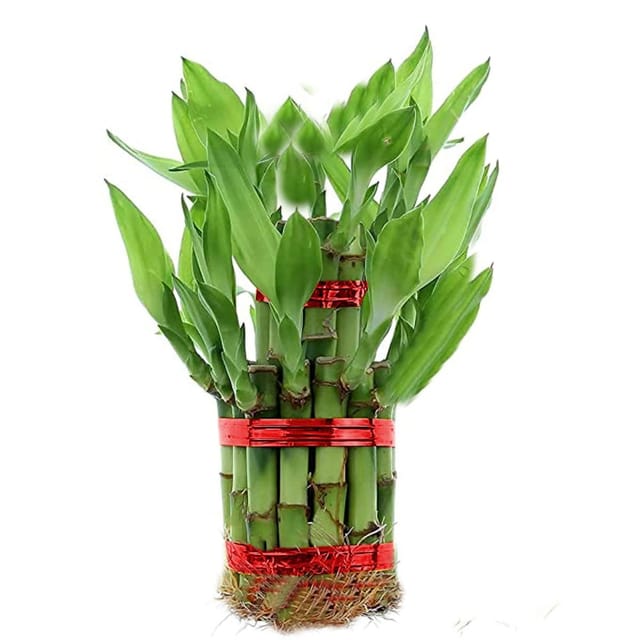
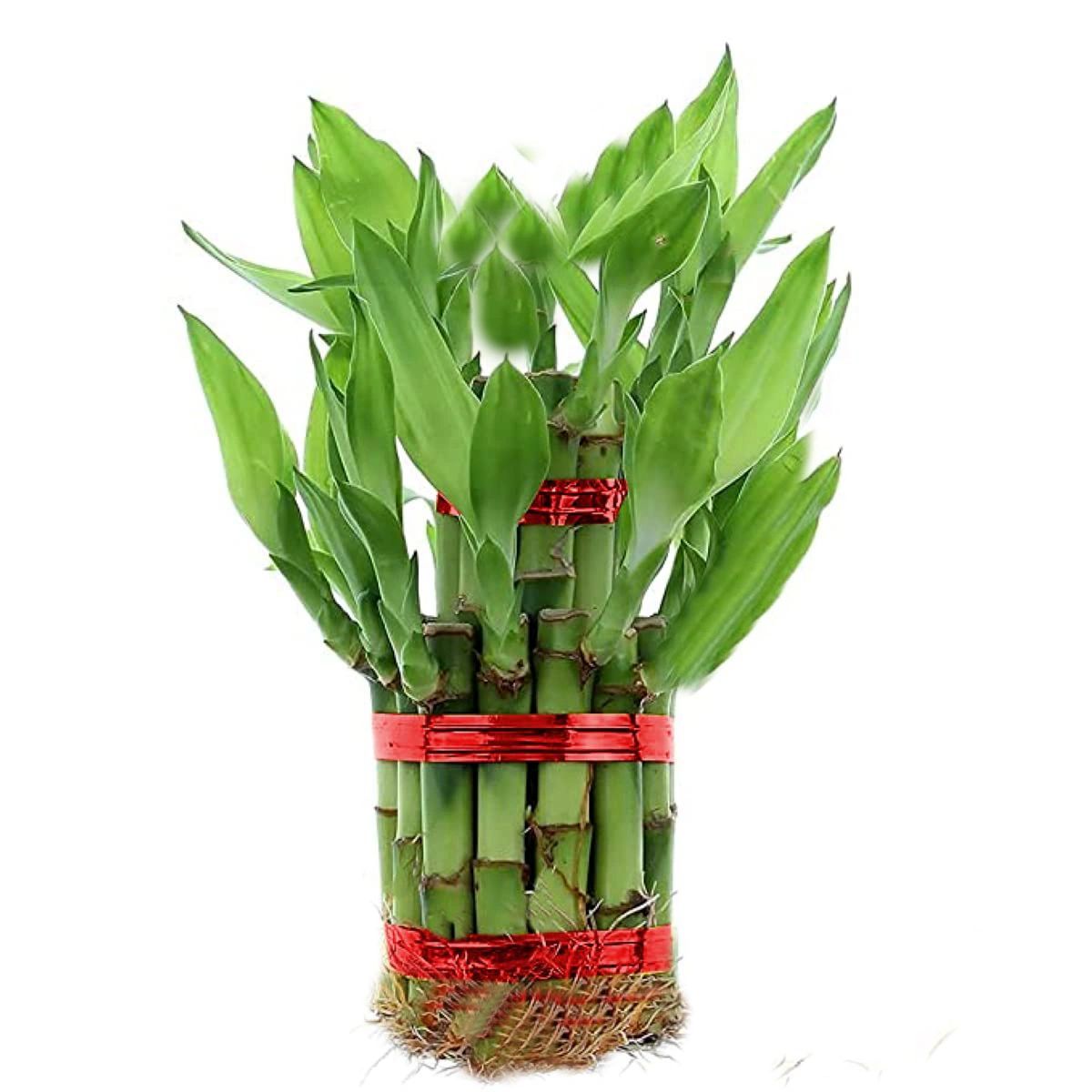
This is a live plant of RAJ GARDEN PLANTS Lucky Bamboo Plants , Goodluck Fengsui Plant Lucky Bamboo (Dracaena sanderiana) is a popular indoor plant known for its symbolism of good luck, prosperity, and positive energy. Here are some bullet points about the lucky bamboo plant: Lucky Bamboo is not a true bamboo; it belongs to the Dracaena family and is native to West Africa and parts of Asia. It features slender, upright stems that resemble bamboo culms, with leaves clustered at the top of the stems. Lucky Bamboo is often grown in water-filled containers with decorative rocks or pebbles, but it can also be planted in soil. The plant is associated with various numbers, each believed to bring different types of luck: three stalks for happiness, five for wealth, and six for health. It's a popular choice for gifts and decorations, especially during festivals, weddings, and other celebrations. Lucky Bamboo is often used in feng shui practices to attract positive energy and balance the flow of chi (life force energy) in a space. While traditionally kept indoors, lucky bamboo can thrive outdoors in certain climates with appropriate care. It's considered a low-maintenance plant, making it suitable for beginners and those without a green thumb. Lucky Bamboo prefers bright, indirect light but can tolerate low light conditions. Avoid direct sunlight to prevent leaf burn. When grown in water, change the water every 1-2 weeks and use filtered or distilled water to prevent mineral buildup. If growing in soil, use a well-draining potting mix and water when the top inch of soil feels dry. Fertilize sparingly, usually once a month during the growing season, with a diluted liquid fertilizer. The plant's growth pattern is influenced by light, so rotate it occasionally to ensure even growth on all sides. Lucky Bamboo can be easily propagated by cutting the stems and placing them in water or soil. Keep an eye out for signs of overgrowth, such as crowded stems or yellowing leaves, and prune accordingly. While lucky bamboo is generally considered safe, it's toxic if ingested, so keep it out of reach of pets and children. By following proper care and placement, lucky bamboo can not only enhance the aesthetics of your space but also bring positive vibes and good fortune into your environment. Growing and Care Tips for Lucky Bamboo (Dracaena sanderiana): 1. Light Requirements: Place your lucky bamboo in bright, indirect light. Avoid direct sunlight, as it can scorch the leaves. If you notice the leaves turning yellow or pale, it might indicate too much light or inadequate water. 2. Watering: If growing lucky bamboo in water, ensure that the roots are always submerged in water. Change the water every 1-2 weeks to prevent stagnation and the growth of algae. Use distilled or filtered water to avoid mineral buildup. If using tap water, let it sit out overnight to allow chlorine to dissipate. If growing in soil, keep the soil consistently moist but not waterlogged. Water when the top inch of the soil feels dry to the touch. 3. Container and Growing Medium: For water culture, use a vase or container with enough room for the stems and some decorative stones or pebbles to help support the plant. When planting in soil, use a well-draining potting mix, preferably one designed for indoor plants. 4. Humidity: Lucky bamboo appreciates higher humidity levels. Mist the leaves regularly or place the container on a humidity tray filled with water and pebbles. 5. Fertilization: Feed your lucky bamboo with a diluted, balanced liquid fertilizer every 4-6 weeks during the growing season (spring to early fall). Avoid over-fertilization, as it can lead to excess salt buildup in the water or soil. 6. Temperature: Maintain temperatures between 65-90°F (18-32°C). Avoid exposing the plant to cold drafts or temperatures below 50°F (10°C). 7. Container Selection: Choose a container that provides stability and support for the bamboo stems. A clear glass vase is often used for water culture, allowing you to see the roots. 8. Pruning: Trim yellow or damaged leaves close to the stem. Remove any algae that may develop in the water. If the lucky bamboo becomes too tall or crowded, you can trim the stems to the desired height and propagate the cuttings. 9. Propagation: Lucky bamboo can be propagated by taking stem cuttings. Cut a healthy stem below a node and place it in water or soil to root. 10. Rotating the Plant: Rotate the plant occasionally to ensure even growth on all sides. This prevents the plant from leaning towards the light source. 11. Pet and Child Safety: Lucky bamboo is generally considered non-toxic to pets and humans. However, it's best to discourage chewing or ingestion. 12. Monitoring Growth: Keep an eye on the plant's growth and adjust the water level or pot size as needed to accommodate the developing roots. 13. Air Circulation: Ensure adequate air circulation to prevent mold or fungal growth, especially if growing lucky bamboo in water. By following these care tips, you can enjoy the beauty and symbolism of lucky bamboo while ensuring its health and vitality in your indoor space. L ucky Bamboo - Two layers of Lucky Bamboo sticks It is said that It brings three kinds of luck to you: Happiness (Fu), Long Life (Soh) and Wealth (Lu) This bamboo plant indoor comes with Cocopeat in bare rooted condition Gift Plant - Lucky Bamboo Plant is one of the best gifting plant. Lucky Bamboo (Dracaena sanderiana) is not a true bamboo but rather a type of Dracaena plant that is often associated with good luck and positive energy in Chinese culture. It is native to Africa, but it has become popular worldwide as a decorative indoor plant. The plant is characterized by its slender, cane-like stems and glossy green leaves. Lucky Bamboo is considered low-maintenance and easy to care for, making it a popular choice for both experienced and novice plant enthusiasts. It can thrive in low light conditions, making it ideal for indoor settings with limited natural light. Lucky Bamboo is often grown in water-filled vases or containers, but it can also be grown in well-draining soil. Watering should be done with non-chlorinated water, and the water level should be kept above the roots but not submerging the entire stem. The plant can be grown in various shapes, such as spirals, braids, or straight canes, adding to its appeal as a decorative item. In Chinese culture, the number of stalks of Lucky Bamboo can have different symbolic meanings; for example, three stalks represent happiness, wealth, and longevity. Keeping Lucky Bamboo in the home or workplace is believed to bring good fortune, prosperity, and positive energy according to Feng Shui principles. It is essential to keep the plant away from direct sunlight and extreme temperature fluctuations to avoid stress or damage to the leaves. Regularly inspect the plant for any signs of pests or diseases and take appropriate measures if necessary. Lucky Bamboo can also make a thoughtful and auspicious gift for various occasions, such as housewarmings, weddings, and business openings.
RAJ-GRD-PLN-LUChoose your location
Please provide your delivery pincode to see products available in your area
COD (Cash On Delivery) On request
🎁Gift Coupons: Share your unboxing video & receive an exclusive gift coupon as a thank-you!
Share here
🚫No Claims After Repotting: If a plant is transferred to another pot and gets damaged, no claims will be accepted. Re-potting is at your own risk.
📸Unboxing Video Required: To claim a refund or replacement for any product, you must share an uncut unboxing video upon receiving the item.
⏳Raise Claim Within 24 Hours: To be eligible for any refund/replacement, raise a claim within 24 hours of delivery.(For plants only, for other categories the claim window is 5 days)
| brand | Raj Garden Plants |
This is a live plant of RAJ GARDEN PLANTS Lucky Bamboo Plants , Goodluck Fengsui Plant Lucky Bamboo (Dracaena sanderiana) is a popular indoor plant known for its symbolism of good luck, prosperity, and positive energy. Here are some bullet points about the lucky bamboo plant: Lucky Bamboo is not a true bamboo; it belongs to the Dracaena family and is native to West Africa and parts of Asia. It features slender, upright stems that resemble bamboo culms, with leaves clustered at the top of the stems. Lucky Bamboo is often grown in water-filled containers with decorative rocks or pebbles, but it can also be planted in soil. The plant is associated with various numbers, each believed to bring different types of luck: three stalks for happiness, five for wealth, and six for health. It's a popular choice for gifts and decorations, especially during festivals, weddings, and other celebrations. Lucky Bamboo is often used in feng shui practices to attract positive energy and balance the flow of chi (life force energy) in a space. While traditionally kept indoors, lucky bamboo can thrive outdoors in certain climates with appropriate care. It's considered a low-maintenance plant, making it suitable for beginners and those without a green thumb. Lucky Bamboo prefers bright, indirect light but can tolerate low light conditions. Avoid direct sunlight to prevent leaf burn. When grown in water, change the water every 1-2 weeks and use filtered or distilled water to prevent mineral buildup. If growing in soil, use a well-draining potting mix and water when the top inch of soil feels dry. Fertilize sparingly, usually once a month during the growing season, with a diluted liquid fertilizer. The plant's growth pattern is influenced by light, so rotate it occasionally to ensure even growth on all sides. Lucky Bamboo can be easily propagated by cutting the stems and placing them in water or soil. Keep an eye out for signs of overgrowth, such as crowded stems or yellowing leaves, and prune accordingly. While lucky bamboo is generally considered safe, it's toxic if ingested, so keep it out of reach of pets and children. By following proper care and placement, lucky bamboo can not only enhance the aesthetics of your space but also bring positive vibes and good fortune into your environment. Growing and Care Tips for Lucky Bamboo (Dracaena sanderiana): 1. Light Requirements: Place your lucky bamboo in bright, indirect light. Avoid direct sunlight, as it can scorch the leaves. If you notice the leaves turning yellow or pale, it might indicate too much light or inadequate water. 2. Watering: If growing lucky bamboo in water, ensure that the roots are always submerged in water. Change the water every 1-2 weeks to prevent stagnation and the growth of algae. Use distilled or filtered water to avoid mineral buildup. If using tap water, let it sit out overnight to allow chlorine to dissipate. If growing in soil, keep the soil consistently moist but not waterlogged. Water when the top inch of the soil feels dry to the touch. 3. Container and Growing Medium: For water culture, use a vase or container with enough room for the stems and some decorative stones or pebbles to help support the plant. When planting in soil, use a well-draining potting mix, preferably one designed for indoor plants. 4. Humidity: Lucky bamboo appreciates higher humidity levels. Mist the leaves regularly or place the container on a humidity tray filled with water and pebbles. 5. Fertilization: Feed your lucky bamboo with a diluted, balanced liquid fertilizer every 4-6 weeks during the growing season (spring to early fall). Avoid over-fertilization, as it can lead to excess salt buildup in the water or soil. 6. Temperature: Maintain temperatures between 65-90°F (18-32°C). Avoid exposing the plant to cold drafts or temperatures below 50°F (10°C). 7. Container Selection: Choose a container that provides stability and support for the bamboo stems. A clear glass vase is often used for water culture, allowing you to see the roots. 8. Pruning: Trim yellow or damaged leaves close to the stem. Remove any algae that may develop in the water. If the lucky bamboo becomes too tall or crowded, you can trim the stems to the desired height and propagate the cuttings. 9. Propagation: Lucky bamboo can be propagated by taking stem cuttings. Cut a healthy stem below a node and place it in water or soil to root. 10. Rotating the Plant: Rotate the plant occasionally to ensure even growth on all sides. This prevents the plant from leaning towards the light source. 11. Pet and Child Safety: Lucky bamboo is generally considered non-toxic to pets and humans. However, it's best to discourage chewing or ingestion. 12. Monitoring Growth: Keep an eye on the plant's growth and adjust the water level or pot size as needed to accommodate the developing roots. 13. Air Circulation: Ensure adequate air circulation to prevent mold or fungal growth, especially if growing lucky bamboo in water. By following these care tips, you can enjoy the beauty and symbolism of lucky bamboo while ensuring its health and vitality in your indoor space. L ucky Bamboo - Two layers of Lucky Bamboo sticks It is said that It brings three kinds of luck to you: Happiness (Fu), Long Life (Soh) and Wealth (Lu) This bamboo plant indoor comes with Cocopeat in bare rooted condition Gift Plant - Lucky Bamboo Plant is one of the best gifting plant. Lucky Bamboo (Dracaena sanderiana) is not a true bamboo but rather a type of Dracaena plant that is often associated with good luck and positive energy in Chinese culture. It is native to Africa, but it has become popular worldwide as a decorative indoor plant. The plant is characterized by its slender, cane-like stems and glossy green leaves. Lucky Bamboo is considered low-maintenance and easy to care for, making it a popular choice for both experienced and novice plant enthusiasts. It can thrive in low light conditions, making it ideal for indoor settings with limited natural light. Lucky Bamboo is often grown in water-filled vases or containers, but it can also be grown in well-draining soil. Watering should be done with non-chlorinated water, and the water level should be kept above the roots but not submerging the entire stem. The plant can be grown in various shapes, such as spirals, braids, or straight canes, adding to its appeal as a decorative item. In Chinese culture, the number of stalks of Lucky Bamboo can have different symbolic meanings; for example, three stalks represent happiness, wealth, and longevity. Keeping Lucky Bamboo in the home or workplace is believed to bring good fortune, prosperity, and positive energy according to Feng Shui principles. It is essential to keep the plant away from direct sunlight and extreme temperature fluctuations to avoid stress or damage to the leaves. Regularly inspect the plant for any signs of pests or diseases and take appropriate measures if necessary. Lucky Bamboo can also make a thoughtful and auspicious gift for various occasions, such as housewarmings, weddings, and business openings.
Products listed on Paudhewale.com are provided by individual sellers. We recommend referring to the product label before use. Paudhewale.com is not liable for any loss arising from misuse of products sold on our platform.
![Adenium Grafted Designor Romeo Special Flower Live Plant [RAJ GARDEN PLANTS]](https://www.paudhewale.com/s/660a356584d1ac2391ae69de/6a0b0a1a564f25b03cb87bb8/59_original-640x640.jpg "Adenium Grafted Designor Romeo Special Flower Live Plant [RAJ GARDEN PLANTS]")
![Adenium Grafted Designor Type Spl one Flower Live Plant [RAJ GARDEN PLANTS]](https://www.paudhewale.com/s/660a356584d1ac2391ae69de/6a0b0a170ad03c5dc1f9b4c4/60_original-640x640.jpg "Adenium Grafted Designor Type Spl one Flower Live Plant [RAJ GARDEN PLANTS]")
![Dalchini (दालचीनी) Live Plant, Cinnamomum Cassia Plant, Daalchini [RAJ GARDEN PLANTS]](https://www.paudhewale.com/s/660a356584d1ac2391ae69de/6a0b095e921035dc2b8bd00b/4_original-640x640.jpg "Dalchini (दालचीनी) Live Plant, Cinnamomum Cassia Plant, Daalchini [RAJ GARDEN PLANTS]")
![Rubber Plant, Rubber Live Plant, Ficus Elastica, Baby Rubber Plant [RAJ GARDEN PLANTS]](https://www.paudhewale.com/s/660a356584d1ac2391ae69de/6a0b085a7f594ee093191698/rubberpercent20tree-640x640.jpg "Rubber Plant, Rubber Live Plant, Ficus Elastica, Baby Rubber Plant [RAJ GARDEN PLANTS]")
![Neem Leaf Manure for Plants [RAJ GARDEN PLANTS]](https://www.paudhewale.com/s/660a356584d1ac2391ae69de/6a0b084ddfcd906f30513f0f/8177-d0wrhl-_sl1500_percent20-1--640x640.jpg "Neem Leaf Manure for Plants [RAJ GARDEN PLANTS]")
![Ficus Safari Live Plant, Air Purifier Indoor Live Plant, Variegated Ficus Plants [RAJ GARDEN PLANTS]](https://www.paudhewale.com/s/660a356584d1ac2391ae69de/6a0b081829066cbeeb4b9efc/ficuspercent20safari-0001-640x640.jpg "Ficus Safari Live Plant, Air Purifier Indoor Live Plant, Variegated Ficus Plants [RAJ GARDEN PLANTS]")
![Adenium Grafted Designor Pink Double Petal Flower Live Plant [RAJ GARDEN PLANTS]](https://www.paudhewale.com/s/660a356584d1ac2391ae69de/6a0b07728901ef186c521635/55_original-640x640.jpg "Adenium Grafted Designor Pink Double Petal Flower Live Plant [RAJ GARDEN PLANTS]")
![[Plants Glory] American Hibiscus Flower Plant Orange](https://www.paudhewale.com/s/660a356584d1ac2391ae69de/6a0ae581f651781bc0a92fbc/22393__1766832154531_33n1yxncolwxgdm-640x640.jpg "[Plants Glory] American Hibiscus Flower Plant Orange")
![[Plants Glory] Bhringraj Herbal & Mediclinal Plant](https://www.paudhewale.com/s/660a356584d1ac2391ae69de/6a0ae119557c79ea33ba5573/17695__1766832130809_oiuy7tsu0kjxvtb-640x640.jpg "[Plants Glory] Bhringraj Herbal & Mediclinal Plant")
![[Plants Glory] Exotic Black Colour Grafted Hibiscus Flower Plant](https://www.paudhewale.com/s/660a356584d1ac2391ae69de/6a0adffc94893ac90bfed9dc/exotic_black_colour_grafted_hibiscus_flower_plant_l9h9xwyhnn_2026-01-27_2-640x640.jpg "[Plants Glory] Exotic Black Colour Grafted Hibiscus Flower Plant")
![[Plants Glory] Miniature Hibiscus Flower Plant Red](https://www.paudhewale.com/s/660a356584d1ac2391ae69de/6a0adcc694893ac90bfec51e/20018__1766832138812_a7roqgi55mbhlr7-640x640.jpg "[Plants Glory] Miniature Hibiscus Flower Plant Red")
![[Plants Glory] Sleeping Hibiscus Malvaviscus Flower Plant Red](https://www.paudhewale.com/s/660a356584d1ac2391ae69de/6a0adb54ace6665ca11c7ae7/20183__1766832140867_7g38mamtz0bb2vj-640x640.jpg "[Plants Glory] Sleeping Hibiscus Malvaviscus Flower Plant Red")
![[Plants Glory] Lantern Hibiscus Flower Plant Pink (PG-100734)](https://www.paudhewale.com/s/660a356584d1ac2391ae69de/6a0adb43557c79ea33ba3268/20497__1766832143431_pf4cylyzrdy062n-640x640.webp "[Plants Glory] Lantern Hibiscus Flower Plant Pink (PG-100734)")
![[Plants Glory] Dark Red American Hibiscus Flower Plant](https://www.paudhewale.com/s/660a356584d1ac2391ae69de/6a0adae2f651781bc0a8ea3a/20216__1766832141174_yty52y3akupxgoj-640x640.jpg "[Plants Glory] Dark Red American Hibiscus Flower Plant")