
![Henna Plant, Hena Plant Mehndi Live Plants, Lawsonia inermis [RAJ GARDEN PLANTS]](https://www.paudhewale.com/s/660a356584d1ac2391ae69de/6a0b07b1affb47165e7b5ed8/henapercent20plant-640x640.jpg "Henna Plant, Hena Plant Mehndi Live Plants, Lawsonia inermis [RAJ GARDEN PLANTS]")
₹506₹258
![Pebbles For Aquarium 5kg Pack ,!6-18 mm size, Coloured Stones, Pebbles For Pots and Garden Decoration [RAJ GARDEN PLANTS]](https://www.paudhewale.com/s/660a356584d1ac2391ae69de/6a0b07918195e488a2de228b/chatgptpercent20imagepercent20janpercent208percent2cpercent202026percent2cpercent2008_37_33percent20am-640x640.jpg "Pebbles For Aquarium 5kg Pack ,!6-18 mm size, Coloured Stones, Pebbles For Pots and Garden Decoration [RAJ GARDEN PLANTS]")
₹803₹258
![Adenium Grafted White Flower Live Plant [RAJ GARDEN PLANTS]](https://www.paudhewale.com/s/660a356584d1ac2391ae69de/6a0b077e9beb607fbcf722d1/53_original-640x640.jpg "Adenium Grafted White Flower Live Plant [RAJ GARDEN PLANTS]")
₹1,001₹260
![Kumat Live Plant, Acacia senegal कुमट, कुमटिया, Kumat [RAJ GARDEN PLANTS]](https://www.paudhewale.com/s/660a356584d1ac2391ae69de/6a0b08758195e488a2de2b36/kumathia.jpg)
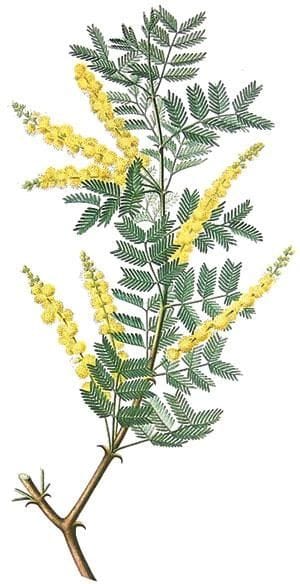
This is a live plant of ROOKHRAJ PAUDHSHALA Kumat Live Plant, Acacia senegal कुमट, कुमटिया, Kumat, Acacia senegal, commonly known as Gum Arabic tree or Senegal Gum Acacia, is a thorny and drought-resistant tree species. Native to regions of Africa, especially Sudan, Senegal, and other Sahelian countries, it also grows in parts of India and Pakistan. The tree belongs to the Fabaceae family and is known for producing Gum Arabic, a natural resin exudate from its stem. Gum Arabic is widely used in the food industry as a stabilizer, thickener, and emulsifier, and it has various other industrial applications. Acacia senegal has a distinctive appearance with feathery compound leaves and small, fragrant, creamy-white flowers arranged in spikes. The tree is an important component of agroforestry systems, as it improves soil fertility, provides shade, and supports other crops. In traditional medicine, different parts of the Acacia senegal plant are used for treating ailments like coughs, colds, and gastrointestinal issues. The wood of the tree is used for fuel and traditional woodworking, while its bark has medicinal properties and is utilized in herbal remedies. Acacia senegal plays a role in environmental conservation by preventing soil erosion and supporting biodiversity. The gum harvested from the tree contributes to livelihoods and local economies in various regions where it is cultivated. The tree's deep-rooted system helps in water retention and soil stabilization, making it valuable for combating desertification. Cultivation of Acacia senegal can contribute to sustainable land management, reforestation, and economic development. The tree has cultural and traditional significance in different communities and is used in rituals, ceremonies, and crafts. Proper care, including protection from grazing animals and sustainable harvesting of Gum Arabic, is important for the continued health and growth of Acacia senegal plants. Growing and Care Tips for Acacia senegal (Gum Arabic) Plant: Climate and Location: Acacia senegal thrives in arid and semi-arid climates, with well-defined dry and rainy seasons. Choose a sunny location with well-draining soil for optimal growth. Soil Preparation: Ensure the soil is well-draining and not overly fertile. Sandy or sandy-loam soil is preferable for Acacia senegal. Planting: Plant Acacia senegal seeds during the rainy season, allowing them to germinate naturally. Alternatively, you can soak the seeds before planting to encourage germination. Watering: Water young plants regularly during their establishment period. Once established, Acacia senegal is drought-tolerant and requires minimal watering. Mulching: Apply organic mulch around the base of the plant to retain soil moisture and suppress weed growth. Avoid piling mulch against the trunk to prevent rot. Pruning: Prune the tree to remove dead or diseased branches and encourage a well-shaped canopy. Be cautious of thorns while pruning. Fertilization: Acacia senegal usually grows well in nutrient-poor soils and doesn't require heavy fertilization. You can apply a balanced fertilizer sparingly if the plant shows signs of nutrient deficiency. Protection from Grazing Animals: Fence or protect young Acacia senegal plants from grazing animals that may damage or consume them. Support and Staking: Young plants may benefit from staking to ensure straight and stable growth until they establish strong roots. Harvesting Gum Arabic: If you intend to harvest Gum Arabic, do so sustainably to avoid harming the plant. Avoid over-tapping the trees to ensure their health and longevity. Pest and Disease Management: Monitor for pests like aphids, caterpillars, or scale insects. Address pest issues promptly using appropriate methods to prevent damage. Cultural and Traditional Practices: Respect the cultural and traditional significance of Acacia senegal in various communities. Learn about its role in rituals, ceremonies, and local practices. By following these growing and care tips, you can successfully cultivate Acacia senegal plants and contribute to their ecological, economic, and cultural value.
XN-RKH-PDH-KMTChoose your location
Please provide your delivery pincode to see products available in your area
COD (Cash On Delivery) On request
🎁Gift Coupons: Share your unboxing video & receive an exclusive gift coupon as a thank-you!
Share here
🚫No Claims After Repotting: If a plant is transferred to another pot and gets damaged, no claims will be accepted. Re-potting is at your own risk.
📸Unboxing Video Required: To claim a refund or replacement for any product, you must share an uncut unboxing video upon receiving the item.
⏳Raise Claim Within 24 Hours: To be eligible for any refund/replacement, raise a claim within 24 hours of delivery.(For plants only, for other categories the claim window is 5 days)
| brand | Raj Garden Plants |
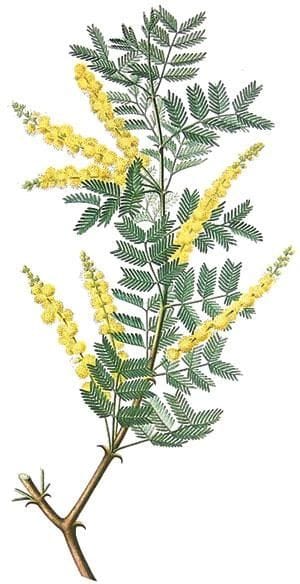
This is a live plant of ROOKHRAJ PAUDHSHALA Kumat Live Plant, Acacia senegal कुमट, कुमटिया, Kumat, Acacia senegal, commonly known as Gum Arabic tree or Senegal Gum Acacia, is a thorny and drought-resistant tree species. Native to regions of Africa, especially Sudan, Senegal, and other Sahelian countries, it also grows in parts of India and Pakistan. The tree belongs to the Fabaceae family and is known for producing Gum Arabic, a natural resin exudate from its stem. Gum Arabic is widely used in the food industry as a stabilizer, thickener, and emulsifier, and it has various other industrial applications. Acacia senegal has a distinctive appearance with feathery compound leaves and small, fragrant, creamy-white flowers arranged in spikes. The tree is an important component of agroforestry systems, as it improves soil fertility, provides shade, and supports other crops. In traditional medicine, different parts of the Acacia senegal plant are used for treating ailments like coughs, colds, and gastrointestinal issues. The wood of the tree is used for fuel and traditional woodworking, while its bark has medicinal properties and is utilized in herbal remedies. Acacia senegal plays a role in environmental conservation by preventing soil erosion and supporting biodiversity. The gum harvested from the tree contributes to livelihoods and local economies in various regions where it is cultivated. The tree's deep-rooted system helps in water retention and soil stabilization, making it valuable for combating desertification. Cultivation of Acacia senegal can contribute to sustainable land management, reforestation, and economic development. The tree has cultural and traditional significance in different communities and is used in rituals, ceremonies, and crafts. Proper care, including protection from grazing animals and sustainable harvesting of Gum Arabic, is important for the continued health and growth of Acacia senegal plants. Growing and Care Tips for Acacia senegal (Gum Arabic) Plant: Climate and Location: Acacia senegal thrives in arid and semi-arid climates, with well-defined dry and rainy seasons. Choose a sunny location with well-draining soil for optimal growth. Soil Preparation: Ensure the soil is well-draining and not overly fertile. Sandy or sandy-loam soil is preferable for Acacia senegal. Planting: Plant Acacia senegal seeds during the rainy season, allowing them to germinate naturally. Alternatively, you can soak the seeds before planting to encourage germination. Watering: Water young plants regularly during their establishment period. Once established, Acacia senegal is drought-tolerant and requires minimal watering. Mulching: Apply organic mulch around the base of the plant to retain soil moisture and suppress weed growth. Avoid piling mulch against the trunk to prevent rot. Pruning: Prune the tree to remove dead or diseased branches and encourage a well-shaped canopy. Be cautious of thorns while pruning. Fertilization: Acacia senegal usually grows well in nutrient-poor soils and doesn't require heavy fertilization. You can apply a balanced fertilizer sparingly if the plant shows signs of nutrient deficiency. Protection from Grazing Animals: Fence or protect young Acacia senegal plants from grazing animals that may damage or consume them. Support and Staking: Young plants may benefit from staking to ensure straight and stable growth until they establish strong roots. Harvesting Gum Arabic: If you intend to harvest Gum Arabic, do so sustainably to avoid harming the plant. Avoid over-tapping the trees to ensure their health and longevity. Pest and Disease Management: Monitor for pests like aphids, caterpillars, or scale insects. Address pest issues promptly using appropriate methods to prevent damage. Cultural and Traditional Practices: Respect the cultural and traditional significance of Acacia senegal in various communities. Learn about its role in rituals, ceremonies, and local practices. By following these growing and care tips, you can successfully cultivate Acacia senegal plants and contribute to their ecological, economic, and cultural value.
Products listed on Paudhewale.com are provided by individual sellers. We recommend referring to the product label before use. Paudhewale.com is not liable for any loss arising from misuse of products sold on our platform.