

![Dragon Fruit Plant, Hylocereus Undatus, Pitaya Cactus Plant [RAJ GARDEN PLANTS]](https://www.paudhewale.com/s/660a356584d1ac2391ae69de/6a0b097aaffb47165e7b7281/screenshot_20210929-125842_blogger-640x640.jpg "Dragon Fruit Plant, Hylocereus Undatus, Pitaya Cactus Plant [RAJ GARDEN PLANTS]")
₹1,001₹258
![Red Rose Live Plant, Desi Gulab Live Plant [RAJ GARDEN PLANTS]](https://www.paudhewale.com/s/660a356584d1ac2391ae69de/6a0b0954affb47165e7b7031/6_original-640x640.jpg "Red Rose Live Plant, Desi Gulab Live Plant [RAJ GARDEN PLANTS]")
₹1,001₹258
![Gymnocalycium Coryphantha Elephantidens Cactus Plant, Flowering Cactus Plantg [RAJ GARDEN PLANTS]](https://www.paudhewale.com/s/660a356584d1ac2391ae69de/6a0b07d329066cbeeb4b9c5e/gymnocalyciumpercent20baldianum-640x640.jpg "Gymnocalycium Coryphantha Elephantidens Cactus Plant, Flowering Cactus Plantg [RAJ GARDEN PLANTS]")
₹506₹258
![Kantkari Plant, Solanum xanthocarpum, Kateri, Bhatkataiya, Yellow Berried Night shade [RAJ GARDEN PLANTS]](https://www.paudhewale.com/s/660a356584d1ac2391ae69de/6a0b06960beb2152c0e06afb/blob-d4f098c.png)
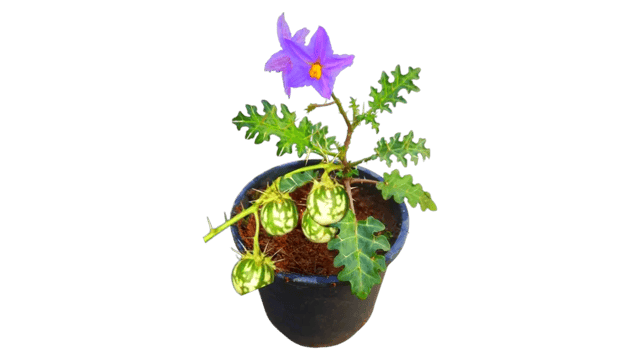
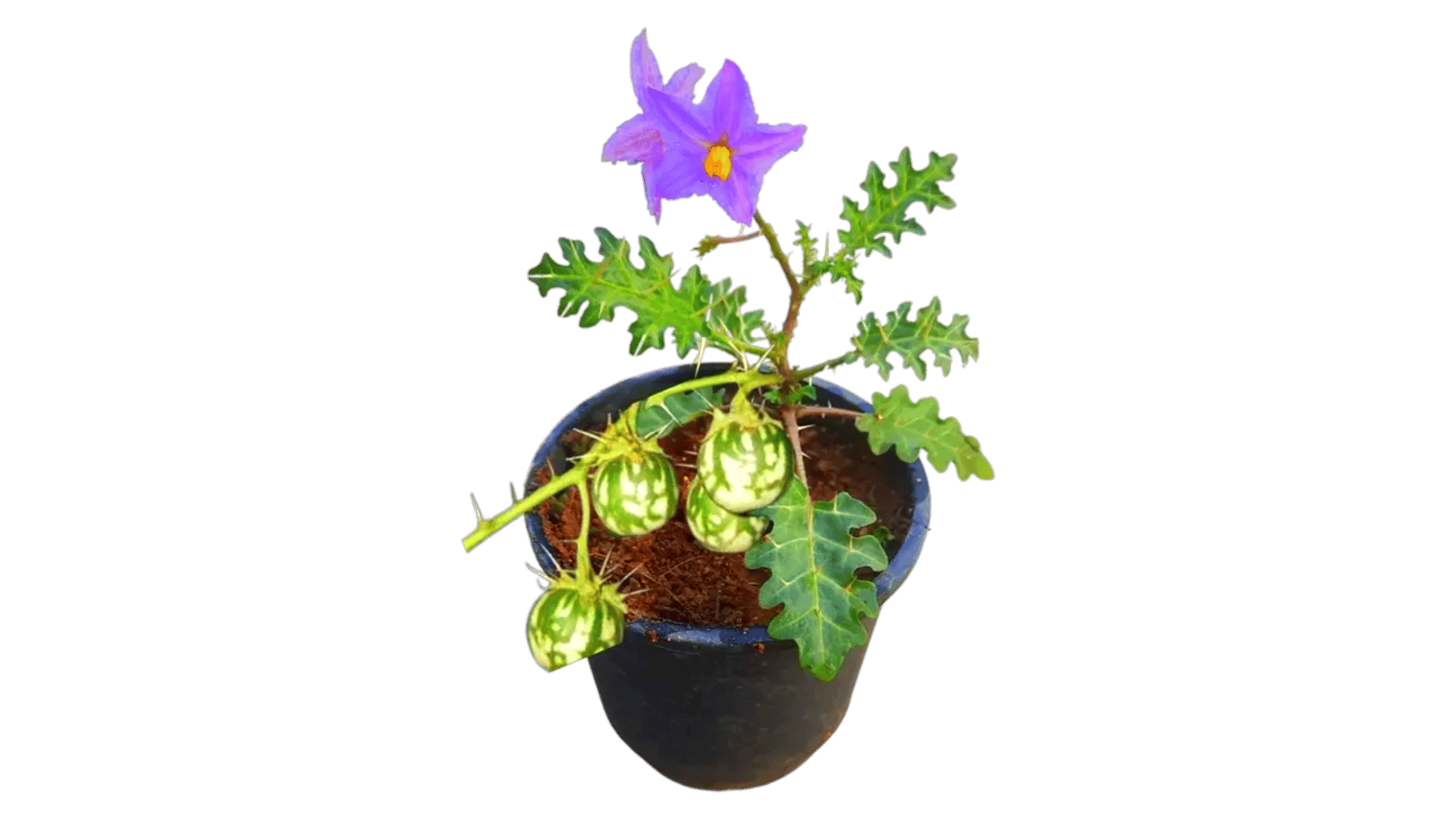
This is a live plant of RAJ GARDEN PLANTS Kantkari Plant, Solanum xanthocarpum, Kateri, Bhatkataiya, Yellow Berried Night shade kantkari Plant , Kateri, Bhatkataiya, कंटकारी या भटकटैया, Yellow Berried Night shade, Solanum xanthocarpum Solanum xanthocarpum, commonly known as Yellow-fruit Nightshade or Kantakari, is a medicinal plant species belonging to the Solanaceae family. It is native to South Asia and is widely distributed across India, Pakistan, Sri Lanka, and neighboring regions. Kantakari has been traditionally used in Ayurvedic and other traditional medicinal systems for its various health benefits. The plant has thorny stems and produces small, yellow, egg-shaped fruits, which are used in herbal medicine. Kantakari is known for its expectorant, bronchodilator, and antispasmodic properties, making it valuable in the treatment of respiratory conditions like asthma, bronchitis, and coughs. It is also used for its anti-inflammatory and analgesic properties to alleviate joint pain and arthritis symptoms. The plant's roots, leaves, and fruits are used to prepare decoctions, teas, or herbal formulations for medicinal purposes. In traditional medicine, Kantakari is believed to have diuretic properties and is used to support kidney and urinary health. The medicinal use of Solanum xanthocarpum should be done under the guidance of qualified healthcare professionals, as some parts of the plant can be toxic if not used properly. Kantakari is considered an important plant in traditional medicine systems and continues to be researched for its potential therapeutic applications. Growing and Care Tips for Solanum xanthocarpum Live Plant: Solanum xanthocarpum, commonly known as Yellow-fruit Nightshade or Kantakari, is a unique and beneficial plant. To ensure the healthy growth and well-being of your Solanum xanthocarpum live plant, follow these essential care guidelines: Sunlight Requirements: Place your Solanum xanthocarpum plant in a location that receives full sunlight. It thrives in direct sunlight and requires at least 6-8 hours of sun exposure each day. Well-Draining Soil: Plant Solanum xanthocarpum in well-draining soil that offers good aeration. You can enhance soil drainage by adding sand or perlite to the mix. Watering: Water the plant moderately, allowing the top inch or so of soil to dry out between waterings. Avoid waterlogging the soil, as excessive moisture can lead to root rot. Mulching: Apply a layer of organic mulch around the base of the plant to help retain soil moisture, regulate temperature, and suppress weed growth. Pruning: Regularly prune your Solanum xanthocarpum plant to remove dead or diseased branches and encourage healthy growth. Pruning also helps maintain the plant's shape and size. Fertilization: Feed your Solanum xanthocarpum with a balanced, organic fertilizer during the growing season (spring and summer). Follow the recommended application rates on the fertilizer packaging. Supportive Stake: Depending on the plant's growth habit, it may benefit from staking or support for its stems and branches, especially if it becomes top-heavy or grows tall. Pest and Disease Management: Monitor your Solanum xanthocarpum plant for signs of pests like aphids, whiteflies, or mites. If infestations occur, use natural pest control methods to address the issue. Propagation: Solanum xanthocarpum can be propagated from seeds or stem cuttings. Take cuttings from healthy, mature plants and plant them in well-prepared soil. Harvesting and Usage: Familiarize yourself with the appropriate parts of the plant for harvesting and its traditional or medicinal uses. Research its uses and consult with experts if needed before utilizing it. Cultural and Traditional Significance: Solanum xanthocarpum may hold cultural or traditional significance in certain regions. Be mindful of its importance and uses in local practices. Caution: Some species within the Solanum genus, including Solanum xanthocarpum, may contain toxic compounds. Handle the plant with care, wear gloves when working with it, and keep it out of reach of children and pets. Consultation: Before using Solanum xanthocarpum for any potential health benefits, consult a healthcare professional or herbalist. Ensure its safety and suitability for your individual health circumstances. By following these growing and care tips, you can cultivate a healthy and thriving Solanum xanthocarpum plant while respecting its potential benefits and cultural significance.
RAJ-GRD-PLN4Choose your location
Please provide your delivery pincode to see products available in your area
COD (Cash On Delivery) On request
🎁Gift Coupons: Share your unboxing video & receive an exclusive gift coupon as a thank-you!
Share here
🚫No Claims After Repotting: If a plant is transferred to another pot and gets damaged, no claims will be accepted. Re-potting is at your own risk.
📸Unboxing Video Required: To claim a refund or replacement for any product, you must share an uncut unboxing video upon receiving the item.
⏳Raise Claim Within 24 Hours: To be eligible for any refund/replacement, raise a claim within 24 hours of delivery.(For plants only, for other categories the claim window is 5 days)
| brand | Raj Garden Plants |
This is a live plant of RAJ GARDEN PLANTS Kantkari Plant, Solanum xanthocarpum, Kateri, Bhatkataiya, Yellow Berried Night shade kantkari Plant , Kateri, Bhatkataiya, कंटकारी या भटकटैया, Yellow Berried Night shade, Solanum xanthocarpum Solanum xanthocarpum, commonly known as Yellow-fruit Nightshade or Kantakari, is a medicinal plant species belonging to the Solanaceae family. It is native to South Asia and is widely distributed across India, Pakistan, Sri Lanka, and neighboring regions. Kantakari has been traditionally used in Ayurvedic and other traditional medicinal systems for its various health benefits. The plant has thorny stems and produces small, yellow, egg-shaped fruits, which are used in herbal medicine. Kantakari is known for its expectorant, bronchodilator, and antispasmodic properties, making it valuable in the treatment of respiratory conditions like asthma, bronchitis, and coughs. It is also used for its anti-inflammatory and analgesic properties to alleviate joint pain and arthritis symptoms. The plant's roots, leaves, and fruits are used to prepare decoctions, teas, or herbal formulations for medicinal purposes. In traditional medicine, Kantakari is believed to have diuretic properties and is used to support kidney and urinary health. The medicinal use of Solanum xanthocarpum should be done under the guidance of qualified healthcare professionals, as some parts of the plant can be toxic if not used properly. Kantakari is considered an important plant in traditional medicine systems and continues to be researched for its potential therapeutic applications. Growing and Care Tips for Solanum xanthocarpum Live Plant: Solanum xanthocarpum, commonly known as Yellow-fruit Nightshade or Kantakari, is a unique and beneficial plant. To ensure the healthy growth and well-being of your Solanum xanthocarpum live plant, follow these essential care guidelines: Sunlight Requirements: Place your Solanum xanthocarpum plant in a location that receives full sunlight. It thrives in direct sunlight and requires at least 6-8 hours of sun exposure each day. Well-Draining Soil: Plant Solanum xanthocarpum in well-draining soil that offers good aeration. You can enhance soil drainage by adding sand or perlite to the mix. Watering: Water the plant moderately, allowing the top inch or so of soil to dry out between waterings. Avoid waterlogging the soil, as excessive moisture can lead to root rot. Mulching: Apply a layer of organic mulch around the base of the plant to help retain soil moisture, regulate temperature, and suppress weed growth. Pruning: Regularly prune your Solanum xanthocarpum plant to remove dead or diseased branches and encourage healthy growth. Pruning also helps maintain the plant's shape and size. Fertilization: Feed your Solanum xanthocarpum with a balanced, organic fertilizer during the growing season (spring and summer). Follow the recommended application rates on the fertilizer packaging. Supportive Stake: Depending on the plant's growth habit, it may benefit from staking or support for its stems and branches, especially if it becomes top-heavy or grows tall. Pest and Disease Management: Monitor your Solanum xanthocarpum plant for signs of pests like aphids, whiteflies, or mites. If infestations occur, use natural pest control methods to address the issue. Propagation: Solanum xanthocarpum can be propagated from seeds or stem cuttings. Take cuttings from healthy, mature plants and plant them in well-prepared soil. Harvesting and Usage: Familiarize yourself with the appropriate parts of the plant for harvesting and its traditional or medicinal uses. Research its uses and consult with experts if needed before utilizing it. Cultural and Traditional Significance: Solanum xanthocarpum may hold cultural or traditional significance in certain regions. Be mindful of its importance and uses in local practices. Caution: Some species within the Solanum genus, including Solanum xanthocarpum, may contain toxic compounds. Handle the plant with care, wear gloves when working with it, and keep it out of reach of children and pets. Consultation: Before using Solanum xanthocarpum for any potential health benefits, consult a healthcare professional or herbalist. Ensure its safety and suitability for your individual health circumstances. By following these growing and care tips, you can cultivate a healthy and thriving Solanum xanthocarpum plant while respecting its potential benefits and cultural significance.
Products listed on Paudhewale.com are provided by individual sellers. We recommend referring to the product label before use. Paudhewale.com is not liable for any loss arising from misuse of products sold on our platform.
![Euphorbia Monadanium Ritchie Variegated Cactus Plant [RAJ GARDEN PLANTS]](https://www.paudhewale.com/s/660a356584d1ac2391ae69de/6a0b06a0564f25b03cb85a3d/blob-eac1319-640x640.png "Euphorbia Monadanium Ritchie Variegated Cactus Plant [RAJ GARDEN PLANTS]")
![Malabar Neem (Melia Dubia, Malabar Vepa) [RAJ GARDEN PLANTS]](https://www.paudhewale.com/s/660a356584d1ac2391ae69de/6a0b09c7affb47165e7b74dc/97_original-640x640.jpg "Malabar Neem (Melia Dubia, Malabar Vepa) [RAJ GARDEN PLANTS]")
![Adenium Jaivik Khad/Bloomer Manure 900 Gram [RAJ GARDEN PLANTS]](https://www.paudhewale.com/s/660a356584d1ac2391ae69de/6a0b0999affb47165e7b72b2/adeniumpercent20plantpercent20food-640x640.jpg "Adenium Jaivik Khad/Bloomer Manure 900 Gram [RAJ GARDEN PLANTS]")
![Mother In Law Tounge, Indoor Air purifier Snake Plant Live Plant, sansevieria Green Variegated [RAJ GARDEN PLANTS]](https://www.paudhewale.com/s/660a356584d1ac2391ae69de/6a0b095a0ad03c5dc1f9abbc/7_original-640x640.jpg "Mother In Law Tounge, Indoor Air purifier Snake Plant Live Plant, sansevieria Green Variegated [RAJ GARDEN PLANTS]")
![String of Tears Plant, Hanging Succulent Plant, Senecio Herreianus, Indoor Succulent Plants [RAJ GARDEN PLANTS]](https://www.paudhewale.com/s/660a356584d1ac2391ae69de/6a0b08a6a02b406c6d939a21/stringpercent20ofpercent20tears-640x640.jpg "String of Tears Plant, Hanging Succulent Plant, Senecio Herreianus, Indoor Succulent Plants [RAJ GARDEN PLANTS]")
![Good Luck Kuber Plant, Outdoor Hanging Plant [RAJ GARDEN PLANTS]](https://www.paudhewale.com/s/660a356584d1ac2391ae69de/6a0b08910beb2152c0e07a1f/kuberpercent20copy-640x640.jpg "Good Luck Kuber Plant, Outdoor Hanging Plant [RAJ GARDEN PLANTS]")
![Yellow Flower Plant [RAJ GARDEN PLANTS]](https://www.paudhewale.com/s/660a356584d1ac2391ae69de/6a0b0828dfcd906f30513dff/tikapercent20plant-640x640.jpg "Yellow Flower Plant [RAJ GARDEN PLANTS]")
![Goodlook Indoor Airpurification Goodluck Vidya Plant, Morpankhi Plant ,Thuja Orientalis Indoor Live Plants [RAJ GARDEN PLANTS]](https://www.paudhewale.com/s/660a356584d1ac2391ae69de/6a0b080a921035dc2b8bc1ac/thuja-640x640.jpg "Goodlook Indoor Airpurification Goodluck Vidya Plant, Morpankhi Plant ,Thuja Orientalis Indoor Live Plants [RAJ GARDEN PLANTS]")
![Croton Codiaeum variegatum ‘Petra’ Live Decoration Indoor Plant [RAJ GARDEN PLANTS]](https://www.paudhewale.com/s/660a356584d1ac2391ae69de/6a0b07f9921035dc2b8bc0ff/crotonpercent20codiaeumpercent20variegatumpercent20percente2percent80percent98petrapercente2percent80percent99-640x640.jpg "Croton Codiaeum variegatum ‘Petra’ Live Decoration Indoor Plant [RAJ GARDEN PLANTS]")
![Tecomella Undulata, Rohida Plant , Desert Teak Plant, Marwar Teak ,Timber Tree, Rohida Tree [RAJ GARDEN PLANTS]](https://www.paudhewale.com/s/660a356584d1ac2391ae69de/6a0b07e7dfcd906f30513ba8/rohida-640x640.jpg "Tecomella Undulata, Rohida Plant , Desert Teak Plant, Marwar Teak ,Timber Tree, Rohida Tree [RAJ GARDEN PLANTS]")
![Pebbles For Aquarium 5kg Pack ,!6-18 mm size, Coloured Stones, Pebbles For Pots and Garden Decoration [RAJ GARDEN PLANTS]](https://www.paudhewale.com/s/660a356584d1ac2391ae69de/6a0b07918195e488a2de228b/chatgptpercent20imagepercent20janpercent208percent2cpercent202026percent2cpercent2008_37_33percent20am-640x640.jpg "Pebbles For Aquarium 5kg Pack ,!6-18 mm size, Coloured Stones, Pebbles For Pots and Garden Decoration [RAJ GARDEN PLANTS]")
![Khejri Live Plant, ( Sangri wali Khejdi), Asli Shami Ka Ped, Prosopis Cineraria Plant , khejdi, khejari, Real Shami [RAJ GARDEN PLANTS]](https://www.paudhewale.com/s/660a356584d1ac2391ae69de/6a0b06c62aaff710c73daf98/project_20240512_2207356-01-640x640.png "Khejri Live Plant, ( Sangri wali Khejdi), Asli Shami Ka Ped, Prosopis Cineraria Plant , khejdi, khejari, Real Shami [RAJ GARDEN PLANTS]")
![Bleeding Heart Vine , Clerodandrum Thomsoniae Decorative Flower Plant [RAJ GARDEN PLANTS]](https://www.paudhewale.com/s/660a356584d1ac2391ae69de/6a0b06ad054cc3ad7e3fcd66/blob-6bfc088-640x640.png "Bleeding Heart Vine , Clerodandrum Thomsoniae Decorative Flower Plant [RAJ GARDEN PLANTS]")
![ORGANIC NEEM OIL 100 ML [RAJ GARDEN PLANTS]](https://www.paudhewale.com/s/660a356584d1ac2391ae69de/6a0b06a4116fe1a534ae2c30/blob-c1919eb-640x640.png "ORGANIC NEEM OIL 100 ML [RAJ GARDEN PLANTS]")
![Donkey's Tail ,Hanging Decorative Live Succulent Plant, Burro’s Tail, Sedum morganianum [RAJ GARDEN PLANTS]](https://www.paudhewale.com/s/660a356584d1ac2391ae69de/6a0b068edd3594b5cb7bb858/project_20230127_2134064-01-640x640.png "Donkey's Tail ,Hanging Decorative Live Succulent Plant, Burro’s Tail, Sedum morganianum [RAJ GARDEN PLANTS]")
![[Plants Glory] American Grafted Hibiscus Flower Plant](https://www.paudhewale.com/s/660a356584d1ac2391ae69de/6a0adcc36450d5a4b4d1bd31/24435__1766832151908_1ab7zazpqm10vjn-640x640.webp "[Plants Glory] American Grafted Hibiscus Flower Plant")