🌺 Red Hibiscus Plant – Description The Red Hibiscus Plant ( Hibiscus rosa-sinensis ) is a striking tropical flowering shrub known for its large, vibrant red blooms and lush green foliage. Native to Asia and…
🌺 Red Hibiscus Plant – Description
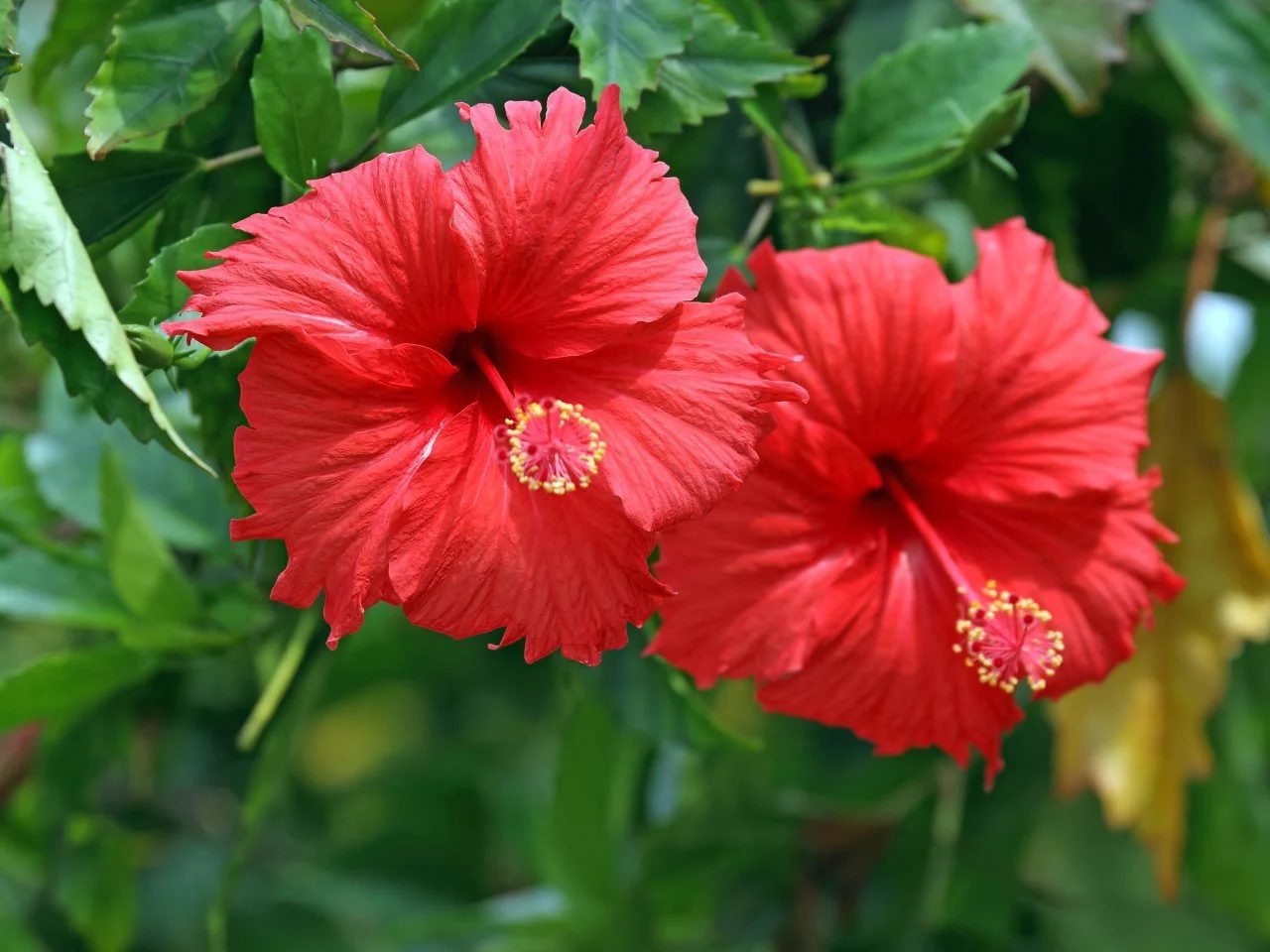
The Red Hibiscus Plant (Hibiscus rosa-sinensis) is a striking tropical flowering shrub known for its large, vibrant red blooms and lush green foliage. Native to Asia and widely cultivated across tropical and subtropical regions, this evergreen plant is prized for its ornamental beauty, fast growth, and ease of care.
The plant typically grows between 4 to 10 feet in height, with a dense, bushy structure that makes it ideal for hedges, garden borders, or standalone accents. Its flowers are bright red, trumpet-shaped, and usually measure 4–8 inches in diameter, making them a standout feature in any landscape. Each bloom lasts only a day or two, but the plant produces flowers in quick succession throughout the growing season, especially in warm climates.
🌺 Red Hibiscus Plant – Use & Care Guide
📦 Use
-
Ornamental: Ideal for garden borders, hedges, patios, and tropical landscapes.
-
Indoor/Outdoor: Can be grown outdoors year-round in warm climates; indoors in colder zones (place near bright windows).
-
Container Friendly: Grows well in pots with proper drainage – great for patios or balconies.
-
Pollinator-Friendly: Attracts bees, butterflies, and hummingbirds.
-
Cultural/Medicinal Use: Used in traditional remedies, teas, and ceremonial offerings.
🌿 Care Instructions
☀️ Light:
💧 Watering:
-
Keep soil evenly moist, but not soggy.
-
Water when the top inch of soil feels dry.
-
In pots, ensure good drainage to prevent root rot.
🌱 Soil:
-
Prefers well-draining, loamy soil.
-
Ideal pH: Slightly acidic to neutral (6.0–7.0).
-
Add compost or organic matter for extra nutrients.
🌡️ Temperature & Humidity:
-
Thrives in warm temperatures (60–90°F / 15–32°C).
-
Avoid exposure to frost or cold drafts.
-
Prefers high humidity – mist occasionally if indoor air is dry.
🍽️ Feeding:
-
Fertilize monthly during the growing season (spring–fall).
-
Use a balanced or high-potassium fertilizer (e.g., 10-10-10 or 10-20-20).
-
Reduce feeding in winter.
✂️ Pruning:
🪴 Repotting:
-
Repot every 1–2 years if in a container.
-
Choose a pot 1–2 inches larger than the current one with drainage holes.
-
🌺 Benefits of the Red Hibiscus Plant
🌿 1. Health & Medicinal Benefits
🌼 Hibiscus Tea (from red petals)
Rich in Antioxidants – Helps fight free radicals and oxidative stress
Supports Heart Health – May help lower blood pressure and cholesterol
Improves Digestion – Acts as a mild diuretic and may ease bloating
Liver Support – Traditionally believed to promote liver function
Boosts Immunity – Contains Vitamin C, iron, and other nutrients
Weight Management – Often included in detox or weight-loss teas
🌿 Topical Use
Hair Care: Used in oils or masks to strengthen hair and promote growth
Skin Health: Anti-inflammatory and soothing when used in natural remedies
🌸 2. Ornamental & Aesthetic Benefits
Highly Decorative: Large, vibrant red blooms make a bold visual impact
Year-Round Blooms: In tropical climates, it flowers almost continuously
Versatile Landscaping: Suitable for gardens, hedges, containers, and patios
Pollinator Attraction: Brings bees, butterflies, and hummingbirds to your garden
🧘 3. Cultural & Spiritual Benefits
Religious Significance: Used in Hindu rituals and temple offerings (especially to Goddess Kali and Durga)
Symbol of Love & Beauty: Represents femininity, power, and purity in many cultures
Traditional Healing: Widely used in Ayurveda, Chinese, and folk medicin