

![Adenium Grafted Rimjhim Flower Live Plant [RAJ GARDEN PLANTS]](https://www.paudhewale.com/s/660a356584d1ac2391ae69de/6a0b0a0c921035dc2b8bd87a/61_original-640x640.jpg "Adenium Grafted Rimjhim Flower Live Plant [RAJ GARDEN PLANTS]")
₹1,001₹260
![Kalmegh Live Plant, Andrographis paniculata, Kalmegha, कालमेघ, Kirayat, Hara Chiretta, Kalpnath [RAJ GARDEN PLANTS]](https://www.paudhewale.com/s/660a356584d1ac2391ae69de/6a0b09209beb607fbcf73357/22_original-640x640.jpg "Kalmegh Live Plant, Andrographis paniculata, Kalmegha, कालमेघ, Kirayat, Hara Chiretta, Kalpnath [RAJ GARDEN PLANTS]")
₹1,001₹300
![Goodluck Naag Champa Live Plant, Plumeria Live Plant [RAJ GARDEN PLANTS]](https://www.paudhewale.com/s/660a356584d1ac2391ae69de/6a0b09130ad03c5dc1f9a856/23_original-640x640.jpg "Goodluck Naag Champa Live Plant, Plumeria Live Plant [RAJ GARDEN PLANTS]")
₹1,001₹258
![Gulmohar Live Plant, Delonix regia, गुलमोहर [RAJ GARDEN PLANTS]](https://www.paudhewale.com/s/660a356584d1ac2391ae69de/6a0b09440ad03c5dc1f9aa86/11_original.jpg)
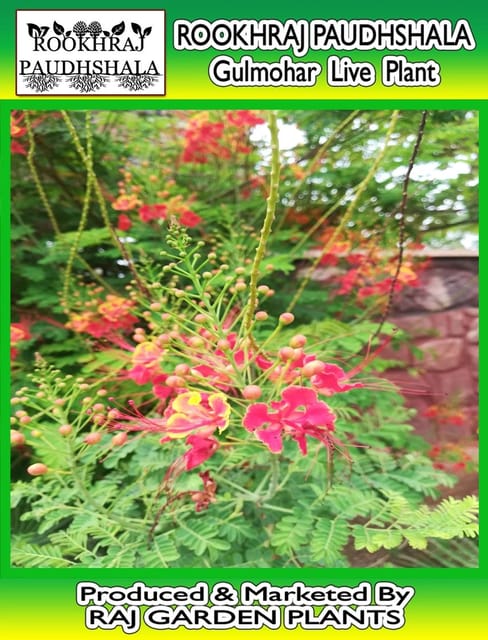
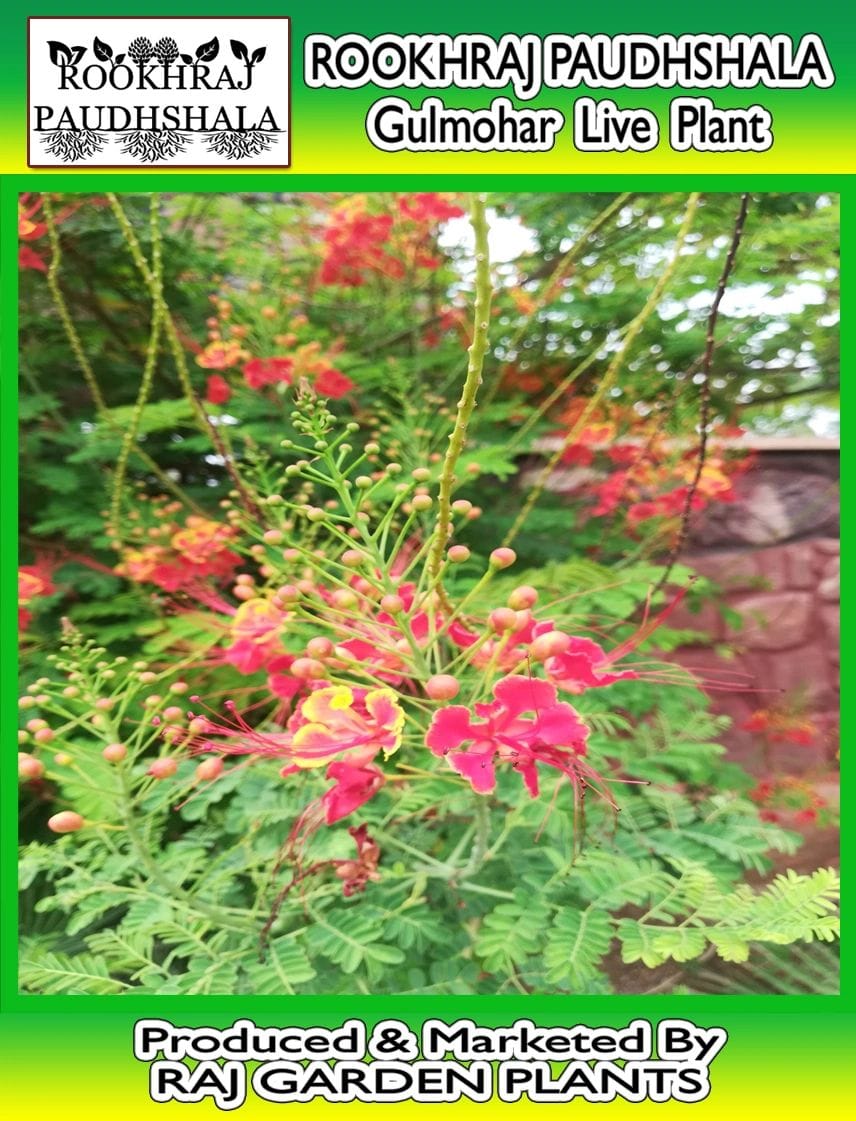
This is a live plant of ROOKHRAJ PAUDHSHALA Gulmohar Live Plant, Delonix regia, गुलमोहर The Gulmohar plant, scientifically known as Delonix regia, is a striking flowering tree renowned for its vibrant and flamboyant display of red, orange, and yellow blossoms. Native to Madagascar, the Gulmohar has been widely cultivated in tropical and subtropical regions around the world for its ornamental beauty. The tree is also commonly referred to as the Flame Tree or Royal Poinciana due to its stunning floral spectacle. Gulmohar leaves are fern-like and bipinnate, creating an elegant and feathery foliage that contrasts beautifully with its bold flowers. This deciduous tree typically sheds its leaves before flowering, allowing the vibrant flowers to take center stage. Gulmohar is a fast-growing tree that can reach impressive heights, making it a popular choice for landscaping and avenue planting. The tree's wide-spreading canopy provides ample shade, making it a preferred choice for parks, gardens, and streetscapes. Gulmohar flowers are pollinator magnets, attracting bees, butterflies, and birds, contributing to local biodiversity. The wood of the Gulmohar tree is not particularly valuable, but the tree's aesthetic appeal and environmental benefits make it highly valued. Proper spacing and pruning are important when planting Gulmohar trees to ensure they have enough room to grow and develop their signature shape. While the Gulmohar is generally low-maintenance, regular watering, especially during dry periods, will help establish healthy growth. Mulching around the base of the tree can conserve soil moisture, regulate temperature, and prevent weed growth. The Gulmohar tree is susceptible to certain pests and diseases, such as caterpillars and fungal infections, so periodic inspection and appropriate treatments may be necessary. Planting Gulmohar trees can contribute to urban beautification, provide habitat for wildlife, and improve the overall aesthetic and ecological quality of an area. Incorporating the vibrant and iconic Gulmohar tree into your landscape can add a touch of tropical allure, enhance local biodiversity, and create a picturesque setting that captures the essence of its resplendent flowers. Growing and Care Tips for Gulmohar Live Plant: Choosing the Right Location: Select a sunny and well-draining location for planting your Gulmohar tree. Ensure adequate space for its eventual size and spread. Soil Preparation: Gulmohar prefers slightly acidic to neutral soil with good drainage. Amend heavy or clay soils with organic matter to improve drainage. Planting: Plant Gulmohar during the warmer months, preferably in spring or early summer. Dig a hole slightly larger than the root ball, and place the tree in the hole at the same depth it was in the nursery container. Backfill with soil and water thoroughly to eliminate air pockets. Watering: Water newly planted Gulmohar trees regularly during the first year to establish a strong root system. Once established, reduce the frequency of watering, allowing the soil to dry between waterings. Mulching: Apply a layer of organic mulch around the base of the tree, but keep it away from the trunk to prevent rot. Mulch helps retain moisture, regulate soil temperature, and suppress weed growth. Pruning: Prune young Gulmohar trees to establish a central leader and remove any competing branches. Remove dead, damaged, or crossing branches as needed to maintain a healthy shape. Fertilization: Provide a balanced fertilizer in the spring to encourage healthy growth and flowering. Avoid excessive fertilization, as it can lead to excessive foliage growth and fewer flowers. Pest and Disease Management: Regularly inspect your Gulmohar tree for signs of pests or diseases such as caterpillars, aphids, or fungal infections. Treat any issues promptly with appropriate organic or chemical solutions. Support and Staking: Young Gulmohar trees may benefit from staking to ensure proper growth and stability until they establish strong roots. Protection from Extreme Conditions: Provide protection from strong winds and frost during the early stages of growth. Mulching can also help protect the tree's roots from extreme temperatures. Cultural Significance: Respect the cultural significance and beauty of the Gulmohar tree, and avoid any actions that may harm or disrespect it. Regular Care and Maintenance: Regularly monitor the health of your Gulmohar tree and provide appropriate care as needed. Enjoy the stunning display of flowers during its blooming season and appreciate the shade and aesthetic value it adds to your landscape. By following these growing and care tips, you can cultivate a healthy and vibrant Gulmohar tree that enhances the beauty of your surroundings and provides a spectacular floral show year after year.
RGP1134Choose your location
Please provide your delivery pincode to see products available in your area
COD (Cash On Delivery) On request
🎁Gift Coupons: Share your unboxing video & receive an exclusive gift coupon as a thank-you!
Share here
🚫No Claims After Repotting: If a plant is transferred to another pot and gets damaged, no claims will be accepted. Re-potting is at your own risk.
📸Unboxing Video Required: To claim a refund or replacement for any product, you must share an uncut unboxing video upon receiving the item.
⏳Raise Claim Within 24 Hours: To be eligible for any refund/replacement, raise a claim within 24 hours of delivery.(For plants only, for other categories the claim window is 5 days)
| brand | Raj Garden Plants |
This is a live plant of ROOKHRAJ PAUDHSHALA Gulmohar Live Plant, Delonix regia, गुलमोहर The Gulmohar plant, scientifically known as Delonix regia, is a striking flowering tree renowned for its vibrant and flamboyant display of red, orange, and yellow blossoms. Native to Madagascar, the Gulmohar has been widely cultivated in tropical and subtropical regions around the world for its ornamental beauty. The tree is also commonly referred to as the Flame Tree or Royal Poinciana due to its stunning floral spectacle. Gulmohar leaves are fern-like and bipinnate, creating an elegant and feathery foliage that contrasts beautifully with its bold flowers. This deciduous tree typically sheds its leaves before flowering, allowing the vibrant flowers to take center stage. Gulmohar is a fast-growing tree that can reach impressive heights, making it a popular choice for landscaping and avenue planting. The tree's wide-spreading canopy provides ample shade, making it a preferred choice for parks, gardens, and streetscapes. Gulmohar flowers are pollinator magnets, attracting bees, butterflies, and birds, contributing to local biodiversity. The wood of the Gulmohar tree is not particularly valuable, but the tree's aesthetic appeal and environmental benefits make it highly valued. Proper spacing and pruning are important when planting Gulmohar trees to ensure they have enough room to grow and develop their signature shape. While the Gulmohar is generally low-maintenance, regular watering, especially during dry periods, will help establish healthy growth. Mulching around the base of the tree can conserve soil moisture, regulate temperature, and prevent weed growth. The Gulmohar tree is susceptible to certain pests and diseases, such as caterpillars and fungal infections, so periodic inspection and appropriate treatments may be necessary. Planting Gulmohar trees can contribute to urban beautification, provide habitat for wildlife, and improve the overall aesthetic and ecological quality of an area. Incorporating the vibrant and iconic Gulmohar tree into your landscape can add a touch of tropical allure, enhance local biodiversity, and create a picturesque setting that captures the essence of its resplendent flowers. Growing and Care Tips for Gulmohar Live Plant: Choosing the Right Location: Select a sunny and well-draining location for planting your Gulmohar tree. Ensure adequate space for its eventual size and spread. Soil Preparation: Gulmohar prefers slightly acidic to neutral soil with good drainage. Amend heavy or clay soils with organic matter to improve drainage. Planting: Plant Gulmohar during the warmer months, preferably in spring or early summer. Dig a hole slightly larger than the root ball, and place the tree in the hole at the same depth it was in the nursery container. Backfill with soil and water thoroughly to eliminate air pockets. Watering: Water newly planted Gulmohar trees regularly during the first year to establish a strong root system. Once established, reduce the frequency of watering, allowing the soil to dry between waterings. Mulching: Apply a layer of organic mulch around the base of the tree, but keep it away from the trunk to prevent rot. Mulch helps retain moisture, regulate soil temperature, and suppress weed growth. Pruning: Prune young Gulmohar trees to establish a central leader and remove any competing branches. Remove dead, damaged, or crossing branches as needed to maintain a healthy shape. Fertilization: Provide a balanced fertilizer in the spring to encourage healthy growth and flowering. Avoid excessive fertilization, as it can lead to excessive foliage growth and fewer flowers. Pest and Disease Management: Regularly inspect your Gulmohar tree for signs of pests or diseases such as caterpillars, aphids, or fungal infections. Treat any issues promptly with appropriate organic or chemical solutions. Support and Staking: Young Gulmohar trees may benefit from staking to ensure proper growth and stability until they establish strong roots. Protection from Extreme Conditions: Provide protection from strong winds and frost during the early stages of growth. Mulching can also help protect the tree's roots from extreme temperatures. Cultural Significance: Respect the cultural significance and beauty of the Gulmohar tree, and avoid any actions that may harm or disrespect it. Regular Care and Maintenance: Regularly monitor the health of your Gulmohar tree and provide appropriate care as needed. Enjoy the stunning display of flowers during its blooming season and appreciate the shade and aesthetic value it adds to your landscape. By following these growing and care tips, you can cultivate a healthy and vibrant Gulmohar tree that enhances the beauty of your surroundings and provides a spectacular floral show year after year.
Products listed on Paudhewale.com are provided by individual sellers. We recommend referring to the product label before use. Paudhewale.com is not liable for any loss arising from misuse of products sold on our platform.
![Bichoo Bel Live Plant, Portulaca Mixed Colour Live Plant [RAJ GARDEN PLANTS]](https://www.paudhewale.com/s/660a356584d1ac2391ae69de/6a0b08d1921035dc2b8bc90a/43_original-640x640.jpg "Bichoo Bel Live Plant, Portulaca Mixed Colour Live Plant [RAJ GARDEN PLANTS]")
![Sansevieria Cylindrica Patula Var. Boncel/Cylindrical Snake Plant / Dracaena Angolensis [RAJ GARDEN PLANTS]](https://www.paudhewale.com/s/660a356584d1ac2391ae69de/6a0b07de8195e488a2de2503/blob-a26f2d1-640x640.png "Sansevieria Cylindrica Patula Var. Boncel/Cylindrical Snake Plant / Dracaena Angolensis [RAJ GARDEN PLANTS]")
![Salvadora persica Plant, Miswak Plant, Khari Jaal , Peelu Plant, Salvadora Persica [RAJ GARDEN PLANTS]](https://www.paudhewale.com/s/660a356584d1ac2391ae69de/6a0b07ad8195e488a2de2330/salvadora-640x640.jpg "Salvadora persica Plant, Miswak Plant, Khari Jaal , Peelu Plant, Salvadora Persica [RAJ GARDEN PLANTS]")
![Medicinal Basket Live Plant Callisia Fragrans -Tradescantia Plant-with 4 inch Nursery Pot [RAJ GARDEN PLANTS]](https://www.paudhewale.com/s/660a356584d1ac2391ae69de/6a0b060670fde925001dec5b/basketpercent20plant-640x640.jpg "Medicinal Basket Live Plant Callisia Fragrans -Tradescantia Plant-with 4 inch Nursery Pot [RAJ GARDEN PLANTS]")
![Kaner Yellow Flower Plant , Indian oleander , Nerium indicum Live Plant [RAJ GARDEN PLANTS]](https://www.paudhewale.com/s/660a356584d1ac2391ae69de/6a0b0976affb47165e7b7237/kanerpercent20yellow-640x640.jpg "Kaner Yellow Flower Plant , Indian oleander , Nerium indicum Live Plant [RAJ GARDEN PLANTS]")
![Kaner (Indian oleander) White Flower Plant, Nerium indicum Live Plant [RAJ GARDEN PLANTS]](https://www.paudhewale.com/s/660a356584d1ac2391ae69de/6a0b096e9beb607fbcf73734/kanerwhite-0001-640x640.jpg "Kaner (Indian oleander) White Flower Plant, Nerium indicum Live Plant [RAJ GARDEN PLANTS]")
![Vajradanti White Flower Live Plant वज्रदंती, Katsaraiya, Piyabansa, Barleria cristata Alba, kuranta [RAJ GARDEN PLANTS]](https://www.paudhewale.com/s/660a356584d1ac2391ae69de/6a0b0966affb47165e7b713c/67_original-640x640.jpg "Vajradanti White Flower Live Plant वज्रदंती, Katsaraiya, Piyabansa, Barleria cristata Alba, kuranta [RAJ GARDEN PLANTS]")
![Ketki Live Plant, kamukha, Crape Ginger, Crape Ginger, Costus speciosus [RAJ GARDEN PLANTS]](https://www.paudhewale.com/s/660a356584d1ac2391ae69de/6a0b092e9beb607fbcf73409/blob-a993618-640x640.png "Ketki Live Plant, kamukha, Crape Ginger, Crape Ginger, Costus speciosus [RAJ GARDEN PLANTS]")
![Lemon Fruit Plant, Grafted Rasaali Live Plant, Nimbu [RAJ GARDEN PLANTS]](https://www.paudhewale.com/s/660a356584d1ac2391ae69de/6a0b0904dfcd906f3051461e/37_original-640x640.jpg "Lemon Fruit Plant, Grafted Rasaali Live Plant, Nimbu [RAJ GARDEN PLANTS]")
![Ficus Safari Live Plant, Air Purifier Indoor Live Plant, Variegated Ficus Plants [RAJ GARDEN PLANTS]](https://www.paudhewale.com/s/660a356584d1ac2391ae69de/6a0b081829066cbeeb4b9efc/ficuspercent20safari-0001-640x640.jpg "Ficus Safari Live Plant, Air Purifier Indoor Live Plant, Variegated Ficus Plants [RAJ GARDEN PLANTS]")
![Ceramic Pot Namaste Yoga cream, Yoga Planters, Namaste Yoga Planters [RAJ GARDEN PLANTS]](https://www.paudhewale.com/s/660a356584d1ac2391ae69de/6a0b07be8901ef186c521837/61mpoz4wnol-_sl1500_-640x640.jpg "Ceramic Pot Namaste Yoga cream, Yoga Planters, Namaste Yoga Planters [RAJ GARDEN PLANTS]")
![Decorative Fancy Pots for Plants (Set of 10 Pots) [RAJ GARDEN PLANTS]](https://www.paudhewale.com/s/660a356584d1ac2391ae69de/6a0b07a7affb47165e7b5e76/pot-640x640.jpg "Decorative Fancy Pots for Plants (Set of 10 Pots) [RAJ GARDEN PLANTS]")
![Kadam Live Plant, Neolamarckia cadamba, Burflower Tree, Laran, Leichhardt pine - RKH-PDH-KDM-LV [RAJ GARDEN PLANTS]](https://www.paudhewale.com/s/660a356584d1ac2391ae69de/6a0b078c0ad03c5dc1f99991/99_original-640x640.jpg "Kadam Live Plant, Neolamarckia cadamba, Burflower Tree, Laran, Leichhardt pine - RKH-PDH-KDM-LV [RAJ GARDEN PLANTS]")
![Kitchen Garden Natural Organic Vegetable Seeds (Pack of 12 ) ( Spinach, Choulai, Coriender, Lady Finger, Brinjal, Tomato, Cluster Beans, Fenugreek, Bitter guard, Ridge guard, Bottle Guard, Long Guard, Cucumber ) [RAJ GARDEN PLANTS]](https://www.paudhewale.com/s/660a356584d1ac2391ae69de/6a0b06d1116fe1a534ae2d32/gemini_generated_imagepercent20-8--640x640.jpg "Kitchen Garden Natural Organic Vegetable Seeds (Pack of 12 ) ( Spinach, Choulai, Coriender, Lady Finger, Brinjal, Tomato, Cluster Beans, Fenugreek, Bitter guard, Ridge guard, Bottle Guard, Long Guard, Cucumber ) [RAJ GARDEN PLANTS]")
![Exquisite Variegated Haworthia retusa: A Captivating Addition to Your Plant Collection [RAJ GARDEN PLANTS]](https://www.paudhewale.com/s/660a356584d1ac2391ae69de/6a0b0641921035dc2b8bb793/howarthapercent20retusa-640x640.jpg "Exquisite Variegated Haworthia retusa: A Captivating Addition to Your Plant Collection [RAJ GARDEN PLANTS]")
![Gift Succulent Tray, Succulent Tray, Succulent Gift Basket [RAJ GARDEN PLANTS]](https://www.paudhewale.com/s/660a356584d1ac2391ae69de/6a0b05eaf5202f0eb7da0ae0/20220117_130338percent20copy-0001-640x640.jpg "Gift Succulent Tray, Succulent Tray, Succulent Gift Basket [RAJ GARDEN PLANTS]")
![[Plants Glory] Hibiscus Flower Plant Pure Blue](https://www.paudhewale.com/s/660a356584d1ac2391ae69de/6a0ae460f651781bc0a92a71/20125__1766832146259_pceq7wlfji3xe86-640x640.jpg "[Plants Glory] Hibiscus Flower Plant Pure Blue")
![[Plants Glory] Multigrafted Hibiscus Flower Plant (10 Colours)](https://www.paudhewale.com/s/660a356584d1ac2391ae69de/6a0adfe76f8cdc322cdf80f1/18931__1766832149011_v0r9lex4vl8g6pg-640x640.jpg "[Plants Glory] Multigrafted Hibiscus Flower Plant (10 Colours)")
![[Plants Glory] Australian Variety Grafted Hibiscus Flower Plant (PG-100667)](https://www.paudhewale.com/s/660a356584d1ac2391ae69de/6a0adcea3eced8c254d8a671/18546__1766832132826_2jq0omne7683hdu-640x640.jpg "[Plants Glory] Australian Variety Grafted Hibiscus Flower Plant (PG-100667)")
![[Plants Glory] Sleeping Hibiscus Malvaviscus Flower Plant Baby Pink](https://www.paudhewale.com/s/660a356584d1ac2391ae69de/6a0adb1eed1a536e112f3a28/20189__1766832134037_xizy0juw2ggfzc0-640x640.jpg "[Plants Glory] Sleeping Hibiscus Malvaviscus Flower Plant Baby Pink")