

![Sansevieria Robusta, Snake Plant [RAJ GARDEN PLANTS]](https://www.paudhewale.com/s/660a356584d1ac2391ae69de/6a0b0a05dfcd906f305151ae/69_original-640x640.jpg "Sansevieria Robusta, Snake Plant [RAJ GARDEN PLANTS]")
₹1,001₹258
![Crassula Live Plant, Crasulla Plant, Crasula Plant, Jade Plant, Good Luck Plant, Chinese Fengshui Money Plant [RAJ GARDEN PLANTS]](https://www.paudhewale.com/s/660a356584d1ac2391ae69de/6a0b09df0ad03c5dc1f9b00f/blob-f9e5cd3-640x640.png "Crassula Live Plant, Crasulla Plant, Crasula Plant, Jade Plant, Good Luck Plant, Chinese Fengshui Money Plant [RAJ GARDEN PLANTS]")
₹803₹258
![Dragon Fruit Plant, Hylocereus Undatus, Pitaya Cactus Plant [RAJ GARDEN PLANTS]](https://www.paudhewale.com/s/660a356584d1ac2391ae69de/6a0b097aaffb47165e7b7281/screenshot_20210929-125842_blogger-640x640.jpg "Dragon Fruit Plant, Hylocereus Undatus, Pitaya Cactus Plant [RAJ GARDEN PLANTS]")
₹1,001₹258
![Goodluck Naag Champa Live Plant, Plumeria Live Plant [RAJ GARDEN PLANTS]](https://www.paudhewale.com/s/660a356584d1ac2391ae69de/6a0b09130ad03c5dc1f9a856/23_original.jpg)
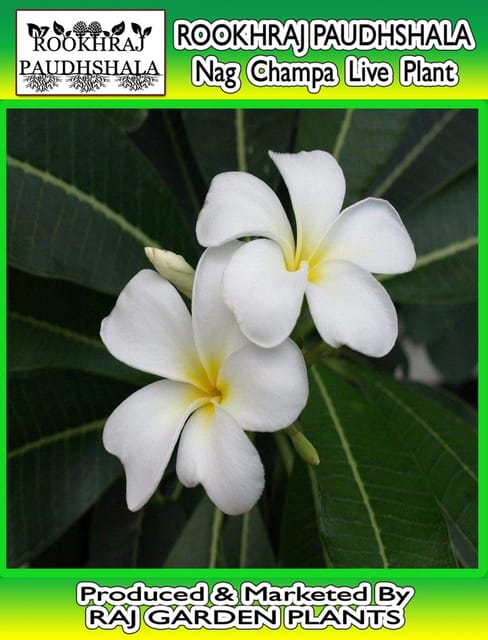
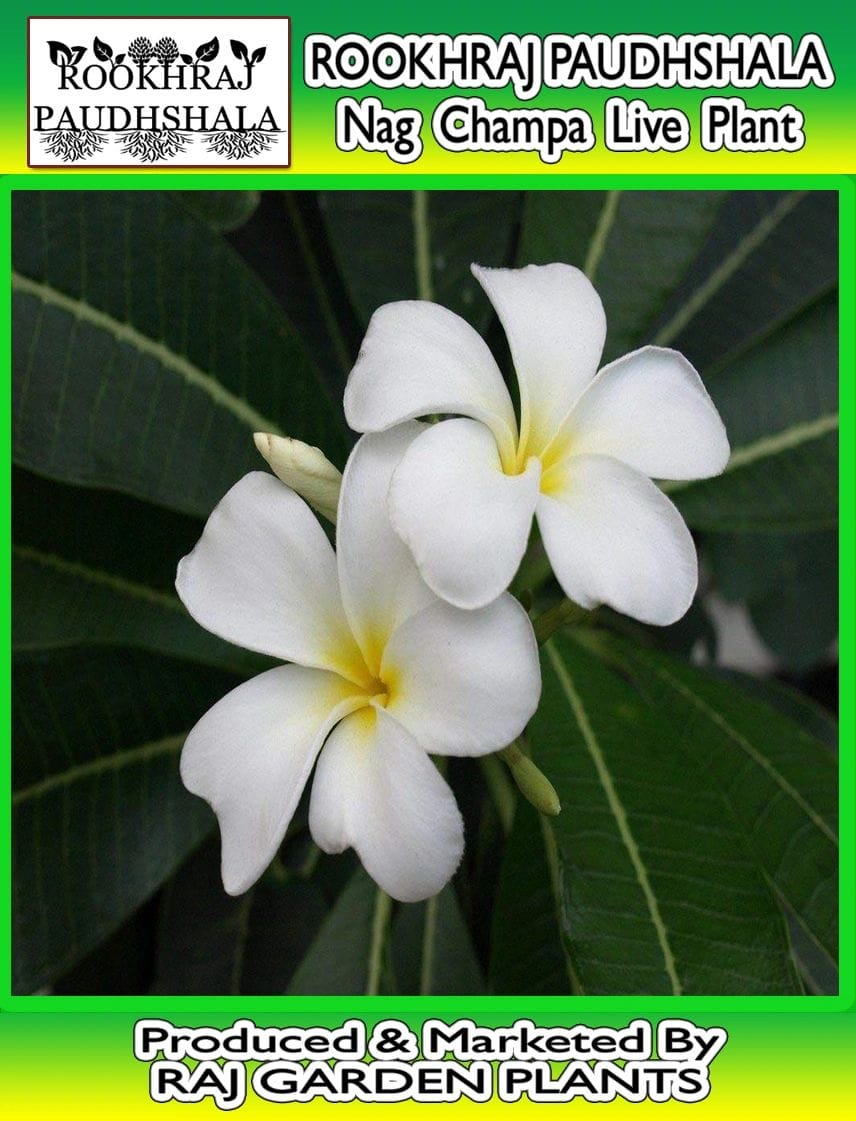
This is a live plant of ROOKHRAJ PAUDHSHALA Champa Live Plant, Plumeria Live Plant Here are some bullet points about growing and caring for a Plumeria live plant: Plant Selection : Choose a Plumeria variety that suits your climate and available space. Purchase a healthy plant from a reputable nursery or source. Sunlight : Plumerias thrive in full sun, so provide at least 6 hours of direct sunlight daily. If growing indoors, place near a south-facing window. Temperature : Plumerias are tropical plants and prefer warm temperatures. Protect them from frost and cold drafts. Soil : Use well-draining soil mix specifically designed for cacti and succulents or create a mix with sand, perlite, and potting soil. Watering : Water deeply and allow the soil to dry slightly between waterings. Reduce watering during the dormant period (winter), as plumerias need less water. Fertilization : Feed with a balanced, high-phosphorus fertilizer during the growing season (spring and summer). Use a fertilizer specifically formulated for flowering plants. Pruning : Prune to shape the plant and encourage branching. Remove dead or yellowing leaves and spent flower clusters. Container vs. Ground : Plumerias can be grown in containers or directly in the ground, depending on your climate and space. Pest and Disease Control : Watch for pests like aphids, mealybugs, and spider mites. Treat with insecticidal soap or neem oil if necessary. Prevent fungal diseases by avoiding overhead watering and providing good air circulation. Rooting Cuttings : Plumerias can be propagated from stem cuttings. Allow cuttings to dry and callus before planting in a well-draining mix. Container Care : If growing in a container, ensure it has drainage holes to prevent waterlogging. Repot every 2-3 years to refresh the soil and provide more space. Landscape Use : Plumerias can be planted in gardens, as hedges, or as standalone ornamental trees. Consider their mature size when choosing a planting location. Winter Care : Protect plumerias from cold temperatures, especially frost. If growing in colder climates, bring indoors or provide frost protection. Blooming : Plumerias typically bloom in the warmer months. Flower colors and fragrances vary by variety. Caution : Some parts of the plumeria plant can be toxic if ingested, so keep them away from pets and children. Remember that Plumerias are stunning flowering plants that require some specific care to thrive. Adapt these tips to your local climate and growing conditions for the best results. Growing and Care Tips for Plumeria Live Plants: Plant Selection : Choose a Plumeria variety that suits your climate and preferences, considering factors like flower color and fragrance. Sunlight : Plumerias require full sun for at least 6 hours a day to thrive and produce abundant flowers. Ensure they receive direct sunlight, especially during the growing season. Soil and Potting : Use well-draining soil with good aeration. A cactus or succulent mix works well. If growing in a container, make sure the pot has drainage holes to prevent waterlogging. Watering : Water thoroughly when the top 1-2 inches of soil feel dry. Allow the soil to dry between waterings, especially during the dormant season (winter). Fertilization : Feed with a balanced, high-phosphorus fertilizer during the active growing months (spring and summer). Use a fertilizer specifically formulated for flowering plants to promote blooming. Pruning and Shaping : Prune to encourage branching and create a well-shaped plant. Remove dead or yellowing leaves and spent flower clusters to redirect energy for new growth. Pest and Disease Management : Watch for pests like aphids, mealybugs, and spider mites. Treat with insecticidal soap or neem oil if infestations occur. Ensure proper air circulation to prevent fungal diseases. Rooting Cuttings : Plumerias can be propagated from stem cuttings. Allow cuttings to air dry for a few days, then plant them in a well-draining rooting medium. Container Care : If growing in a container, choose a pot that provides enough space for root growth. Repot every 2-3 years to refresh the soil and prevent the plant from becoming root-bound. Winter Care : Plumerias are sensitive to cold temperatures and frost. If you live in a colder climate, bring potted plumerias indoors or provide protection from frost. Landscape Planting : Plant plumerias in well-draining soil in a location with full sun exposure. Space plants adequately to allow for their mature size. Mulching : Apply a layer of organic mulch around the base of the plant to conserve moisture and suppress weeds. Blooming : Plumerias typically bloom during the warmer months, producing vibrant and fragrant flowers. Flower colors and fragrances vary by variety. Caution : Certain parts of the plumeria plant are toxic if ingested, so keep them away from pets and children. Remember that plumerias are stunning and rewarding plants, but they require attention to specific care guidelines. Adapting these tips to your local conditions and observing the plant's response will help you achieve successful plumeria growth and beautiful blooms.
RGP1121Choose your location
Please provide your delivery pincode to see products available in your area
COD (Cash On Delivery) On request
🎁Gift Coupons: Share your unboxing video & receive an exclusive gift coupon as a thank-you!
Share here
🚫No Claims After Repotting: If a plant is transferred to another pot and gets damaged, no claims will be accepted. Re-potting is at your own risk.
📸Unboxing Video Required: To claim a refund or replacement for any product, you must share an uncut unboxing video upon receiving the item.
⏳Raise Claim Within 24 Hours: To be eligible for any refund/replacement, raise a claim within 24 hours of delivery.(For plants only, for other categories the claim window is 5 days)
| brand | Raj Garden Plants |
This is a live plant of ROOKHRAJ PAUDHSHALA Champa Live Plant, Plumeria Live Plant Here are some bullet points about growing and caring for a Plumeria live plant: Plant Selection : Choose a Plumeria variety that suits your climate and available space. Purchase a healthy plant from a reputable nursery or source. Sunlight : Plumerias thrive in full sun, so provide at least 6 hours of direct sunlight daily. If growing indoors, place near a south-facing window. Temperature : Plumerias are tropical plants and prefer warm temperatures. Protect them from frost and cold drafts. Soil : Use well-draining soil mix specifically designed for cacti and succulents or create a mix with sand, perlite, and potting soil. Watering : Water deeply and allow the soil to dry slightly between waterings. Reduce watering during the dormant period (winter), as plumerias need less water. Fertilization : Feed with a balanced, high-phosphorus fertilizer during the growing season (spring and summer). Use a fertilizer specifically formulated for flowering plants. Pruning : Prune to shape the plant and encourage branching. Remove dead or yellowing leaves and spent flower clusters. Container vs. Ground : Plumerias can be grown in containers or directly in the ground, depending on your climate and space. Pest and Disease Control : Watch for pests like aphids, mealybugs, and spider mites. Treat with insecticidal soap or neem oil if necessary. Prevent fungal diseases by avoiding overhead watering and providing good air circulation. Rooting Cuttings : Plumerias can be propagated from stem cuttings. Allow cuttings to dry and callus before planting in a well-draining mix. Container Care : If growing in a container, ensure it has drainage holes to prevent waterlogging. Repot every 2-3 years to refresh the soil and provide more space. Landscape Use : Plumerias can be planted in gardens, as hedges, or as standalone ornamental trees. Consider their mature size when choosing a planting location. Winter Care : Protect plumerias from cold temperatures, especially frost. If growing in colder climates, bring indoors or provide frost protection. Blooming : Plumerias typically bloom in the warmer months. Flower colors and fragrances vary by variety. Caution : Some parts of the plumeria plant can be toxic if ingested, so keep them away from pets and children. Remember that Plumerias are stunning flowering plants that require some specific care to thrive. Adapt these tips to your local climate and growing conditions for the best results. Growing and Care Tips for Plumeria Live Plants: Plant Selection : Choose a Plumeria variety that suits your climate and preferences, considering factors like flower color and fragrance. Sunlight : Plumerias require full sun for at least 6 hours a day to thrive and produce abundant flowers. Ensure they receive direct sunlight, especially during the growing season. Soil and Potting : Use well-draining soil with good aeration. A cactus or succulent mix works well. If growing in a container, make sure the pot has drainage holes to prevent waterlogging. Watering : Water thoroughly when the top 1-2 inches of soil feel dry. Allow the soil to dry between waterings, especially during the dormant season (winter). Fertilization : Feed with a balanced, high-phosphorus fertilizer during the active growing months (spring and summer). Use a fertilizer specifically formulated for flowering plants to promote blooming. Pruning and Shaping : Prune to encourage branching and create a well-shaped plant. Remove dead or yellowing leaves and spent flower clusters to redirect energy for new growth. Pest and Disease Management : Watch for pests like aphids, mealybugs, and spider mites. Treat with insecticidal soap or neem oil if infestations occur. Ensure proper air circulation to prevent fungal diseases. Rooting Cuttings : Plumerias can be propagated from stem cuttings. Allow cuttings to air dry for a few days, then plant them in a well-draining rooting medium. Container Care : If growing in a container, choose a pot that provides enough space for root growth. Repot every 2-3 years to refresh the soil and prevent the plant from becoming root-bound. Winter Care : Plumerias are sensitive to cold temperatures and frost. If you live in a colder climate, bring potted plumerias indoors or provide protection from frost. Landscape Planting : Plant plumerias in well-draining soil in a location with full sun exposure. Space plants adequately to allow for their mature size. Mulching : Apply a layer of organic mulch around the base of the plant to conserve moisture and suppress weeds. Blooming : Plumerias typically bloom during the warmer months, producing vibrant and fragrant flowers. Flower colors and fragrances vary by variety. Caution : Certain parts of the plumeria plant are toxic if ingested, so keep them away from pets and children. Remember that plumerias are stunning and rewarding plants, but they require attention to specific care guidelines. Adapting these tips to your local conditions and observing the plant's response will help you achieve successful plumeria growth and beautiful blooms.
Products listed on Paudhewale.com are provided by individual sellers. We recommend referring to the product label before use. Paudhewale.com is not liable for any loss arising from misuse of products sold on our platform.
![Dalchini (दालचीनी) Live Plant, Cinnamomum Cassia Plant, Daalchini [RAJ GARDEN PLANTS]](https://www.paudhewale.com/s/660a356584d1ac2391ae69de/6a0b095e921035dc2b8bd00b/4_original-640x640.jpg "Dalchini (दालचीनी) Live Plant, Cinnamomum Cassia Plant, Daalchini [RAJ GARDEN PLANTS]")
![Diyas, , Deepak, Fancy and Colorful Diyas, Diwali Diyas,Earthen Lamps with Baati (20Small +1Big +21Baati) [RAJ GARDEN PLANTS]](https://www.paudhewale.com/s/660a356584d1ac2391ae69de/6a0b088a29066cbeeb4ba349/diyaspercent20copy-640x640.jpg "Diyas, , Deepak, Fancy and Colorful Diyas, Diwali Diyas,Earthen Lamps with Baati (20Small +1Big +21Baati) [RAJ GARDEN PLANTS]")
![Tecomella Undulata, Rohida Plant , Desert Teak Plant, Marwar Teak ,Timber Tree, Rohida Tree [RAJ GARDEN PLANTS]](https://www.paudhewale.com/s/660a356584d1ac2391ae69de/6a0b07e7dfcd906f30513ba8/rohida-640x640.jpg "Tecomella Undulata, Rohida Plant , Desert Teak Plant, Marwar Teak ,Timber Tree, Rohida Tree [RAJ GARDEN PLANTS]")
![Cylindropuntia Fulgida Cactus Plant, Cactus Plants [RAJ GARDEN PLANTS]](https://www.paudhewale.com/s/660a356584d1ac2391ae69de/6a0b07c97f594ee093191107/713vvuyyxxl-_sl1500_-640x640.jpg "Cylindropuntia Fulgida Cactus Plant, Cactus Plants [RAJ GARDEN PLANTS]")
![Henna Plant, Hena Plant Mehndi Live Plants, Lawsonia inermis [RAJ GARDEN PLANTS]](https://www.paudhewale.com/s/660a356584d1ac2391ae69de/6a0b07b1affb47165e7b5ed8/henapercent20plant-640x640.jpg "Henna Plant, Hena Plant Mehndi Live Plants, Lawsonia inermis [RAJ GARDEN PLANTS]")
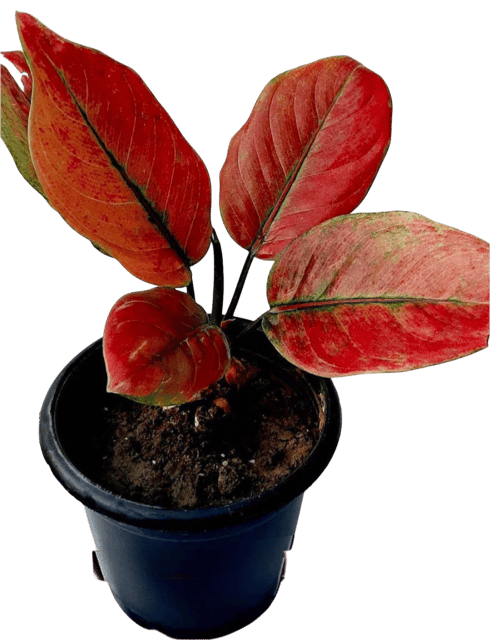
![Adenium Grafted Rimjhim Flower Live Plant [RAJ GARDEN PLANTS]](https://www.paudhewale.com/s/660a356584d1ac2391ae69de/6a0b0a0c921035dc2b8bd87a/61_original-640x640.jpg "Adenium Grafted Rimjhim Flower Live Plant [RAJ GARDEN PLANTS]")
![Kaner Yellow Flower Plant , Indian oleander , Nerium indicum Live Plant [RAJ GARDEN PLANTS]](https://www.paudhewale.com/s/660a356584d1ac2391ae69de/6a0b0976affb47165e7b7237/kanerpercent20yellow-640x640.jpg "Kaner Yellow Flower Plant , Indian oleander , Nerium indicum Live Plant [RAJ GARDEN PLANTS]")
![Kaner (Indian oleander) White Flower Plant, Nerium indicum Live Plant [RAJ GARDEN PLANTS]](https://www.paudhewale.com/s/660a356584d1ac2391ae69de/6a0b096e9beb607fbcf73734/kanerwhite-0001-640x640.jpg "Kaner (Indian oleander) White Flower Plant, Nerium indicum Live Plant [RAJ GARDEN PLANTS]")
![Vajradanti White Flower Live Plant वज्रदंती, Katsaraiya, Piyabansa, Barleria cristata Alba, kuranta [RAJ GARDEN PLANTS]](https://www.paudhewale.com/s/660a356584d1ac2391ae69de/6a0b0966affb47165e7b713c/67_original-640x640.jpg "Vajradanti White Flower Live Plant वज्रदंती, Katsaraiya, Piyabansa, Barleria cristata Alba, kuranta [RAJ GARDEN PLANTS]")
![Gulmohar Live Plant, Delonix regia, गुलमोहर [RAJ GARDEN PLANTS]](https://www.paudhewale.com/s/660a356584d1ac2391ae69de/6a0b09440ad03c5dc1f9aa86/11_original-640x640.jpg "Gulmohar Live Plant, Delonix regia, गुलमोहर [RAJ GARDEN PLANTS]")
![Amla Live Plant, Phyllanthus emblica, Anwala Plant, Anwla [RAJ GARDEN PLANTS]](https://www.paudhewale.com/s/660a356584d1ac2391ae69de/6a0b093cdfcd906f305148c8/12_original-640x640.jpg "Amla Live Plant, Phyllanthus emblica, Anwala Plant, Anwla [RAJ GARDEN PLANTS]")
![Ketki Live Plant, kamukha, Crape Ginger, Crape Ginger, Costus speciosus [RAJ GARDEN PLANTS]](https://www.paudhewale.com/s/660a356584d1ac2391ae69de/6a0b092e9beb607fbcf73409/blob-a993618-640x640.png "Ketki Live Plant, kamukha, Crape Ginger, Crape Ginger, Costus speciosus [RAJ GARDEN PLANTS]")
![Lemon Fruit Plant, Grafted Rasaali Live Plant, Nimbu [RAJ GARDEN PLANTS]](https://www.paudhewale.com/s/660a356584d1ac2391ae69de/6a0b0904dfcd906f3051461e/37_original-640x640.jpg "Lemon Fruit Plant, Grafted Rasaali Live Plant, Nimbu [RAJ GARDEN PLANTS]")
![Karanj Live Plant, Pongamia pinnata Live Plant, Sukh Chain Plant [RAJ GARDEN PLANTS]](https://www.paudhewale.com/s/660a356584d1ac2391ae69de/6a0b090029066cbeeb4ba833/36_original-640x640.jpg "Karanj Live Plant, Pongamia pinnata Live Plant, Sukh Chain Plant [RAJ GARDEN PLANTS]")
![Bichoo Bel Live Plant, Portulaca Mixed Colour Live Plant [RAJ GARDEN PLANTS]](https://www.paudhewale.com/s/660a356584d1ac2391ae69de/6a0b08d1921035dc2b8bc90a/43_original-640x640.jpg "Bichoo Bel Live Plant, Portulaca Mixed Colour Live Plant [RAJ GARDEN PLANTS]")
![Ceramic Pot Namaste Yoga cream, Yoga Planters, Namaste Yoga Planters [RAJ GARDEN PLANTS]](https://www.paudhewale.com/s/660a356584d1ac2391ae69de/6a0b07be8901ef186c521837/61mpoz4wnol-_sl1500_-640x640.jpg "Ceramic Pot Namaste Yoga cream, Yoga Planters, Namaste Yoga Planters [RAJ GARDEN PLANTS]")
![Decorative Fancy Pots for Plants (Set of 10 Pots) [RAJ GARDEN PLANTS]](https://www.paudhewale.com/s/660a356584d1ac2391ae69de/6a0b07a7affb47165e7b5e76/pot-640x640.jpg "Decorative Fancy Pots for Plants (Set of 10 Pots) [RAJ GARDEN PLANTS]")
![Kadam Live Plant, Neolamarckia cadamba, Burflower Tree, Laran, Leichhardt pine - RKH-PDH-KDM-LV [RAJ GARDEN PLANTS]](https://www.paudhewale.com/s/660a356584d1ac2391ae69de/6a0b078c0ad03c5dc1f99991/99_original-640x640.jpg "Kadam Live Plant, Neolamarckia cadamba, Burflower Tree, Laran, Leichhardt pine - RKH-PDH-KDM-LV [RAJ GARDEN PLANTS]")
![Austrocylindropuntia subulata Plant [RAJ GARDEN PLANTS]](https://www.paudhewale.com/s/660a356584d1ac2391ae69de/6a0b0756054cc3ad7e3fd111/blob-0ac8f51-640x640.png "Austrocylindropuntia subulata Plant [RAJ GARDEN PLANTS]")
![Aak ki Lakdi, Aak wood, Hawan Wood, Madar Wood for Havan - 500 gm आकड़े की सूखी जड़, White Aak Root, Aakde Ki Jad, Safed Aak Ki Jad, [RAJ GARDEN PLANTS]](https://www.paudhewale.com/s/660a356584d1ac2391ae69de/6a0b06fb564f25b03cb85c4d/blob-032f9f3-640x640.png "Aak ki Lakdi, Aak wood, Hawan Wood, Madar Wood for Havan - 500 gm आकड़े की सूखी जड़, White Aak Root, Aakde Ki Jad, Safed Aak Ki Jad, [RAJ GARDEN PLANTS]")
![Kitchen Garden Natural Organic Vegetable Seeds (Pack of 12 ) ( Spinach, Choulai, Coriender, Lady Finger, Brinjal, Tomato, Cluster Beans, Fenugreek, Bitter guard, Ridge guard, Bottle Guard, Long Guard, Cucumber ) [RAJ GARDEN PLANTS]](https://www.paudhewale.com/s/660a356584d1ac2391ae69de/6a0b06d1116fe1a534ae2d32/gemini_generated_imagepercent20-8--640x640.jpg "Kitchen Garden Natural Organic Vegetable Seeds (Pack of 12 ) ( Spinach, Choulai, Coriender, Lady Finger, Brinjal, Tomato, Cluster Beans, Fenugreek, Bitter guard, Ridge guard, Bottle Guard, Long Guard, Cucumber ) [RAJ GARDEN PLANTS]")
![Exquisite Variegated Haworthia retusa: A Captivating Addition to Your Plant Collection [RAJ GARDEN PLANTS]](https://www.paudhewale.com/s/660a356584d1ac2391ae69de/6a0b0641921035dc2b8bb793/howarthapercent20retusa-640x640.jpg "Exquisite Variegated Haworthia retusa: A Captivating Addition to Your Plant Collection [RAJ GARDEN PLANTS]")
![Gift Succulent Tray, Succulent Tray, Succulent Gift Basket [RAJ GARDEN PLANTS]](https://www.paudhewale.com/s/660a356584d1ac2391ae69de/6a0b05eaf5202f0eb7da0ae0/20220117_130338percent20copy-0001-640x640.jpg "Gift Succulent Tray, Succulent Tray, Succulent Gift Basket [RAJ GARDEN PLANTS]")