
![Kaner (Indian oleander) Pink Flower Plant, Nerium indicum Live Plant [RAJ GARDEN PLANTS]](https://www.paudhewale.com/s/660a356584d1ac2391ae69de/6a0b096a0beb2152c0e08494/kaner-640x640.jpg "Kaner (Indian oleander) Pink Flower Plant, Nerium indicum Live Plant [RAJ GARDEN PLANTS]")
![Vajradanti White Flower Live Plant वज्रदंती, Katsaraiya, Piyabansa, Barleria cristata Alba, kuranta [RAJ GARDEN PLANTS]](https://www.paudhewale.com/s/660a356584d1ac2391ae69de/6a0b0966affb47165e7b713c/67_original-640x640.jpg "Vajradanti White Flower Live Plant वज्रदंती, Katsaraiya, Piyabansa, Barleria cristata Alba, kuranta [RAJ GARDEN PLANTS]")
![Clematis ligusticifolia, Ranjai Live Plant; Clematis ligusticifolia, Ranjai Creeper Plant [RAJ GARDEN PLANTS]](https://www.paudhewale.com/s/660a356584d1ac2391ae69de/6a0b09320beb2152c0e081d2/16_original-640x640.jpg "Clematis ligusticifolia, Ranjai Live Plant; Clematis ligusticifolia, Ranjai Creeper Plant [RAJ GARDEN PLANTS]")
![Kalmegh Live Plant, Andrographis paniculata, Kalmegha, कालमेघ, Kirayat, Hara Chiretta, Kalpnath [RAJ GARDEN PLANTS]](https://www.paudhewale.com/s/660a356584d1ac2391ae69de/6a0b09209beb607fbcf73357/22_original-640x640.jpg "Kalmegh Live Plant, Andrographis paniculata, Kalmegha, कालमेघ, Kirayat, Hara Chiretta, Kalpnath [RAJ GARDEN PLANTS]")
₹1,001₹300
![BONSAITREE Bunny's Ear Cactus - Opuntia Microdasys Live Plant, Polka Dot, Micky Mouse Cactus [RAJ GARDEN PLANTS]](https://www.paudhewale.com/s/660a356584d1ac2391ae69de/6a0b08c2dfcd906f30514313/bunny-640x640.jpg "BONSAITREE Bunny's Ear Cactus - Opuntia Microdasys Live Plant, Polka Dot, Micky Mouse Cactus [RAJ GARDEN PLANTS]")
₹1,001₹300
![Napier Grass Plants, Co5 , Elephant Grass Live Plant (( Bunch of 5 Plants with roots) , Napier Grass, Hathi Ghas, Co5 [RAJ GARDEN PLANTS]](https://www.paudhewale.com/s/660a356584d1ac2391ae69de/6a0b07838195e488a2de2214/68_original-640x640.jpg "Napier Grass Plants, Co5 , Elephant Grass Live Plant (( Bunch of 5 Plants with roots) , Napier Grass, Hathi Ghas, Co5 [RAJ GARDEN PLANTS]")
₹1,001₹408
![Chinese Money Plant, Pilea Plant, Peperomioides Indoor Plant [RAJ GARDEN PLANTS]](https://www.paudhewale.com/s/660a356584d1ac2391ae69de/6a0b06513286b7e3776d8f6b/blob-04825a5.png)
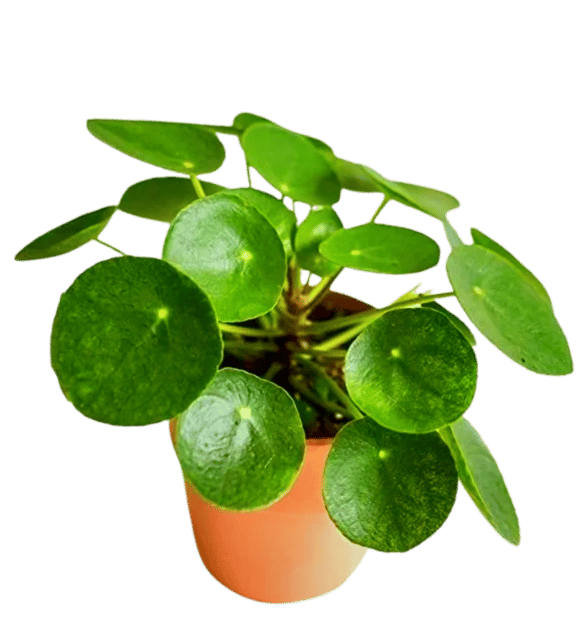
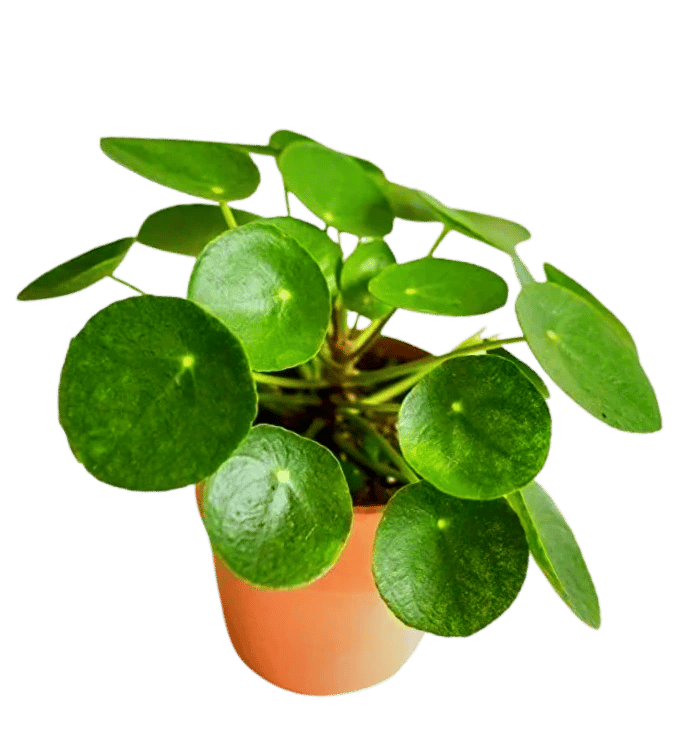
Bring a touch of nature into your home with our Chinese Money Plant, also known as the Pilea peperomioides. This indoor plant features vibrant green, round leaves that are sure to brighten up any space. The plant comes in a small terracotta pot, perfect for adding a touch of greenery to your desk, shelf, or windowsill. Easy to care for and requiring minimal maintenance, this Pilea plant is a perfect addition to any indoor garden. Bring a sense of calm and tranquility to your home with this beautiful and unique plant. This is a live plant of RAJ GARDEN PLANTS Chinese Money Plant, Pilea Peperomioides Indoor Plant here are some bullet points about the Pilea peperomioides indoor plant: Pilea peperomioides, commonly known as the Chinese Money Plant or UFO Plant, is a popular and trendy houseplant. Originating from China, it features round, pancake-like leaves on long petioles, giving it a distinctive and unique appearance. The leaves are bright green and often have a glossy texture, adding to the plant's appeal. Pilea peperomioides is known for its ease of care and is suitable for both beginners and experienced plant enthusiasts. It's often favored for its modern and minimalistic aesthetic, making it a popular choice for interior decor. The plant is believed to bring good luck and financial prosperity in some cultures, which adds to its popularity as a gift or personal plant. Pilea peperomioides can produce small, inconspicuous white or pinkish flowers in the right conditions, usually during the spring and summer. It prefers bright, indirect sunlight, making it ideal for placement on windowsills or near well-lit areas. Allow the top inch of soil to dry out before watering, and avoid overwatering to prevent root rot. Well-draining soil is essential to prevent waterlogged roots; using a pot with drainage holes helps ensure proper drainage. Pilea peperomioides is known to produce "pups" or baby plants around its base, which can be separated and propagated to grow new plants. Regularly rotating the plant helps ensure even growth and prevents it from leaning toward the light source. Fertilize the plant every 4-6 weeks during the growing season (spring and summer) with a balanced liquid fertilizer. Prune or pinch back the plant to encourage bushier growth and remove any leggy or discolored growth. It's generally a pet-friendly plant, as Pilea peperomioides is considered non-toxic to cats and dogs. Pilea peperomioides is not only charming in appearance but also relatively easy to care for, making it a delightful addition to any indoor plant collection. Pilea Peperomioides, also known as the Chinese Money Plant or Pancake Plant, is a popular indoor plant with round, coin-like leaves on long petioles. Originating from southwestern China, this plant has gained immense popularity due to its unique appearance and easy care requirements. The Pilea Peperomioides is known for its ability to produce "pups" or small offshoots, making it easy to propagate and share with others. It prefers bright, indirect light but can tolerate lower light conditions, making it suitable for various indoor environments. Ensure the plant is placed near a window with filtered sunlight or use a sheer curtain to diffuse direct sunlight. The plant should be watered moderately, allowing the top inch of the soil to dry out before watering again. Overwatering can lead to root rot. Use well-draining soil to prevent waterlogged roots and allow for proper aeration. Pilea Peperomioides is sensitive to cold temperatures, so keep it away from drafts and sudden temperature changes. Regularly dust the leaves to keep them clean and free from dust build-up, which can hinder photosynthesis. As the plant grows, you may need to rotate it occasionally to ensure even growth and prevent it from leaning toward the light source. Fertilize the plant sparingly during the growing season (spring and summer) to promote healthy growth. Prune the plant as needed to maintain its shape and remove any yellowing or damaged leaves. Pilea Peperomioides is generally non-toxic to pets, making it a safe choice for households with animals. This plant can be an excellent addition to your home decor or a thoughtful gift for plant enthusiasts due to its unique appearance and ease of care. Growing and Care Tips for Pilea Peperomioides (Chinese Money Plant or UFO Plant): 1. Light Requirements: Place your Pilea peperomioides in bright, indirect sunlight. Avoid direct sunlight, as it can scorch the leaves. Rotate the plant occasionally to ensure even growth, as it tends to lean toward the light source. 2. Temperature: Maintain temperatures between 65-75°F (18-24°C) during the growing season. It can tolerate slightly cooler temperatures in winter. 3. Soil and Potting: Use a well-draining, lightweight potting mix designed for indoor plants. Ensure the pot has drainage holes to prevent water accumulation, which can lead to root rot. 4. Watering: Allow the top inch of the soil to dry out before watering. Check the moisture level by inserting your finger into the soil. Water thoroughly when you do water, and allow excess water to drain away. Overwatering can be detrimental, so avoid letting the plant sit in soggy soil. 5. Humidity: Pilea peperomioides can tolerate average indoor humidity levels, but it may benefit from slightly higher humidity. Mist the plant occasionally or use a humidity tray to create a more humid microenvironment. 6. Fertilization: Feed your Pilea with a balanced, diluted liquid fertilizer every 4-6 weeks during the growing season (spring to early fall). Reduce or stop fertilization in the dormant winter months. 7. Pruning and Maintenance: Pinch back the growing tips to encourage bushier growth and prevent legginess. Remove any yellow or discolored leaves to maintain the plant's appearance. 8. Propagation: Pilea peperomioides produces "pups" or baby plants around its base. Gently separate these pups and plant them in their own pots with well-draining soil. Leaf cuttings can also be rooted in soil or water, although they have a lower success rate compared to pup propagation. 9. Repotting: Repot your Pilea peperomioides every 1-2 years, preferably in the spring. Choose a slightly larger pot as the plant grows. Refresh the soil during repotting to provide fresh nutrients. 10. Pest and Disease Management: Inspect your plant regularly for pests like spider mites, mealybugs, and aphids. Treat any infestations promptly with insecticidal soap or neem oil. 11. Pet and Child Safety: Pilea peperomioides is generally considered non-toxic to pets and humans. However, it's best to discourage chewing on the plant. 12. Dormancy: Pilea may have a period of slower growth during the winter months. Reduce watering and fertilization accordingly. 13. Support for Tall Stems: If your Pilea develops tall, leggy stems, you can provide support with stakes or by pinching back the tips to encourage branching. 14. Soil Mixture and Drainage: Good drainage is crucial; adding perlite or sand to your potting mix can improve aeration and drainage. 15. Avoid Drafts: Protect your Pilea from sudden temperature fluctuations or drafts, which can stress the plant. With proper care, your Pilea peperomioides can thrive and display its charming, coin-like leaves, adding a touch of greenery and joy to your indoor space. Plant Type - Fengsui, Vastu Plant Indoor/Outdoor Usage -Indoor , Shaded Open Air Brand Name- RAJ GARDEN PLANTS Material Type- Organic Live Plant Colour of Leaves- Green Special Feature- Air Purification, Decoration Expected Blooming Period- Autumn Item Weight- 320 Grams Sunlight Requirement- Partial Sun Net Quantity- 1.00 count Expected Plant Height- 12-14 Centimetres Soil Type- Clay Soil Manufacturer-RAJ GARDEN PLANTS, JODHPUR Country of Origin-India Item model number- RGPMNY Product Dimensions- 10 x 10 x 16 cm; 320 Grams
RAJ-GRD-PLN-CChoose your location
Please provide your delivery pincode to see products available in your area
COD (Cash On Delivery) On request
🎁Gift Coupons: Share your unboxing video & receive an exclusive gift coupon as a thank-you!
Share here
🚫No Claims After Repotting: If a plant is transferred to another pot and gets damaged, no claims will be accepted. Re-potting is at your own risk.
📸Unboxing Video Required: To claim a refund or replacement for any product, you must share an uncut unboxing video upon receiving the item.
⏳Raise Claim Within 24 Hours: To be eligible for any refund/replacement, raise a claim within 24 hours of delivery.(For plants only, for other categories the claim window is 5 days)
| brand | Raj Garden Plants |
Bring a touch of nature into your home with our Chinese Money Plant, also known as the Pilea peperomioides. This indoor plant features vibrant green, round leaves that are sure to brighten up any space. The plant comes in a small terracotta pot, perfect for adding a touch of greenery to your desk, shelf, or windowsill. Easy to care for and requiring minimal maintenance, this Pilea plant is a perfect addition to any indoor garden. Bring a sense of calm and tranquility to your home with this beautiful and unique plant. This is a live plant of RAJ GARDEN PLANTS Chinese Money Plant, Pilea Peperomioides Indoor Plant here are some bullet points about the Pilea peperomioides indoor plant: Pilea peperomioides, commonly known as the Chinese Money Plant or UFO Plant, is a popular and trendy houseplant. Originating from China, it features round, pancake-like leaves on long petioles, giving it a distinctive and unique appearance. The leaves are bright green and often have a glossy texture, adding to the plant's appeal. Pilea peperomioides is known for its ease of care and is suitable for both beginners and experienced plant enthusiasts. It's often favored for its modern and minimalistic aesthetic, making it a popular choice for interior decor. The plant is believed to bring good luck and financial prosperity in some cultures, which adds to its popularity as a gift or personal plant. Pilea peperomioides can produce small, inconspicuous white or pinkish flowers in the right conditions, usually during the spring and summer. It prefers bright, indirect sunlight, making it ideal for placement on windowsills or near well-lit areas. Allow the top inch of soil to dry out before watering, and avoid overwatering to prevent root rot. Well-draining soil is essential to prevent waterlogged roots; using a pot with drainage holes helps ensure proper drainage. Pilea peperomioides is known to produce "pups" or baby plants around its base, which can be separated and propagated to grow new plants. Regularly rotating the plant helps ensure even growth and prevents it from leaning toward the light source. Fertilize the plant every 4-6 weeks during the growing season (spring and summer) with a balanced liquid fertilizer. Prune or pinch back the plant to encourage bushier growth and remove any leggy or discolored growth. It's generally a pet-friendly plant, as Pilea peperomioides is considered non-toxic to cats and dogs. Pilea peperomioides is not only charming in appearance but also relatively easy to care for, making it a delightful addition to any indoor plant collection. Pilea Peperomioides, also known as the Chinese Money Plant or Pancake Plant, is a popular indoor plant with round, coin-like leaves on long petioles. Originating from southwestern China, this plant has gained immense popularity due to its unique appearance and easy care requirements. The Pilea Peperomioides is known for its ability to produce "pups" or small offshoots, making it easy to propagate and share with others. It prefers bright, indirect light but can tolerate lower light conditions, making it suitable for various indoor environments. Ensure the plant is placed near a window with filtered sunlight or use a sheer curtain to diffuse direct sunlight. The plant should be watered moderately, allowing the top inch of the soil to dry out before watering again. Overwatering can lead to root rot. Use well-draining soil to prevent waterlogged roots and allow for proper aeration. Pilea Peperomioides is sensitive to cold temperatures, so keep it away from drafts and sudden temperature changes. Regularly dust the leaves to keep them clean and free from dust build-up, which can hinder photosynthesis. As the plant grows, you may need to rotate it occasionally to ensure even growth and prevent it from leaning toward the light source. Fertilize the plant sparingly during the growing season (spring and summer) to promote healthy growth. Prune the plant as needed to maintain its shape and remove any yellowing or damaged leaves. Pilea Peperomioides is generally non-toxic to pets, making it a safe choice for households with animals. This plant can be an excellent addition to your home decor or a thoughtful gift for plant enthusiasts due to its unique appearance and ease of care. Growing and Care Tips for Pilea Peperomioides (Chinese Money Plant or UFO Plant): 1. Light Requirements: Place your Pilea peperomioides in bright, indirect sunlight. Avoid direct sunlight, as it can scorch the leaves. Rotate the plant occasionally to ensure even growth, as it tends to lean toward the light source. 2. Temperature: Maintain temperatures between 65-75°F (18-24°C) during the growing season. It can tolerate slightly cooler temperatures in winter. 3. Soil and Potting: Use a well-draining, lightweight potting mix designed for indoor plants. Ensure the pot has drainage holes to prevent water accumulation, which can lead to root rot. 4. Watering: Allow the top inch of the soil to dry out before watering. Check the moisture level by inserting your finger into the soil. Water thoroughly when you do water, and allow excess water to drain away. Overwatering can be detrimental, so avoid letting the plant sit in soggy soil. 5. Humidity: Pilea peperomioides can tolerate average indoor humidity levels, but it may benefit from slightly higher humidity. Mist the plant occasionally or use a humidity tray to create a more humid microenvironment. 6. Fertilization: Feed your Pilea with a balanced, diluted liquid fertilizer every 4-6 weeks during the growing season (spring to early fall). Reduce or stop fertilization in the dormant winter months. 7. Pruning and Maintenance: Pinch back the growing tips to encourage bushier growth and prevent legginess. Remove any yellow or discolored leaves to maintain the plant's appearance. 8. Propagation: Pilea peperomioides produces "pups" or baby plants around its base. Gently separate these pups and plant them in their own pots with well-draining soil. Leaf cuttings can also be rooted in soil or water, although they have a lower success rate compared to pup propagation. 9. Repotting: Repot your Pilea peperomioides every 1-2 years, preferably in the spring. Choose a slightly larger pot as the plant grows. Refresh the soil during repotting to provide fresh nutrients. 10. Pest and Disease Management: Inspect your plant regularly for pests like spider mites, mealybugs, and aphids. Treat any infestations promptly with insecticidal soap or neem oil. 11. Pet and Child Safety: Pilea peperomioides is generally considered non-toxic to pets and humans. However, it's best to discourage chewing on the plant. 12. Dormancy: Pilea may have a period of slower growth during the winter months. Reduce watering and fertilization accordingly. 13. Support for Tall Stems: If your Pilea develops tall, leggy stems, you can provide support with stakes or by pinching back the tips to encourage branching. 14. Soil Mixture and Drainage: Good drainage is crucial; adding perlite or sand to your potting mix can improve aeration and drainage. 15. Avoid Drafts: Protect your Pilea from sudden temperature fluctuations or drafts, which can stress the plant. With proper care, your Pilea peperomioides can thrive and display its charming, coin-like leaves, adding a touch of greenery and joy to your indoor space. Plant Type - Fengsui, Vastu Plant Indoor/Outdoor Usage -Indoor , Shaded Open Air Brand Name- RAJ GARDEN PLANTS Material Type- Organic Live Plant Colour of Leaves- Green Special Feature- Air Purification, Decoration Expected Blooming Period- Autumn Item Weight- 320 Grams Sunlight Requirement- Partial Sun Net Quantity- 1.00 count Expected Plant Height- 12-14 Centimetres Soil Type- Clay Soil Manufacturer-RAJ GARDEN PLANTS, JODHPUR Country of Origin-India Item model number- RGPMNY Product Dimensions- 10 x 10 x 16 cm; 320 Grams
Products listed on Paudhewale.com are provided by individual sellers. We recommend referring to the product label before use. Paudhewale.com is not liable for any loss arising from misuse of products sold on our platform.
![Gift Succulent Tray, Succulent Tray, Succulent Gift Basket [RAJ GARDEN PLANTS]](https://www.paudhewale.com/s/660a356584d1ac2391ae69de/6a0b05eaf5202f0eb7da0ae0/20220117_130338percent20copy-0001-640x640.jpg "Gift Succulent Tray, Succulent Tray, Succulent Gift Basket [RAJ GARDEN PLANTS]")
![Ready To Use Plant Soil For Adenium Plants, Adenium Soil, Adenium Mitti. Adenum Grower Soil. Purna Mitti. Adenium Bloomer Soil [RAJ GARDEN PLANTS]](https://www.paudhewale.com/s/660a356584d1ac2391ae69de/6a0b0a1f564f25b03cb87c4c/57_original-640x640.jpg "Ready To Use Plant Soil For Adenium Plants, Adenium Soil, Adenium Mitti. Adenum Grower Soil. Purna Mitti. Adenium Bloomer Soil [RAJ GARDEN PLANTS]")
![Marigold Flower Plants, Genda, Hazari Phool Plant, Genda Flower Plant [RAJ GARDEN PLANTS]](https://www.paudhewale.com/s/660a356584d1ac2391ae69de/6a0b0a13affb47165e7b7a66/62_original-640x640.jpg "Marigold Flower Plants, Genda, Hazari Phool Plant, Genda Flower Plant [RAJ GARDEN PLANTS]")
![Kashmiri Rose Flower Plant [RAJ GARDEN PLANTS]](https://www.paudhewale.com/s/660a356584d1ac2391ae69de/6a0b09eddfcd906f30514fa4/83_original-640x640.jpg "Kashmiri Rose Flower Plant [RAJ GARDEN PLANTS]")
![Salvadora persica Plant, Miswak Plant, Khari Jaal , Peelu Plant, Salvadora Persica [RAJ GARDEN PLANTS]](https://www.paudhewale.com/s/660a356584d1ac2391ae69de/6a0b07ad8195e488a2de2330/salvadora-640x640.jpg "Salvadora persica Plant, Miswak Plant, Khari Jaal , Peelu Plant, Salvadora Persica [RAJ GARDEN PLANTS]")
![Rajni Gandha Double dwarf Flower bulb pack of 2 [RAJ GARDEN PLANTS]](https://www.paudhewale.com/s/660a356584d1ac2391ae69de/6a0b071f9beb607fbcf720ba/blob-9dab8e4-640x640.png "Rajni Gandha Double dwarf Flower bulb pack of 2 [RAJ GARDEN PLANTS]")
![[Plants Glory] Centella Asiatica Brahmi Big Leaf Herbs Plant](https://www.paudhewale.com/s/660a356584d1ac2391ae69de/6a0ae52f557c79ea33ba76e4/13753__1766832119342_6c1grpj4j4fl5pi-640x640.jpg "[Plants Glory] Centella Asiatica Brahmi Big Leaf Herbs Plant")
![[Plants Glory] Miniature Hibiscus Flower Plant Red](https://www.paudhewale.com/s/660a356584d1ac2391ae69de/6a0adcc694893ac90bfec51e/20018__1766832138812_a7roqgi55mbhlr7-640x640.jpg "[Plants Glory] Miniature Hibiscus Flower Plant Red")
![[Plants Glory] Tecoma Flower Plant Yellow](https://www.paudhewale.com/s/660a356584d1ac2391ae69de/6a0adba4ace6665ca11c7c21/14660__1766832123899_gxl9bxqfvfv10wt-640x640.jpg "[Plants Glory] Tecoma Flower Plant Yellow")
![[Plants Glory] Lantern Hibiscus Flower Plant Pink (PG-100734)](https://www.paudhewale.com/s/660a356584d1ac2391ae69de/6a0adb43557c79ea33ba3268/20497__1766832143431_pf4cylyzrdy062n-640x640.webp "[Plants Glory] Lantern Hibiscus Flower Plant Pink (PG-100734)")