
![Vajradanti White Flower Live Plant वज्रदंती, Katsaraiya, Piyabansa, Barleria cristata Alba, kuranta [RAJ GARDEN PLANTS]](https://www.paudhewale.com/s/660a356584d1ac2391ae69de/6a0b0966affb47165e7b713c/67_original-640x640.jpg "Vajradanti White Flower Live Plant वज्रदंती, Katsaraiya, Piyabansa, Barleria cristata Alba, kuranta [RAJ GARDEN PLANTS]")
₹1,001₹300
![Karanj Live Plant, Pongamia pinnata Live Plant, Sukh Chain Plant [RAJ GARDEN PLANTS]](https://www.paudhewale.com/s/660a356584d1ac2391ae69de/6a0b090029066cbeeb4ba833/36_original-640x640.jpg "Karanj Live Plant, Pongamia pinnata Live Plant, Sukh Chain Plant [RAJ GARDEN PLANTS]")
₹1,001₹258
![Alubukhara Live Plant, Plum Fruit Plant, Prunus domestica [RAJ GARDEN PLANTS]](https://www.paudhewale.com/s/660a356584d1ac2391ae69de/6a0b08ed564f25b03cb86c82/40_original-640x640.jpg "Alubukhara Live Plant, Plum Fruit Plant, Prunus domestica [RAJ GARDEN PLANTS]")
₹1,001₹606
![Bougainvillea Dark Pink Flower Live Plant [RAJ GARDEN PLANTS]](https://www.paudhewale.com/s/660a356584d1ac2391ae69de/6a0b06a929066cbeeb4b94d2/blob-ec57636.png)
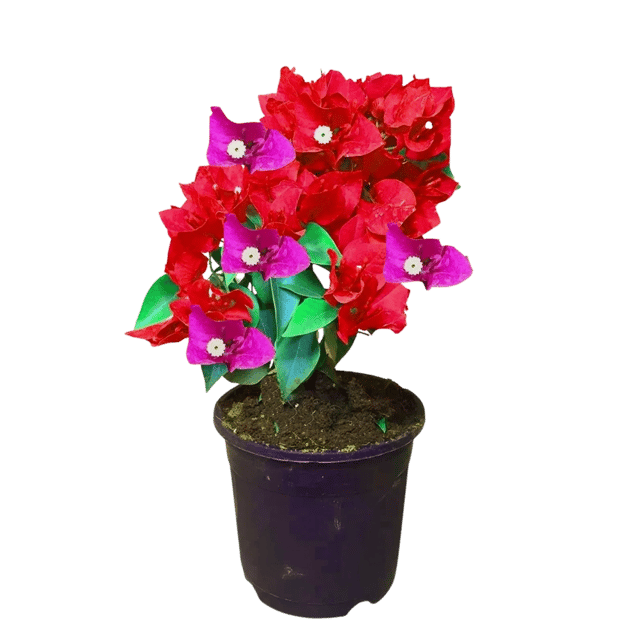
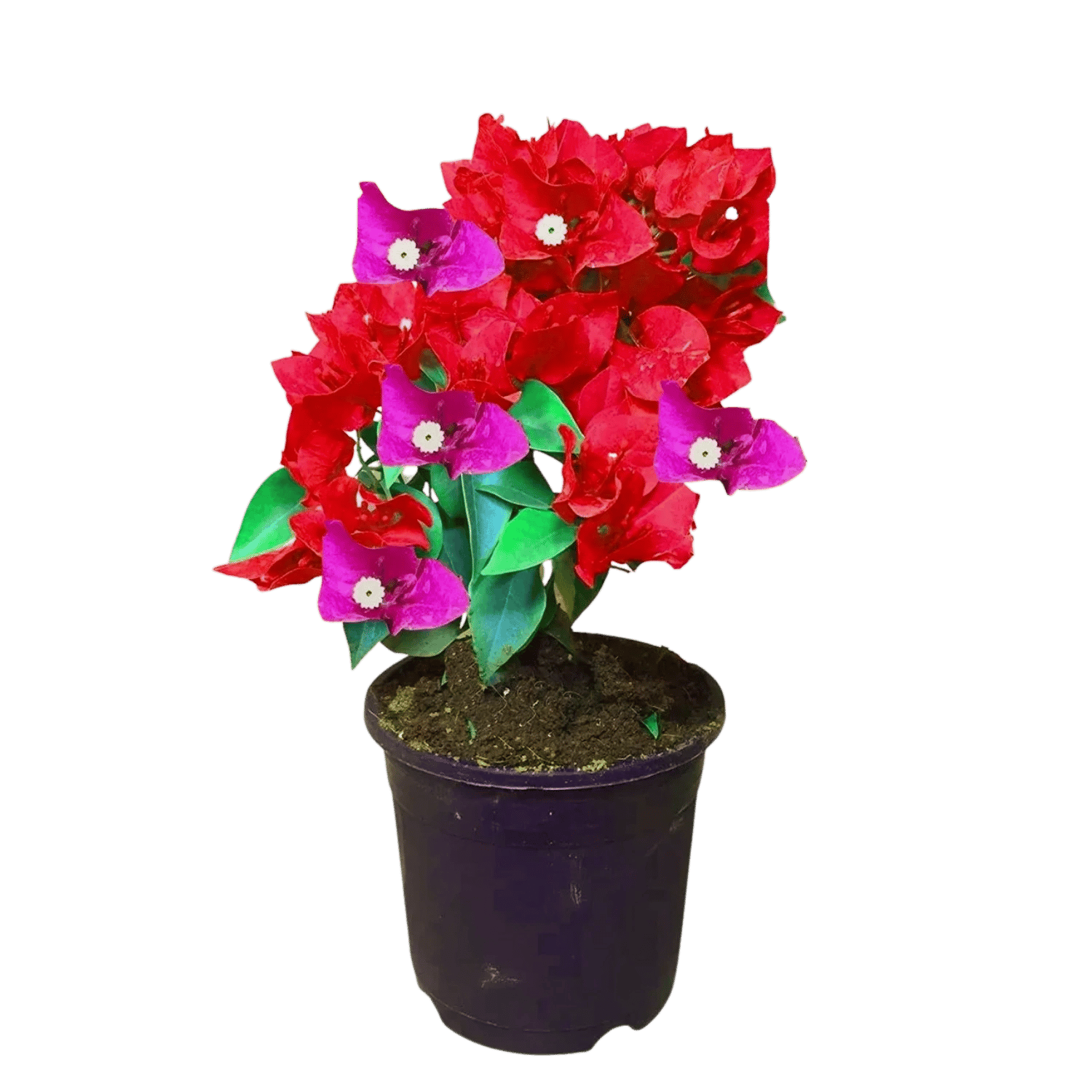
This is a live plant of RAJ GARDEN PLANTS Bougainvillea Dark Pink Flower Live Plant Bougainvillea: Key Points and Care Guidelines Vibrant Colors : Bougainvillea is renowned for its dazzling and colorful bracts, which surround small, inconspicuous flowers. Climbing Beauty : Often grown as a climbing vine, bougainvillea can be trained to cover fences, walls, and trellises. Sunlight : Thrives in full sun, requiring at least 6 hours of direct sunlight daily for optimal growth and prolific flowering. Soil : Well-draining soil is essential to prevent waterlogged roots and promote healthy growth. Watering : Allow the soil to dry between waterings. Water deeply when the top inch of soil is dry. Pruning : Regular pruning encourages branching, shapes the plant, and stimulates more abundant flowering. Thorns : Some bougainvillea varieties have thorns, so take care when handling and pruning. Fertilization : Feed with a balanced, bloom-boosting fertilizer during the active growing season (spring and summer). Pest and Disease : Watch for pests like aphids, mealybugs, and whiteflies. Treat infestations promptly with insecticidal soap. Container Gardening : Suitable for container cultivation, especially in colder climates. Choose a large pot with good drainage. Overwintering : Protect from frost and cold temperatures. Bring potted bougainvillea indoors or cover plants during winter. Training : Attach the vines to a trellis or support system to guide growth and prevent damage from wind. Colors : Bougainvillea comes in various colors, including shades of pink, purple, red, orange, and white. Drought Tolerance : Established plants are somewhat drought-tolerant, but consistent watering is crucial for optimal growth and flowering. Landscaping : Use as a focal point, hedge, or cascading display in gardens and landscapes. Caution : Some parts of the plant can be toxic if ingested, so keep it out of reach of pets and children. Propagation : Bougainvillea can be propagated from cuttings. Allow cuttings to dry before planting in well-draining soil. Cultural Significance : In addition to its ornamental value, bougainvillea holds cultural significance in some regions where it's grown. Native Origin : Bougainvillea is named after French explorer Louis Antoine de Bougainvillea and is native to South America. Remember, while bougainvillea is a stunning addition to gardens and landscapes, it requires proper care and attention to thrive and produce its signature vibrant bracts. Adapt these guidelines to your local conditions for the best results. Bougainvillea is a tropical and subtropical flowering plant known for its vibrant and colorful bracts, which surround small, inconspicuous flowers. The bracts of Bougainvillea come in various hues, including shades of pink, magenta, purple, red, orange, white, and yellow, adding a splash of color to landscapes and gardens. It is a climbing or trailing vine that can be trained to grow on fences, walls, trellises, and arbors, creating a striking visual display. Bougainvillea is a sun-loving plant that thrives in full sunlight, requiring at least six hours of direct sunlight daily for abundant flowering. The plant prefers well-draining soil and is relatively drought-tolerant once established, making it suitable for dry and arid climates. Bougainvillea requires regular pruning to maintain its shape and promote flowering, and it is best pruned after the blooming season. It is commonly used in landscaping for its ability to provide privacy, add color to landscapes, and create beautiful flowering hedges. Bougainvillea is a resilient plant and can tolerate salt spray, making it suitable for coastal gardens and landscapes. Propagation can be done through stem cuttings, making it easy to create new plants from existing ones. While generally low-maintenance, Bougainvillea may be susceptible to pests like aphids and caterpillars, and it may require occasional treatment to keep pests at bay. Growing and Care Tips for Bougainvillea: Sunlight Requirements : Plant bougainvillea in a location that receives full sun for most of the day, at least 6-8 hours of direct sunlight. Soil Preparation : Use well-draining soil with good aeration. A mix of potting soil, perlite, and sand works well. Ensure proper drainage to prevent waterlogged roots. Watering : Water the plant thoroughly when the top inch of soil feels dry. Allow the soil to dry out slightly between waterings, but don't let it become bone dry. Reduce watering during the cooler months and the plant's dormant period. Pruning and Training : Regular pruning helps shape the plant and encourages more flowering. Remove dead or spent flowers to promote continuous blooming. Train the vines by attaching them to a trellis, wall, or support to control growth and prevent wind damage. Fertilization : Feed your bougainvillea with a balanced, slow-release fertilizer high in potassium and phosphorus to encourage flowering. Apply fertilizer every 4-6 weeks during the growing season (spring through early fall). Pest and Disease Control : Keep an eye out for common pests like aphids, whiteflies, and mealybugs. Treat infestations promptly with insecticidal soap or neem oil. Maintain good air circulation around the plant to prevent fungal diseases. Mulching : Apply a layer of organic mulch around the base of the plant to help retain soil moisture and regulate temperature. Container Gardening : Bougainvillea can be grown in containers, making it suitable for patios or balconies. Choose a large container with good drainage and repot every 2-3 years to refresh the soil. Winter Protection : Bougainvillea is sensitive to frost. If you live in a colder climate, consider growing it in a container that can be brought indoors during winter. Provide frost protection by covering the plant or moving it to a sheltered location. Propagation : Bougainvillea can be propagated from stem cuttings. Take 6-8 inch cuttings and root them in well-draining soil. Caution : Bougainvillea plants may have thorns, so be cautious when handling and pruning. Native Varieties and Climate : Choose bougainvillea varieties that are well-suited to your climate. Some varieties are more tolerant of cooler temperatures than others. Regular Monitoring : Keep an eye on your bougainvillea for signs of stress, pests, or diseases. Early detection and intervention can prevent problems from escalating. Patience : Bougainvillea may take some time to establish and start blooming after planting. Be patient, as it rewards with stunning displays once it matures. By following these care tips and adapting them to your specific growing conditions, you can enjoy the vibrant and colorful beauty of bougainvillea in your garden or landscape.
RAJ-GRD-PLN-BGNChoose your location
Please provide your delivery pincode to see products available in your area
COD (Cash On Delivery) On request
🎁Gift Coupons: Share your unboxing video & receive an exclusive gift coupon as a thank-you!
Share here
🚫No Claims After Repotting: If a plant is transferred to another pot and gets damaged, no claims will be accepted. Re-potting is at your own risk.
📸Unboxing Video Required: To claim a refund or replacement for any product, you must share an uncut unboxing video upon receiving the item.
⏳Raise Claim Within 24 Hours: To be eligible for any refund/replacement, raise a claim within 24 hours of delivery.(For plants only, for other categories the claim window is 5 days)
| brand | Raj Garden Plants |
This is a live plant of RAJ GARDEN PLANTS Bougainvillea Dark Pink Flower Live Plant Bougainvillea: Key Points and Care Guidelines Vibrant Colors : Bougainvillea is renowned for its dazzling and colorful bracts, which surround small, inconspicuous flowers. Climbing Beauty : Often grown as a climbing vine, bougainvillea can be trained to cover fences, walls, and trellises. Sunlight : Thrives in full sun, requiring at least 6 hours of direct sunlight daily for optimal growth and prolific flowering. Soil : Well-draining soil is essential to prevent waterlogged roots and promote healthy growth. Watering : Allow the soil to dry between waterings. Water deeply when the top inch of soil is dry. Pruning : Regular pruning encourages branching, shapes the plant, and stimulates more abundant flowering. Thorns : Some bougainvillea varieties have thorns, so take care when handling and pruning. Fertilization : Feed with a balanced, bloom-boosting fertilizer during the active growing season (spring and summer). Pest and Disease : Watch for pests like aphids, mealybugs, and whiteflies. Treat infestations promptly with insecticidal soap. Container Gardening : Suitable for container cultivation, especially in colder climates. Choose a large pot with good drainage. Overwintering : Protect from frost and cold temperatures. Bring potted bougainvillea indoors or cover plants during winter. Training : Attach the vines to a trellis or support system to guide growth and prevent damage from wind. Colors : Bougainvillea comes in various colors, including shades of pink, purple, red, orange, and white. Drought Tolerance : Established plants are somewhat drought-tolerant, but consistent watering is crucial for optimal growth and flowering. Landscaping : Use as a focal point, hedge, or cascading display in gardens and landscapes. Caution : Some parts of the plant can be toxic if ingested, so keep it out of reach of pets and children. Propagation : Bougainvillea can be propagated from cuttings. Allow cuttings to dry before planting in well-draining soil. Cultural Significance : In addition to its ornamental value, bougainvillea holds cultural significance in some regions where it's grown. Native Origin : Bougainvillea is named after French explorer Louis Antoine de Bougainvillea and is native to South America. Remember, while bougainvillea is a stunning addition to gardens and landscapes, it requires proper care and attention to thrive and produce its signature vibrant bracts. Adapt these guidelines to your local conditions for the best results. Bougainvillea is a tropical and subtropical flowering plant known for its vibrant and colorful bracts, which surround small, inconspicuous flowers. The bracts of Bougainvillea come in various hues, including shades of pink, magenta, purple, red, orange, white, and yellow, adding a splash of color to landscapes and gardens. It is a climbing or trailing vine that can be trained to grow on fences, walls, trellises, and arbors, creating a striking visual display. Bougainvillea is a sun-loving plant that thrives in full sunlight, requiring at least six hours of direct sunlight daily for abundant flowering. The plant prefers well-draining soil and is relatively drought-tolerant once established, making it suitable for dry and arid climates. Bougainvillea requires regular pruning to maintain its shape and promote flowering, and it is best pruned after the blooming season. It is commonly used in landscaping for its ability to provide privacy, add color to landscapes, and create beautiful flowering hedges. Bougainvillea is a resilient plant and can tolerate salt spray, making it suitable for coastal gardens and landscapes. Propagation can be done through stem cuttings, making it easy to create new plants from existing ones. While generally low-maintenance, Bougainvillea may be susceptible to pests like aphids and caterpillars, and it may require occasional treatment to keep pests at bay. Growing and Care Tips for Bougainvillea: Sunlight Requirements : Plant bougainvillea in a location that receives full sun for most of the day, at least 6-8 hours of direct sunlight. Soil Preparation : Use well-draining soil with good aeration. A mix of potting soil, perlite, and sand works well. Ensure proper drainage to prevent waterlogged roots. Watering : Water the plant thoroughly when the top inch of soil feels dry. Allow the soil to dry out slightly between waterings, but don't let it become bone dry. Reduce watering during the cooler months and the plant's dormant period. Pruning and Training : Regular pruning helps shape the plant and encourages more flowering. Remove dead or spent flowers to promote continuous blooming. Train the vines by attaching them to a trellis, wall, or support to control growth and prevent wind damage. Fertilization : Feed your bougainvillea with a balanced, slow-release fertilizer high in potassium and phosphorus to encourage flowering. Apply fertilizer every 4-6 weeks during the growing season (spring through early fall). Pest and Disease Control : Keep an eye out for common pests like aphids, whiteflies, and mealybugs. Treat infestations promptly with insecticidal soap or neem oil. Maintain good air circulation around the plant to prevent fungal diseases. Mulching : Apply a layer of organic mulch around the base of the plant to help retain soil moisture and regulate temperature. Container Gardening : Bougainvillea can be grown in containers, making it suitable for patios or balconies. Choose a large container with good drainage and repot every 2-3 years to refresh the soil. Winter Protection : Bougainvillea is sensitive to frost. If you live in a colder climate, consider growing it in a container that can be brought indoors during winter. Provide frost protection by covering the plant or moving it to a sheltered location. Propagation : Bougainvillea can be propagated from stem cuttings. Take 6-8 inch cuttings and root them in well-draining soil. Caution : Bougainvillea plants may have thorns, so be cautious when handling and pruning. Native Varieties and Climate : Choose bougainvillea varieties that are well-suited to your climate. Some varieties are more tolerant of cooler temperatures than others. Regular Monitoring : Keep an eye on your bougainvillea for signs of stress, pests, or diseases. Early detection and intervention can prevent problems from escalating. Patience : Bougainvillea may take some time to establish and start blooming after planting. Be patient, as it rewards with stunning displays once it matures. By following these care tips and adapting them to your specific growing conditions, you can enjoy the vibrant and colorful beauty of bougainvillea in your garden or landscape.
Products listed on Paudhewale.com are provided by individual sellers. We recommend referring to the product label before use. Paudhewale.com is not liable for any loss arising from misuse of products sold on our platform.
![Cylindropuntia Fulgida Cactus Plant, Cactus Plants [RAJ GARDEN PLANTS]](https://www.paudhewale.com/s/660a356584d1ac2391ae69de/6a0b07c97f594ee093191107/713vvuyyxxl-_sl1500_-640x640.jpg "Cylindropuntia Fulgida Cactus Plant, Cactus Plants [RAJ GARDEN PLANTS]")
![Cardamom Live Plant, lyachi Plant, Cardamom Plants [RAJ GARDEN PLANTS]](https://www.paudhewale.com/s/660a356584d1ac2391ae69de/6a0b079c7f594ee093190fbf/cardamom-640x640.jpg "Cardamom Live Plant, lyachi Plant, Cardamom Plants [RAJ GARDEN PLANTS]")
![Jayfal Live Plant, Nutmeg Plant, Myristica fragrans [RAJ GARDEN PLANTS]](https://www.paudhewale.com/s/660a356584d1ac2391ae69de/6a0b07989beb607fbcf72393/jayfal-640x640.jpg "Jayfal Live Plant, Nutmeg Plant, Myristica fragrans [RAJ GARDEN PLANTS]")
![Kadam Live Plant, Neolamarckia cadamba, Burflower Tree, Laran, Leichhardt pine - RKH-PDH-KDM-LV [RAJ GARDEN PLANTS]](https://www.paudhewale.com/s/660a356584d1ac2391ae69de/6a0b078c0ad03c5dc1f99991/99_original-640x640.jpg "Kadam Live Plant, Neolamarckia cadamba, Burflower Tree, Laran, Leichhardt pine - RKH-PDH-KDM-LV [RAJ GARDEN PLANTS]")
![Ficus Benjamina Plant, Weeping Fig, Benjamin Fig Plant [RAJ GARDEN PLANTS]](https://www.paudhewale.com/s/660a356584d1ac2391ae69de/6a0b074a257b56094e7d3b75/blob-625dfd0-640x640.png "Ficus Benjamina Plant, Weeping Fig, Benjamin Fig Plant [RAJ GARDEN PLANTS]")
![Cereus Fairy Castle Cactus Plant [RAJ GARDEN PLANTS]](https://www.paudhewale.com/s/660a356584d1ac2391ae69de/6a0b062570fde925001dec91/blob-bbc5495-640x640.png "Cereus Fairy Castle Cactus Plant [RAJ GARDEN PLANTS]")
![Kantakari, Solanum xanthocarpum Seeds (Pack of 25 Seeds) [RAJ GARDEN PLANTS]](https://www.paudhewale.com/s/660a356584d1ac2391ae69de/6a0b09ffaffb47165e7b78bf/70_original-640x640.jpg "Kantakari, Solanum xanthocarpum Seeds (Pack of 25 Seeds) [RAJ GARDEN PLANTS]")
![Shami Live Plant, Prosopis Cineraria, Shani Dosh Niwarak Plant [RAJ GARDEN PLANTS]](https://www.paudhewale.com/s/660a356584d1ac2391ae69de/6a0b09fb0ad03c5dc1f9b221/75_original-640x640.jpg "Shami Live Plant, Prosopis Cineraria, Shani Dosh Niwarak Plant [RAJ GARDEN PLANTS]")
![Crassula Live Plant, Crasulla Plant, Crasula Plant, Jade Plant, Good Luck Plant, Chinese Fengshui Money Plant [RAJ GARDEN PLANTS]](https://www.paudhewale.com/s/660a356584d1ac2391ae69de/6a0b09df0ad03c5dc1f9b00f/blob-f9e5cd3-640x640.png "Crassula Live Plant, Crasulla Plant, Crasula Plant, Jade Plant, Good Luck Plant, Chinese Fengshui Money Plant [RAJ GARDEN PLANTS]")
![Adenium Soil, Adenium Mitti. Adenum Grower Soil. Purna Mitti. Adenium Bloomer Soil [RAJ GARDEN PLANTS]](https://www.paudhewale.com/s/660a356584d1ac2391ae69de/6a0b099d8195e488a2de37da/adeniumpercent20soil-640x640.jpg "Adenium Soil, Adenium Mitti. Adenum Grower Soil. Purna Mitti. Adenium Bloomer Soil [RAJ GARDEN PLANTS]")
![Kuberakshi Money Plant, Lucky Plant, Friendship Plant,Crassula Ovata, C.portulacea, C.argentea [RAJ GARDEN PLANTS]](https://www.paudhewale.com/s/660a356584d1ac2391ae69de/6a0b0879affb47165e7b6628/kuberakshi-640x640.jpg "Kuberakshi Money Plant, Lucky Plant, Friendship Plant,Crassula Ovata, C.portulacea, C.argentea [RAJ GARDEN PLANTS]")
![Euphorbia Milii ,Crown of Thorns, Christ Thorn Live Plant [RAJ GARDEN PLANTS]](https://www.paudhewale.com/s/660a356584d1ac2391ae69de/6a0b07f3dfcd906f30513c13/euphorbia-640x640.jpg "Euphorbia Milii ,Crown of Thorns, Christ Thorn Live Plant [RAJ GARDEN PLANTS]")
![Dancing Bones Cactus Plant, Hatiora Salicornioides, Drunkard’s Dream, Spice Cactus, Bottle Cactus [RAJ GARDEN PLANTS]](https://www.paudhewale.com/s/660a356584d1ac2391ae69de/6a0b067c054cc3ad7e3fcc18/blob-05bc829-640x640.png "Dancing Bones Cactus Plant, Hatiora Salicornioides, Drunkard’s Dream, Spice Cactus, Bottle Cactus [RAJ GARDEN PLANTS]")
![Broken Heart Philodendron Indoor Plant , Monstera Adansonii, Swiss Cheese Vine [RAJ GARDEN PLANTS]](https://www.paudhewale.com/s/660a356584d1ac2391ae69de/6a0b0639d3315fc600038a6e/blob-d3a61a3-640x640.png "Broken Heart Philodendron Indoor Plant , Monstera Adansonii, Swiss Cheese Vine [RAJ GARDEN PLANTS]")
![[Plants Glory] Fingure Lemon Grafted & Hybrid Fruit Plant](https://www.paudhewale.com/s/660a356584d1ac2391ae69de/6a0ae3445b6a58733ce3afa0/21814__1766832140141_evjgg8kc2etz9jo-640x640.webp "[Plants Glory] Fingure Lemon Grafted & Hybrid Fruit Plant")
![[Plants Glory] Bhringraj Herbal & Mediclinal Plant](https://www.paudhewale.com/s/660a356584d1ac2391ae69de/6a0ae119557c79ea33ba5573/17695__1766832130809_oiuy7tsu0kjxvtb-640x640.jpg "[Plants Glory] Bhringraj Herbal & Mediclinal Plant")
![[Plants Glory] Tecoma Flower Plant Purple](https://www.paudhewale.com/s/660a356584d1ac2391ae69de/6a0add6b29ab20ee483b5c76/14655__1766832127228_ss3f6eebdtz1hkt-640x640.jpg "[Plants Glory] Tecoma Flower Plant Purple")
![[Plants Glory] American Grafted Hibiscus Flower Plant](https://www.paudhewale.com/s/660a356584d1ac2391ae69de/6a0adcc36450d5a4b4d1bd31/24435__1766832151908_1ab7zazpqm10vjn-640x640.webp "[Plants Glory] American Grafted Hibiscus Flower Plant")
![[Plants Glory] Hibiscus Flower Plant White](https://www.paudhewale.com/s/660a356584d1ac2391ae69de/6a0adcbf5b6a58733ce38352/19995__1766832131950_r5yagqxyfb4mp9e-640x640.jpg "[Plants Glory] Hibiscus Flower Plant White")
![[Plants Glory] Brilliant Tropical Hibiscus Live Plant Red](https://www.paudhewale.com/s/660a356584d1ac2391ae69de/6a0adc1a3eced8c254d8a15f/23936__1766832149321_zgoarewj9pbhmvv-640x640.jpg "[Plants Glory] Brilliant Tropical Hibiscus Live Plant Red")
![[Plants Glory] Rosasinensis Hibiscus Flower Plant Yellow](https://www.paudhewale.com/s/660a356584d1ac2391ae69de/6a0adb9529ab20ee483b51ea/23930__1766832154816_prolnba1z2qs3tf-640x640.jpg "[Plants Glory] Rosasinensis Hibiscus Flower Plant Yellow")
![[Plants Glory] Lantern Hibiscus Flower Plant Pink (PG-100726)](https://www.paudhewale.com/s/660a356584d1ac2391ae69de/6a0adb2c9ad4e2a4340284d1/14463__1766832107698_eymyirmlbjtfd4e-640x640.jpg "[Plants Glory] Lantern Hibiscus Flower Plant Pink (PG-100726)")
![[Plants Glory] Lantern Hibiscus Flower Plant Tiger Shape](https://www.paudhewale.com/s/660a356584d1ac2391ae69de/6a0adb1a6c06efef4f6144cb/1129__1766832088326_289i4ivabemq39r-640x640.jpg "[Plants Glory] Lantern Hibiscus Flower Plant Tiger Shape")