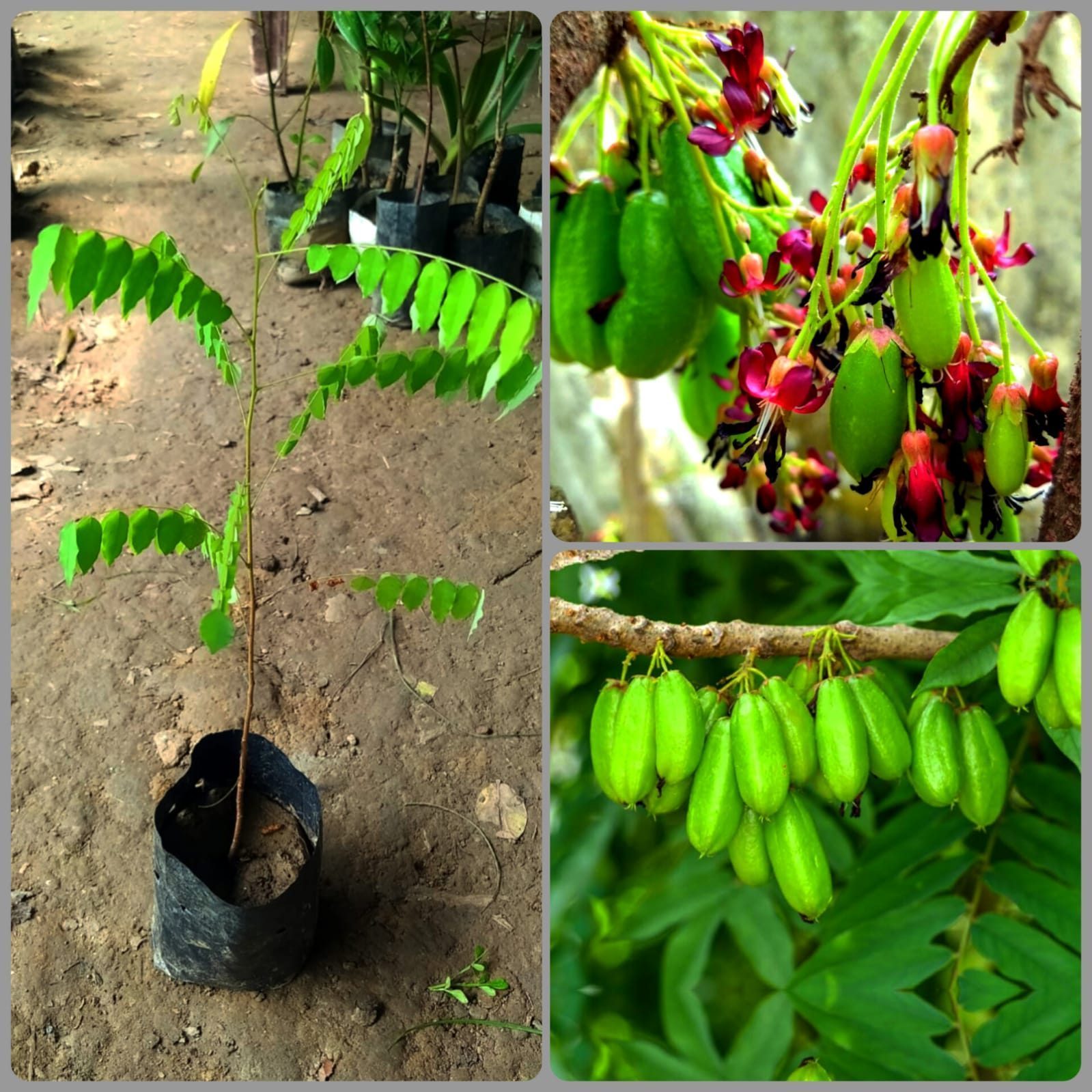
The Bilimbi Plant (Averrhoa bilimbi) is a premium sapling variety known for producing tangy, green fruits that resemble cucumbers. This tropical fruit plant is admired for its high yield , deliciously sour fruits , and…
The Bilimbi Plant (Averrhoa bilimbi) is a premium sapling variety known for producing tangy, green fruits that resemble cucumbers. This tropical fruit plant is admired for its high yield, deliciously sour fruits, and quick growth. The Bilimbi Plant thrives in small gardens, terraces, and pots, making it perfect for urban gardeners looking to grow something unique. With minimal care and quick fruiting, you can enjoy fresh, homegrown bilimbis in no time.
WHAT YOU GET
-
1 Healthy Bilimbi Plant Sapling
-
Sapling variety for easier planting and quicker growth
-
Plant height: 8 inches to 1 foot
-
Ideal for pots, terraces, and small gardens
KEY FEATURES
-
Tropical fruit plant producing tangy, green bilimbis
-
Fast-growing, perfect for small spaces and urban gardens
-
Sapling for easier handling, quick planting, and better growth
-
Thrives in full sunlight or partial shade
-
Low-maintenance, perfect for beginners and busy gardeners
-
Delicious bilimbis perfect for fresh eating, pickling, or adding to dishes
PLANTING & CARE
-
Plant in a sunny spot with at least 6 hours of sunlight daily.
-
Use well-draining soil, enriched with organic compost for best growth.
-
Water regularly (2–3 times per week), ensuring the soil stays moist but not waterlogged.
-
Feed monthly with organic compost or balanced fertilizer for optimal growth.
-
Lightly prune to encourage branching and better fruit production.
-
Protect young plants from strong winds during early growth stages.
BENEFITS & USES
-
Tangy bilimbis perfect for fresh eating, pickling, or adding to dishes
-
Rich in vitamins, antioxidants, and essential nutrients
-
Low-maintenance, making it easy for beginners to grow
-
Perfect for small gardens, terraces, or balcony spaces
-
Great gift for fruit lovers and gardening enthusiasts
DISCLAIMER
Plant size and fruit yield may vary depending on seasonal and environmental conditions.