

![Chinese Orange Live Plant; Calamondin Orange, China Orange, Lemonish Orange [RAJ GARDEN PLANTS]](https://www.paudhewale.com/s/660a356584d1ac2391ae69de/6a0b0a09564f25b03cb87a3b/63_original-640x640.jpg "Chinese Orange Live Plant; Calamondin Orange, China Orange, Lemonish Orange [RAJ GARDEN PLANTS]")
![Crassula Live Plant, Crasulla Plant, Crasula Plant, Jade Plant, Good Luck Plant, Chinese Fengshui Money Plant [RAJ GARDEN PLANTS]](https://www.paudhewale.com/s/660a356584d1ac2391ae69de/6a0b09df0ad03c5dc1f9b00f/blob-f9e5cd3-640x640.png "Crassula Live Plant, Crasulla Plant, Crasula Plant, Jade Plant, Good Luck Plant, Chinese Fengshui Money Plant [RAJ GARDEN PLANTS]")
![Hadjod Plant, Cissus Quadrangularis , Asthisamharaka Plant, अस्थिसंहार,हड्डीजोड़, हड़जोड़ [RAJ GARDEN PLANTS]](https://www.paudhewale.com/s/660a356584d1ac2391ae69de/6a0b082e921035dc2b8bc2fe/blob-c8a6669-640x640.png "Hadjod Plant, Cissus Quadrangularis , Asthisamharaka Plant, अस्थिसंहार,हड्डीजोड़, हड़जोड़ [RAJ GARDEN PLANTS]")
![Dragon Fruit Plants( 5 Plants) - Bulk Order [RAJ GARDEN PLANTS]](https://www.paudhewale.com/s/660a356584d1ac2391ae69de/6a0b07aa921035dc2b8bbe71/dragonpercent20fruitpercent20plant-640x640.jpg "Dragon Fruit Plants( 5 Plants) - Bulk Order [RAJ GARDEN PLANTS]")
₹250
![Decorative Fancy Pots for Plants (Set of 10 Pots) [RAJ GARDEN PLANTS]](https://www.paudhewale.com/s/660a356584d1ac2391ae69de/6a0b07a7affb47165e7b5e76/pot-640x640.jpg "Decorative Fancy Pots for Plants (Set of 10 Pots) [RAJ GARDEN PLANTS]")
₹751
![Adenium Red (Pinkish ) Flower Live Plant [RAJ GARDEN PLANTS]](https://www.paudhewale.com/s/660a356584d1ac2391ae69de/6a0b07758b1b0bb8c7c7bc9e/54_original-640x640.jpg "Adenium Red (Pinkish ) Flower Live Plant [RAJ GARDEN PLANTS]")
₹1,001₹260
![Bhoomi Amla, Phyllanthus niruri Live Plant, Bhui Amla, Tamalaki, Phyllanthus Niruri Living Plant [RAJ GARDEN PLANTS]](https://www.paudhewale.com/s/660a356584d1ac2391ae69de/6a0b09070beb2152c0e07f67/34_original.jpg)
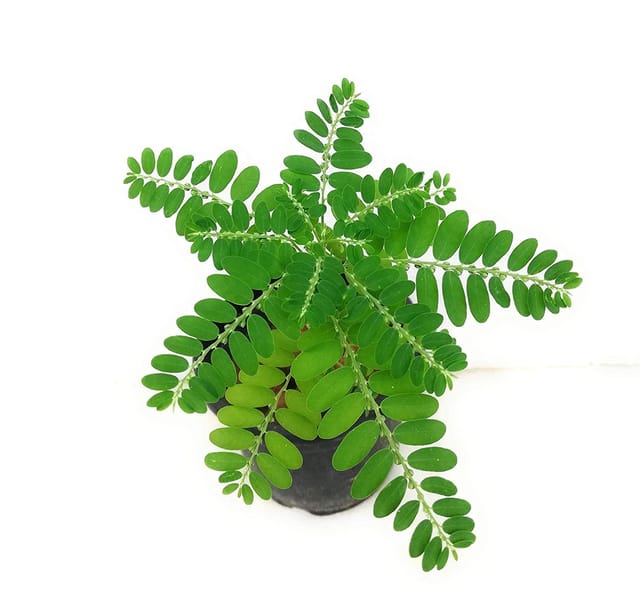
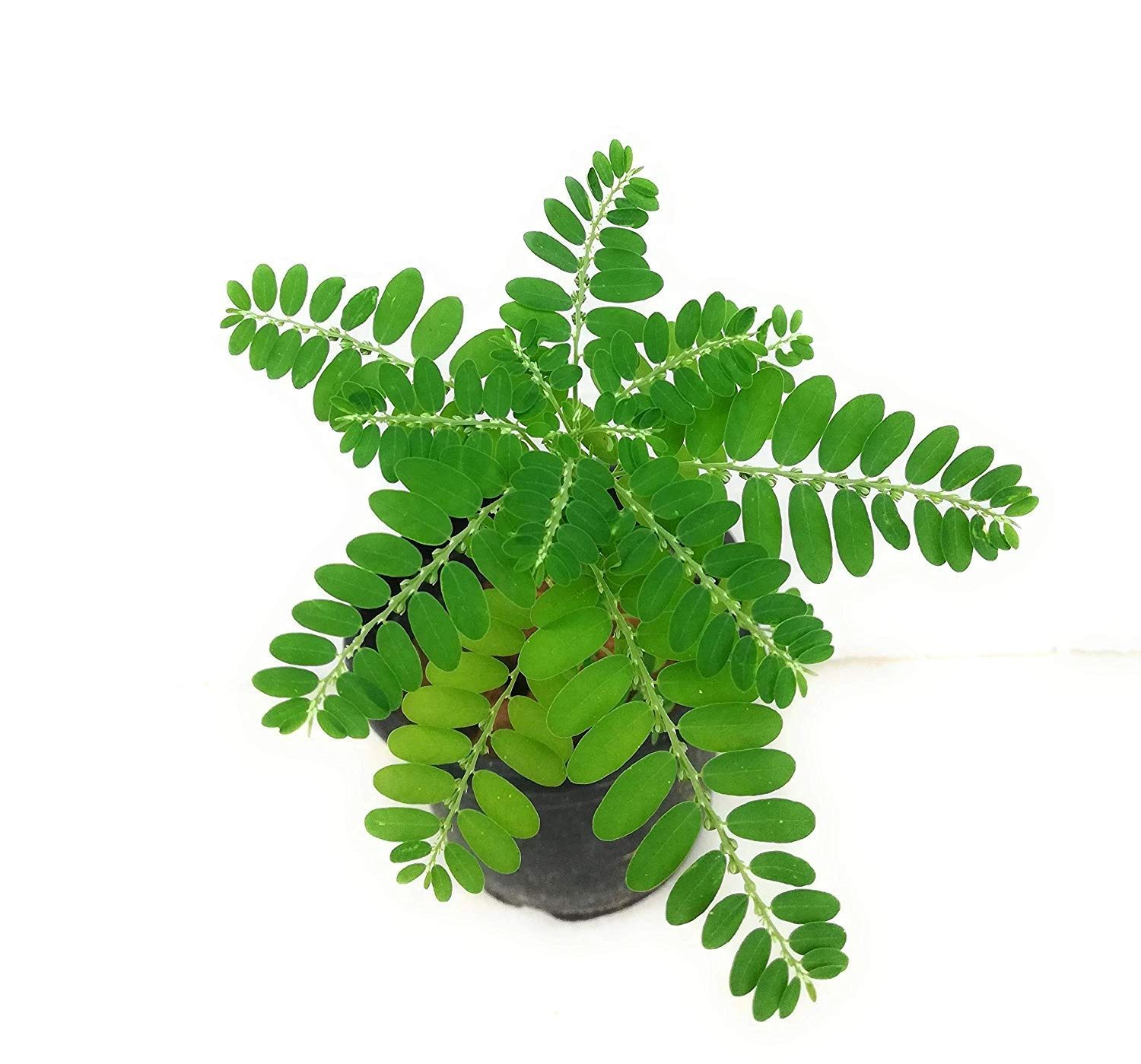
This is a live plant of ROOKHRAJ PAUDHSHALA Bhoomi Amla, Phyllanthus niruri Live Plant, Bhui Amla, Tamalaki, Phyllanthus Niruri Living Plant Here are some bullet points highlighting key aspects of the Phyllanthus niruri plant: Botanical Name : Phyllanthus niruri Common Names : Chanca Piedra, Stonebreaker, Gale of the Wind, Seed-Under-Leaf, Quebra Pedra Family : Phyllanthaceae Origin : Native to tropical regions, including India, Brazil, China, and the Caribbean Appearance : Small herbaceous plant, typically 30-70 cm in height, with greenish-yellow flowers Traditional Uses : Kidney stone prevention and treatment Liver health and hepatoprotection Digestive aid for indigestion and constipation Immune system support Gallbladder health Skin conditions Bioactive Compounds : Phyllanthin Hypophyllanthin Gallic acid Quercetin Flavonoids Health Benefits : Kidney Health : Breaks down kidney stones Inhibits crystal formation Liver Health : Hepatoprotective effects Antioxidant properties Anti-inflammatory effects Digestive Support : Stimulates digestive enzymes Alleviates indigestion and constipation Immune Modulation : Boosts immune system Helps defend against infections Antioxidant and Anti-inflammatory : Fights oxidative stress Reduces inflammation Diabetes Management : Potential positive impact on blood sugar levels Forms of Use : Herbal teas Capsules and supplements Tinctures Caution : Always consult a healthcare professional before use, especially if pregnant, nursing, or on medication Scientific Research : Ongoing studies exploring various health benefits Increasing interest in the plant's potential therapeutic applications Cultural Significance : Treasured in traditional medicine systems, such as Ayurveda Future Potential : Continued research may uncover new uses and benefits Growing interest in natural remedies and holistic health Disclaimer : This information is for informational purposes only and is not a substitute for professional medical advice. Always consult a healthcare provider before using any herbal remedies or supplements. Growing Tips Growing Phyllanthus niruri can be a rewarding experience, whether you're a seasoned gardener or a beginner. Here are some tips to help you successfully cultivate and care for this unique plant: Climate and Location : Phyllanthus niruri thrives in tropical and subtropical climates. Choose a sunny or partially shaded spot with well-draining soil. Soil Preparation : Use a well-draining, sandy or loamy soil mix enriched with organic matter. Maintain a slightly acidic to neutral pH level (around 6.0 to 7.0) for optimal growth. Planting : Plant seeds or seedlings in spring or early summer, when temperatures are warm and consistent. Sow seeds directly into the soil or start seedlings indoors before transplanting. Watering : Phyllanthus niruri prefers consistent moisture but not waterlogged conditions. Water the plant when the top inch of soil feels dry, aiming for a balance between dryness and overwatering. Mulching : Apply a layer of organic mulch around the base of the plant to help retain soil moisture and regulate temperature. Pruning : Regularly trim and prune the plant to encourage bushier growth and prevent it from becoming leggy. Fertilization : Feed the plant with a balanced, water-soluble fertilizer every 4-6 weeks during the growing season (spring and summer). Reduce or cease fertilization in the dormant season (fall and winter). Pest and Disease Management : Phyllanthus niruri is generally resistant to pests and diseases, but keep an eye out for aphids, mealybugs, or fungal issues. Use natural remedies or appropriate pesticides if needed, and ensure good air circulation. Container Gardening : If you're in a non-tropical region, consider growing Phyllanthus niruri in a container. Choose a pot with drainage holes and use a well-draining potting mix. Place the container in a sunny spot and protect the plant from cold drafts during winter. Harvesting : You can start harvesting leaves, stems, and roots once the plant has reached a sufficient size. Harvest leaves and stems for herbal use, and be sure to leave enough foliage for the plant to continue growing. Propagation : Propagate Phyllanthus niruri through seeds or stem cuttings. To propagate from stem cuttings, take 4-6 inch cuttings from healthy plants, remove lower leaves, and place in moist soil or water until roots develop. Overwintering : In colder climates, protect the plant from frost by bringing it indoors or providing frost cover. Reduce watering and fertilization during the dormant season. Remember, Phyllanthus niruri is a versatile and hardy plant, but local growing conditions and care routines may vary. Observing your plant closely and adjusting care based on its response will help ensure a successful and thriving cultivation experience.
RGP1117Choose your location
Please provide your delivery pincode to see products available in your area
COD (Cash On Delivery) On request
🎁Gift Coupons: Share your unboxing video & receive an exclusive gift coupon as a thank-you!
Share here
🚫No Claims After Repotting: If a plant is transferred to another pot and gets damaged, no claims will be accepted. Re-potting is at your own risk.
📸Unboxing Video Required: To claim a refund or replacement for any product, you must share an uncut unboxing video upon receiving the item.
⏳Raise Claim Within 24 Hours: To be eligible for any refund/replacement, raise a claim within 24 hours of delivery.(For plants only, for other categories the claim window is 5 days)
| brand | Raj Garden Plants |
This is a live plant of ROOKHRAJ PAUDHSHALA Bhoomi Amla, Phyllanthus niruri Live Plant, Bhui Amla, Tamalaki, Phyllanthus Niruri Living Plant Here are some bullet points highlighting key aspects of the Phyllanthus niruri plant: Botanical Name : Phyllanthus niruri Common Names : Chanca Piedra, Stonebreaker, Gale of the Wind, Seed-Under-Leaf, Quebra Pedra Family : Phyllanthaceae Origin : Native to tropical regions, including India, Brazil, China, and the Caribbean Appearance : Small herbaceous plant, typically 30-70 cm in height, with greenish-yellow flowers Traditional Uses : Kidney stone prevention and treatment Liver health and hepatoprotection Digestive aid for indigestion and constipation Immune system support Gallbladder health Skin conditions Bioactive Compounds : Phyllanthin Hypophyllanthin Gallic acid Quercetin Flavonoids Health Benefits : Kidney Health : Breaks down kidney stones Inhibits crystal formation Liver Health : Hepatoprotective effects Antioxidant properties Anti-inflammatory effects Digestive Support : Stimulates digestive enzymes Alleviates indigestion and constipation Immune Modulation : Boosts immune system Helps defend against infections Antioxidant and Anti-inflammatory : Fights oxidative stress Reduces inflammation Diabetes Management : Potential positive impact on blood sugar levels Forms of Use : Herbal teas Capsules and supplements Tinctures Caution : Always consult a healthcare professional before use, especially if pregnant, nursing, or on medication Scientific Research : Ongoing studies exploring various health benefits Increasing interest in the plant's potential therapeutic applications Cultural Significance : Treasured in traditional medicine systems, such as Ayurveda Future Potential : Continued research may uncover new uses and benefits Growing interest in natural remedies and holistic health Disclaimer : This information is for informational purposes only and is not a substitute for professional medical advice. Always consult a healthcare provider before using any herbal remedies or supplements. Growing Tips Growing Phyllanthus niruri can be a rewarding experience, whether you're a seasoned gardener or a beginner. Here are some tips to help you successfully cultivate and care for this unique plant: Climate and Location : Phyllanthus niruri thrives in tropical and subtropical climates. Choose a sunny or partially shaded spot with well-draining soil. Soil Preparation : Use a well-draining, sandy or loamy soil mix enriched with organic matter. Maintain a slightly acidic to neutral pH level (around 6.0 to 7.0) for optimal growth. Planting : Plant seeds or seedlings in spring or early summer, when temperatures are warm and consistent. Sow seeds directly into the soil or start seedlings indoors before transplanting. Watering : Phyllanthus niruri prefers consistent moisture but not waterlogged conditions. Water the plant when the top inch of soil feels dry, aiming for a balance between dryness and overwatering. Mulching : Apply a layer of organic mulch around the base of the plant to help retain soil moisture and regulate temperature. Pruning : Regularly trim and prune the plant to encourage bushier growth and prevent it from becoming leggy. Fertilization : Feed the plant with a balanced, water-soluble fertilizer every 4-6 weeks during the growing season (spring and summer). Reduce or cease fertilization in the dormant season (fall and winter). Pest and Disease Management : Phyllanthus niruri is generally resistant to pests and diseases, but keep an eye out for aphids, mealybugs, or fungal issues. Use natural remedies or appropriate pesticides if needed, and ensure good air circulation. Container Gardening : If you're in a non-tropical region, consider growing Phyllanthus niruri in a container. Choose a pot with drainage holes and use a well-draining potting mix. Place the container in a sunny spot and protect the plant from cold drafts during winter. Harvesting : You can start harvesting leaves, stems, and roots once the plant has reached a sufficient size. Harvest leaves and stems for herbal use, and be sure to leave enough foliage for the plant to continue growing. Propagation : Propagate Phyllanthus niruri through seeds or stem cuttings. To propagate from stem cuttings, take 4-6 inch cuttings from healthy plants, remove lower leaves, and place in moist soil or water until roots develop. Overwintering : In colder climates, protect the plant from frost by bringing it indoors or providing frost cover. Reduce watering and fertilization during the dormant season. Remember, Phyllanthus niruri is a versatile and hardy plant, but local growing conditions and care routines may vary. Observing your plant closely and adjusting care based on its response will help ensure a successful and thriving cultivation experience.
Products listed on Paudhewale.com are provided by individual sellers. We recommend referring to the product label before use. Paudhewale.com is not liable for any loss arising from misuse of products sold on our platform.
![Kaner Yellow Flower Plant , Indian oleander , Nerium indicum Live Plant [RAJ GARDEN PLANTS]](https://www.paudhewale.com/s/660a356584d1ac2391ae69de/6a0b0976affb47165e7b7237/kanerpercent20yellow-640x640.jpg "Kaner Yellow Flower Plant , Indian oleander , Nerium indicum Live Plant [RAJ GARDEN PLANTS]")
![Gulmohar Live Plant, Delonix regia, गुलमोहर [RAJ GARDEN PLANTS]](https://www.paudhewale.com/s/660a356584d1ac2391ae69de/6a0b09440ad03c5dc1f9aa86/11_original-640x640.jpg "Gulmohar Live Plant, Delonix regia, गुलमोहर [RAJ GARDEN PLANTS]")
![Amla Live Plant, Phyllanthus emblica, Anwala Plant, Anwla [RAJ GARDEN PLANTS]](https://www.paudhewale.com/s/660a356584d1ac2391ae69de/6a0b093cdfcd906f305148c8/12_original-640x640.jpg "Amla Live Plant, Phyllanthus emblica, Anwala Plant, Anwla [RAJ GARDEN PLANTS]")
![Ketki Live Plant, kamukha, Crape Ginger, Crape Ginger, Costus speciosus [RAJ GARDEN PLANTS]](https://www.paudhewale.com/s/660a356584d1ac2391ae69de/6a0b092e9beb607fbcf73409/blob-a993618-640x640.png "Ketki Live Plant, kamukha, Crape Ginger, Crape Ginger, Costus speciosus [RAJ GARDEN PLANTS]")
![Goodluck Naag Champa Live Plant, Plumeria Live Plant [RAJ GARDEN PLANTS]](https://www.paudhewale.com/s/660a356584d1ac2391ae69de/6a0b09130ad03c5dc1f9a856/23_original-640x640.jpg "Goodluck Naag Champa Live Plant, Plumeria Live Plant [RAJ GARDEN PLANTS]")
![Karanj Live Plant, Pongamia pinnata Live Plant, Sukh Chain Plant [RAJ GARDEN PLANTS]](https://www.paudhewale.com/s/660a356584d1ac2391ae69de/6a0b090029066cbeeb4ba833/36_original-640x640.jpg "Karanj Live Plant, Pongamia pinnata Live Plant, Sukh Chain Plant [RAJ GARDEN PLANTS]")
![Sukh Chain Plant, Karanj Live Plant, Pongamia pinnata Live Plant, Indian Beech, Pongam oiltree, Pungai, karach, Magul karanda [RAJ GARDEN PLANTS]](https://www.paudhewale.com/s/660a356584d1ac2391ae69de/6a0b08fcaffb47165e7b6c21/35_original-640x640.jpg "Sukh Chain Plant, Karanj Live Plant, Pongamia pinnata Live Plant, Indian Beech, Pongam oiltree, Pungai, karach, Magul karanda [RAJ GARDEN PLANTS]")
![Bichoo Bel Live Plant, Portulaca Mixed Colour Live Plant [RAJ GARDEN PLANTS]](https://www.paudhewale.com/s/660a356584d1ac2391ae69de/6a0b08d1921035dc2b8bc90a/43_original-640x640.jpg "Bichoo Bel Live Plant, Portulaca Mixed Colour Live Plant [RAJ GARDEN PLANTS]")
![Gymnocalycium Coryphantha Elephantidens Cactus Plant, Flowering Cactus Plantg [RAJ GARDEN PLANTS]](https://www.paudhewale.com/s/660a356584d1ac2391ae69de/6a0b07d329066cbeeb4b9c5e/gymnocalyciumpercent20baldianum-640x640.jpg "Gymnocalycium Coryphantha Elephantidens Cactus Plant, Flowering Cactus Plantg [RAJ GARDEN PLANTS]")
![Ratrani Creeper Plant, रातरानी, Night Blooming Jasmine, Cestrum Nocturnum Live Plant [RAJ GARDEN PLANTS]](https://www.paudhewale.com/s/660a356584d1ac2391ae69de/6a0b07a0564f25b03cb85fdc/51zbjfv7hol-_sl1500_-640x640.jpg "Ratrani Creeper Plant, रातरानी, Night Blooming Jasmine, Cestrum Nocturnum Live Plant [RAJ GARDEN PLANTS]")
![Kadam Live Plant, Neolamarckia cadamba, Burflower Tree, Laran, Leichhardt pine - RKH-PDH-KDM-LV [RAJ GARDEN PLANTS]](https://www.paudhewale.com/s/660a356584d1ac2391ae69de/6a0b078c0ad03c5dc1f99991/99_original-640x640.jpg "Kadam Live Plant, Neolamarckia cadamba, Burflower Tree, Laran, Leichhardt pine - RKH-PDH-KDM-LV [RAJ GARDEN PLANTS]")
![Almond Live Plant RimJhim Variety, Badam Tree [RAJ GARDEN PLANTS]](https://www.paudhewale.com/s/660a356584d1ac2391ae69de/6a0b0787a02b406c6d939017/92_original-640x640.jpg "Almond Live Plant RimJhim Variety, Badam Tree [RAJ GARDEN PLANTS]")
![Austrocylindropuntia subulata Plant [RAJ GARDEN PLANTS]](https://www.paudhewale.com/s/660a356584d1ac2391ae69de/6a0b0756054cc3ad7e3fd111/blob-0ac8f51-640x640.png "Austrocylindropuntia subulata Plant [RAJ GARDEN PLANTS]")
![Golden Hedge Plant (5Plants), Golden Duranta,Duranta erecta [RAJ GARDEN PLANTS]](https://www.paudhewale.com/s/660a356584d1ac2391ae69de/6a0b07458195e488a2de2085/blob-4bcae75-640x640.png "Golden Hedge Plant (5Plants), Golden Duranta,Duranta erecta [RAJ GARDEN PLANTS]")
![Aak ki Lakdi, Aak wood, Hawan Wood, Madar Wood for Havan - 500 gm आकड़े की सूखी जड़, White Aak Root, Aakde Ki Jad, Safed Aak Ki Jad, [RAJ GARDEN PLANTS]](https://www.paudhewale.com/s/660a356584d1ac2391ae69de/6a0b06fb564f25b03cb85c4d/blob-032f9f3-640x640.png "Aak ki Lakdi, Aak wood, Hawan Wood, Madar Wood for Havan - 500 gm आकड़े की सूखी जड़, White Aak Root, Aakde Ki Jad, Safed Aak Ki Jad, [RAJ GARDEN PLANTS]")
![Rectangular Planter Boxes [RAJ GARDEN PLANTS]](https://www.paudhewale.com/s/660a356584d1ac2391ae69de/6a0b06f3dd3594b5cb7bba9e/blob-f314d08-640x640.jpg "Rectangular Planter Boxes [RAJ GARDEN PLANTS]")
![Howarthia Aloe Coral Edge Plant [RAJ GARDEN PLANTS]](https://www.paudhewale.com/s/660a356584d1ac2391ae69de/6a0b0646054cc3ad7e3fcbdc/blob-2d0afa5-640x640.png "Howarthia Aloe Coral Edge Plant [RAJ GARDEN PLANTS]")
![Christmas Cactus Plant, Zygo Cactus, Crab Cactus Live Plant [RAJ GARDEN PLANTS]](https://www.paudhewale.com/s/660a356584d1ac2391ae69de/6a0b0634921035dc2b8bb780/xmaspercent20cactus-640x640.jpg "Christmas Cactus Plant, Zygo Cactus, Crab Cactus Live Plant [RAJ GARDEN PLANTS]")