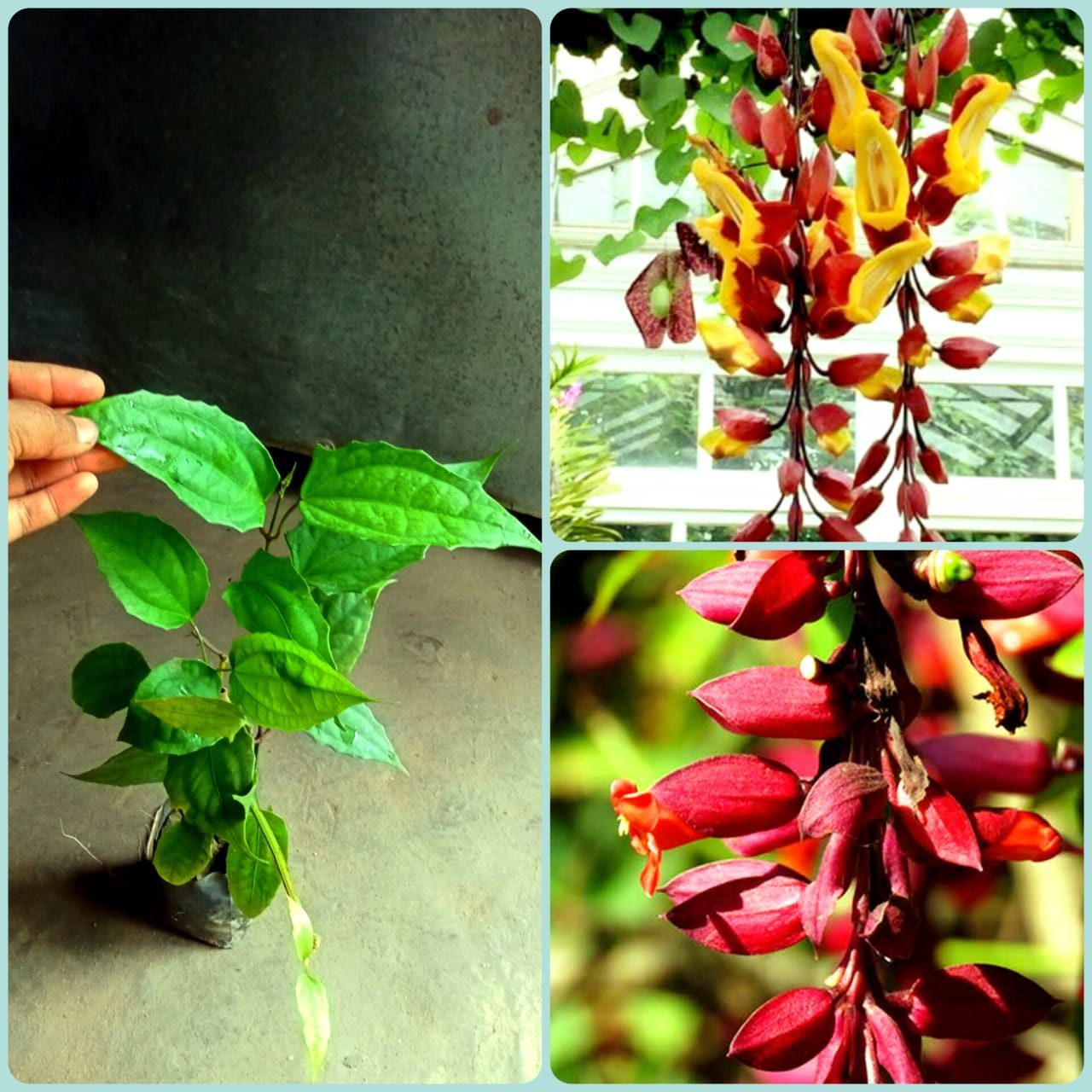
The Basar Lata Plant , also known as Hiptage benghalensis , is a stunning climbing ornamental plant admired for its beautiful clusters of red, yellow , and orange flowers . This plant grows quickly, producing…
The Basar Lata Plant, also known as Hiptage benghalensis, is a stunning climbing ornamental plant admired for its beautiful clusters of red, yellow, and orange flowers. This plant grows quickly, producing vines that can easily adorn fences, trellises, and pergolas. The Basar Lata is ideal for gardeners looking to add a touch of vibrant color to their spaces. It's a great choice for vertical gardening and perfect for small gardens, balconies, and terraces.
WHAT YOU GET
-
1 Healthy Basar Lata Plant
-
Climbing variety for beautiful vertical growth
-
Plant height: 1 ft (grows taller as it matures)
-
Ideal for pots, terraces, balconies, and small gardens
KEY FEATURES
-
Stunning ornamental flowers in red, yellow, and orange
-
Fast-growing and perfect for small spaces
-
Ideal for vertical gardening on fences, trellises, and pergolas
-
Thrives in full sunlight or partial shade
-
Low-maintenance, perfect for beginners and busy gardeners
-
Long-lasting flowers that bloom throughout the year in favorable conditions
PLANTING & CARE
-
Plant in a sunny spot with at least 6 hours of sunlight daily.
-
Use well-draining soil, enriched with organic compost for best growth.
-
Water regularly (2–3 times per week), ensuring the soil stays moist but not waterlogged.
-
Feed monthly with organic compost or balanced fertilizer for optimal growth.
-
Lightly prune to remove dead flowers and encourage new blooms.
-
Support the plant with a trellis or structure as it grows to maintain its climbing nature.
BENEFITS & USES
-
Vibrant flowers that add beauty to fences, trellises, or balconies
-
Attracts pollinators like bees and butterflies
-
Low-maintenance, perfect for beginners or busy gardeners
-
Great for vertical gardens or small spaces
-
Beautiful gift for plant lovers and those looking to brighten their home or garden
DISCLAIMER
Plant size and growth rate may vary depending on seasonal and environmental conditions.