

![Adenium Grafted Designor Romeo Special Flower Live Plant [RAJ GARDEN PLANTS]](https://www.paudhewale.com/s/660a356584d1ac2391ae69de/6a0b0a1a564f25b03cb87bb8/59_original-640x640.jpg "Adenium Grafted Designor Romeo Special Flower Live Plant [RAJ GARDEN PLANTS]")
₹1,001₹260
![Kantakari, Solanum xanthocarpum Seeds (Pack of 25 Seeds) [RAJ GARDEN PLANTS]](https://www.paudhewale.com/s/660a356584d1ac2391ae69de/6a0b09ffaffb47165e7b78bf/70_original-640x640.jpg "Kantakari, Solanum xanthocarpum Seeds (Pack of 25 Seeds) [RAJ GARDEN PLANTS]")
₹1,001₹258
![Kashmiri Rose Flower Plant [RAJ GARDEN PLANTS]](https://www.paudhewale.com/s/660a356584d1ac2391ae69de/6a0b09eddfcd906f30514fa4/83_original-640x640.jpg "Kashmiri Rose Flower Plant [RAJ GARDEN PLANTS]")
₹1,001₹258
![Amla Live Plant, Phyllanthus emblica, Anwala Plant, Anwla [RAJ GARDEN PLANTS]](https://www.paudhewale.com/s/660a356584d1ac2391ae69de/6a0b093cdfcd906f305148c8/12_original.jpg)
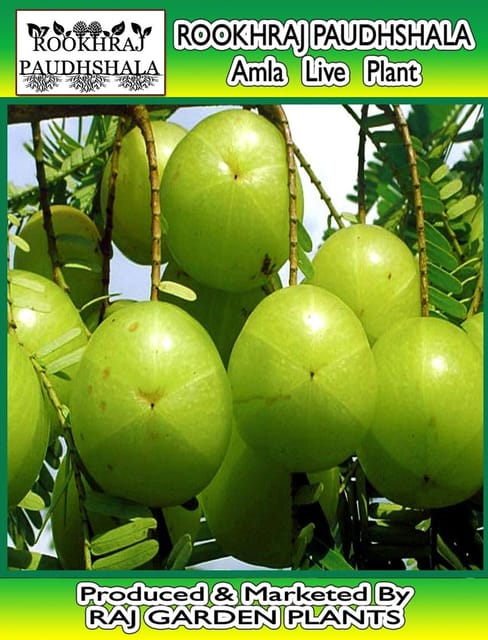
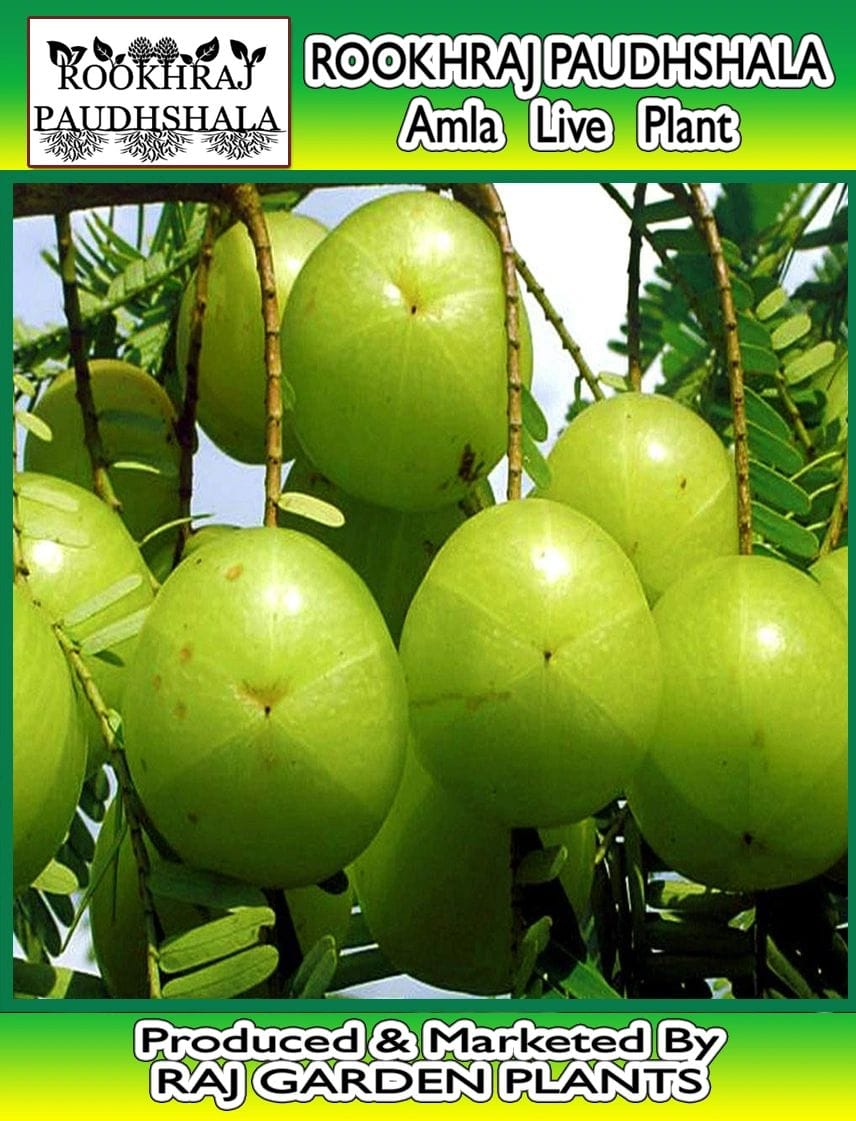
This is a live plant of ROOKHRAJ PAUDHSHALA Amla Live Plant, Phyllanthus emblica, Anwala Plant, Anwla Scientific Name: Phyllanthus emblica, commonly known as Amla or Indian Gooseberry. Description: A small to medium-sized deciduous tree, ranging from 1 to 8 meters in height. Leaves: Feathery, light green leaves that are clustered along the branches. Fruits: Small, round, greenish-yellow berries with a distinct sour taste. Traditional Uses: Amla has a long history of use in traditional Ayurvedic medicine for its various health benefits. Nutritional Value: Rich in vitamin C, as well as various minerals and antioxidants. Health Benefits: Believed to boost immunity, improve digestion, promote hair health, and have anti-aging properties. Culinary Uses: Amla is used to make chutneys, jams, pickles, and traditional Indian dishes. Medicinal Properties: Considered adaptogenic, antioxidant, and anti-inflammatory. Hair Care: Amla oil is used in hair treatments to strengthen hair, promote hair growth, and reduce dandruff. Skin Care: Used in face masks and skincare products due to its antioxidant content. Antimicrobial Properties: Some studies suggest Amla extracts possess antibacterial and antiviral effects. Diabetes Management: Amla consumption might help regulate blood sugar levels. Digestive Health: Known to aid digestion, relieve constipation, and support a healthy gut. Heart Health: May help lower cholesterol levels and support cardiovascular health. Modern Research: Subject of scientific studies investigating its potential health benefits. Forms: Available as fresh fruit, juice, powder, supplements, and herbal formulations. Cultural Significance: Amla is revered in Indian culture and is used in religious rituals and festivals. Sustainable Planting: A hardy tree that can thrive in diverse climates, supporting reforestation efforts. Precautions: High doses may lead to digestive issues; interactions with certain medications are possible. Consultation: Individuals with specific health conditions should consult healthcare professionals before use. Remember that while traditional uses of plants like Phyllanthus emblica are well-documented, it's important to rely on scientific research and consult with healthcare professionals before using them for medicinal purposes. Growing and caring for Phyllanthus emblica, also known as the Amla plant or Indian Gooseberry, requires attention to its specific requirements. Here are some tips to help you cultivate a healthy Amla plant: Climate and Location: Amla plants thrive in tropical and subtropical climates. Choose a location with full sunlight exposure for optimal growth. Soil: Well-draining soil is essential to prevent waterlogging. A slightly acidic to neutral soil pH (around 5.5 to 7.0) is ideal. Planting: Plant Amla seeds or young saplings during the spring or early summer. Ensure adequate spacing (about 6 to 8 feet) between plants to allow for growth. Watering: Water newly planted saplings regularly to help establish their roots. Once established, water deeply and less frequently, allowing the soil to dry between watering sessions. Mulching: Apply a layer of organic mulch around the base of the plant to retain soil moisture, regulate temperature, and prevent weed growth. Fertilization: Amla plants benefit from regular fertilization during the growing season (spring to early fall). Use a balanced, slow-release fertilizer or incorporate well-rotted compost. Pruning: Prune the plant to shape it and remove dead or diseased branches. Pruning also encourages new growth and improves fruit production. Support: Young Amla plants might benefit from staking or support until they become stronger. Pests and Diseases: Keep an eye out for common pests like aphids, mealybugs, and fruit flies. Apply natural or chemical remedies as needed, but avoid excessive pesticide use. Ensure good air circulation to prevent fungal diseases. Harvesting: Amla fruits typically ripen in late summer to early fall. Harvest when the fruits are firm, full-sized, and have a bright green to yellow color. Gently twist or cut the fruit from the branch. Container Growing: Amla can be grown in large containers, but choose a deep and wide container to accommodate its root system. Ensure proper drainage and use high-quality potting mix. Overwintering: In colder climates, consider growing Amla in pots and bringing them indoors during winter. Place the container in a well-lit area with proper temperature and humidity conditions. Propagation: Amla can be propagated from seeds or cuttings. Seeds might take longer to establish, while cuttings can root more quickly. By following these tips and adjusting them to your specific climate and growing conditions, you can cultivate a healthy and productive Phyllanthus emblica (Amla) plant in your garden or as a container plant. Soil Specific - Well Drained Botanical Name Phyllanthus Emblica Height- 1 Feet Usage/Application- Gardening Brand - Rookhraj Paudhshala Packaging Type Carton Box
RGP1132Choose your location
Please provide your delivery pincode to see products available in your area
COD (Cash On Delivery) On request
🎁Gift Coupons: Share your unboxing video & receive an exclusive gift coupon as a thank-you!
Share here
🚫No Claims After Repotting: If a plant is transferred to another pot and gets damaged, no claims will be accepted. Re-potting is at your own risk.
📸Unboxing Video Required: To claim a refund or replacement for any product, you must share an uncut unboxing video upon receiving the item.
⏳Raise Claim Within 24 Hours: To be eligible for any refund/replacement, raise a claim within 24 hours of delivery.(For plants only, for other categories the claim window is 5 days)
| brand | Raj Garden Plants |
This is a live plant of ROOKHRAJ PAUDHSHALA Amla Live Plant, Phyllanthus emblica, Anwala Plant, Anwla Scientific Name: Phyllanthus emblica, commonly known as Amla or Indian Gooseberry. Description: A small to medium-sized deciduous tree, ranging from 1 to 8 meters in height. Leaves: Feathery, light green leaves that are clustered along the branches. Fruits: Small, round, greenish-yellow berries with a distinct sour taste. Traditional Uses: Amla has a long history of use in traditional Ayurvedic medicine for its various health benefits. Nutritional Value: Rich in vitamin C, as well as various minerals and antioxidants. Health Benefits: Believed to boost immunity, improve digestion, promote hair health, and have anti-aging properties. Culinary Uses: Amla is used to make chutneys, jams, pickles, and traditional Indian dishes. Medicinal Properties: Considered adaptogenic, antioxidant, and anti-inflammatory. Hair Care: Amla oil is used in hair treatments to strengthen hair, promote hair growth, and reduce dandruff. Skin Care: Used in face masks and skincare products due to its antioxidant content. Antimicrobial Properties: Some studies suggest Amla extracts possess antibacterial and antiviral effects. Diabetes Management: Amla consumption might help regulate blood sugar levels. Digestive Health: Known to aid digestion, relieve constipation, and support a healthy gut. Heart Health: May help lower cholesterol levels and support cardiovascular health. Modern Research: Subject of scientific studies investigating its potential health benefits. Forms: Available as fresh fruit, juice, powder, supplements, and herbal formulations. Cultural Significance: Amla is revered in Indian culture and is used in religious rituals and festivals. Sustainable Planting: A hardy tree that can thrive in diverse climates, supporting reforestation efforts. Precautions: High doses may lead to digestive issues; interactions with certain medications are possible. Consultation: Individuals with specific health conditions should consult healthcare professionals before use. Remember that while traditional uses of plants like Phyllanthus emblica are well-documented, it's important to rely on scientific research and consult with healthcare professionals before using them for medicinal purposes. Growing and caring for Phyllanthus emblica, also known as the Amla plant or Indian Gooseberry, requires attention to its specific requirements. Here are some tips to help you cultivate a healthy Amla plant: Climate and Location: Amla plants thrive in tropical and subtropical climates. Choose a location with full sunlight exposure for optimal growth. Soil: Well-draining soil is essential to prevent waterlogging. A slightly acidic to neutral soil pH (around 5.5 to 7.0) is ideal. Planting: Plant Amla seeds or young saplings during the spring or early summer. Ensure adequate spacing (about 6 to 8 feet) between plants to allow for growth. Watering: Water newly planted saplings regularly to help establish their roots. Once established, water deeply and less frequently, allowing the soil to dry between watering sessions. Mulching: Apply a layer of organic mulch around the base of the plant to retain soil moisture, regulate temperature, and prevent weed growth. Fertilization: Amla plants benefit from regular fertilization during the growing season (spring to early fall). Use a balanced, slow-release fertilizer or incorporate well-rotted compost. Pruning: Prune the plant to shape it and remove dead or diseased branches. Pruning also encourages new growth and improves fruit production. Support: Young Amla plants might benefit from staking or support until they become stronger. Pests and Diseases: Keep an eye out for common pests like aphids, mealybugs, and fruit flies. Apply natural or chemical remedies as needed, but avoid excessive pesticide use. Ensure good air circulation to prevent fungal diseases. Harvesting: Amla fruits typically ripen in late summer to early fall. Harvest when the fruits are firm, full-sized, and have a bright green to yellow color. Gently twist or cut the fruit from the branch. Container Growing: Amla can be grown in large containers, but choose a deep and wide container to accommodate its root system. Ensure proper drainage and use high-quality potting mix. Overwintering: In colder climates, consider growing Amla in pots and bringing them indoors during winter. Place the container in a well-lit area with proper temperature and humidity conditions. Propagation: Amla can be propagated from seeds or cuttings. Seeds might take longer to establish, while cuttings can root more quickly. By following these tips and adjusting them to your specific climate and growing conditions, you can cultivate a healthy and productive Phyllanthus emblica (Amla) plant in your garden or as a container plant. Soil Specific - Well Drained Botanical Name Phyllanthus Emblica Height- 1 Feet Usage/Application- Gardening Brand - Rookhraj Paudhshala Packaging Type Carton Box
Products listed on Paudhewale.com are provided by individual sellers. We recommend referring to the product label before use. Paudhewale.com is not liable for any loss arising from misuse of products sold on our platform.
![Ajwain Live Plant, Ajwayan Ajowan, Trachyspermum Ammi, Ajowan Caraway, Bishop'S Weed, Carom Leavesplant [RAJ GARDEN PLANTS]](https://www.paudhewale.com/s/660a356584d1ac2391ae69de/6a0b08f9dfcd906f3051459d/38_original-640x640.jpg "Ajwain Live Plant, Ajwayan Ajowan, Trachyspermum Ammi, Ajowan Caraway, Bishop'S Weed, Carom Leavesplant [RAJ GARDEN PLANTS]")
![Henna Plant, Hena Plant Mehndi Live Plants, Lawsonia inermis [RAJ GARDEN PLANTS]](https://www.paudhewale.com/s/660a356584d1ac2391ae69de/6a0b07b1affb47165e7b5ed8/henapercent20plant-640x640.jpg "Henna Plant, Hena Plant Mehndi Live Plants, Lawsonia inermis [RAJ GARDEN PLANTS]")
![Pebbles For Aquarium 5kg Pack ,!6-18 mm size, Coloured Stones, Pebbles For Pots and Garden Decoration [RAJ GARDEN PLANTS]](https://www.paudhewale.com/s/660a356584d1ac2391ae69de/6a0b07918195e488a2de228b/chatgptpercent20imagepercent20janpercent208percent2cpercent202026percent2cpercent2008_37_33percent20am-640x640.jpg "Pebbles For Aquarium 5kg Pack ,!6-18 mm size, Coloured Stones, Pebbles For Pots and Garden Decoration [RAJ GARDEN PLANTS]")
![Kadam Live Plant, Neolamarckia cadamba, Burflower Tree, Laran, Leichhardt pine - RKH-PDH-KDM-LV [RAJ GARDEN PLANTS]](https://www.paudhewale.com/s/660a356584d1ac2391ae69de/6a0b078c0ad03c5dc1f99991/99_original-640x640.jpg "Kadam Live Plant, Neolamarckia cadamba, Burflower Tree, Laran, Leichhardt pine - RKH-PDH-KDM-LV [RAJ GARDEN PLANTS]")
![Almond Live Plant RimJhim Variety, Badam Tree [RAJ GARDEN PLANTS]](https://www.paudhewale.com/s/660a356584d1ac2391ae69de/6a0b0787a02b406c6d939017/92_original-640x640.jpg "Almond Live Plant RimJhim Variety, Badam Tree [RAJ GARDEN PLANTS]")
![Adenium Grafted Designor Pink Double Petal Flower Live Plant [RAJ GARDEN PLANTS]](https://www.paudhewale.com/s/660a356584d1ac2391ae69de/6a0b07728901ef186c521635/55_original-640x640.jpg "Adenium Grafted Designor Pink Double Petal Flower Live Plant [RAJ GARDEN PLANTS]")
![Thimble Cactus Mammillaria Vetula - Cactus Plant [RAJ GARDEN PLANTS]](https://www.paudhewale.com/s/660a356584d1ac2391ae69de/6a0b066d0beb2152c0e06a57/blob-b5539a3-640x640.png "Thimble Cactus Mammillaria Vetula - Cactus Plant [RAJ GARDEN PLANTS]")
![Adenium Grafted Rimjhim Flower Live Plant [RAJ GARDEN PLANTS]](https://www.paudhewale.com/s/660a356584d1ac2391ae69de/6a0b0a0c921035dc2b8bd87a/61_original-640x640.jpg "Adenium Grafted Rimjhim Flower Live Plant [RAJ GARDEN PLANTS]")
![Kaner Yellow Flower Plant , Indian oleander , Nerium indicum Live Plant [RAJ GARDEN PLANTS]](https://www.paudhewale.com/s/660a356584d1ac2391ae69de/6a0b0976affb47165e7b7237/kanerpercent20yellow-640x640.jpg "Kaner Yellow Flower Plant , Indian oleander , Nerium indicum Live Plant [RAJ GARDEN PLANTS]")
![Kaner (Indian oleander) White Flower Plant, Nerium indicum Live Plant [RAJ GARDEN PLANTS]](https://www.paudhewale.com/s/660a356584d1ac2391ae69de/6a0b096e9beb607fbcf73734/kanerwhite-0001-640x640.jpg "Kaner (Indian oleander) White Flower Plant, Nerium indicum Live Plant [RAJ GARDEN PLANTS]")
![Vajradanti White Flower Live Plant वज्रदंती, Katsaraiya, Piyabansa, Barleria cristata Alba, kuranta [RAJ GARDEN PLANTS]](https://www.paudhewale.com/s/660a356584d1ac2391ae69de/6a0b0966affb47165e7b713c/67_original-640x640.jpg "Vajradanti White Flower Live Plant वज्रदंती, Katsaraiya, Piyabansa, Barleria cristata Alba, kuranta [RAJ GARDEN PLANTS]")
![Gulmohar Live Plant, Delonix regia, गुलमोहर [RAJ GARDEN PLANTS]](https://www.paudhewale.com/s/660a356584d1ac2391ae69de/6a0b09440ad03c5dc1f9aa86/11_original-640x640.jpg "Gulmohar Live Plant, Delonix regia, गुलमोहर [RAJ GARDEN PLANTS]")
![Ketki Live Plant, kamukha, Crape Ginger, Crape Ginger, Costus speciosus [RAJ GARDEN PLANTS]](https://www.paudhewale.com/s/660a356584d1ac2391ae69de/6a0b092e9beb607fbcf73409/blob-a993618-640x640.png "Ketki Live Plant, kamukha, Crape Ginger, Crape Ginger, Costus speciosus [RAJ GARDEN PLANTS]")
![Lemon Fruit Plant, Grafted Rasaali Live Plant, Nimbu [RAJ GARDEN PLANTS]](https://www.paudhewale.com/s/660a356584d1ac2391ae69de/6a0b0904dfcd906f3051461e/37_original-640x640.jpg "Lemon Fruit Plant, Grafted Rasaali Live Plant, Nimbu [RAJ GARDEN PLANTS]")
![Bichoo Bel Live Plant, Portulaca Mixed Colour Live Plant [RAJ GARDEN PLANTS]](https://www.paudhewale.com/s/660a356584d1ac2391ae69de/6a0b08d1921035dc2b8bc90a/43_original-640x640.jpg "Bichoo Bel Live Plant, Portulaca Mixed Colour Live Plant [RAJ GARDEN PLANTS]")
![Ficus Safari Live Plant, Air Purifier Indoor Live Plant, Variegated Ficus Plants [RAJ GARDEN PLANTS]](https://www.paudhewale.com/s/660a356584d1ac2391ae69de/6a0b081829066cbeeb4b9efc/ficuspercent20safari-0001-640x640.jpg "Ficus Safari Live Plant, Air Purifier Indoor Live Plant, Variegated Ficus Plants [RAJ GARDEN PLANTS]")
![Ceramic Pot Namaste Yoga cream, Yoga Planters, Namaste Yoga Planters [RAJ GARDEN PLANTS]](https://www.paudhewale.com/s/660a356584d1ac2391ae69de/6a0b07be8901ef186c521837/61mpoz4wnol-_sl1500_-640x640.jpg "Ceramic Pot Namaste Yoga cream, Yoga Planters, Namaste Yoga Planters [RAJ GARDEN PLANTS]")
![Decorative Fancy Pots for Plants (Set of 10 Pots) [RAJ GARDEN PLANTS]](https://www.paudhewale.com/s/660a356584d1ac2391ae69de/6a0b07a7affb47165e7b5e76/pot-640x640.jpg "Decorative Fancy Pots for Plants (Set of 10 Pots) [RAJ GARDEN PLANTS]")
![Kitchen Garden Natural Organic Vegetable Seeds (Pack of 12 ) ( Spinach, Choulai, Coriender, Lady Finger, Brinjal, Tomato, Cluster Beans, Fenugreek, Bitter guard, Ridge guard, Bottle Guard, Long Guard, Cucumber ) [RAJ GARDEN PLANTS]](https://www.paudhewale.com/s/660a356584d1ac2391ae69de/6a0b06d1116fe1a534ae2d32/gemini_generated_imagepercent20-8--640x640.jpg "Kitchen Garden Natural Organic Vegetable Seeds (Pack of 12 ) ( Spinach, Choulai, Coriender, Lady Finger, Brinjal, Tomato, Cluster Beans, Fenugreek, Bitter guard, Ridge guard, Bottle Guard, Long Guard, Cucumber ) [RAJ GARDEN PLANTS]")
![Exquisite Variegated Haworthia retusa: A Captivating Addition to Your Plant Collection [RAJ GARDEN PLANTS]](https://www.paudhewale.com/s/660a356584d1ac2391ae69de/6a0b0641921035dc2b8bb793/howarthapercent20retusa-640x640.jpg "Exquisite Variegated Haworthia retusa: A Captivating Addition to Your Plant Collection [RAJ GARDEN PLANTS]")
![Gift Succulent Tray, Succulent Tray, Succulent Gift Basket [RAJ GARDEN PLANTS]](https://www.paudhewale.com/s/660a356584d1ac2391ae69de/6a0b05eaf5202f0eb7da0ae0/20220117_130338percent20copy-0001-640x640.jpg "Gift Succulent Tray, Succulent Tray, Succulent Gift Basket [RAJ GARDEN PLANTS]")
![[Plants Glory] Hibiscus Flower Plant Pure Blue](https://www.paudhewale.com/s/660a356584d1ac2391ae69de/6a0ae460f651781bc0a92a71/20125__1766832146259_pceq7wlfji3xe86-640x640.jpg "[Plants Glory] Hibiscus Flower Plant Pure Blue")
![[Plants Glory] Multigrafted Hibiscus Flower Plant (10 Colours)](https://www.paudhewale.com/s/660a356584d1ac2391ae69de/6a0adfe76f8cdc322cdf80f1/18931__1766832149011_v0r9lex4vl8g6pg-640x640.jpg "[Plants Glory] Multigrafted Hibiscus Flower Plant (10 Colours)")
![[Plants Glory] Australian Variety Grafted Hibiscus Flower Plant (PG-100667)](https://www.paudhewale.com/s/660a356584d1ac2391ae69de/6a0adcea3eced8c254d8a671/18546__1766832132826_2jq0omne7683hdu-640x640.jpg "[Plants Glory] Australian Variety Grafted Hibiscus Flower Plant (PG-100667)")