

![Kaju Live Plant, Cashew Nut Plant [RAJ GARDEN PLANTS]](https://www.paudhewale.com/s/660a356584d1ac2391ae69de/6a0b09c1921035dc2b8bd36f/98_original-640x640.jpg "Kaju Live Plant, Cashew Nut Plant [RAJ GARDEN PLANTS]")
₹1,001₹408
![Safed Aak Seeds (Pack of 50 Seeds), Calotropis gigantea Plant Seeds, Aakda Seeds, Aak Plant Seeds [RAJ GARDEN PLANTS]](https://www.paudhewale.com/s/660a356584d1ac2391ae69de/6a0b098229066cbeeb4bae9e/78_original-640x640.jpg "Safed Aak Seeds (Pack of 50 Seeds), Calotropis gigantea Plant Seeds, Aakda Seeds, Aak Plant Seeds [RAJ GARDEN PLANTS]")
₹1,001₹258
![Dalchini (दालचीनी) Live Plant, Cinnamomum Cassia Plant, Daalchini [RAJ GARDEN PLANTS]](https://www.paudhewale.com/s/660a356584d1ac2391ae69de/6a0b095e921035dc2b8bd00b/4_original-640x640.jpg "Dalchini (दालचीनी) Live Plant, Cinnamomum Cassia Plant, Daalchini [RAJ GARDEN PLANTS]")
₹1,001₹300
![Amaltas Plant, Cassia fistula, Indian Laburnum, Golden Shower Tree, Pudding-Pipe Tree [RAJ GARDEN PLANTS]](https://www.paudhewale.com/s/660a356584d1ac2391ae69de/6a0b06cbdd3594b5cb7bb9ce/blob-058b0c6.png)
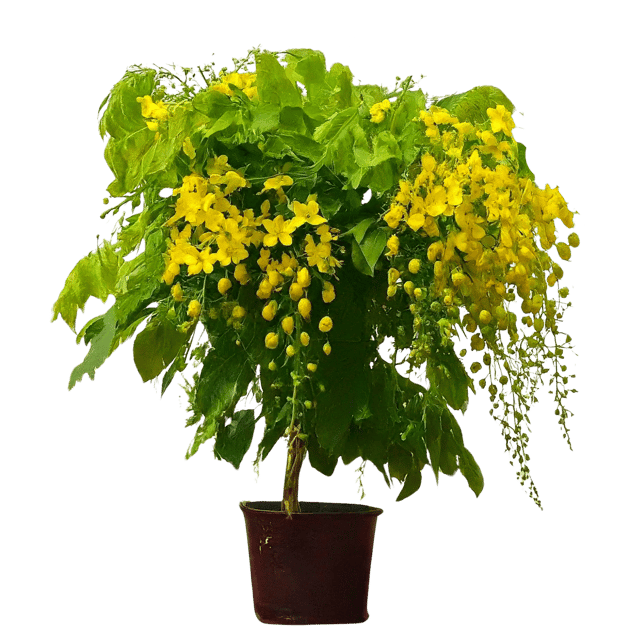
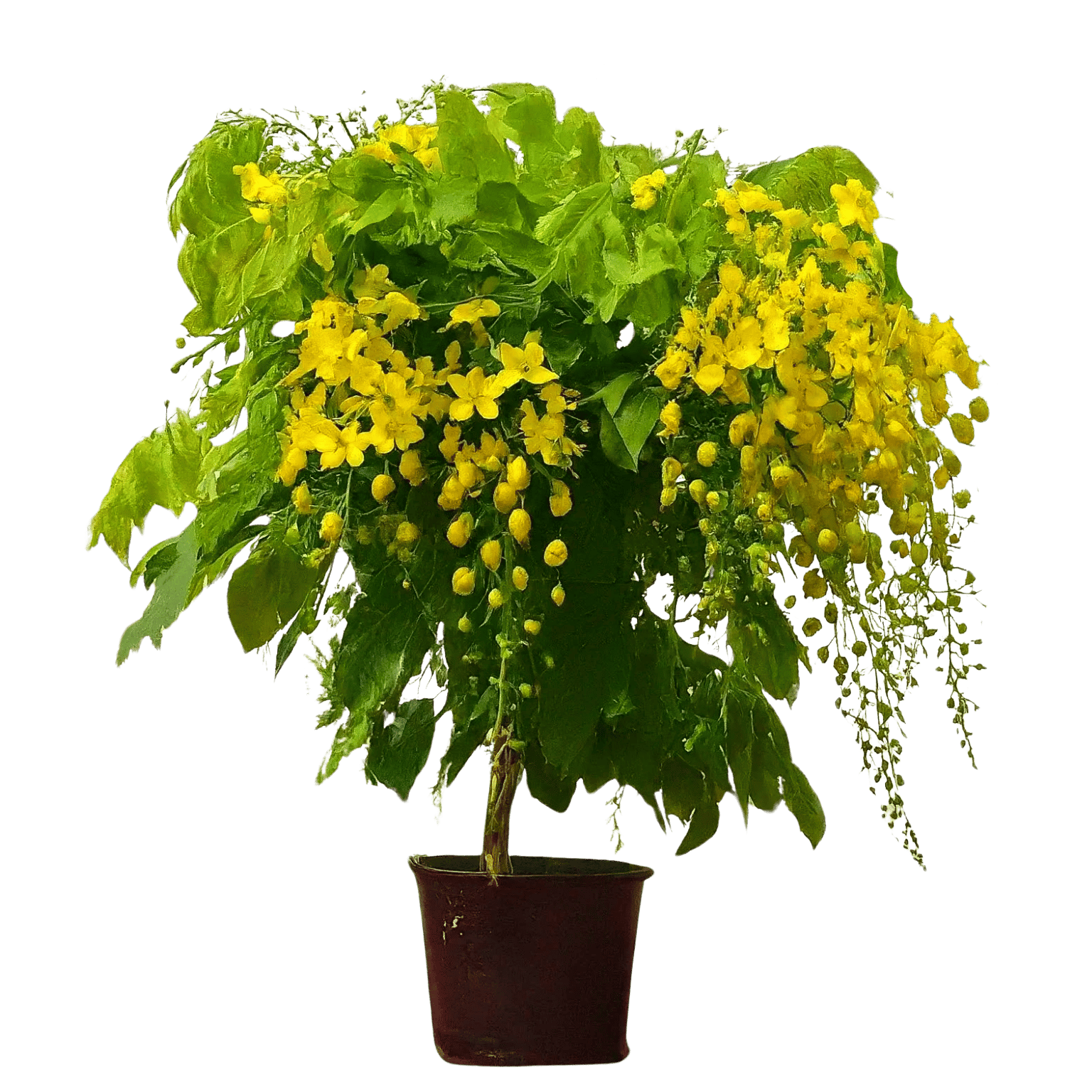
Welcome to ROOKHRAJ PAUDHSHALA, where we bring you the vibrant and colorful Amaltas Plant, also known as Cassia fistula, Indian Laburnum, Golden Shower Tree, or Pudding-Pipe Tree. This beautiful plant features stunning clusters of bright yellow flowers that are sure to bring joy and beauty to your garden. The plant comes in a sturdy brown pot, perfect for displaying indoors or outdoors. With proper care and sunlight, this Amaltas Plant will thrive and bloom, creating a picturesque addition to your gardening collection. Bring a touch of nature's beauty into your home with ROOKHRAJ PAUDHSHALA. Amaltas, scientifically known as Cassia fistula, is a deciduous tree that belongs to the Fabaceae family. It is commonly known by various names such as Indian laburnum, golden shower tree, and pudding-pipe tree. The tree is renowned for its vibrant and cascading yellow flowers, which give it its common names. Here are some key features of the Amaltas plant: Appearance : The Amaltas tree can grow up to 10-20 meters tall. It has a smooth gray-brown bark and compound leaves with 4-8 pairs of leaflets. The leaves are a dark green color and provide a lovely backdrop for the striking yellow flowers. Flowers : The most distinctive feature of the Amaltas tree is its bright yellow flowers that hang down in long clusters. These flowers resemble cascading showers of gold, hence the name "golden shower tree." The flowering season usually occurs during the summer months. Fruit : After the flowering season, the tree produces elongated seed pods that are cylindrical and brown in color. These pods contain seeds surrounded by a sticky pulp. Medicinal Uses : Amaltas has been traditionally used in various medicinal practices. The pulp from the seed pods has been used as a laxative and is also known for its mild antibacterial properties. However, it's important to note that the plant's medicinal uses should be approached with caution and under proper guidance. Cultural Significance : The Amaltas tree holds cultural significance in many regions where it is found. It is the national tree of Thailand and is also the state flower of Kerala in India. Horticultural and Ornamental Use : Due to its striking appearance, the Amaltas tree is often grown as an ornamental plant in gardens, parks, and along roadsides. Its beautiful flowers and attractive foliage make it a popular choice for landscaping. Growing Conditions : The Amaltas tree thrives in tropical and subtropical climates. It prefers full sunlight and well-drained soil. It is relatively drought-tolerant once established and can withstand periods of dryness. Please note that while Amaltas has cultural and ornamental significance, its medicinal uses should be approached with caution, and any use for health purposes should be discussed with a qualified healthcare professional. Additionally, information provided here is based on my knowledge as of September 2021, and there may have been developments or new findings since that time. Growing and caring for an Amaltas (Cassia fistula) plant requires attention to its specific requirements to ensure healthy growth and abundant flowering. Here are some tips to help you cultivate and care for your Amaltas plant: 1. Choose the Right Location: Plant your Amaltas tree in a location that receives full sunlight. Amaltas thrives in bright, direct sunlight, which helps promote healthy growth and abundant flowering. 2. Soil Preparation: Ensure the soil is well-draining to prevent waterlogged conditions, which can lead to root rot. Amaltas prefers slightly acidic to neutral soil. If your soil is too alkaline, consider amending it with organic matter or soil additives to adjust the pH. 3. Planting: Plant your Amaltas tree during the spring or early summer when the weather is warm. This will give the tree ample time to establish its root system before winter. Dig a hole that is slightly larger than the root ball. Place the plant in the hole and backfill with soil, gently firming it around the roots. 4. Watering: During the first year, provide regular and consistent watering to help the young plant establish its roots. Afterward, Amaltas is somewhat drought-tolerant and will require less frequent watering. Allow the soil to dry out slightly between watering sessions to prevent overwatering. 5. Mulching: Apply a layer of organic mulch, such as wood chips or straw, around the base of the tree. Mulch helps retain soil moisture, suppresses weeds, and maintains an even soil temperature. 6. Fertilization: Apply a balanced, slow-release fertilizer in the spring to provide essential nutrients for healthy growth and flowering. Avoid excessive fertilization, as it can lead to excessive foliage growth at the expense of flowers. 7. Pruning: Prune your Amaltas tree after the flowering season to shape its growth and remove any dead or diseased branches. This will promote better air circulation and overall plant health. Regular pruning can also help maintain a manageable size and shape for landscaping purposes. 8. Pests and Diseases: Keep an eye out for common pests such as aphids, scale insects, and caterpillars. Use organic insecticidal soaps or neem oil to manage infestations if necessary. Ensure proper spacing between plants to promote good air circulation and reduce the risk of fungal diseases. 9. Support for Heavy Blooms: If your Amaltas tree produces heavy clusters of flowers, you may need to provide support to prevent branches from bending or breaking under the weight. This is especially important during periods of heavy rain. 10. Cold Protection: In colder climates, young Amaltas plants may need protection from frost. Covering the plant with a cloth or burlap during cold nights can help prevent damage. Remember that while Amaltas is relatively low-maintenance once established, regular care and attention during its initial stages of growth are crucial for its long-term health and beauty. Following these tips will help you create a vibrant and flourishing Amaltas plant in your garden or landscape.
RKH-PDH-MLT-PLNChoose your location
Please provide your delivery pincode to see products available in your area
COD (Cash On Delivery) On request
🎁Gift Coupons: Share your unboxing video & receive an exclusive gift coupon as a thank-you!
Share here
🚫No Claims After Repotting: If a plant is transferred to another pot and gets damaged, no claims will be accepted. Re-potting is at your own risk.
📸Unboxing Video Required: To claim a refund or replacement for any product, you must share an uncut unboxing video upon receiving the item.
⏳Raise Claim Within 24 Hours: To be eligible for any refund/replacement, raise a claim within 24 hours of delivery.(For plants only, for other categories the claim window is 5 days)
| brand | Raj Garden Plants |
Welcome to ROOKHRAJ PAUDHSHALA, where we bring you the vibrant and colorful Amaltas Plant, also known as Cassia fistula, Indian Laburnum, Golden Shower Tree, or Pudding-Pipe Tree. This beautiful plant features stunning clusters of bright yellow flowers that are sure to bring joy and beauty to your garden. The plant comes in a sturdy brown pot, perfect for displaying indoors or outdoors. With proper care and sunlight, this Amaltas Plant will thrive and bloom, creating a picturesque addition to your gardening collection. Bring a touch of nature's beauty into your home with ROOKHRAJ PAUDHSHALA. Amaltas, scientifically known as Cassia fistula, is a deciduous tree that belongs to the Fabaceae family. It is commonly known by various names such as Indian laburnum, golden shower tree, and pudding-pipe tree. The tree is renowned for its vibrant and cascading yellow flowers, which give it its common names. Here are some key features of the Amaltas plant: Appearance : The Amaltas tree can grow up to 10-20 meters tall. It has a smooth gray-brown bark and compound leaves with 4-8 pairs of leaflets. The leaves are a dark green color and provide a lovely backdrop for the striking yellow flowers. Flowers : The most distinctive feature of the Amaltas tree is its bright yellow flowers that hang down in long clusters. These flowers resemble cascading showers of gold, hence the name "golden shower tree." The flowering season usually occurs during the summer months. Fruit : After the flowering season, the tree produces elongated seed pods that are cylindrical and brown in color. These pods contain seeds surrounded by a sticky pulp. Medicinal Uses : Amaltas has been traditionally used in various medicinal practices. The pulp from the seed pods has been used as a laxative and is also known for its mild antibacterial properties. However, it's important to note that the plant's medicinal uses should be approached with caution and under proper guidance. Cultural Significance : The Amaltas tree holds cultural significance in many regions where it is found. It is the national tree of Thailand and is also the state flower of Kerala in India. Horticultural and Ornamental Use : Due to its striking appearance, the Amaltas tree is often grown as an ornamental plant in gardens, parks, and along roadsides. Its beautiful flowers and attractive foliage make it a popular choice for landscaping. Growing Conditions : The Amaltas tree thrives in tropical and subtropical climates. It prefers full sunlight and well-drained soil. It is relatively drought-tolerant once established and can withstand periods of dryness. Please note that while Amaltas has cultural and ornamental significance, its medicinal uses should be approached with caution, and any use for health purposes should be discussed with a qualified healthcare professional. Additionally, information provided here is based on my knowledge as of September 2021, and there may have been developments or new findings since that time. Growing and caring for an Amaltas (Cassia fistula) plant requires attention to its specific requirements to ensure healthy growth and abundant flowering. Here are some tips to help you cultivate and care for your Amaltas plant: 1. Choose the Right Location: Plant your Amaltas tree in a location that receives full sunlight. Amaltas thrives in bright, direct sunlight, which helps promote healthy growth and abundant flowering. 2. Soil Preparation: Ensure the soil is well-draining to prevent waterlogged conditions, which can lead to root rot. Amaltas prefers slightly acidic to neutral soil. If your soil is too alkaline, consider amending it with organic matter or soil additives to adjust the pH. 3. Planting: Plant your Amaltas tree during the spring or early summer when the weather is warm. This will give the tree ample time to establish its root system before winter. Dig a hole that is slightly larger than the root ball. Place the plant in the hole and backfill with soil, gently firming it around the roots. 4. Watering: During the first year, provide regular and consistent watering to help the young plant establish its roots. Afterward, Amaltas is somewhat drought-tolerant and will require less frequent watering. Allow the soil to dry out slightly between watering sessions to prevent overwatering. 5. Mulching: Apply a layer of organic mulch, such as wood chips or straw, around the base of the tree. Mulch helps retain soil moisture, suppresses weeds, and maintains an even soil temperature. 6. Fertilization: Apply a balanced, slow-release fertilizer in the spring to provide essential nutrients for healthy growth and flowering. Avoid excessive fertilization, as it can lead to excessive foliage growth at the expense of flowers. 7. Pruning: Prune your Amaltas tree after the flowering season to shape its growth and remove any dead or diseased branches. This will promote better air circulation and overall plant health. Regular pruning can also help maintain a manageable size and shape for landscaping purposes. 8. Pests and Diseases: Keep an eye out for common pests such as aphids, scale insects, and caterpillars. Use organic insecticidal soaps or neem oil to manage infestations if necessary. Ensure proper spacing between plants to promote good air circulation and reduce the risk of fungal diseases. 9. Support for Heavy Blooms: If your Amaltas tree produces heavy clusters of flowers, you may need to provide support to prevent branches from bending or breaking under the weight. This is especially important during periods of heavy rain. 10. Cold Protection: In colder climates, young Amaltas plants may need protection from frost. Covering the plant with a cloth or burlap during cold nights can help prevent damage. Remember that while Amaltas is relatively low-maintenance once established, regular care and attention during its initial stages of growth are crucial for its long-term health and beauty. Following these tips will help you create a vibrant and flourishing Amaltas plant in your garden or landscape.
Products listed on Paudhewale.com are provided by individual sellers. We recommend referring to the product label before use. Paudhewale.com is not liable for any loss arising from misuse of products sold on our platform.
![Amla Live Plant, Phyllanthus emblica, Anwala Plant, Anwla [RAJ GARDEN PLANTS]](https://www.paudhewale.com/s/660a356584d1ac2391ae69de/6a0b093cdfcd906f305148c8/12_original-640x640.jpg "Amla Live Plant, Phyllanthus emblica, Anwala Plant, Anwla [RAJ GARDEN PLANTS]")
![Goodluck Vidya Plant, Morpankh Plant Thuja Orientalis Indoor Live Plants [RAJ GARDEN PLANTS]](https://www.paudhewale.com/s/660a356584d1ac2391ae69de/6a0b08f50ad03c5dc1f9a6e4/blob-af72ed7-640x640.png "Goodluck Vidya Plant, Morpankh Plant Thuja Orientalis Indoor Live Plants [RAJ GARDEN PLANTS]")
![BONSAITREE Bunny's Ear Cactus - Opuntia Microdasys Live Plant, Polka Dot, Micky Mouse Cactus [RAJ GARDEN PLANTS]](https://www.paudhewale.com/s/660a356584d1ac2391ae69de/6a0b08c2dfcd906f30514313/bunny-640x640.jpg "BONSAITREE Bunny's Ear Cactus - Opuntia Microdasys Live Plant, Polka Dot, Micky Mouse Cactus [RAJ GARDEN PLANTS]")
![Naagdon Plant, Euphorbia Tithymaloides, Nagdamni, , Nagdoun Plant [RAJ GARDEN PLANTS]](https://www.paudhewale.com/s/660a356584d1ac2391ae69de/6a0b06ef8195e488a2de1f1d/blob-c8d961f-640x640.png "Naagdon Plant, Euphorbia Tithymaloides, Nagdamni, , Nagdoun Plant [RAJ GARDEN PLANTS]")
![Sweet neem, Curry Leaves Live Plant, Meetha Neem, Curry tree, Murraya koenigii, Bergera koenigii [RAJ GARDEN PLANTS]](https://www.paudhewale.com/s/660a356584d1ac2391ae69de/6a0b09b2564f25b03cb87471/sweetpercent20neem-640x640.jpg "Sweet neem, Curry Leaves Live Plant, Meetha Neem, Curry tree, Murraya koenigii, Bergera koenigii [RAJ GARDEN PLANTS]")
![Dracaena Reflexa , Song of India Live Plant, Pleomele [RAJ GARDEN PLANTS]](https://www.paudhewale.com/s/660a356584d1ac2391ae69de/6a0b09a80ad03c5dc1f9ad6d/songpercent20ofpercent20india-640x640.jpg "Dracaena Reflexa , Song of India Live Plant, Pleomele [RAJ GARDEN PLANTS]")
![Bhringraj Live Plant, Bhrungraj, Eclipta Alba - False Daisy Plant [RAJ GARDEN PLANTS]](https://www.paudhewale.com/s/660a356584d1ac2391ae69de/6a0b0940564f25b03cb87054/13_original-640x640.jpg "Bhringraj Live Plant, Bhrungraj, Eclipta Alba - False Daisy Plant [RAJ GARDEN PLANTS]")
![Lemon Grass Plant, Cymbopogon Citratus Plant, Lemon Tea Grass,Natural Mosquito Repellant Live Indoor Plant [RAJ GARDEN PLANTS]](https://www.paudhewale.com/s/660a356584d1ac2391ae69de/6a0b08a2affb47165e7b67f8/blob-b34bf3c-640x640.png "Lemon Grass Plant, Cymbopogon Citratus Plant, Lemon Tea Grass,Natural Mosquito Repellant Live Indoor Plant [RAJ GARDEN PLANTS]")
![Moonstone Succulent Plant, Pachyphytum Oviferum ,Indoor live plants , Succulent & Cacti Plant for Home Décor [RAJ GARDEN PLANTS]](https://www.paudhewale.com/s/660a356584d1ac2391ae69de/6a0b089e564f25b03cb86926/moonstonepercent20copy-640x640.jpg "Moonstone Succulent Plant, Pachyphytum Oviferum ,Indoor live plants , Succulent & Cacti Plant for Home Décor [RAJ GARDEN PLANTS]")
![Diyas, , Deepak, Fancy and Colorful Diyas, Diwali Diyas,Earthen Lamps with Baati (20Small +1Big +21Baati) [RAJ GARDEN PLANTS]](https://www.paudhewale.com/s/660a356584d1ac2391ae69de/6a0b088a29066cbeeb4ba349/diyaspercent20copy-640x640.jpg "Diyas, , Deepak, Fancy and Colorful Diyas, Diwali Diyas,Earthen Lamps with Baati (20Small +1Big +21Baati) [RAJ GARDEN PLANTS]")
![Kumat Live Plant, Acacia senegal कुमट, कुमटिया, Kumat [RAJ GARDEN PLANTS]](https://www.paudhewale.com/s/660a356584d1ac2391ae69de/6a0b08758195e488a2de2b36/kumathia-640x640.jpg "Kumat Live Plant, Acacia senegal कुमट, कुमटिया, Kumat [RAJ GARDEN PLANTS]")
![Goodluck PurnimaBel Plant, Cissus rotundifolia Plant, Arabian Wax Leaf a perfect House Live decorative succulent plant [RAJ GARDEN PLANTS]](https://www.paudhewale.com/s/660a356584d1ac2391ae69de/6a0b08630beb2152c0e07862/purnimapercent20copy-640x640.jpg "Goodluck PurnimaBel Plant, Cissus rotundifolia Plant, Arabian Wax Leaf a perfect House Live decorative succulent plant [RAJ GARDEN PLANTS]")
![Goodlook Indoor Airpurification Spider Plants with Apple Shape Designor Plastic Pot [RAJ GARDEN PLANTS]](https://www.paudhewale.com/s/660a356584d1ac2391ae69de/6a0b081c9beb607fbcf728a1/blob-f77b9d4-640x640.png "Goodlook Indoor Airpurification Spider Plants with Apple Shape Designor Plastic Pot [RAJ GARDEN PLANTS]")
![Goodlook Indoor Airpurification Table Top Syngonium Live Plant With Fancy Plastic Pot , Decorating Home | Garden | Office Desk | Perfect for Gifting [RAJ GARDEN PLANTS]](https://www.paudhewale.com/s/660a356584d1ac2391ae69de/6a0b080695f33fc37c952e48/syngonium-0001-640x640.jpg "Goodlook Indoor Airpurification Table Top Syngonium Live Plant With Fancy Plastic Pot , Decorating Home | Garden | Office Desk | Perfect for Gifting [RAJ GARDEN PLANTS]")
![Nagfani, NagphaniCactus Plant, Prickly Pear Plant, Opuntia, Opuntia ovata [RAJ GARDEN PLANTS]](https://www.paudhewale.com/s/660a356584d1ac2391ae69de/6a0b07d7affb47165e7b600d/61pzmqwqryl-_sl1224_-640x640.jpg "Nagfani, NagphaniCactus Plant, Prickly Pear Plant, Opuntia, Opuntia ovata [RAJ GARDEN PLANTS]")
![Nolina Live Plant, Beaucarnea Recurvata, Elephant's Foot, Ponytail Palm [RAJ GARDEN PLANTS]](https://www.paudhewale.com/s/660a356584d1ac2391ae69de/6a0b07277f594ee093190cb2/blob-cc02e36-640x640.png "Nolina Live Plant, Beaucarnea Recurvata, Elephant's Foot, Ponytail Palm [RAJ GARDEN PLANTS]")
![Mystical Twirling Bamboo: Feng Shui Spiral for Good Luck and Harmony ( 2 Piece) [RAJ GARDEN PLANTS]](https://www.paudhewale.com/s/660a356584d1ac2391ae69de/6a0b070edd3594b5cb7bbb48/project_20231227_1927539-01-640x640.jpg "Mystical Twirling Bamboo: Feng Shui Spiral for Good Luck and Harmony ( 2 Piece) [RAJ GARDEN PLANTS]")
![String of Pearls Hanging Succulent Indoor Decoration Plant [RAJ GARDEN PLANTS]](https://www.paudhewale.com/s/660a356584d1ac2391ae69de/6a0b065595f33fc37c95240e/blob-fc2ffab-640x640.png "String of Pearls Hanging Succulent Indoor Decoration Plant [RAJ GARDEN PLANTS]")
![Laxmi Kamal Plant, Sempervivum Live Plant, Goodluck Plant [RAJ GARDEN PLANTS]](https://www.paudhewale.com/s/660a356584d1ac2391ae69de/6a0b0602d41d994e14006578/laxmipercent20kamal-640x640.jpg "Laxmi Kamal Plant, Sempervivum Live Plant, Goodluck Plant [RAJ GARDEN PLANTS]")
![[Plants Glory] Indian Coconut Fruit Plant](https://www.paudhewale.com/s/660a356584d1ac2391ae69de/6a0ae56f6450d5a4b4d1fd22/16302__1766832134985_9fim8vid2rqjuiy-640x640.webp "[Plants Glory] Indian Coconut Fruit Plant")
![[Plants Glory] Indian Almond Fruit Plant](https://www.paudhewale.com/s/660a356584d1ac2391ae69de/6a0adfc194893ac90bfed81b/20956__1766832138284_pen94r6hwyoegs2-640x640.jpg "[Plants Glory] Indian Almond Fruit Plant")
![[Plants Glory] Lantern Hibiscus Flower Plant Tiger Shape](https://www.paudhewale.com/s/660a356584d1ac2391ae69de/6a0adb1a6c06efef4f6144cb/1129__1766832088326_289i4ivabemq39r-640x640.jpg "[Plants Glory] Lantern Hibiscus Flower Plant Tiger Shape")