

![Kaju Live Plant, Cashew Nut Plant [RAJ GARDEN PLANTS]](https://www.paudhewale.com/s/660a356584d1ac2391ae69de/6a0b09c1921035dc2b8bd36f/98_original-640x640.jpg "Kaju Live Plant, Cashew Nut Plant [RAJ GARDEN PLANTS]")
![Sweet neem, Curry Leaves Live Plant, Meetha Neem, Curry tree, Murraya koenigii, Bergera koenigii [RAJ GARDEN PLANTS]](https://www.paudhewale.com/s/660a356584d1ac2391ae69de/6a0b09b2564f25b03cb87471/sweetpercent20neem-640x640.jpg "Sweet neem, Curry Leaves Live Plant, Meetha Neem, Curry tree, Murraya koenigii, Bergera koenigii [RAJ GARDEN PLANTS]")
![Adenium Grafted Red Flowers Live Plant [RAJ GARDEN PLANTS]](https://www.paudhewale.com/s/660a356584d1ac2391ae69de/6a0b09900ad03c5dc1f9ad35/blob-ac1b458-640x640.png "Adenium Grafted Red Flowers Live Plant [RAJ GARDEN PLANTS]")
![Kaner Yellow Flower Plant , Indian oleander , Nerium indicum Live Plant [RAJ GARDEN PLANTS]](https://www.paudhewale.com/s/660a356584d1ac2391ae69de/6a0b0976affb47165e7b7237/kanerpercent20yellow-640x640.jpg "Kaner Yellow Flower Plant , Indian oleander , Nerium indicum Live Plant [RAJ GARDEN PLANTS]")
₹1,001₹258
![Dalchini (दालचीनी) Live Plant, Cinnamomum Cassia Plant, Daalchini [RAJ GARDEN PLANTS]](https://www.paudhewale.com/s/660a356584d1ac2391ae69de/6a0b095e921035dc2b8bd00b/4_original-640x640.jpg "Dalchini (दालचीनी) Live Plant, Cinnamomum Cassia Plant, Daalchini [RAJ GARDEN PLANTS]")
₹1,001₹300
![Mother In Law Tounge, Indoor Air purifier Snake Plant Live Plant, sansevieria Green Variegated [RAJ GARDEN PLANTS]](https://www.paudhewale.com/s/660a356584d1ac2391ae69de/6a0b095a0ad03c5dc1f9abbc/7_original-640x640.jpg "Mother In Law Tounge, Indoor Air purifier Snake Plant Live Plant, sansevieria Green Variegated [RAJ GARDEN PLANTS]")
₹1,001₹258
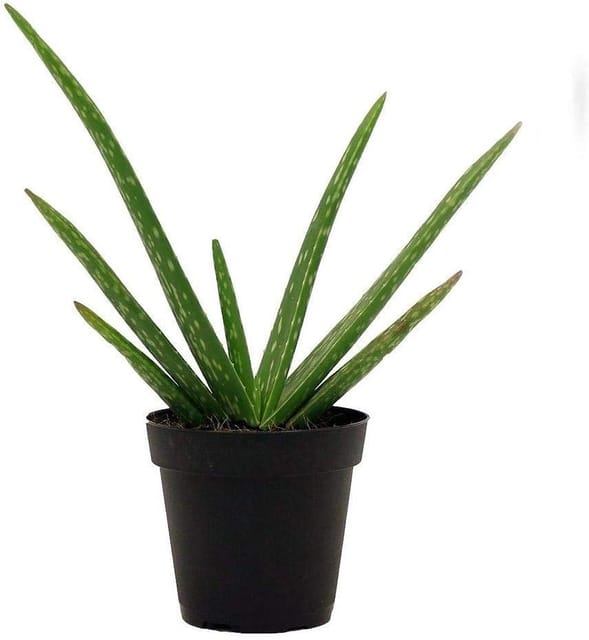
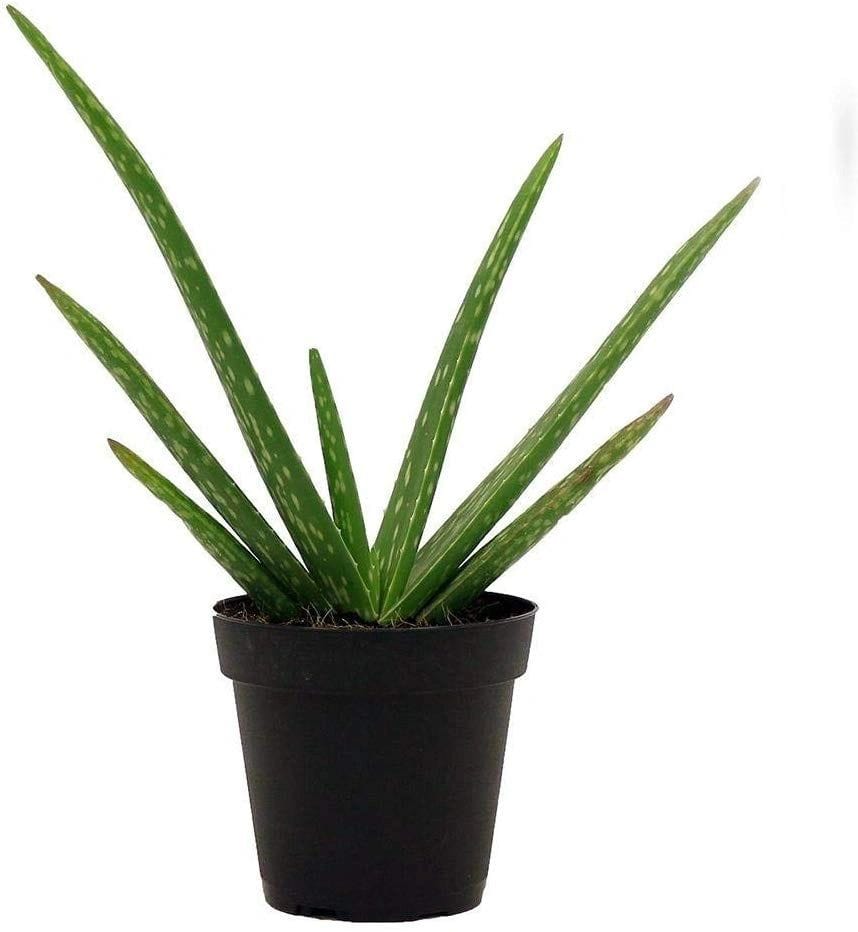
![Aloevera Live Plant [RAJ GARDEN PLANTS]](https://www.paudhewale.com/s/660a356584d1ac2391ae69de/6a0b09878195e488a2de37c9/101_original.jpg)
This is a live plant of ROOKHRAJ PAUDHSHALA This is a live plant of ROOKHRAJ PAUDHSHALA Aloevera Live Plant. Natural Elixir: Aloe vera (Aloe barbadensis Miller) is a living source of the soothing and healing gel found within its succulent leaves, renowned for its multitude of health and skincare benefits. Green Wellness: Incorporating an aloe vera plant into your living space contributes to indoor air purification, releasing oxygen and absorbing toxins for a fresher and healthier environment. Easy-Care Charm: Aloe vera is a beginner-friendly plant, requiring minimal maintenance. Its water-storing leaves allow it to tolerate occasional neglect, making it an excellent choice for busy individuals. Soothing Succulence: Harvest the clear gel from aloe vera leaves to provide natural relief for sunburns, minor cuts, skin irritations, and other skin discomforts, promoting rapid healing. Multipurpose Marvel: Beyond skincare, aloe vera gel can be used to create DIY beauty products, from moisturizers to hair masks, harnessing its hydrating and nourishing properties. Garden Aesthetics: Aloe vera's unique rosette growth pattern and spiky leaves offer an eye-catching element to gardens, balconies, and windowsills, blending seamlessly with diverse decor styles. Adaptable Abode: Aloe vera can thrive indoors as a potted plant or outdoors in well-draining soil and bright, indirect sunlight. Its adaptability makes it suitable for various climates and conditions. Natural Propagation: As your aloe vera plant matures, it produces offsets or "pups," which can be gently separated and replanted, yielding new plants and extending your greenery collection. First Aid Ally: Having an aloe vera plant on hand provides a quick and natural remedy for minor household burns, cuts, and scrapes, making it a valuable addition to any home's first aid toolkit. Garden-to-Table: Aloe vera leaves, with their edible gel, can be consumed in moderation for potential internal health benefits, such as aiding digestion and promoting hydration. Educational Delight: Growing an aloe vera live plant provides an opportunity for hands-on learning about plant care, propagation, and the fascinating properties of succulents. Cultural Significance: Aloe vera's historical use in various cultures for skincare, wellness, and religious practices adds an intriguing layer of cultural and traditional significance to this versatile plant. Caution: While aloe vera gel has numerous benefits, individual reactions may vary. Patch testing is recommended before applying the gel to larger areas of skin, and ingesting aloe vera gel should be done with caution due to potential laxative effects. Growing and Care Tips for Aloe Vera Live Plant: Aloe vera, with its healing properties and striking appearance, is a rewarding plant to cultivate. Follow these essential guidelines to ensure your aloe vera live plant thrives: Sunlight: Place your aloe vera plant in bright, indirect sunlight. It enjoys a sunny spot near a window but avoid exposing it to intense, direct sunlight, especially during the hottest hours. Pot and Soil: Use a well-draining potting mix designed for succulents or cacti. Plant your aloe vera in a shallow, wide pot with good drainage to prevent waterlogging. Watering: Allow the soil to dry out completely between waterings. Aloe vera is drought-tolerant and prefers to be slightly underwatered than overwatered. Water sparingly, about every 2-3 weeks in warmer months and even less in winter. Temperature: Aloe vera thrives in temperatures between 60-75°F (15-24°C). Protect it from frost and extremely low temperatures, as it is sensitive to cold. Humidity: Aloe vera tolerates average indoor humidity levels, but it appreciates slightly higher humidity. If your home is dry, you can mist the plant occasionally. Container: Choose a pot with drainage holes to prevent water accumulation at the roots. Aloe vera's shallow root system doesn't require a deep container. Fertilization: Aloe vera doesn't require heavy feeding. Apply a balanced, diluted liquid fertilizer formulated for succulents during the growing season (spring and summer) every 4-6 weeks. Pruning: Remove any dead or discolored leaves by trimming them close to the base. This promotes the plant's overall health and aesthetic appeal. Repotting: Repot your aloe vera every 2-3 years, or when it becomes root-bound. Choose a slightly larger pot and refresh the soil mix during repotting. Pest Management: Aloe vera is relatively pest-resistant, but watch for signs of pests like mealybugs or spider mites. If an infestation occurs, treat it promptly with insecticidal soap. Propagation: Aloe vera can be propagated by removing offsets (pups) that grow at the base of mature plants. Allow the offset to dry for a day or two before planting it in a well-draining mix. Caution: While aloe vera gel has numerous benefits, its latex (yellow substance near the leaf base) can cause skin irritation for some individuals. Exercise caution and avoid contact with the latex. Health Consultation: Before using aloe vera for its potential internal benefits, consult a healthcare professional. Its laxative effects should be considered, especially if you have underlying health conditions. By following these tips and giving your aloe vera plant the care it needs, you'll enjoy a resilient and beneficial addition to your indoor or outdoor garden.
RRPS1212Choose your location
Please provide your delivery pincode to see products available in your area
COD (Cash On Delivery) On request
🎁Gift Coupons: Share your unboxing video & receive an exclusive gift coupon as a thank-you!
Share here
🚫No Claims After Repotting: If a plant is transferred to another pot and gets damaged, no claims will be accepted. Re-potting is at your own risk.
📸Unboxing Video Required: To claim a refund or replacement for any product, you must share an uncut unboxing video upon receiving the item.
⏳Raise Claim Within 24 Hours: To be eligible for any refund/replacement, raise a claim within 24 hours of delivery.(For plants only, for other categories the claim window is 5 days)
| brand | Raj Garden Plants |
This is a live plant of ROOKHRAJ PAUDHSHALA This is a live plant of ROOKHRAJ PAUDHSHALA Aloevera Live Plant. Natural Elixir: Aloe vera (Aloe barbadensis Miller) is a living source of the soothing and healing gel found within its succulent leaves, renowned for its multitude of health and skincare benefits. Green Wellness: Incorporating an aloe vera plant into your living space contributes to indoor air purification, releasing oxygen and absorbing toxins for a fresher and healthier environment. Easy-Care Charm: Aloe vera is a beginner-friendly plant, requiring minimal maintenance. Its water-storing leaves allow it to tolerate occasional neglect, making it an excellent choice for busy individuals. Soothing Succulence: Harvest the clear gel from aloe vera leaves to provide natural relief for sunburns, minor cuts, skin irritations, and other skin discomforts, promoting rapid healing. Multipurpose Marvel: Beyond skincare, aloe vera gel can be used to create DIY beauty products, from moisturizers to hair masks, harnessing its hydrating and nourishing properties. Garden Aesthetics: Aloe vera's unique rosette growth pattern and spiky leaves offer an eye-catching element to gardens, balconies, and windowsills, blending seamlessly with diverse decor styles. Adaptable Abode: Aloe vera can thrive indoors as a potted plant or outdoors in well-draining soil and bright, indirect sunlight. Its adaptability makes it suitable for various climates and conditions. Natural Propagation: As your aloe vera plant matures, it produces offsets or "pups," which can be gently separated and replanted, yielding new plants and extending your greenery collection. First Aid Ally: Having an aloe vera plant on hand provides a quick and natural remedy for minor household burns, cuts, and scrapes, making it a valuable addition to any home's first aid toolkit. Garden-to-Table: Aloe vera leaves, with their edible gel, can be consumed in moderation for potential internal health benefits, such as aiding digestion and promoting hydration. Educational Delight: Growing an aloe vera live plant provides an opportunity for hands-on learning about plant care, propagation, and the fascinating properties of succulents. Cultural Significance: Aloe vera's historical use in various cultures for skincare, wellness, and religious practices adds an intriguing layer of cultural and traditional significance to this versatile plant. Caution: While aloe vera gel has numerous benefits, individual reactions may vary. Patch testing is recommended before applying the gel to larger areas of skin, and ingesting aloe vera gel should be done with caution due to potential laxative effects. Growing and Care Tips for Aloe Vera Live Plant: Aloe vera, with its healing properties and striking appearance, is a rewarding plant to cultivate. Follow these essential guidelines to ensure your aloe vera live plant thrives: Sunlight: Place your aloe vera plant in bright, indirect sunlight. It enjoys a sunny spot near a window but avoid exposing it to intense, direct sunlight, especially during the hottest hours. Pot and Soil: Use a well-draining potting mix designed for succulents or cacti. Plant your aloe vera in a shallow, wide pot with good drainage to prevent waterlogging. Watering: Allow the soil to dry out completely between waterings. Aloe vera is drought-tolerant and prefers to be slightly underwatered than overwatered. Water sparingly, about every 2-3 weeks in warmer months and even less in winter. Temperature: Aloe vera thrives in temperatures between 60-75°F (15-24°C). Protect it from frost and extremely low temperatures, as it is sensitive to cold. Humidity: Aloe vera tolerates average indoor humidity levels, but it appreciates slightly higher humidity. If your home is dry, you can mist the plant occasionally. Container: Choose a pot with drainage holes to prevent water accumulation at the roots. Aloe vera's shallow root system doesn't require a deep container. Fertilization: Aloe vera doesn't require heavy feeding. Apply a balanced, diluted liquid fertilizer formulated for succulents during the growing season (spring and summer) every 4-6 weeks. Pruning: Remove any dead or discolored leaves by trimming them close to the base. This promotes the plant's overall health and aesthetic appeal. Repotting: Repot your aloe vera every 2-3 years, or when it becomes root-bound. Choose a slightly larger pot and refresh the soil mix during repotting. Pest Management: Aloe vera is relatively pest-resistant, but watch for signs of pests like mealybugs or spider mites. If an infestation occurs, treat it promptly with insecticidal soap. Propagation: Aloe vera can be propagated by removing offsets (pups) that grow at the base of mature plants. Allow the offset to dry for a day or two before planting it in a well-draining mix. Caution: While aloe vera gel has numerous benefits, its latex (yellow substance near the leaf base) can cause skin irritation for some individuals. Exercise caution and avoid contact with the latex. Health Consultation: Before using aloe vera for its potential internal benefits, consult a healthcare professional. Its laxative effects should be considered, especially if you have underlying health conditions. By following these tips and giving your aloe vera plant the care it needs, you'll enjoy a resilient and beneficial addition to your indoor or outdoor garden.
Products listed on Paudhewale.com are provided by individual sellers. We recommend referring to the product label before use. Paudhewale.com is not liable for any loss arising from misuse of products sold on our platform.
![Goodlook Cordyline Terminalis Plant, Air Purifying Indoor Plant, Green Variegated Leaves,Green Queen Plant, [RAJ GARDEN PLANTS]](https://www.paudhewale.com/s/660a356584d1ac2391ae69de/6a0b08660beb2152c0e07893/cordiinepercent20copy-640x640.jpg "Goodlook Cordyline Terminalis Plant, Air Purifying Indoor Plant, Green Variegated Leaves,Green Queen Plant, [RAJ GARDEN PLANTS]")
![Goodluck PurnimaBel Plant, Cissus rotundifolia Plant, Arabian Wax Leaf a perfect House Live decorative succulent plant [RAJ GARDEN PLANTS]](https://www.paudhewale.com/s/660a356584d1ac2391ae69de/6a0b08630beb2152c0e07862/purnimapercent20copy-640x640.jpg "Goodluck PurnimaBel Plant, Cissus rotundifolia Plant, Arabian Wax Leaf a perfect House Live decorative succulent plant [RAJ GARDEN PLANTS]")
![Naagdon Plant, Euphorbia Tithymaloides, Nagdamni, , Nagdoun Plant [RAJ GARDEN PLANTS]](https://www.paudhewale.com/s/660a356584d1ac2391ae69de/6a0b06ef8195e488a2de1f1d/blob-c8d961f-640x640.png "Naagdon Plant, Euphorbia Tithymaloides, Nagdamni, , Nagdoun Plant [RAJ GARDEN PLANTS]")
![Gudhal Yellow Live Plant Or Hibiscus Rosa Yellow Plant [RAJ GARDEN PLANTS]](https://www.paudhewale.com/s/660a356584d1ac2391ae69de/6a0b09d88195e488a2de3a3b/90_original-640x640.jpg "Gudhal Yellow Live Plant Or Hibiscus Rosa Yellow Plant [RAJ GARDEN PLANTS]")
![Sitafal Grafted Live Plant, Sitafal, sitafal plant, sugar apple, Annona squamosa, Sitafal fruit plant Custard Apple [RAJ GARDEN PLANTS]](https://www.paudhewale.com/s/660a356584d1ac2391ae69de/6a0b09d08195e488a2de39cc/91_original-640x640.jpg "Sitafal Grafted Live Plant, Sitafal, sitafal plant, sugar apple, Annona squamosa, Sitafal fruit plant Custard Apple [RAJ GARDEN PLANTS]")
![Malabar Neem (Melia Dubia, Malabar Vepa) [RAJ GARDEN PLANTS]](https://www.paudhewale.com/s/660a356584d1ac2391ae69de/6a0b09c7affb47165e7b74dc/97_original-640x640.jpg "Malabar Neem (Melia Dubia, Malabar Vepa) [RAJ GARDEN PLANTS]")
![Dragon Fruit Plant, Hylocereus Undatus, Pitaya Cactus Plant [RAJ GARDEN PLANTS]](https://www.paudhewale.com/s/660a356584d1ac2391ae69de/6a0b097aaffb47165e7b7281/screenshot_20210929-125842_blogger-640x640.jpg "Dragon Fruit Plant, Hylocereus Undatus, Pitaya Cactus Plant [RAJ GARDEN PLANTS]")
![Bhoomi Amla, Phyllanthus niruri Live Plant, Bhui Amla, Tamalaki, Phyllanthus Niruri Living Plant [RAJ GARDEN PLANTS]](https://www.paudhewale.com/s/660a356584d1ac2391ae69de/6a0b09070beb2152c0e07f67/34_original-640x640.jpg "Bhoomi Amla, Phyllanthus niruri Live Plant, Bhui Amla, Tamalaki, Phyllanthus Niruri Living Plant [RAJ GARDEN PLANTS]")
![Saffron Crocus Flower Plant, Kashmiri Saffron Bulb , Kesar, Zafran, Crocus Corm - Pack of 2 Plant-Bulbs [RAJ GARDEN PLANTS]](https://www.paudhewale.com/s/660a356584d1ac2391ae69de/6a0b08bb8195e488a2de2dcc/saffronpercent20bulbspercent20copy-640x640.jpg "Saffron Crocus Flower Plant, Kashmiri Saffron Bulb , Kesar, Zafran, Crocus Corm - Pack of 2 Plant-Bulbs [RAJ GARDEN PLANTS]")
![String Of Hearts, Ceropegia woodii , Hanging Succulent Plant, Indoor Succulent Plants [RAJ GARDEN PLANTS]](https://www.paudhewale.com/s/660a356584d1ac2391ae69de/6a0b08aa95f33fc37c953490/stringpercent20ofpercent20hearts-640x640.jpg "String Of Hearts, Ceropegia woodii , Hanging Succulent Plant, Indoor Succulent Plants [RAJ GARDEN PLANTS]")
![Nursery Grow Pots, Round Shape Plastic Pots, Set of 10 Pots, Pot Size 4 inch [RAJ GARDEN PLANTS]](https://www.paudhewale.com/s/660a356584d1ac2391ae69de/6a0b08379beb607fbcf7296b/nurserypercent20copy-640x640.jpg "Nursery Grow Pots, Round Shape Plastic Pots, Set of 10 Pots, Pot Size 4 inch [RAJ GARDEN PLANTS]")
![Jayfal Live Plant, Nutmeg Plant, Myristica fragrans [RAJ GARDEN PLANTS]](https://www.paudhewale.com/s/660a356584d1ac2391ae69de/6a0b07989beb607fbcf72393/jayfal-640x640.jpg "Jayfal Live Plant, Nutmeg Plant, Myristica fragrans [RAJ GARDEN PLANTS]")
![Imali Live Plant,Tamarind ,Tamarindus Indica Fruit Plant [RAJ GARDEN PLANTS]](https://www.paudhewale.com/s/660a356584d1ac2391ae69de/6a0b075a95f33fc37c95291d/blob-053f16c-640x640.png "Imali Live Plant,Tamarind ,Tamarindus Indica Fruit Plant [RAJ GARDEN PLANTS]")
![Chandani Flower Plant, Tabernaemontana corymbosa [RAJ GARDEN PLANTS]](https://www.paudhewale.com/s/660a356584d1ac2391ae69de/6a0b073329066cbeeb4b97ff/blob-54ca3b0-640x640.png "Chandani Flower Plant, Tabernaemontana corymbosa [RAJ GARDEN PLANTS]")
![Calla Lily Bulb Mixed Colour Pack of 2 [RAJ GARDEN PLANTS]](https://www.paudhewale.com/s/660a356584d1ac2391ae69de/6a0b071b8901ef186c52149a/gemini_generated_imagepercent20-11--640x640.jpg "Calla Lily Bulb Mixed Colour Pack of 2 [RAJ GARDEN PLANTS]")
![Enchanting Elegance: Introducing the Black ZZ Plant (Zamioculcas zamiifolia 'Raven') [RAJ GARDEN PLANTS]](https://www.paudhewale.com/s/660a356584d1ac2391ae69de/6a0b06dd0beb2152c0e06cc2/blob-8185a51-640x640.png "Enchanting Elegance: Introducing the Black ZZ Plant (Zamioculcas zamiifolia 'Raven') [RAJ GARDEN PLANTS]")
![Ruby Peperomia Plant , Radiator Plant, [RAJ GARDEN PLANTS]](https://www.paudhewale.com/s/660a356584d1ac2391ae69de/6a0b0692257b56094e7d36bc/project_20230127_2141002-01-640x640.png "Ruby Peperomia Plant , Radiator Plant, [RAJ GARDEN PLANTS]")
![Crassula Arborescens- Curly Butterfly Indoor & Outdoor Plant for Living Room, Table, Home Decor, Healthy Live Plant [RAJ GARDEN PLANTS]](https://www.paudhewale.com/s/660a356584d1ac2391ae69de/6a0b0666dd3594b5cb7bb7d4/project_20230124_2122448-01-640x640.png "Crassula Arborescens- Curly Butterfly Indoor & Outdoor Plant for Living Room, Table, Home Decor, Healthy Live Plant [RAJ GARDEN PLANTS]")
![Golden Barrel Cactus , Echinocactus Grusonii Plant [RAJ GARDEN PLANTS]](https://www.paudhewale.com/s/660a356584d1ac2391ae69de/6a0b062daffb47165e7b5770/blob-2fb6f5e-640x640.png "Golden Barrel Cactus , Echinocactus Grusonii Plant [RAJ GARDEN PLANTS]")
![Adenium Black Thunder Grafted Desert Rose Plant [RAJ GARDEN PLANTS]](https://www.paudhewale.com/s/660a356584d1ac2391ae69de/6a0b05fe94893ac90bffa3d9/blackpercent20adeniumpercent20copy-640x640.jpg "Adenium Black Thunder Grafted Desert Rose Plant [RAJ GARDEN PLANTS]")
![[Plants Glory] American Variety Grafted Hibiscus Flower Plant (PG-100635)](https://www.paudhewale.com/s/660a356584d1ac2391ae69de/6a0adc7d6c06efef4f6149c1/24431__1766832151995_1wkt4hi0fo2hau7-640x640.jpg "[Plants Glory] American Variety Grafted Hibiscus Flower Plant (PG-100635)")
![[Plants Glory] Australian Variety Grafted Hibiscus Flower Plant (PG-100629)](https://www.paudhewale.com/s/660a356584d1ac2391ae69de/6a0adc68d068fdca25d87c34/18268__1766832127989_n8un9265cjts8je-640x640.jpg "[Plants Glory] Australian Variety Grafted Hibiscus Flower Plant (PG-100629)")