

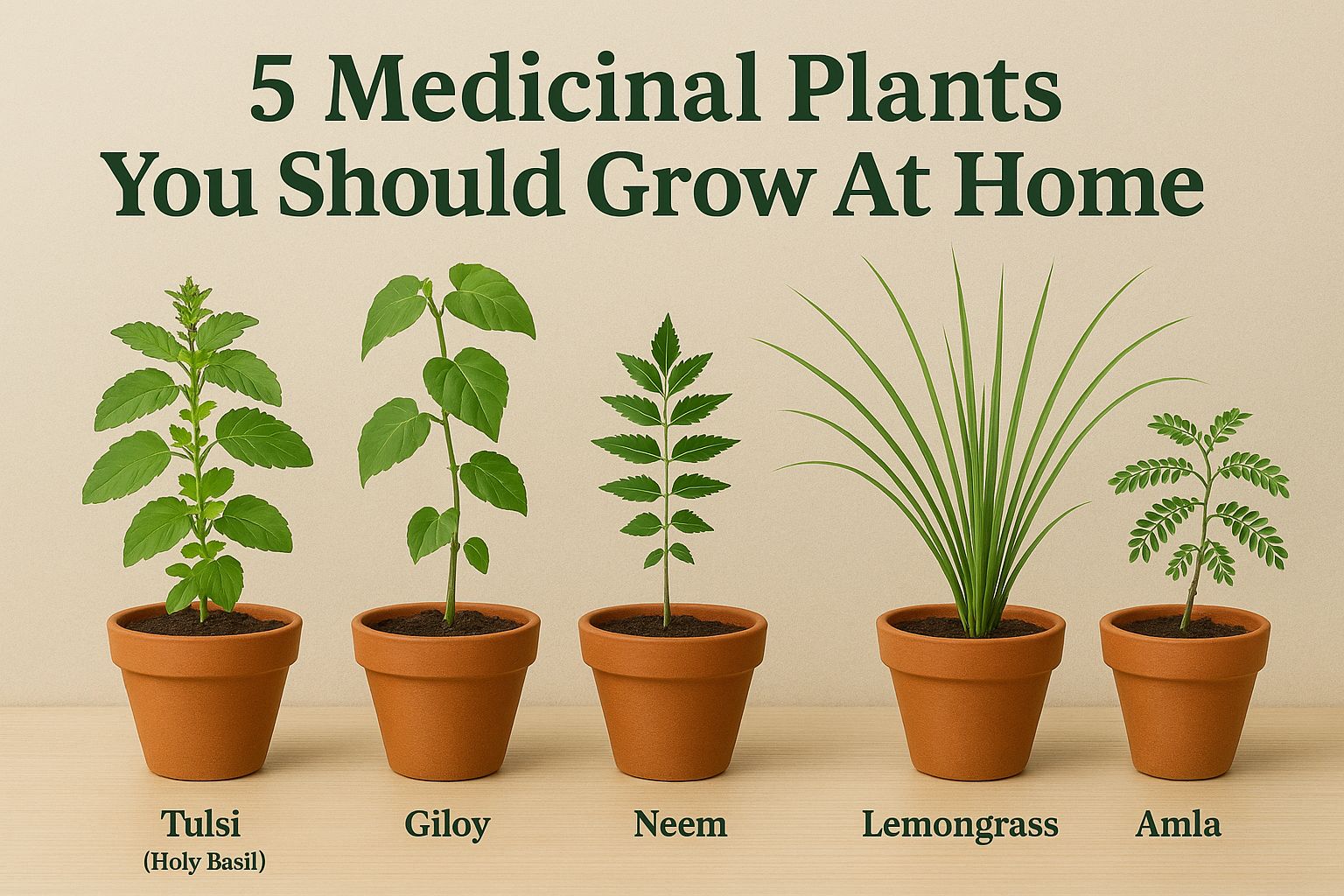
In our tech-driven lives, we often rely on quick fixes when it comes to health. Instead, more and more people are turning to ancient herbal wisdom to build sustainable wellness from within.
-
Stimulate the body’s production of white blood cells
-
Improve respiratory and digestive function
-
Fight off bacterial and viral infections
But that’s not all—they’re also easy to grow, making them a perfect solution for small homes, urban balconies, and wellness-focused households.
Instead of stockpiling pills and syrups, imagine plucking a leaf or stem from your own herbal garden to protect your body. Here’s a list of six potent plants you can cultivate with minimal space and effort.

How to Grow: Needs 4–6 hours of sunlight, prefers moist but well-drained soil, and should be watered moderately. Best kept on a windowsill or balcony edge.
How to Use: Brew into a soothing tea, make kadha with black pepper and ginger, or chew raw leaves.
🌿 2. Giloy (Guduchi)—The Adaptogen Hero

How to Grow: It’s a climbing plant that grows well on trellises or bamboo supports. Needs full sunlight and regular watering.
How to Use: Boil stems to create decoctions, or add powdered Giloy to warm water.

How to Grow: Thrives in full sun and needs very little water once established. Ideal for terrace gardens or large containers.
How to Use: Chew fresh leaves, drink neem-infused water, or apply neem paste during seasonal changes.
🌿 4. Lemongrass—A Natural Cleanser

How to Grow: Plant in wide pots with proper drainage. Requires 6–8 hours of direct sunlight and moderate watering.
🌿 5. Amla (Indian Gooseberry)—The Vitamin C Powerhouse
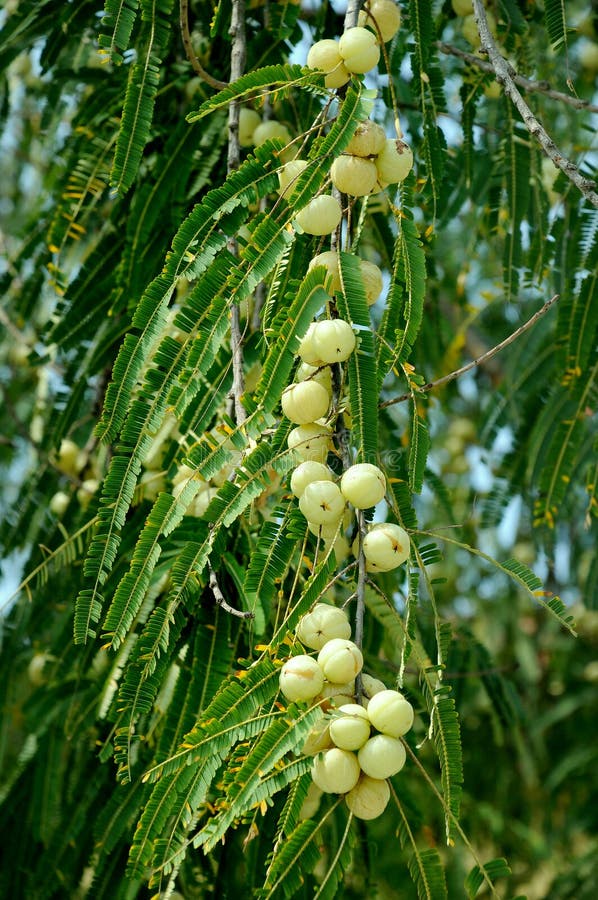
Amla has one of the highest natural sources of vitamin C. It fortifies the immune system, boosts metabolism, and enhances iron absorption.
How to Grow: Amla is a small fruiting tree that grows well in larger containers or open soil. Requires ample sunlight and well-drained soil.
How to Use: Consume raw, as juice, or dry for powdering and mixing in water.
🌿 6. Moringa (Drumstick Plant)—The Superleaf

How to Grow: Grows best in direct sun and requires deep pots. Can reach up to 6–8 ft in height, so prune regularly.
How to Use: Use fresh leaves in soups or dry and powder them for capsules or smoothies.
🔗 Find more nutrient-dense superplants in our Organic Wellness Picks.
Even a single balcony can become a potent pharmacy with the right care. Here’s how to get started:
🪴 Choose the Right Containers
Go for breathable materials like terracotta. Ensure they have drainage holes and are proportionate to the plant size.
💧 Smart Watering
Avoid overwatering—herbs prefer lightly moist soil. Use a sprayer or watering can with a narrow spout.
🌿 Organic Nutrition
Use homemade compost, cow dung manure, or vermicompost for natural nutrition.
🐛 Natural Pest Control
Spray neem oil once every 15 days or use garlic-chili water to keep pests away.
Each of these herbs can be integrated easily into your daily routine. Here are some everyday ideas:
-
🍵 Start the day with Tulsi-Giloy tea
-
🍋 Sip lemongrass and amla water post-lunch
-
🥬 Add moringa leaves to daal or sabzi
Simple routines like these lead to lasting, natural protection.
- Reduce chemical exposure
- Get fresh, live ingredients
- Build a self-reliant wellness routine
- Strengthen your connection with nature
🛒 Ready to Grow Your Own Herbal Pharmacy?
At Paudhewale, we’re committed to making herbal wellness easy, accessible, and rooted in Indian tradition. With:
-
- Verified live plant delivery across India
-
- Eco-friendly packaging
-
- Beginner-friendly care guides
you’ll have everything you need to grow health at home.
📌 Final Takeaway
It’s not just about growing plants—it’s about cultivating health, peace, and resilience.