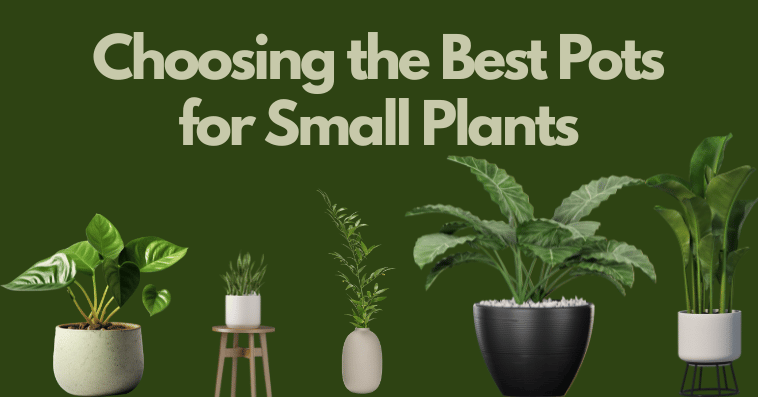


When it comes to growing small plants, one of the most important yet overlooked decisions is choosing the right pot. The size, material, shape, and drainage of a pot can significantly influence a plant’s growth, root health, and overall appearance. Whether you’re a beginner in indoor gardening or a seasoned gardener looking to repot your collection, selecting the best pots for small plants is key to a healthy, thriving garden.
In this comprehensive guide, we’ll explore everything you need to know about choosing the best pots for small plants, the materials to consider, the role of drainage, and how to pick pots that not only help plants flourish but also enhance your space. And yes — stick around till the end to know where to get the best plant pots online in India!
Why Pot Choice Matters for Small Plants
Many people believe that small plants can grow in any container—but that’s far from true. The right pot affects everything from:
Root development
Water retention
Air circulation
Plant aesthetics
Drainage and pest prevention
Choosing the correct pot enhances plant health, prevents root rot, and ensures optimal growth, especially in limited spaces like apartments, balconies, or office desks.
Factors to Consider When Choosing Pots for Small Plants
1. Size Matters (But Bigger Isn't Always Better)
While it’s tempting to choose a larger pot for future growth, small plants often suffer in oversized containers. Excess soil retains moisture for too long, leading to root rot.
Ideal Tip: Choose a pot that is 1-2 inches larger in diameter than the plant’s current root ball.
2. Drainage is Non-Negotiable
A pot without a drainage hole is like a fish tank with no filter. Proper drainage prevents overwatering, fungal growth, and stagnant water.
If you fall in love with a pot that doesn’t have drainage holes, make sure to drill one or use it as a decorative cover over a smaller pot with drainage (a method called double-potting).
Best Pot Materials for Small Plants
🪴 Terracotta Pots
Pros: Porous, allows air and moisture to pass through, preventing overwatering.
Best For: Succulents, cacti, and plants that prefer drier conditions.
Cons: Can dry out quickly and break easily if dropped.
🌿 Ceramic/Glazed Pots
Pros: Stylish, heavier (good for top-heavy plants), retain moisture well.
Best For: Indoor plants like ferns, peace lilies, and pothos.
Cons: Often don’t have drainage holes unless specified.
🪴 Plastic Pots
Pros: Lightweight, affordable, retain moisture longer.
Best For: Herbs, indoor tropicals, balconies, and hanging planters.
Cons: Less breathable and may fade under sun exposure.
🧵 Fabric Grow Bags
Pros: Excellent aeration, encourages air-pruning of roots, eco-friendly.
Best For: Edibles like mint, coriander, spinach, or even small flowering plants.
Cons: Requires more frequent watering.
🌱 Metal Pots
Pros: Modern look, durable.
Best For: Decorative indoor settings.
Cons: Can overheat in the sun, causing root burn.
🍃 Coconut Coir and Bamboo Pots (Eco-Friendly Options)
Pros: Biodegradable, sustainable, and great for transplanting.
Best For: Seed starters, small herbs, and eco-conscious gardeners.
Cons: Less durable over time.
Shape and Depth: Matching Pots to Plant Types
Shallow pots: Great for succulents, bonsai, and certain herbs like thyme and oregano.
Deep pots: Needed for plants with deep root systems like basil, mint, or mini tomatoes.
Wide pots: Suitable for spreading ground covers or clusters of small plants.
Stylish Ideas: Match Pots to Your Space
Small plants aren’t just for function—they’re also a design element. Choose pots that match your room aesthetics:
Modern/minimalistic: White ceramic or matte black plastic pots.
Rustic/Vintage: Terracotta or repurposed metal containers.
Bohemian: Macrame plant hangers with fabric grow bags.
Eco-friendly vibe: Bamboo, coconut coir, or jute-wrapped planters.
Indoor vs Outdoor: Pot Selection Tips
🌼 For Indoor Plants
Prioritize looks, material, and drainage.
Choose pots with trays to avoid water stains on furniture.
Avoid metal or thin plastic in sunny spots—they may heat up quickly.
🌻 For Outdoor Plants
Go for durable, weather-resistant pots.
Use slightly larger pots to accommodate fast-growing roots.
Ensure proper weight if placed in windy balconies.
Repotting Tips for Small Plants
Water the plant a day before repotting.
Gently remove it from the old container by tapping the sides.
Loosen roots slightly and place in the new pot with fresh potting mix.
Water thoroughly and place in indirect sunlight for a few days.
Common Mistakes to Avoid
❌ Choosing pots without drainage
❌ Using garden soil in containers
❌ Selecting wrong material for your climate
❌ Overpotting with too large a container
❌ Ignoring root needs and plant size
Best Small Plants That Thrive in Pots
Succulents (Aloe, Haworthia, Echeveria)
Indoor Plants (Spider plant, Snake plant, ZZ plant)
Herbs (Mint, Basil, Parsley, Thyme)
Air-purifying Plants (Peace Lily, Areca Palm)
Flowering Plants (Begonias, Petunias, Marigolds)
Where to Buy the Best Pots for Small Plants?
Looking for the perfect pot to match your plant and space? Look no further than PaudheWale– your ultimate gardening partner!
At PaudheWale, you’ll find:
✅ Terracotta, ceramic, plastic, and fabric pots in all sizes
✅ Eco-friendly, biodegradable pots
✅ Designer pots for every decor theme
✅ Affordable combo packs for small gardens
✅ Drainage trays, saucers, and hanging pot options
Whether you’re a hobbyist or a serious plant parent, PaudheWale has everything you need to start or upgrade your pot collection.
👉 Shop now at PaudheWale and grow your green corner the right way!